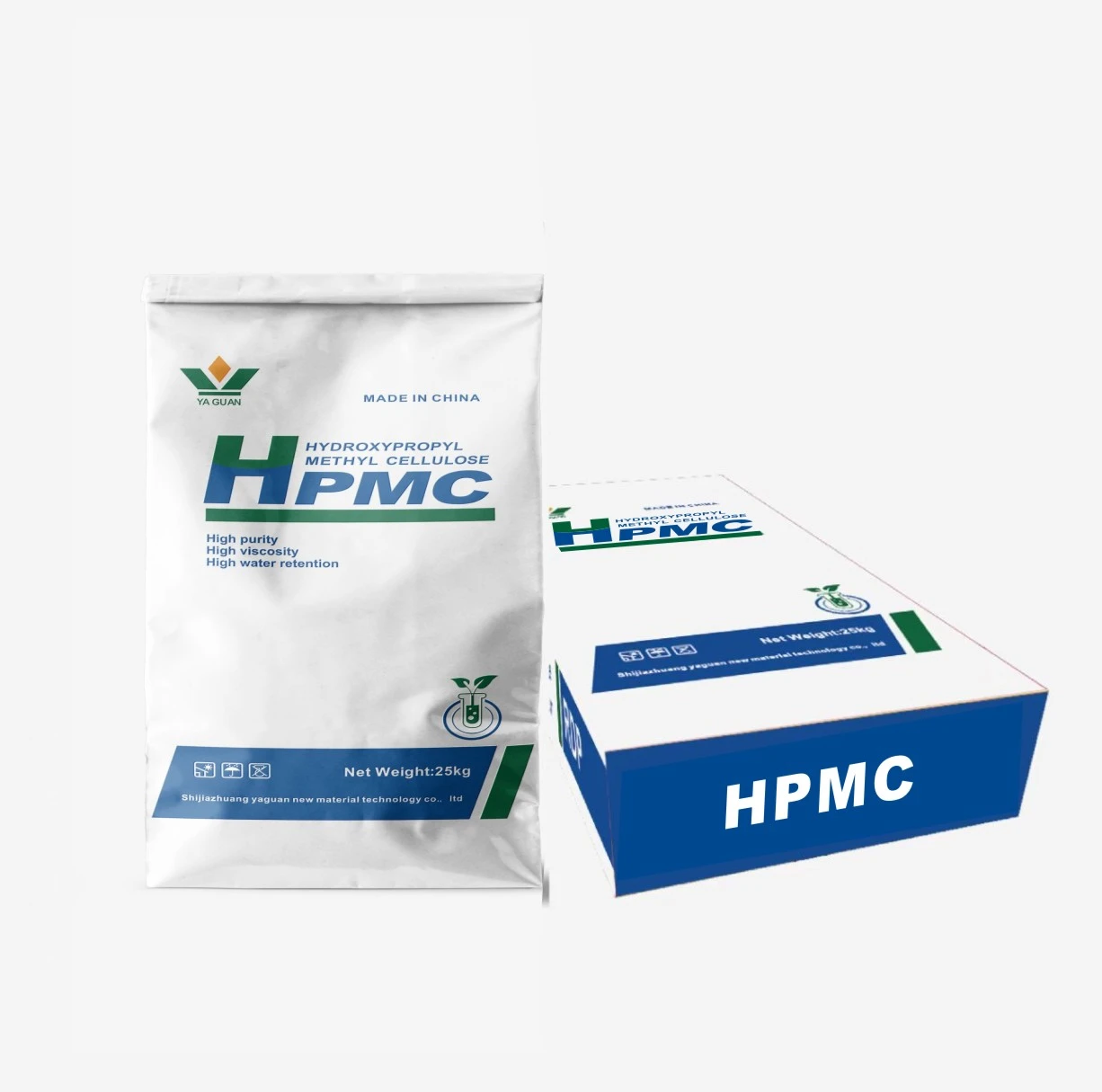

Why Chemical HPMC Matters: A Quick Overview
If you've ever wondered what keeps modern construction materials flexible, adhesives reliable, or pharmaceuticals stable, then chemical HPMC (Hydroxypropyl Methylcellulose) is probably behind the curtain somewhere. Globally, chemical HPMC plays an unsung but crucial role across industries—from construction to cosmetics and food technology. Understanding it isn’t just about chemistry jargon; it’s about grasping a versatile material that solves real-world challenges and drives innovation in sectors vital to everyday life.
At its core, chemical HPMC helps improve product consistency, durability, and safety—qualities that matter for sustainability and resource efficiency worldwide.
The Global Footprint of Chemical HPMC
Did you know the global cellulose ethers market—where chemical HPMC is a star—was valued at nearly $3.5 billion in 2023? (Source: Statista) The steady growth ties tightly to booming construction activity, pharmaceutical advancements, and increasing demand for eco-friendly personal care products across Asia, Europe, and North America.
But it’s not just stats that matter here. Chemical HPMC tackles real challenges like improving water retention in dry regions’ plaster mixes or stabilizing medicines in remote healthcare settings. The versatility addresses long-standing industry headaches—from unstable formulations to energy-intensive processing methods.
Mini takeaway: Chemical HPMC is more than a chemical; it’s a global enabler of smarter, safer, and sustainable products.What Exactly Is Chemical HPMC?
Chemical HPMC, or Hydroxypropyl Methylcellulose, is a semi-synthetic polymer derived from cellulose—the structural component of plant cell walls. In simple terms, it’s a modified plant fiber that becomes water-soluble, forming gels or films depending on concentration and temperature.
This unique combination means it can work as a thickener, stabilizer, binder, or film former across countless formulations. In modern industry, that flexibility translates to building plasters that stick better and don’t crack, pharmaceuticals that release medicine gently, or cosmetics that feel silky rather than sticky.
Oddly enough, despite being “chemical,” it’s well-tolerated, non-toxic, and even approved by food and drug regulatory agencies worldwide—underscoring its broad utility and safety profile.
Core Aspects of Chemical HPMC and Their Importance
1. Water Retention
One of the standout features is excellent water retention. In construction, this prevents premature drying of mortar or plaster, improving adhesion and workability. For industrial users, it often means better performance without adding extra components.
2. Viscosity Control
Thanks to its tunable molecular weight, chemical HPMC flexibly adjusts the thickness of mixtures, whether they are thick paints or liquid pharmaceuticals. This tweaking ability saves time and resources on trial-and-error.
3. Thermal Gelation
At certain temperatures, chemical HPMC forms gels or films. This property is harnessed for controlled drug release in pharmaceuticals or slow-setting adhesives in construction, providing innovative ways to improve product lifespan and reliability.
4. Compatibility and Safety
Its inertness means it doesn’t react adversely with other ingredients, making it highly compatible across industries—from food products to personal care items. It’s also biodegradable, aligning well with modern ecological demands.
5. Ease of Processing
Being water-soluble and stable across pH ranges reduces manufacturing complexity. Producers can incorporate chemical HPMC without complicated chemical reactions or special equipment, lowering cost and energy usage.
Mini takeaway: These chemical and physical properties make chemical HPMC a practical, versatile ingredient that helps industries innovate while being mindful of resources.Where Does Chemical HPMC Find Its Real-World Home?
Applications of chemical HPMC spread far and wide. Here’s a snapshot of key sectors and scenarios where it shines:
- Construction Industry: Used as a thickener and water retainer in drywall compounds, tile adhesives, and cement-based mortars worldwide—especially in hot, dry climates like the Middle East or parts of Australia.
- Pharmaceuticals: As a key excipient in tablet coatings and controlled-release capsules, chemical HPMC helps medicines dissolve slowly and evenly, supporting patient compliance globally.
- Personal Care & Cosmetics: It gives lotions and shampoos that desirable smooth texture without synthetic silicones, aiding brands moving towards “clean beauty” claims.
- Food Industry: Used as a stabilizer and emulsifier, chemical HPMC helps maintain texture and moisture in baked goods and dairy substitutes.
- Post-Disaster Relief: Chemical HPMC-based plasters enable quick-setting, durable shelters in emergency housing kits, offering a fast, sustainable fix after earthquakes or floods.
Technical Specifications of Popular Chemical HPMC Grades
| Parameter | Grade A | Grade B | Grade C |
|---|---|---|---|
| Viscosity (mPa·s, 2% in water) | 4000 | 10000 | 3000 |
| Methoxy Content (%) | 24.0-28.0 | 28.0-30.0 | 20.0-24.0 |
| Hydroxypropyl Content (%) | 7.0-12.0 | 10.0-14.0 | 5.0-9.0 |
| pH (1% solution) | 5.0-8.0 | 6.0-8.5 | 4.5-7.5 |
| Appearance | White Powder | White Powder | White Powder |
Comparing Leading Chemical HPMC Suppliers
| Supplier | Region | Key Strengths | Typical Applications |
|---|---|---|---|
| Yaguan Chemical Co. | China | Competitive pricing, consistent quality, tailored grades | Construction, pharmaceutical excipients, personal care |
| Dow Chemical | USA | Broad product range, innovation leader, global reach | Large-scale industrial, specialty coatings, food additives |
| Ashland Inc. | USA/Global | Custom formulations, high purity, eco-conscious options | Pharmaceutical, personal care, food stabilizers |
What Makes Chemical HPMC a Wise Long-Term Investment?
From a buyer or engineer’s standpoint, chemical HPMC offers palpable advantages:
- Cost Efficiency: Less waste, better product consistency, lower rework.
- Sustainability: Derived from renewable cellulose and often biodegradable, it aligns with green initiatives.
- Safety & Reliability: Non-toxic, stable, and inert, ensuring user and consumer confidence.
- Innovation Potential: Enables new formulations, from slow-release tablets to flexible coatings.
These benefits deliver not just bottom-line value but also raise the bar on product quality and corporate responsibility in today’s conscientious marketplace.
Looking Ahead: Trends Shaping Chemical HPMC Development
The future of chemical HPMC is intertwined with broader technological and sustainability trends:
- Green Chemistry: New methods producing chemical HPMC with less environmental impact.
- Digital Formulation: AI-driven product design enables faster, more precise mix optimization.
- Hybrid Materials: Combining HPMC with nano-materials or biodegradable polymers for enhanced performance.
- Automation & IoT: Smart processing plants where HPMC dosing reacts in real-time to product feedback.
Addressing Common Challenges with Chemical HPMC
Of course, nothing’s perfect. Chemical HPMC users often face issues like batch variability or solubility limitations in extreme pH conditions. Some grades might not gel sufficiently under certain temperatures, limiting their use.
Innovative solutions include advanced quality control, blending multiple cellulose ethers, or tailoring chemistry at the molecular level to boost consistency. Plus, ongoing research and close vendor partnerships mean these challenges are getting easier to manage.
Some FAQs on Chemical HPMC
- What makes chemical HPMC different from other cellulose ethers?
- Unlike other cellulose derivatives, chemical HPMC is unique for its water solubility combined with thermal gelling, making it versatile for both cold and heat-activated applications.
- How long does chemical HPMC-based plaster last in harsh climates?
- When properly formulated, plasters with chemical HPMC retain flexibility and adhesion for years—even under intense sun or freeze-thaw cycles—reducing cracking and repair needs.
- Is chemical HPMC suitable for vegan and eco-friendly product lines?
- Yes, since it’s plant-derived and biodegradable, chemical HPMC fits well within vegan, cruelty-free, and sustainability-focused branding.
- Can chemical HPMC be used in food packaging?
- Definitely—its film-forming and stabilizing properties make it valuable for edible coatings and biodegradable food wraps, with regulatory approvals in many regions.
Wrapping Up: Why Chemical HPMC Is Worth Your Attention
At first glance, chemical HPMC might seem like just another polymer, but its impressive versatility and global relevance make it a cornerstone for industries aiming to be more durable, efficient, and sustainable. Whether you’re formulating building materials, lifesaving medicines, or green cosmetics, chemical HPMC has proven itself as a trusted ally.
If you want to explore tailored chemical HPMC grades that fit your specific application or find a reliable supplier, I’d recommend checking out chemical hpmc resources and vendor options. It never hurts to browse global leaders who keep innovating in this space.
Stay curious—sometimes the smallest ingredients have the biggest global impact.