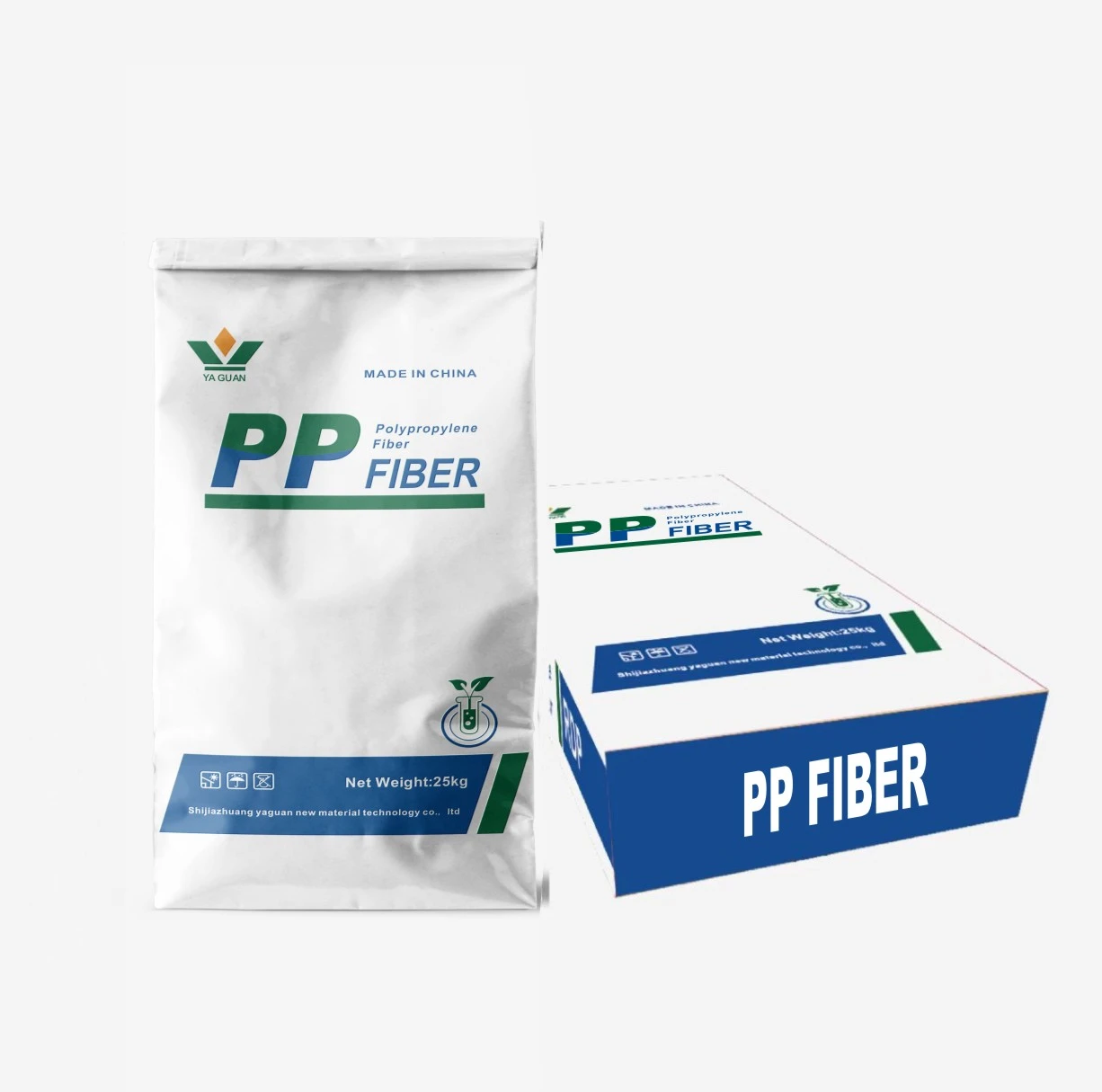

Understanding Dispersible Polymer Powder: A Global Perspective
At first glance, dispersible polymer powder might sound like some niche chemical product best left to lab techs and industrial chemists. Yet, in reality, it’s a sort of unsung hero in various industries worldwide—think construction, agriculture, pharmaceuticals, even humanitarian aid. Why does it matter? Well, the global demand for innovative, cost-effective, and sustainable materials is skyrocketing, especially as urbanization and climate challenges intensify. And dispersible polymer powder answers some of those needs in a quiet, effective way.
To set the stage: the world’s construction sector alone accounts for nearly 40% of global energy consumption and CO2 emissions (United Nations Environment Programme, 2021). Materials that can improve durability, reduce waste, and improve workability can change the equation dramatically. That’s where dispersible polymer powders come in, offering enhanced performance while potentially reducing environmental footprint. They’re an often overlooked component that’s shaping industries quietly but surely.
The Basics: What Is Dispersible Polymer Powder?
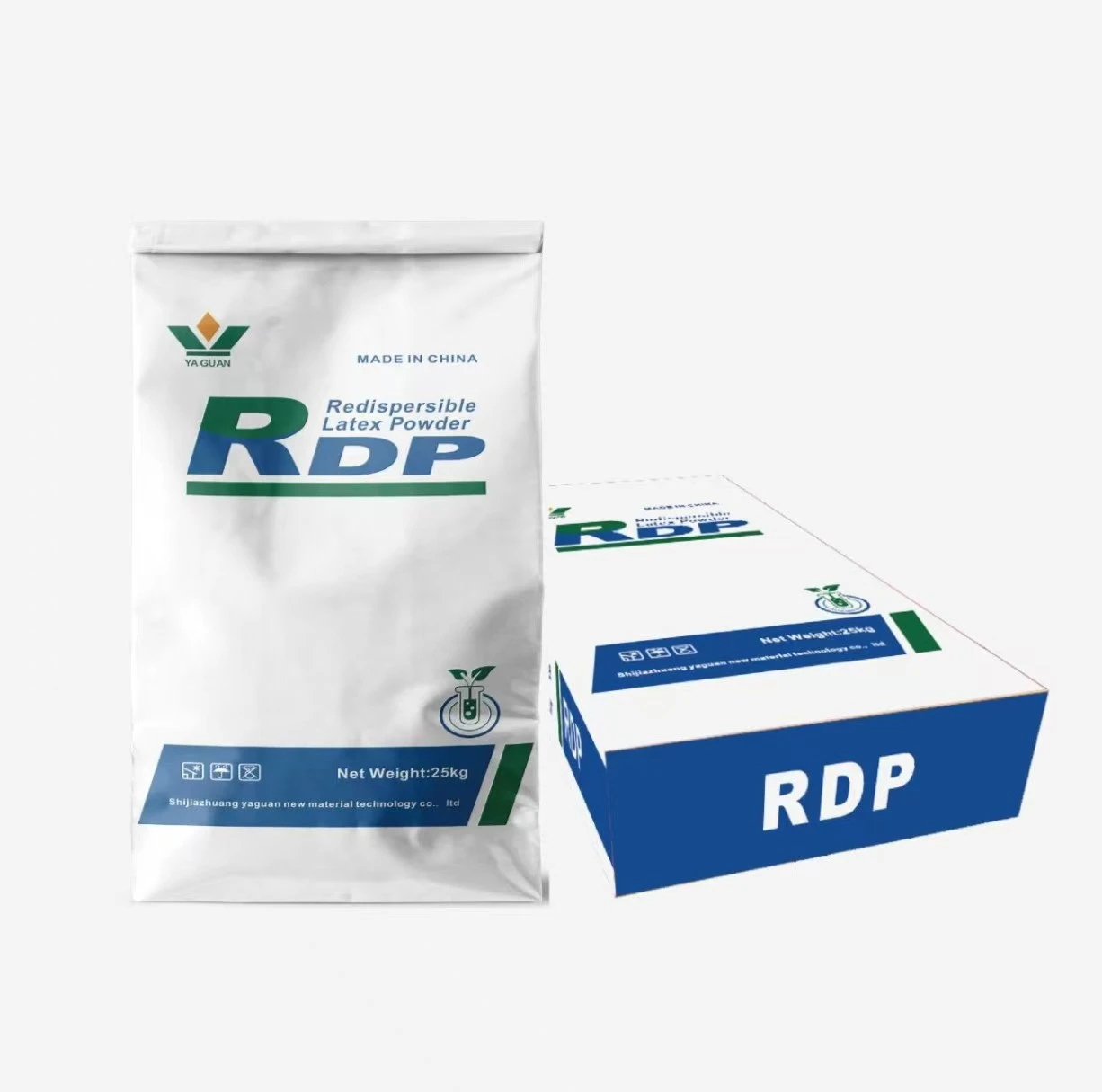
Simply put, dispersible polymer powder is a finely milled polymer that can be easily mixed (dispersed) into water or other liquids to form a polymer-rich solution or slurry. This slurry then improves the properties of a host material—often cement, mortar, paints, or adhesives—making it more flexible, durable, or water-resistant.
Think of it as the secret ingredient in modern industrial recipes. From patching a crumbling wall in Nairobi to waterproofing a bridge in Brazil, dispersible polymer powders offer ideal add-on performance for a range of applications. Oddly enough, this powder form brings the benefits of polymers—like flexibility and adhesion—without the mess or complexity of emulsions or liquid polymers, making logistics and storage easier, especially in remote or challenging sites.
Core Features that Define Dispersible Polymer Powder
1. Durability
One of the key attractions is how these powders enhance durability. When added to cement or mortar, the polymer matrix grants additional flexibility and resistance to cracking. In real terms, concrete structures last longer even when exposed to harsh weather or stress.
2. Scalability & Ease of Use
Unlike liquid alternatives, this powder form doesn’t require complex storage or can easily be shipped long distances without degradation. This makes it scalable for massive industrial applications and handy for smaller projects alike.
3. Cost Efficiency
By improving bonding and workability, dispersible polymer powders reduce wastage and rework. It cuts down on material costs in the long run, an enticing prospect for contractors operating on tight budgets.
4. Environmental Impact
Materials that increase lifespan mean less frequent repairs, which ties back to resource conservation. Some manufacturers even offer formulations with bio-based polymers, nudging the material closer to sustainability ideals.
5. Adaptability
From waterproofing paints in rainy climates to lightweight flooring systems, these powders can be tailored for specific environments, which expands their global use cases tremendously.
How Dispersible Polymer Powders Are Used Around the World
- Construction: Widely used in plasters, tile adhesives, and cementitious waterproofing. Europe and Asia have seen increased adoption due to rising green building standards.
- Infrastructure: In post-disaster rebuilding efforts—such as after the 2010 Haiti earthquake or floods in Southeast Asia—quick-setting, polymer-enhanced mortars help reconstruct more resilient buildings.
- Agriculture: Polymer powders improve soil conditioners and controlled-release fertilizers to increase efficiency and reduce runoff, important in arid regions of Africa and Australia.
- Pharmaceuticals & Cosmetics: Used for coatings and delivery systems that require dispersion and controlled release.
For example, in remote industrial zones in Australia, where supply chains are stretched thin, the powdered form is a game-changer—it weighs less than liquids and can be reconstituted on-site, reducing transport costs significantly.
Dispersible Polymer Powder Specifications at a Glance
| Property | Typical Value | Unit |
|---|---|---|
| Particle Size | microns | |
| Polymer Type | Styrene-Butadiene (SBR) | — |
| Solids Content | ~55 | % |
| Density | 1.0 - 1.1 | g/cm³ |
| pH (In slurry form) | 7.0 - 9.0 | — |
| Shelf Life | 12 | Months |
Vendor Comparison: Choosing Your Dispersible Polymer Powder Supplier
| Vendor | Polymer Type | Standard Packaging | Price Range (per ton) | Distribution Regions |
|---|---|---|---|---|
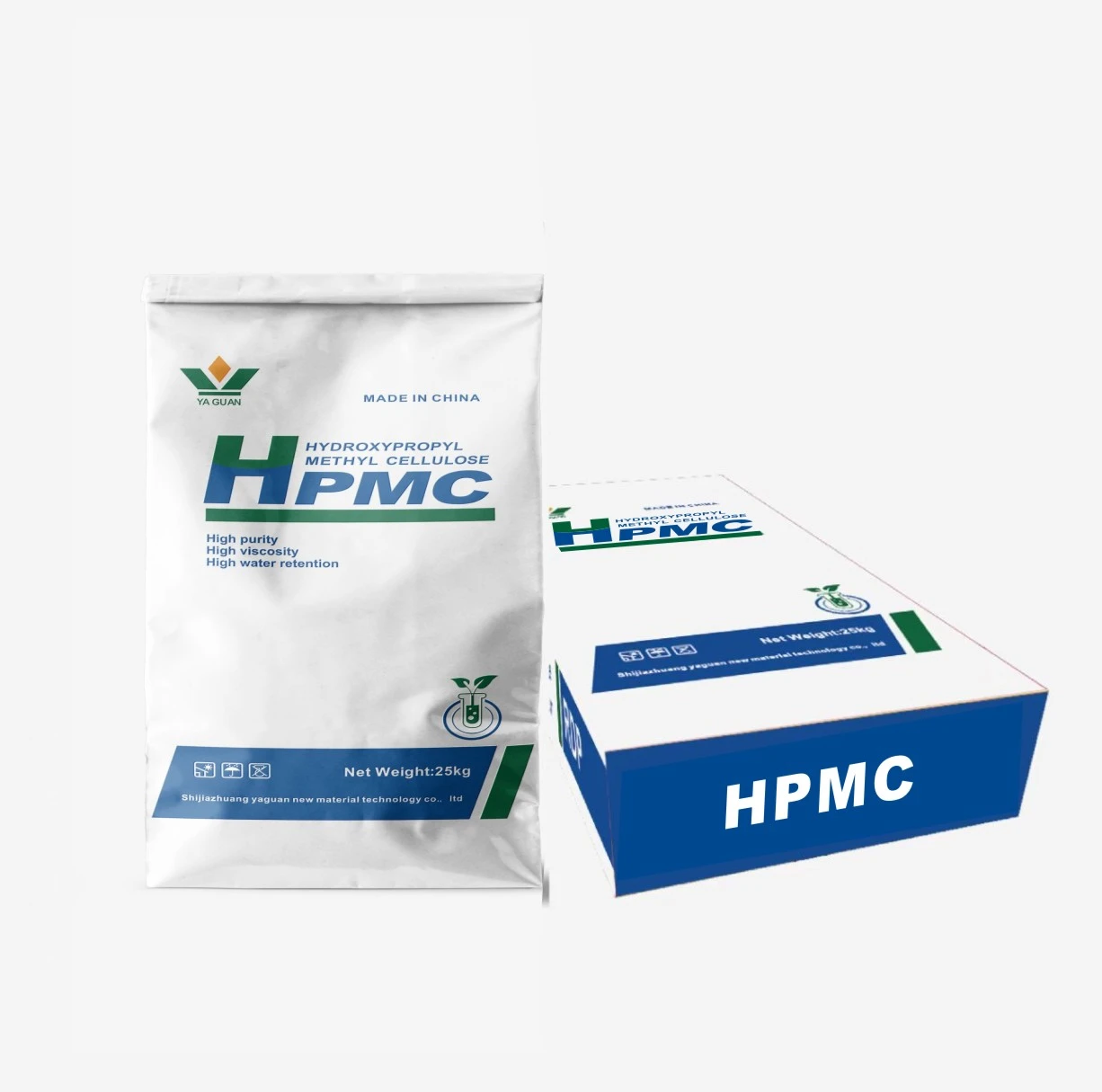
| Yaguan HPMC | SBR, Acrylic Copolymer | 25 kg bags | $800 - $950 | Global |
| PolyChem Ltd. | SBR, EVA | 20 kg bags, bulk | $750 - $900 | EMEA, Asia |
| EcoPolymers Inc. | Bio-based Acrylic | 25 kg bags | $900 - $1100 | North America, Europe |
Why Dispersible Polymer Powders Are Worth Considering Long-Term
When weighing the benefits, there’s a lot to like. For starters, enhanced mechanical properties mean structures built with these powders tend to last longer, reducing lifecycle costs. Then there’s the social aspect – stronger, more durable buildings help keep families safe and communities stable, especially during natural disasters.
On logical grounds, the ease of transport and storage combined with improved workability saves contractors both cash and headaches during execution. Emotionally, many engineers say it feels right to incorporate modern polymers that improve resilience and sustainability. It’s innovation that doesn’t just show off — it quietly earns trust.
Looking Ahead: Innovations on the Horizon
Manufacturers and researchers are pushing boundaries — imagine dispersible polymer powders that self-heal cracks or incorporate antimicrobial properties. Some formulations now embed nanomaterials for superior strength at reduced dosages. Another exciting area is green chemistry: turning to fully bio-based polymers or those derived from recycled feedstocks, aligning with the circular economy goals set by ISO standards (ISO 14040 series).
Automation in production and smart mixing technologies also signal shifts toward better consistency and reduced human error. It’s a small revolution, slowly but surely transforming how traditional materials behave.
Facing Challenges: What Holds Back Broader Adoption?
A sticking point for some is cost—high-performance polymers can push initial budgets up, especially for large infrastructure projects. Then there’s variable quality; not all powders are created equal, making supplier reliability key. Plus, in extremely cold or wet climates, polymer integration can be tricky without expert knowledge.
Experts suggest stronger quality control, better training for onsite staff, and clearer technical standards can ease these barriers. Also, innovations in powder formulation to widen temperature tolerance are underway.
FAQ: Your Questions About Dispersible Polymer Powder Answered
- What advantages does dispersible polymer powder offer over liquid polymers?
- Powdered polymers are easier to transport and store due to their dry form, reducing risk of spoilage or freezing. They can be reconstituted on-site to required consistency, making them more flexible and often cost-efficient compared to liquids.
- Can dispersible polymer powder improve waterproofing in building materials?
- Absolutely. When added to cementitious mixes, they reduce permeability, increasing water resistance. This is particularly useful in wet or humid environments where durability against moisture is critical.
- Are these polymer powders environmentally friendly?
- Many traditional polymers come from petrochemicals, but bio-based options are growing. Plus, improved durability translates to fewer repairs, conserving resources. Still, evaluating a product’s lifecycle and supplier sourcing is important for green projects.
- How do I ensure I’m buying quality dispersible polymer powder?
- Look for suppliers with ISO certifications, transparent technical datasheets, and good reviews. Sample testing under your specific project conditions is also advisable before bulk purchasing.
- Is dispersible polymer powder suitable for remote or disaster zones?
- Yes, in fact, its dry form and simple preparation make it ideal for remote construction or disaster relief where liquid polymer logistics can be prohibitive.
Wrapping Up: Why Dispersible Polymer Powder Matters for the Future
In a nutshell, dispersible polymer powder is quietly fueling some of the key improvements in construction, agriculture, and beyond. It combines practicality with innovation, addressing global challenges like sustainability, cost, and resilience. For anyone involved in modern materials, keeping an eye on these powders—and exploring products like those available at dispersible polymer powder vendors—is a smart move.
As always, the devil’s in the details, and knowing your application, environment, and supplier well will pay dividends. But for now, it feels like these powders are more than just additives—they’re enablers of a stronger, safer built world.
If you’re curious to learn more or source for your projects, visit https://www.yaguanhpmc.com. The future feels promising, doesn’t it?