Understanding VAE Powder: A Modern Industrial Game-Changer
If you've been following the latest trends in chemical additives or industrial binders, you might have come across "vae powder." It’s one of those materials that’s quietly revolutionizing coatings, adhesives, and construction, yet hardly ever steals the spotlight. But why does it matter? Well, globally, industries are shifting towards more sustainable, durable, and efficient materials — and vae powder fits right into that puzzle. Knowing what it is and where it fits can open doors to innovation across many sectors.
Introduction: Why the World Needs VAE Powder Now More Than Ever
Globally speaking, the demand for environmentally friendly and long-lasting industrial materials has soared. According to the International Union of Pure and Applied Chemistry (IUPAC) and reports from the United Nations Environment Programme, industries are under pressure to replace traditional solvent-based polymers with safer alternatives. Enter vae powder, a type of vinyl acetate-ethylene copolymer offered in powder form that supports water-based systems — a much greener choice.
The World Bank notes that in emerging economies, where infrastructure is booming, material durability topped with eco-consciousness is a priority. However, challenges such as logistics, storage, and ease of use linger — which is where powder forms like vae powder prove their worth. It’s a literal powder keg of opportunity for coating manufacturers, adhesive producers, and construction firms looking to do better by the planet and by their profit margins.
What Exactly Is VAE Powder?
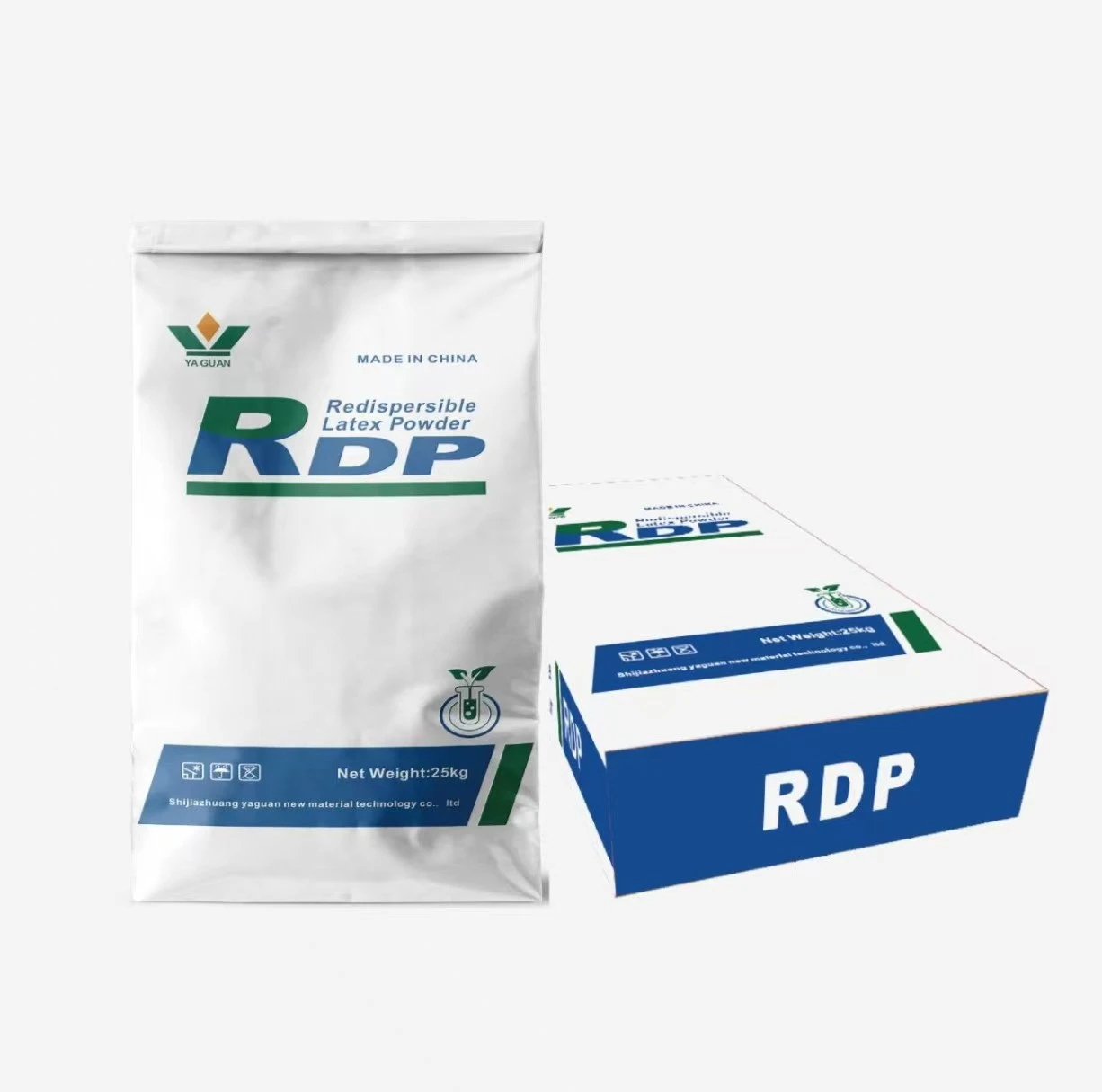
VAE powder stands for Vinyl Acetate Ethylene powder — but what does that even mean? Essentially, this is a powdered copolymer consisting of vinyl acetate and ethylene units, synthesized via emulsion polymerization and then dried into powder. Its chemical structure gives it unique properties, like excellent film formation, flexibility, and adhesion. Being a powder means it can be stored and transported more easily, with reduced reliance on solvents, making it easier to handle and safer for the environment.
In real terms, vae powder acts as a binder — the sticky magic that holds coatings, adhesives, and mortars together. It bridges the gap between functionality and sustainability by enabling water-based formulations over traditional solvent-heavy ones.
Key Attributes of VAE Powder That Make It So Valuable
1. Durability & Flexibility
Vae powder-based products stand out for their mechanical resilience. The ethylene component offers flexibility, while vinyl acetate provides toughness. The resulting material resists cracking and can withstand environmental stress. Basically, it stays put.
2. Waterborne and Eco-Friendly
Replacing solvent systems means less volatile organic compounds (VOCs) released into the atmosphere. This makes it a boon for industries targeting ISO 14001 environmental standards — or just wanting to breathe cleaner air.
3. Easy Handling and Storage
The powder form sidesteps many issues related to liquid polymers — think spill hazards or complex packaging. For manufacturers far from major chemical hubs, this can be a game-changer.
4. Versatility Across Industries
From paints and adhesives to textile finishing and even paper coating, vae powder is marvelously flexible. It’s like the Swiss Army knife of binders.
5. Cost Efficiency
While the initial cost might be slightly higher than some traditional binders, overall savings on transport, storage, and VOC compliance can make vae powder financially sensible.
Mini takeaway: The strength of vae powder lies in its blend of durability, eco-friendliness, and practical convenience — qualities that industry professionals cherish.
Real-World Applications of VAE Powder Across the Globe
In the coatings world, vae powder is pivotal in producing tough exterior paints for humid tropical regions like Southeast Asia, where conventional binders often fail prematurely. For instance, manufacturers in Vietnam and Thailand have been adopting it to formulate water-resistant, flexible coatings that withstand monsoon seasons without blistering.
Post-disaster relief operations, such as those coordinated by NGOs in the Caribbean, use VAE powder-based adhesives and coatings for quick-repair materials that can be shipped easily and have long shelf lives under tough storage conditions.
In industrial zones across Europe, vae powder-based formulations are popular for flooring adhesives and textile finishes, appreciated for their reduced environmental footprint and robust performance.
| Specification | Typical Values |
|---|---|
| Appearance | Fine white powder |
| Vinyl acetate content | 85–90% |
| Ethylene content | 10–15% |
| Bulk density | 450–550 kg/m³ |
| Glass transition temperature (Tg) | 15–25 °C |
| Moisture content | ≤ 1.5% |
Why Many Industries Can’t Stop Talking About VAE Powder
Frankly, the blend of environmental and economic advantages is compelling. Imagine reducing harmful emissions dramatically while still maintaining (or even improving) product performance. Many engineers I've spoken with say that adopting vae powder reduced their compliance headaches and boosted customer satisfaction due to longer-lasting products.
From a social impact angle, reduced VOCs mean safer workplaces and healthier communities near manufacturing hubs. Companies also showcase their commitment to sustainability, which builds trust — something you can’t put a price on in modern markets.
Looking Ahead: How Will VAE Powder Continue Evolving?
The next frontier for vae powder lies in combining it with renewable raw materials and nanotechnology to create even smarter coatings and adhesives. Digital transformation in manufacturing plants is facilitating precise formulations that minimize waste.
Regulatory trends favor greener chemicals, which means demand for products like vae powder will likely keep climbing. Energy-efficient production methods and innovations in polymer chemistry are on the horizon, promising powders that are even easier to disperse and more durable.
Tackling Challenges Head-On
No product is perfect — vae powders sometimes struggle with dispersion rates or color acceptance in pigmented systems. But innovation is catching up. For example, modified surface treatments and novel additives improve compatibility with other formulation components, making it easier to customize solutions for specific needs.
Manufacturers are also refining production technologies to lower costs and enhance powder stability during transport. It’s all a balancing act, and honestly, this area is ripe for breakthroughs.
| Vendor | Region | Specialty | Price Range | Key Benefits |
|---|---|---|---|---|
| Yaguan Chemical | Asia | High-purity powders for coatings | Moderate | Consistent quality, eco-friendly |
| PolyChem Solutions | Europe | Customizable polymer blends | Higher-end | Excellent dispersion, versatile |
| GreenBind Corp | North America | Sustainable ingredient focus | Competitive | Low VOC, energy-efficient |
Frequently Asked Questions About VAE Powder
Q1: What are the main advantages of using vae powder over liquid copolymers?
A: VAE powder eliminates the handling and storage issues linked to liquid emulsions, like spill risk and weight. It's easier to transport, produces less environmental hazard, and also extends shelf life. Plus, it allows manufacturers to create waterborne products that reduce VOC emissions significantly.
Q2: Can vae powder be used in cold climates or harsh outdoor conditions?
A: Yes! Thanks to its flexibility and durability, vae powder-based materials perform well under temperature fluctuations. However, formulation adjustments might be necessary to optimize freeze-thaw resistance depending on the exact climate.
Q3: How does vae powder contribute to sustainable building practices?
A: By enabling waterborne and low-VOC formulations, vae powder helps reduce environmental impact. It's used in eco-friendly paints, adhesives, and sealants, supporting green building certifications like LEED and BREEAM.
Q4: Are there any challenges when working with vae powder in high-pigment formulations?
A: Sometimes pigment dispersion can be tricky due to powder particle size or surface chemistry. But tailored grades and additives have been developed to improve compatibility and ensure uniform color and performance.
Q5: Where can I source high-quality vae powder?
A: Several manufacturers supply it globally, including Yaguan Chemical, known for consistent, eco-friendly products. Always check supplier specs to match your application needs.
Wrapping It Up: Why VAE Powder Could Be the Future of Sustainable Industrial Materials
Summed up, vae powder represents a practical, eco-friendly, and versatile solution for industries grappling with the twin challenges of environmental regulation and performance demands. It’s not just a buzzword; it’s an essential material helping coatings, adhesives, and construction move into a healthier future.
If you’re curious to explore options or want to see how vae powder can be integrated into your products, do visit our website: vae powder. The future’s powdery — and pretty promising.