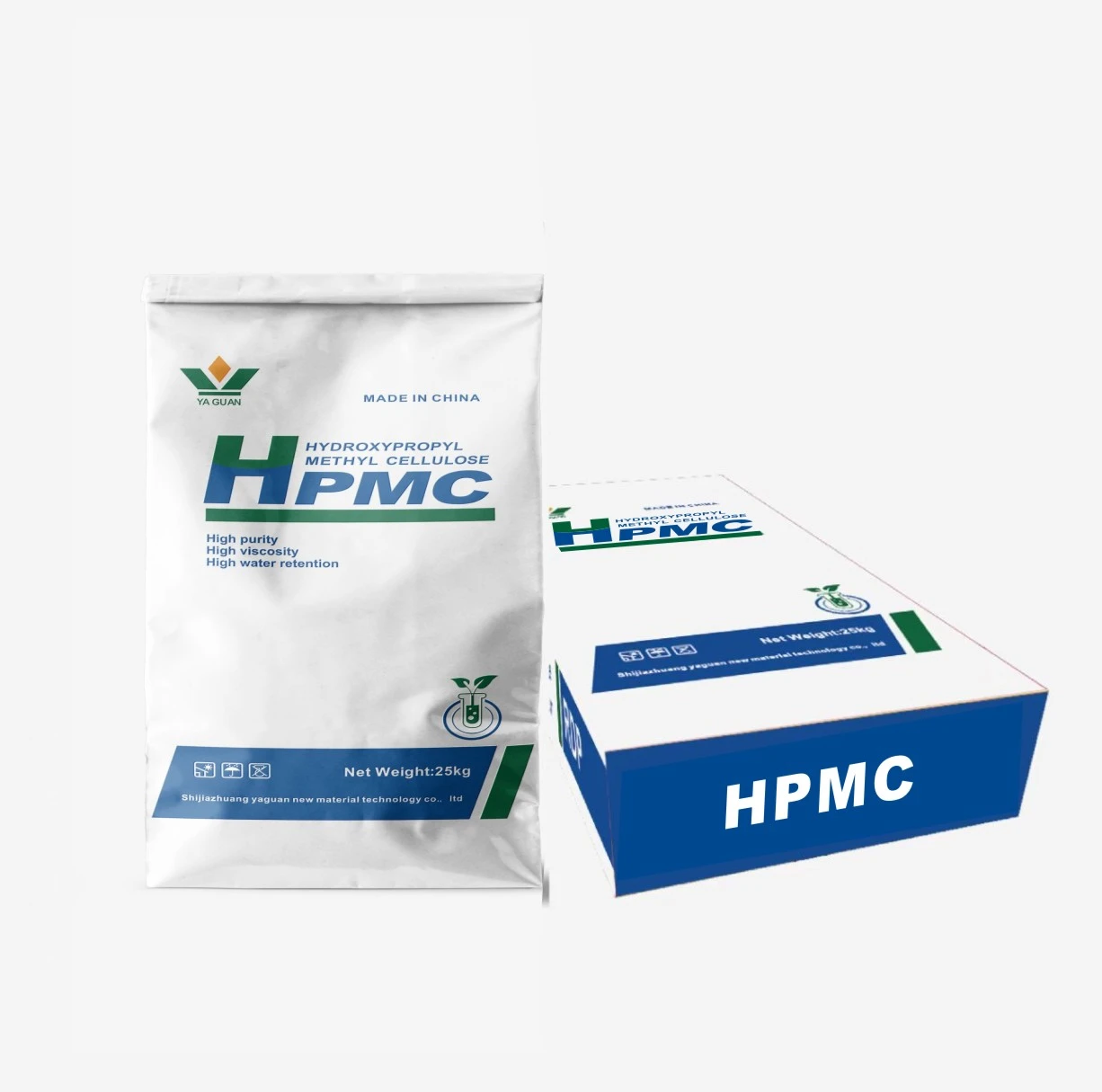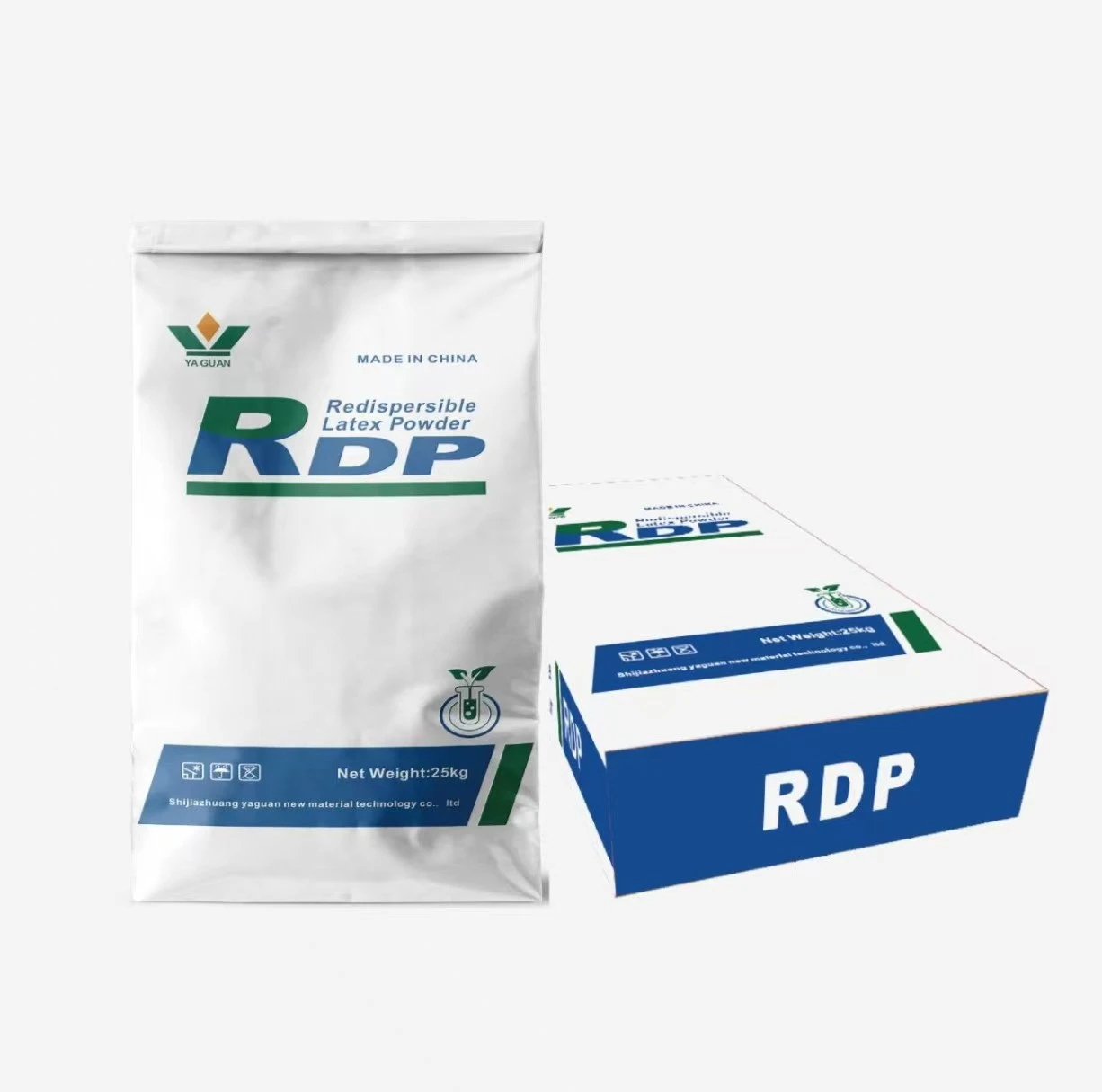

Understanding the Applications of Redispersible Polymer Powder: Why It Matters Globally
At first glance, redispersible polymer powder might sound like a mouthful of chemical jargon. But—oddly enough—it’s a game changer in construction, renovation, and even humanitarian aid worldwide. Its wide-ranging applications of redispersible polymer powder touch everything from waterproof coatings to flexible mortars, effectively bridging a gap between durability and sustainability.
Globally, industries strive for materials that address real challenges: climate resilience, rapid urbanization, and sustainable construction practices. Redispersible polymer powders are stepping up to these demands. Their versatility and long-term performance offer solutions that cut costs, reduce waste, and enhance reliability. Which is why understanding their applications today isn’t just for chemical engineers—it matters to manufacturers, architects, NGOs, and policymakers alike.
A Global Perspective: Why the Applications of Redispersible Polymer Powder Are Crucial Today
As the UN and ISO urge sustainable industrial development, the building sector faces immense pressures. According to the UN Environment Programme, the construction industry consumes about 36% of global energy and causes nearly 40% of CO2 emissions. Checking these impacts requires fresh materials and smarter techniques. Redispersible polymer powders fit neatly into this puzzle.
These powders—modified polymers processed into dry powders—can blend into cement or mortar to enhance properties like adhesion, flexibility, and water resistance without compromising sustainability. But the real challenge emerges in areas hit by natural disasters or with limited resources, where quick, durable repairs are crucial. That’s where this material truly shines.
What Exactly Are Applications of Redispersible Polymer Powder?
Simply put, applications of redispersible polymer powder refer to the various uses of this dry polymer additive in construction materials. When mixed with water, these powders redisperse into latex-like solutions improving the mechanical properties of cementitious products.
They contribute to improved bond strength, flexibility, and resistance to cracking—making cement-based products less brittle. These qualities find favor in modern construction, restoration, and industrial maintenance, enhancing the longevity and utility of products.
Core Components That Define Its Use
1. Durability
The powder significantly improves the durability of mortars and plasters, which is why it's preferred in climates with temperature fluctuations or exposure to moisture. Many engineers say redispersible powders help concrete resist freeze-thaw cycles and chemical attacks better than standard mixes.
2. Adhesion and Flexibility
In real terms, the adhesive quality is a lifeline for tile adhesives and repair mortars, allowing them to cling well even on challenging surfaces. Flexibility is key for avoiding cracks when substrates move or settle.
3. Workability and Application Ease
Adding the powder improves workability, allowing smoother application for plaster, renders, or joint fillers. It essentially makes the products easier for workers, reducing waste and labor time.
4. Cost Efficiency
Although it adds some upfront cost, the improvements in product lifespan, lower maintenance needs, and enhanced performance translate into savings—a classic case of investing a little to save a lot.
5. Environmental Compatibility
Interestingly, many new powders come with formulations aimed at reducing VOC emissions and easing recycling or disposal efforts, aligning with industry pushes toward greener construction.
Mini Takeaway:
The versatility of redispersible polymer powder hinges on durability, adhesion, workability, cost-efficiency, and environmental friendliness—building blocks that tailor it for global demand.
Global Applications and Use Cases: From Construction Sites to Disaster Zones
The practical applications span continents and industries. You might not even notice them daily, but polymers in powders reinforce everything from Scandinavian apartment blocks to infrastructure projects in Southeast Asia. Here are some typical examples:
- Tile Adhesives and Grouts: Key in Europe, where precise, resilient finishes meet aesthetic demands.
- Rendering and Plastering Mortars: Widely used in the Middle East and North Africa for weather-resistant facades.
- Waterproofing Systems: In coastal regions like Japan, powders boost protective membranes against humidity and salt damage.
- Repair Mortars: In post-disaster relief operations (think earthquake-hit zones), rapid application materials containing these powders enable quick stabilization.
- Industrial Flooring: In mining and manufacturing plants all over Australia and Latin America, powders toughen floors where abrasion and chemical exposure are fierce.
Oddly enough, even space technology sectors investigate redispersible polymers for lightweight, resilient layers.
| Feature | Typical Value | Unit |
|---|---|---|
| Particle Size | 10 - 50 | Microns |
| Bulk Density | 350 - 400 | kg/m³ |
| Glass Transition Temperature | ~45 | °C |
| Water Absorption | % | |
| Recommended Dosage | 2 - 5 | % by weight |
Advantages & Long-Term Value: Why Choosing Redispersible Polymer Powder Pays Off
The tangible benefits are many, but I find it’s the emotional angle that often seals the deal—knowing a building or repair can withstand the test of time (and sometimes nature’s fury) offers peace of mind to owners and occupants alike.
- Cost Savings: Lower lifecycle costs are a clear winner. Less cracking means fewer repairs, so funds aren’t endlessly drained.
- Sustainability: Lower energy inputs and enhanced material longevity align with global climate goals. It’s sort of future-proofing at a chemical level.
- Safety & Comfort: Improved adhesion and crack resistance prevent structural failures, providing not just safety but dignity.
- Innovation & Trust: Builders rely more on products incorporating these powders because the data backs up their promises—innovation that’s grounded, not just hype.
- Social Impact: In humanitarian contexts, reliable construction materials aid quicker recovery and better living conditions post-crisis.
Future Trends and Innovations in the Use of Redispersible Polymer Powder
The field is evolving. Developers increasingly focus on bio-based polymer powders to reduce reliance on petrochemicals. Automation and digital formulations mean powders can now be tailored to micro-needs of the site or climate—sort of a smart material approach.
Then there’s the sustainability push: the European Green Deal and other global policies aim to make products as circular as possible. So expect powders with easier recyclability or lower environmental footprints becoming industry norms.
Challenges & Practical Solutions
Despite their potential, challenges persist. Variability in powder quality can affect consistency, and improper dosage may lead to undesired results. Local sourcing is sometimes limited, rising logistics costs.
To tackle this, many manufacturers provide clear data sheets and mixing instructions. R&D efforts focus on stabilizing powder quality and enhancing shelf life. Meanwhile, some regions are investing in local production facilities to reduce supply chain stress.
Vendor Comparison Table: Choosing the Right Redispersible Polymer Powder Provider
| Vendor | Product Range | Quality Certifications | Price Range | Global Delivery |
|---|---|---|---|---|
| PolyChem Solutions | Standard & Specialty Powders | ISO 9001, REACH | $$ | Yes |
| BuildFlex Materials | Eco-Friendly Line | ISO 14001, LEED Compatible | $$$ | Limited |
| NovaPolymers | Custom Formulations | ISO 9001, FDA Approved (for niche) | $$$$ | Yes |
Frequently Asked Questions About Applications of Redispersible Polymer Powder
1. How does redispersible polymer powder improve waterproofing systems?
When added to cement or mortar, the powder enhances adhesion and flexibility, creating a denser, crack-resistant waterproof layer. This translates into long-term protection against moisture ingress, especially in critical facades and basements.
2. Can these powders be used in cold climates without performance loss?
Yes, many redispersible polymer powders are designed to improve freeze-thaw durability. By increasing flexibility and reducing cracking, they help materials withstand harsh winter conditions effectively.
3. What is the typical shelf life of redispersible polymer powder?
Generally, the shelf life ranges from 6 months up to a year if stored in dry, sealed containers. Proper storage is essential to retain quality and performance.
4. Are redispersible polymer powders environmentally safe?
Many modern products comply with environmental standards such as REACH and have low VOC emissions. Still, their environmental impact depends on formulation and use context—consult suppliers for eco-certificates.
5. How do I get started incorporating these powders into my products?
First, identify the application and desired performance gains, then select a powder type accordingly. Testing small batches under real conditions is normal. Many suppliers provide technical support to ease onboarding.
Wrapping Up: Why the Industry Should Care About Applications of Redispersible Polymer Powder
Applications of redispersible polymer powder are no longer niche—they’re central to building better, safer, and more sustainable infrastructure globally. Whether it's tightening waterproofing, making mortars more reliable under stress, or speeding recovery in disaster zones, the role these powders play is quietly transformative.
If you're in construction, renovation, or material manufacturing, understanding and integrating these powders can drive innovation and add real value—not just for your bottom line, but for communities and the planet. Curious to explore more or get technical advice? Make sure to visit our website for detailed specs and expert support.