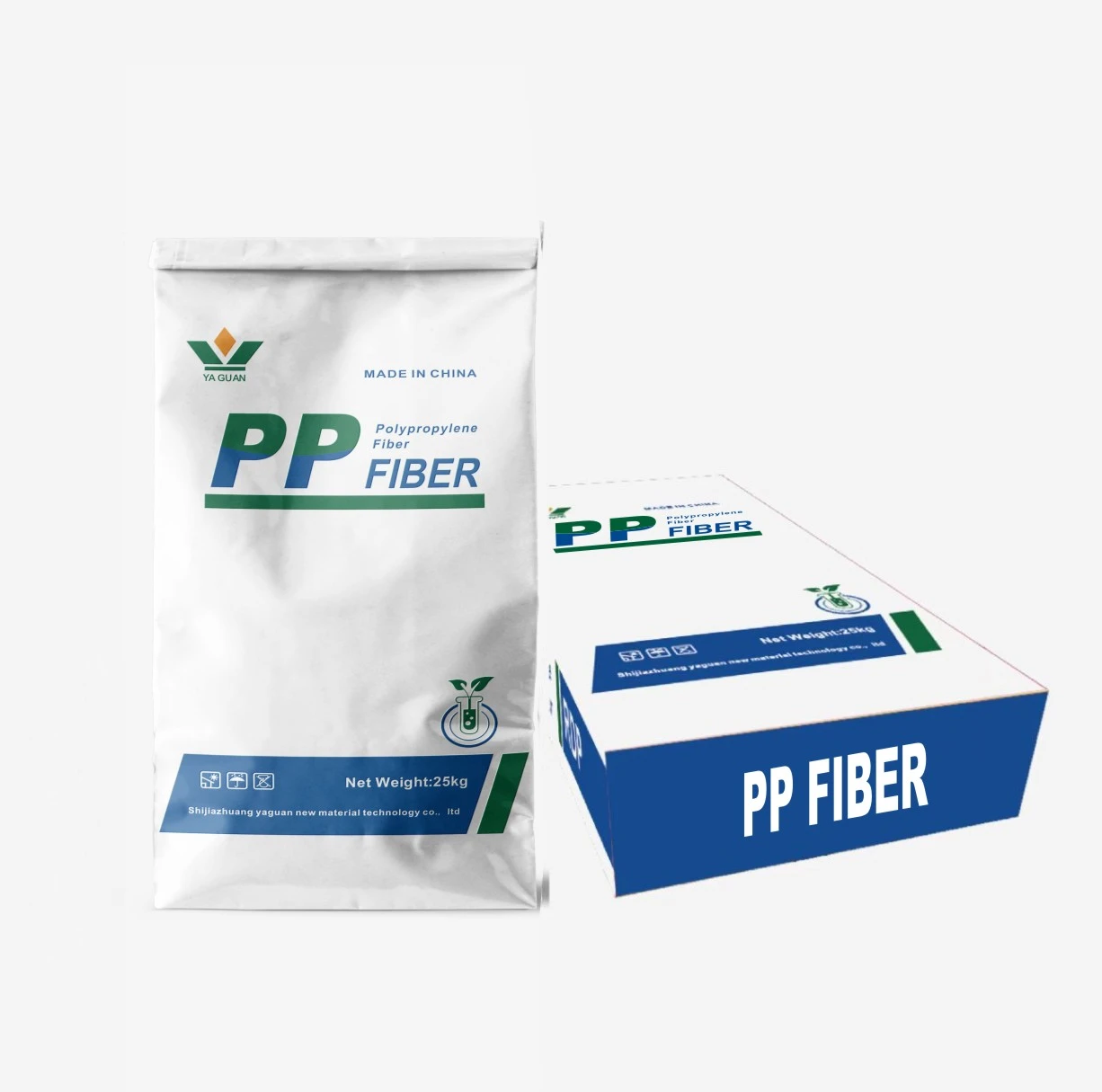

Redispersible Polymer Powder Wikipedia: Why It Matters Globally
If you've ever peeked into the world of construction additives or modern cement technologies, you might have come across the term redispersible polymer powder. It sounds a bit of a mouthful, sure — but understanding what this powder is, why it’s gaining traction worldwide, and how it benefits the industry can be surprisingly insightful. Globally, the construction sector—and many allied industries—are looking for materials that boost durability, improve workability, and lower costs while aligning with sustainability goals. Redispersible polymer powders, in that sense, embody one of those quietly powerful innovations shaping modern infrastructure.
The Global Context: Construction Meets Innovation
To put it lightly, the world is building at an unprecedented pace. According to the United Nations, by 2030, roughly 60% of the world’s population will live in urban areas—a big jump from today’s 56%. That challenges industries to create longer-lasting, more sustainable buildings, faster and smarter. This is where materials like redispersible polymer powders become crucial. Especially relevant in developing regions or post-disaster rebuilding zones, these powders address practical challenges: they improve adhesion properties of mortars and plasters, enhance crack resistance, and sustain water retention in cement mixtures.
The redispersible polymer powder wikipedia entry underscores how polymer powders are more than just ingredients; they are key to resilient construction systems worldwide. Add to this the global drive by ISO standards for improved material performance and you quickly see why the topic isn’t just technical jargon but a real-world necessity.
Mini takeaway: The surge in urban growth demands smarter materials that last longer and perform better. Redispersible polymer powders tick many of those boxes.
What Exactly Is Redispersible Polymer Powder?
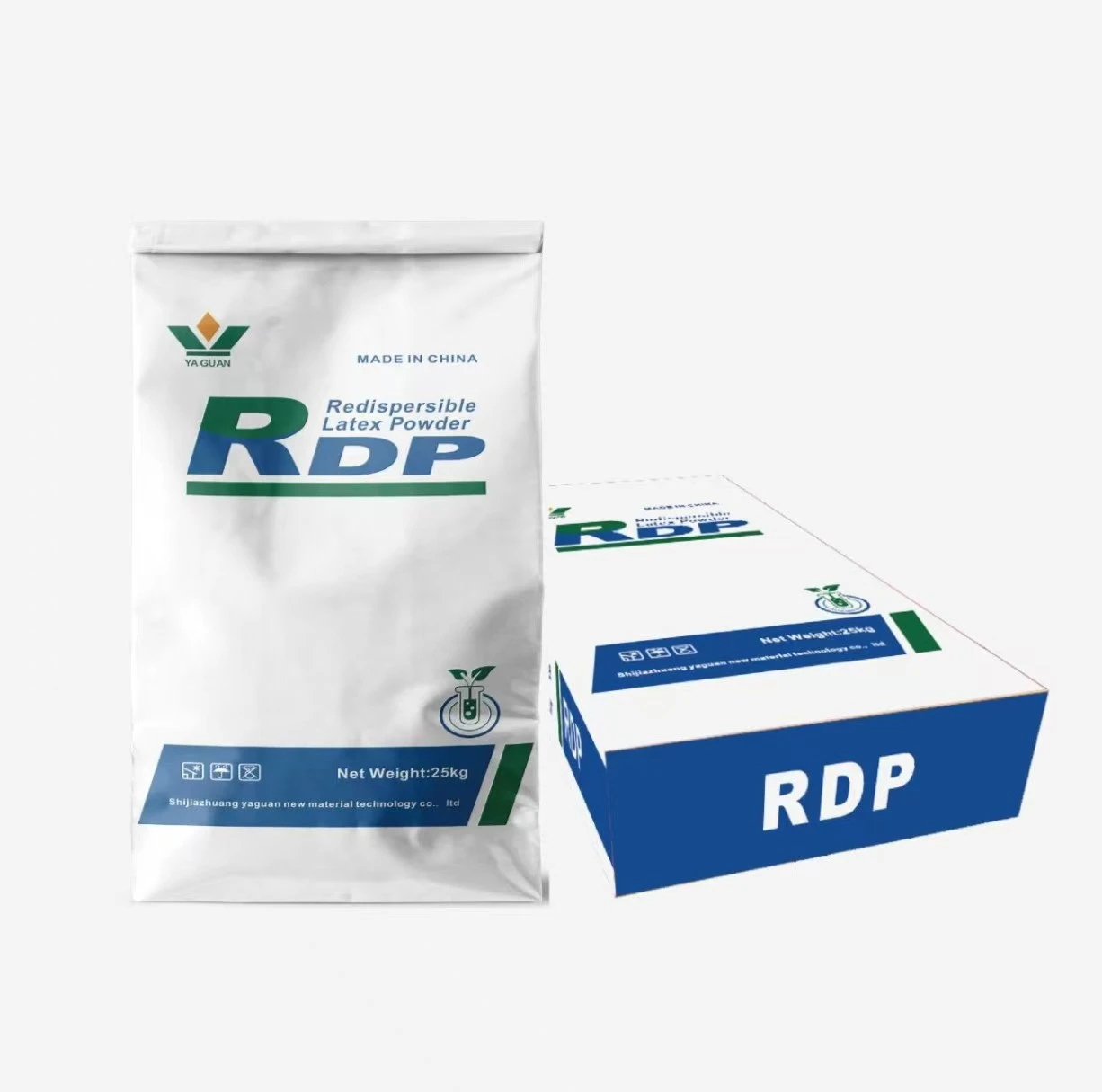
In simple terms, redispersible polymer powder (RPP) is a dry powder obtained by spray-drying polymer emulsions, which can be reconstituted with water to yield a polymer dispersion. It’s used to modify cement-based materials like mortars, tiling adhesives, and renders. When added, these powders enhance flexibility, adhesion, and water retention—attributes that cement alone can struggle with.
Oddly enough, without RPPs, many modern lightweight plasters or tile adhesives wouldn’t stick or survive the environmental strains we expect them to. Think about humanitarian scenarios—where quick, reliable shelter repair can make a world of difference. The powders improve workability so that mixes can be applied rapidly yet hold their strength after drying—a saving grace when time and reliability count.
redispersible polymer powder wikipedia even traces the chemistry and manufacturing, which connect it deeply to industries ranging from building to adhesives and sealants. It’s a small ingredient with a surprisingly broad impact.
Core Components and Critical Factors
1. Durability
Polymer powders significantly improve the durability of mortar by enhancing resistance to mechanical wear and water ingress. This prolongs the lifespan of structures, especially in harsh climates.
2. Elasticity and Flexibility
Cement mortars can be brittle. RPPs introduce flexibility to accommodate slight movements or thermal expansion, which reduces cracking—one of the leading causes of structural failure.
3. Water Retention
Proper hydration is critical for cement strength development. Redispersible polymer powders help retain water inside the material, ensuring optimal curing and reducing shrinkage.
4. Adhesion Improvement
These powders improve bonding between cementitious layers and substrates, critical for coatings, tile fixing, and repair mortars. Improved adhesion translates into fewer failures and better overall performance.
5. Process Scalability
RPPs are highly adaptable for both small- and large-scale operations, making them ideal for different market needs—from mass housing projects in Asia to bespoke repair works in Europe.
Mini takeaway: Redispersible polymer powder’s magic lies in the balance: strengthening yet flexible, moisture-retentive yet breathable.
Applications Around the Globe: Real-World Impact
The usefulness of redispersible polymer powders stretches across continents and industries. Here are a few examples:
- Post-disaster relief operations: Quick-setting repair mortars with RPPs enable faster rebuilding after earthquakes or floods.
- Industrial construction: In regions like the Middle East, polymer-modified screeds help withstand extreme temperature swings.
- Infrastructure maintenance: Roads and bridges benefit from flexible concrete mixes incorporating RPPs, improving wear resistance.
- Residential and commercial buildings: Tile adhesives and plasters everywhere use polymer powders to meet modern aesthetic and durability demands.
Interestingly, organizations such as the World Bank encourage polymer-modified materials in sustainable urban infrastructure projects, emphasizing their role worldwide. From Singapore’s urban developments—even to African rural housing programs, redispersible polymer powders are quietly in the mix.
Redispersible Polymer Powder Technical Specifications
| Specification | Typical Value | Unit |
|---|---|---|
| Polymer Type | VA/VeoVa Copolymer | |
| Particle Size | 15–25 | µm |
| Solid Content | 90 ± 2 | % |
| Density | 500–600 | kg/m³ |
| pH | 7–9 |
Comparing Leading Vendors of Redispersible Polymer Powder
| Vendor | Product Range | Average Price (USD/ton) | Special Features |
|---|---|---|---|
| Yaguan HPMC | VA/VeoVa Copolymers, Acrylics | 1,200–1,500 | High purity, customizable particle sizes |
| BASF | Styrene-Butadiene, Acrylic | 1,300–1,600 | Wide global availability, eco-certified |
| Dow Chemical | Vinyl Acetate, Acrylic | 1,100–1,400 | Focus on energy-efficient production |
Advantages and Long-Term Value
There’s something reassuring about materials with longevity, especially when they’re used to build homes, hospitals, or schools. Polymer powders add value beyond just physical enhancements. They reduce repair costs in the long run, improve safety by minimizing cracking and moisture ingress, and even raise the bar on environmental standards by enabling lower cement use—a major carbon culprit.
Frankly, the emotional lift can’t be ignored either—knowing a building will withstand both time and weather adds a sense of certainty and trust in construction projects. For clients and engineers alike, that translates into less rework, fewer worries, and a stronger stake in sustainability.
What’s Next? Future Trends and Innovations
The journey isn’t over. Industry insiders are increasingly blending polymer powders with nanomaterials, or tweaking formulations to be bio-based or fully recyclable. There’s a growing push to optimize RPPs for digital construction techniques, including 3D printing cementitious materials. In green building and circular economy scenarios, next-gen redispersible powders might reduce waste or lower energy consumption during manufacturing—aligning perfectly with wider sustainability mandates.
Challenges and How We’re Fixing Them
No innovation comes without hurdles. RPPs can sometimes add to overall material costs or complicate mix design due to sensitivity in different cement types and climate conditions. However, manufacturers are developing tailored grades and modular testing kits to help contractors adopt powders with confidence. Additionally, R&D efforts target improving biodegradability and reducing volatile emissions from polymer components.
FAQ: Answers to Common Questions About Redispersible Polymer Powder
- Q: How does redispersible polymer powder improve tile adhesive strength?
A: The powders act as a binder enhancer, increasing adhesive elasticity and bond with tiles and substrates. This reduces delamination risk, especially under thermal stress or moisture exposure. - Q: Can RPPs be used in both indoor and outdoor applications?
A: Absolutely. They improve durability and water resistance, making them suitable for various environments, though formulations may vary slightly to optimize performance. - Q: Are polymer powders eco-friendly?
A: Many modern RPPs are designed with sustainability in mind. Some manufacturers use bio-based polymers and energy-efficient production methods, lowering carbon footprint. - Q: What is the ideal storage condition for RPPs?
A: Store in a dry, cool environment, sealed in moisture-proof bags, to maintain powder quality and prevent caking or degradation.
Wrapping It Up
Understanding the redispersible polymer powder wikipedia story helps connect the dots between raw chemistry and real-world impact—from towering urban skylines to the humble repair job after a flood. It’s one of those techy advances that quietly underpins safer, longer-lasting construction around the globe.
Wondering how to tap into this? Visit our website for detailed product information, customization options, and expert advice on selecting the right polymer powder for your project.
References:
- United Nations, World Urbanization Prospects, 2018
- Redispersible polymer powder - Wikipedia
- ISO 13007 - Adhesives for ceramics tiles and concrete additions