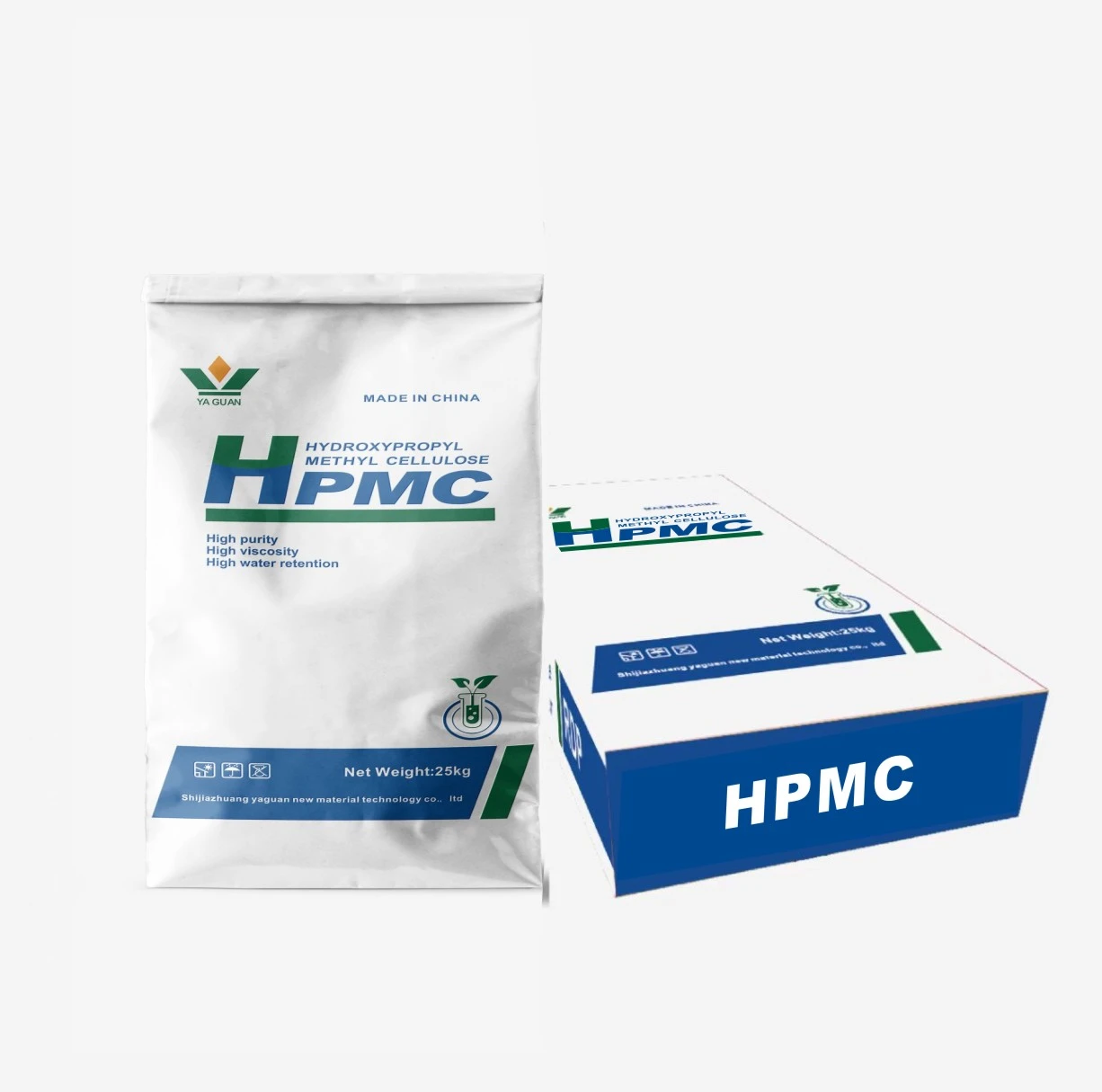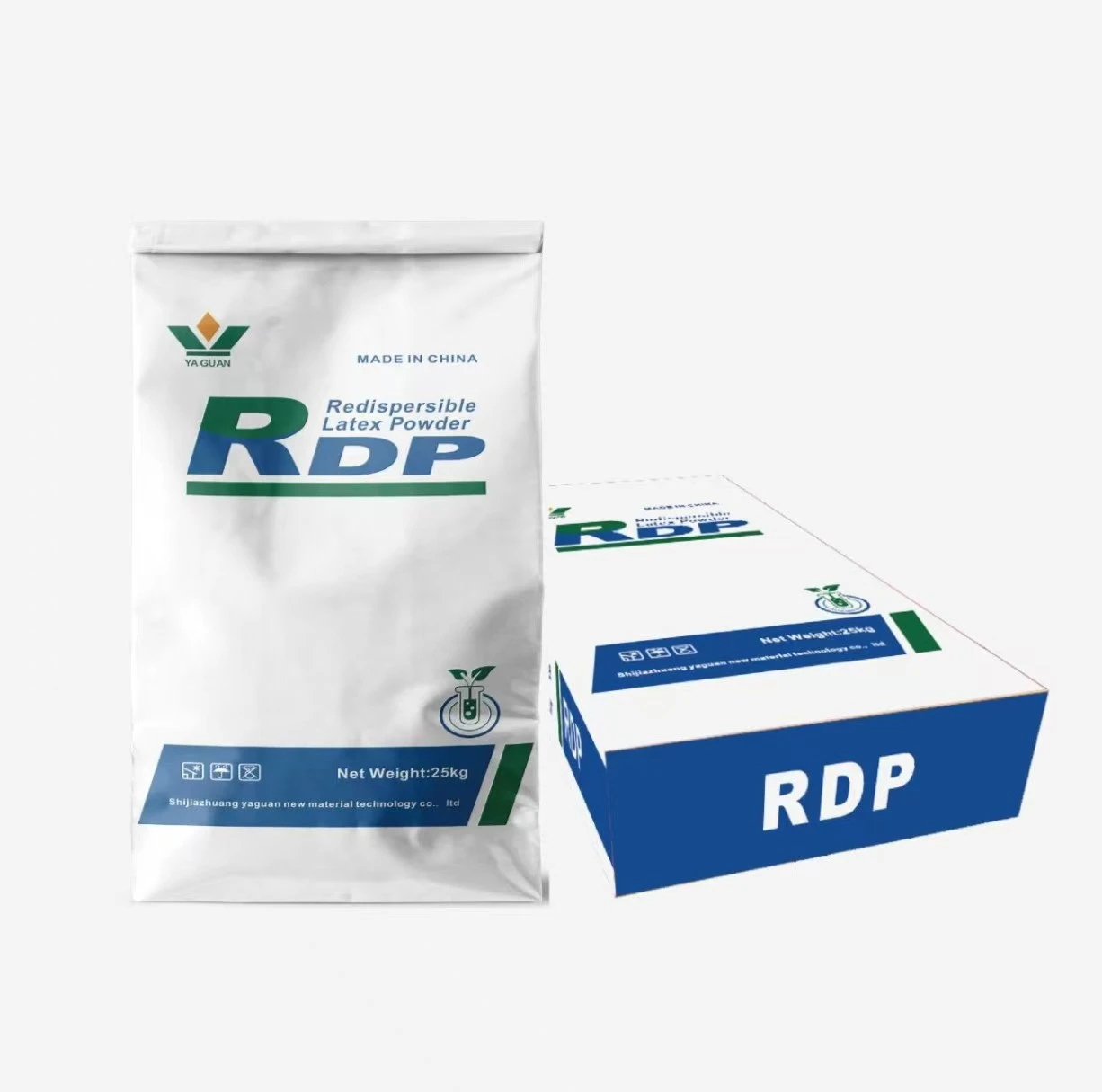

Understanding Redispersible Powder Uses: Why It Matters Today
In a world constantly pushing towards better construction materials and sustainable industrial practices, redispersible powder uses have quietly become a global game changer. They may not be the star of dinner conversations — unless you happen to be a materials engineer or a disaster relief planner — but their impact reaches far and wide. From enhanced building durability to humanitarian aid in disaster zones, grasping what redispersible powders can do gives you a peek into how modern materials science supports resilience and efficiency.
At its core, understanding redispersible powder uses means appreciating a clever blend of chemistry and practical engineering that underpins quality construction, repair processes, and even industrial coatings. Given the UN’s data on global urbanization — with nearly 70% of the world’s population expected to live in cities by 2050 — the demand for reliable, easy-to-use, and long-lasting construction materials is only growing. The key benefits of diving into this topic: sustainability, cost-effectiveness, and adaptability to diverse environments.
The Global Spotlight: How Redispersible Powder Fits Industry Challenges
Stark realities confront global construction and repair industries: material waste, environmental sustainability, and rapid response to infrastructure failures are ever-present challenges. The International Organization for Standardization (ISO) highlights the growing need for materials that not only perform well but also reduce environmental footprints.
In many regions — from developing urban centers in Southeast Asia to remote industrial outposts in Africa — construction materials must be versatile and store well without losing efficacy. This is where redispersible powders come into play. They tackle the problem of stability and usability, especially in applications like mortar, adhesives, and coatings, where water reactivation is critical. Oddly enough, they’re almost like the secret superheroes that keep walls standing and repairs doable under less-than-ideal conditions.
What Are Redispersible Powders? A Quick Definition
Put simply, redispersible powders are dry powders made by dehydrating polymer emulsions, which can then be mixed with water to recreate a liquid adhesive or binder. Think of them as powders that "come back to life" when stirred in water — hence “redisperse.” This property is invaluable in modern industries, particularly construction and repair, where they enhance the bonding, flexibility, and durability of cementitious products.
More than just chemistry, their uses branch into humanitarian relief shelters, waterproofing, tile adhesives, even industrial floor coatings. When a disaster strikes, mixing a redispersible powder-based mortar means faster deployment of sturdy shelters or quicker restoration of damaged infrastructures. This dual role, practical and emergency-care, reflects why it’s such a crucial material.
Core Components Defining Redispersible Powder Effectiveness
1. Durability
Many engineers say durability is the top priority. Redispersible powders improve tensile strength and crack resistance in mortars, making buildings more resilient to wear and weather fluctuations. This means longer lifespans for structures.
2. Water Retention and Workability
Powders enhance moisture control during mortar curing, allowing better hydration of cement. The result? Smoother application and fewer failures during drying or freeze-thaw cycles.
3. Flexibility
In regions prone to seismic activity or thermal expansion, flexibility isn’t a luxury — it’s essential. Redispersible powders help materials maintain adhesion even under movement, preventing cracks or delamination.
4. Compatibility with Diverse Substrates
Whether it’s concrete, brick, or wooden substrates, these powders adapt well. Their chemical makeup ensures broad usability, a big plus in varied construction projects.
5. Storage Stability and Shelf Life
Being dry powders, they store better than liquid polymers without degrading. For industries working with limited cold-chain logistics, this property ensures readiness and reduces operational costs.
Mini Takeaway:
In real terms, these factors combine to make redispersible powders indispensable for quality, reliability, and flexibility in global construction markets.
Real-World Applications: Where and How They Matter
From a bird’s eye view, redispersible powder uses stretch across a spectrum of industries and geographies.
- Construction and Tiling: In Europe and Asia, tile adhesives and dry mortars containing these powders improve bonding strength on floors and walls, even in humid environments.
- Post-Disaster Relief: Organizations like the Red Cross rely on pre-mixed, redispersible powder-enhanced mortars for quick construction of emergency shelters in Africa and South America.
- Industrial Flooring: Factories and warehouses use coatings enriched with redispersible powders for crack-resistant and chemically resistant surfaces, especially in heavy-use areas.
- Waterproofing Solutions: Used extensively in waterproof renders or plasters, these powders help seal buildings in monsoon-prone regions, assisting millions to keep dry across Southeast Asia.
Product Specification Table
| Parameter | Common Range/Value | Notes |
|---|---|---|
| Polymer Type | Vinyl acetate-ethylene (VAE) | Most common for cement compatibility |
| Particle Size | 5–50 µm | Affects redispersion speed |
| Redispersion Ratio | >98% | Indicates efficient rehydration |
| Bulk Density | 350–500 g/L | Affects storage and transport |
| Shelf Life | 12–24 months | When stored properly, dry |
Advantages and the Long-Term Value of Redispersible Powders
Let’s be honest: factors like cost-saving and sustainability often get spoken about like they’re distant buzzwords. But here, the advantages of redispersible powders are quite tangible.
First up, durability translates to reduced maintenance costs. A building that cracks less means fewer repairs and longer intervals before retrofits. Then there’s sustainability: by enhancing adhesion and water retention, these powders support formulations that use less cement, therefore lowering CO2 emissions — a big win given that cement production accounts for roughly 8% of global CO2 emissions according to the International Energy Agency.
Emotionally, imagine the reassurance of having safer, more reliable shelters after a flood. This kind of trust in materials leads to social uplift, community resilience, and innovation momentum.
Looking Ahead: Future Trends and Innovations in Redispersible Powders
Future developments are fascinating. Researchers explore bio-based polymers to make redispersible powders even greener, aligning with circular economy principles. Digital transformation promises smarter quality control—think blockchain traceability of polymer batches or AI-enhanced particle design for optimal dispersibility.
Automation in manufacturing is also lowering costs and increasing consistency, which means more markets globally can access high-quality redispersible powders. Finally, there’s a growing push for integration with energy-efficient building protocols, ensuring materials contribute to net-zero goals.
Challenges and How Experts Are Tackling Them
Despite their many benefits, redispersible powders are not without downsides. Handling inconsistencies and environmental sensitivity during application still pose hurdles. A common complaint is limited performance when mixed with low-quality water, which affects redispersion.
Experts recommend rigorous raw material screening and blending powders with additives that stabilize the polymer dispersion. On the logistics side, improved packaging technology helps maintain powder integrity in humid climates.
Common Questions About Redispersible Powder Uses
- Q1: How does redispersible powder improve tile adhesive performance?
- A1: Redispersible powders enhance adhesive flexibility, water retention, and bonding strength, allowing tiles to stay firmly fixed even under thermal stress and humidity fluctuations.
- Q2: Can redispersible powders be used in cold climates?
- A2: Yes, they improve mortar flexibility and freeze-thaw resistance, making them suitable for cold regions where standard mortars might crack.
- Q3: Are there eco-friendly versions of redispersible powders?
- A3: Increasingly, yes—manufacturers are developing bio-based polymer powders that reduce fossil fuel dependence, aligning with sustainability goals.
- Q4: What’s the typical shelf life of these powders?
- A4: When stored correctly in dry conditions, most redispersible powders have a shelf life between 12 and 24 months without significant performance loss.
- Q5: How do I choose among suppliers?
- A5: Consider factors like polymer type, particle size, price, and delivery reliability—plus, supplier certification and technical support are vital for ensuring quality application.
Vendor Comparison Table
| Vendor | Polymer Types | Bulk Density (g/L) | Typical Shelf Life | Price Range (per ton) |
|---|---|---|---|---|
| Polychem Ltd. | VAE, EVA | 400–450 | 18 months | $2,200–$2,500 |
| BuildTech Polymers | VAE only | 370–430 | 24 months | $2,100–$2,400 |
| EcoPoly Solutions | Bio-based polymer blends | 350–400 | 12 months | $2,500–$2,800 |
Wrapping Up: Why Redispersible Powders Deserve Your Attention
Redispersible powder uses may sound like a niche corner of material science, but their reach is genuinely global and varied. From empowering construction efficiency to supporting resilient humanitarian aid, these powders play a quietly pivotal role.
As materials innovation zooms onward — greener, smarter, and more adaptive — being ahead of the curve with redispersible powders means staying in sync with a world chasing sustainability, safety, and cost-effectiveness.
Curious to learn more or source your own high-quality materials? Visit our website redispersible powder uses and discover what’s shaping tomorrow’s industry standard.