
The Practical World of Redispersible Polymer Powder Uses
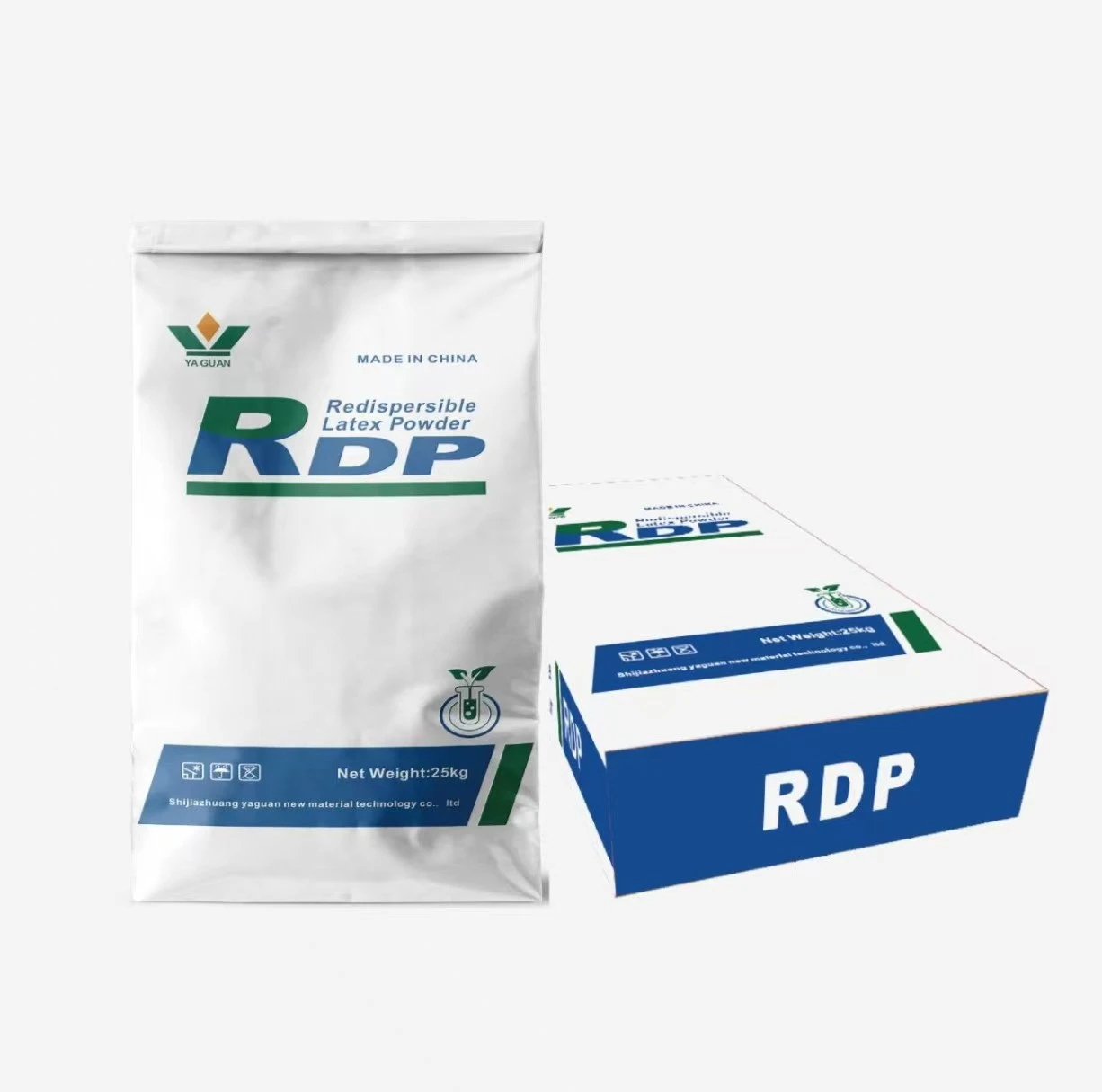
Redispersible polymer powders play a quiet yet transformational role in industries ranging from construction to humanitarian logistics. Though often overlooked outside the technical realm, understanding the essential redispersible polymer powder uses reveals solutions to some surprisingly global challenges. These powders, essentially fine polymer particles that can be reconstituted in water, provide key performance enhancements that matter for durability, sustainability, and ease of deployment — whether in building materials or specialized coating systems.
Why Should We Care? The Global Context of Polymer Powder Applications
Globally, construction and repair materials consume significant resources and demand increasing innovation. According to the United Nations Environment Programme (UNEP), the construction sector contributes to nearly 40% of global greenhouse gas emissions. Innovations like redispersible polymer powders are crucial to making building materials more durable and eco-friendly. It’s not just static; the World Bank highlights that resilience in infrastructure is critical in rapidly urbanizing areas vulnerable to climate change. Polymer powders help meet these twin challenges: enhancing material performance while easing field application.
Imagine post-disaster scenarios where fast, reliable reconstruction is vital, or remote industrial zones where supply chains are tenuous. The use of redispersible polymer powders addresses such real-world difficulties by improving mortar adhesiveness, water retention, and flexibility.
Breaking Down Redispersible Polymer Powder Uses
So, what exactly are we talking about here? At their core, redispersible polymer powders are dry polymers that, once added back into water, regain their adhesive or elastic properties. They’re basically dried latex powders that go back to being flexible binders when mixed in cement or plaster.
This means they’re indispensable in modern construction additives, enabling better workability and long-term durability. Their uses also ripple into areas like tile adhesives, self-leveling compounds, and waterproofing membranes. Technically, their versatility comes from how well they bond with mineral components while enhancing flexibility.
On a humanitarian note, these powders’ lightweight and shelf-stable nature helps NGOs stockpile and deploy improved construction materials in disaster zones without worrying about spoilage.
Key Components That Define Performance
1. Durability Enhancement
Redispersible powders improve the toughness of cementitious mixes — meaning crack resistance and long-term performance can be significantly boosted. Many engineers note that this drastically reduces maintenance needs on infrastructure, which is essential in harsh environments.
2. Water Retention & Workability
One of the more subtle benefits is improved water retention during curing. This prevents premature drying and leads to stronger final products. From an applicator’s perspective, better workability means reduced labor and less waste.
3. Adhesive Strength
These powders help bind tile adhesives and renders more reliably to substrates. That is particularly critical for lightweight boards or surfaces prone to vibration.
4. Shelf Stability & Logistics
Unlike liquid polymers, powders are stable over long periods. This simplifies storage and transport — especially in regions where cold chain infrastructure is limited.
5. Cost Efficiency
While adding polymers might sound expensive, their durability benefits translate to a lower total cost of ownership over time.
Mini takeaway: Understanding these core factors helps grasp why redispersible polymer powders aren’t just additives — they’re performance multipliers with global significance.
Global Applications: From Mega Cities to Remote Relief Camps
These polymer powders find their way into countless applications worldwide. For instance:
- Construction industry: Used in plasters and tile adhesives in Europe, North America, and Asia to upgrade quality and compliance with stricter building codes.
- Disaster relief: NGOs utilize pre-packaged mixes containing redispersible powders to quickly rebuild shelters and community infrastructure.
- Industrial zones: Remote factories benefit from repair mortars that can be applied easily with less skilled labor.
A practical example: After a flood in Southeast Asia, aid organizations deployed polymer-enhanced mortar kits that hardened faster and resisted water damage — vital for rebuilding quickly and reliably.
Advantages & The Long Game
Sure, the immediate benefits like improved adhesion and flexibility are obvious, but the long-term advantages should not be underestimated:
- Cost savings: Less frequent repairs and material failures reduce operational expenditure.
- Environmental impact: Enhanced durability means less rework and waste, dovetailing with sustainability goals.
- Social impact: More reliable housing or infrastructure contributes to safety and dignity, especially in vulnerable communities.
- Innovation driving trust: Companies and aid agencies that adopt these materials signal quality and forward-thinking, building stakeholder confidence.
Table: Typical Specifications for Redispersible Polymer Powders
| Property | Typical Range | Notes |
|---|---|---|
| Polymer Type | Vinyl Acetate Ethylene (VAE) | Common base polymer |
| Particle Size (µm) | 10–50 | Affects re-dispersion rate |
| Glass Transition Temperature (Tg) | ~5–15°C | Impacts flexibility |
| Powder Stability (months) | 12–24 | Shelf life at room temp. |
| Redispersion Ratio | >98% | Efficiency of reconstitution |
Emerging Trends and Innovations
The future looks particularly interesting as new formulations lean toward more eco-friendly, bio-based polymers to further reduce carbon footprints. Digital transformation is also beginning to influence quality control with advanced sensors and automated mixing processes ensuring optimal dispersion. Another exciting avenue is integrating polymer powders with self-healing materials, where microcapsules embedded in cement react and repair cracks autonomously.
Green energy initiatives also push the powder suppliers to optimize energy consumption during production.
Common Challenges and Expert Solutions
Like many specialized additives, redispersible polymer powders have their quirks. For example, incomplete dispersion in the mix can cause performance inconsistency. Experts recommend careful formulation tuning and on-site mixing procedures to mitigate this. Cost concerns remain, especially in developing markets, but improved polymer efficiency and scaling of production methods are gradually lowering price barriers.
Also, there’s the environmental aspect — while powders generally help sustainability, their petroleum-based origins prompt research into alternative polymers.
Vendor Comparison Table: Popular Redispersible Polymer Powders
| Brand | Polymer Type | Key Feature | Typical Use | Price Range |
|---|---|---|---|---|
| PolyPowderX | VAE | High flexibility & adhesion | Tile adhesive, mortar | Mid-range |
| EcoRedisp | Bio-based acrylic | Sustainable, low VOC | Plaster, waterproofing | Premium |
| MasterRedisperse | VAE/SBR blend | Enhanced water retention | Cement repair, leveling | Mid to high |
FAQ: Your Questions About Redispersible Polymer Powder Uses
Q1: How does redispersible polymer powder improve tile adhesive performance?
A1: It adds flexibility and stronger bond adhesion, reducing tile detachment and cracking over time. Also helps maintain workability during application, leading to fewer installation errors.
Q2: Can these powders be used in cold climates?
A2: Absolutely. Many polymer powders have tailored glass transition temperatures to maintain flexibility even in near-freezing conditions, ensuring durable bonds.
Q3: Are redispersible polymer powders eco-friendly?
A3: While traditionally petrochemical-based, newer bio-based variants improve sustainability. Their contribution to reducing material waste and extending lifespan also helps lower overall environmental impact.
Q4: What are the storage requirements for these powders?
A4: They should be stored in dry, cool conditions, typically with a shelf life of 12-24 months. Avoid humidity to maintain redispersion quality.
Q5: How can NGOs efficiently use these powders in disaster zones?
A5: Pre-mixed powder kits that only require water make onsite mixing simple. Their lightweight, stable form allows easier transport in challenging logistics environments.
Conclusion: More Than Just Powder
Redispersible polymer powder uses stretch far beyond mere technical additives; they represent innovation aimed at solving real-world problems practically and sustainably. Whether improving building resilience or expediting relief efforts globally, these powders quietly empower a better future. For anyone working at the intersection of construction, materials science, or humanitarian aid, understanding and leveraging these powders’ virtues could be a genuine game-changer.
If you want to explore applications and sourcing, visit our website: redispersible polymer powder uses.
References: