
Why Redispersible Polymer Powder for Tile Adhesive Matters Worldwide
At first glance, the phrase redispersible polymer powder for tile adhesive might sound like industry jargon – a mouthful best left to chemists or construction pros. But if you ever wondered how modern buildings keep tiles firmly in place despite temperature swings, moisture, or vibrations, this product quietly plays a leading role. It’s part of a global push towards more durable, environmentally sustainable construction materials that help reduce costly repairs and improve living standards everywhere from city skyscrapers to refugee camps.
According to data from the International Organization for Standardization (ISO) and the World Bank, construction failures due to adhesive failures alone cost billions annually. Advances in polymer powder technology are addressing these gaps with smarter, adaptable solutions.
Understanding Redispersible Polymer Powder for Tile Adhesive
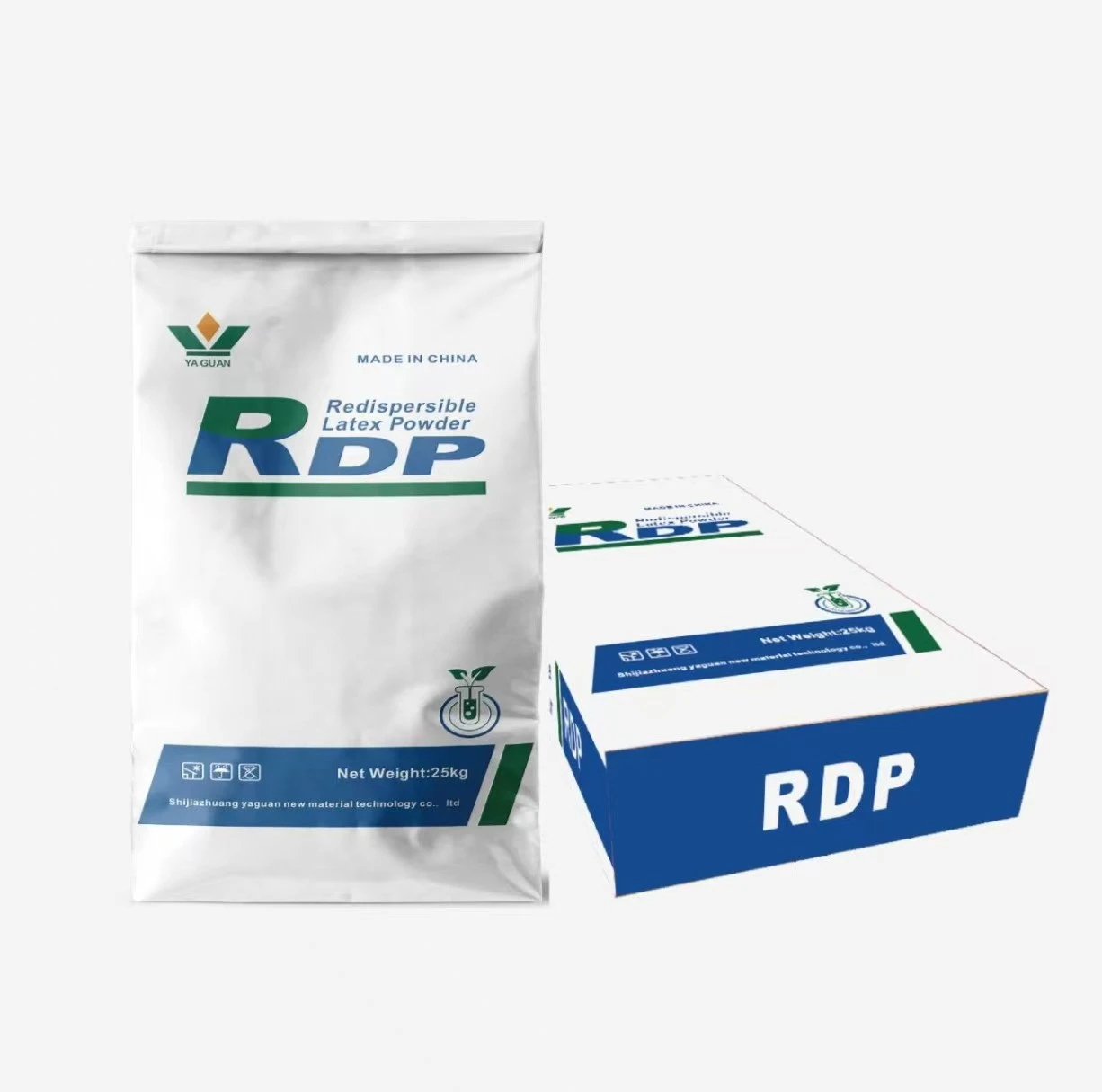
Put simply, redispersible polymer powder for tile adhesive is a dry polymer that, when mixed with water or other compounds, behaves like a liquid polymer binder. It enhances the adhesive properties in dry mortar mixes used to fix tiles on walls, floors, and facades. What makes it special is its ability to redisperse — that is, it turns back into a flexible polymer form during mixing, dramatically improving the bonding strength and flexibility of tile adhesives.
Modern industries rely on it to meet increasingly demanding standards for durability, water resistance, and elasticity. Furthermore, it’s key for humanitarian construction needs, ensuring housing and essential infrastructure hold together in even the harshest environments.
What’s Inside? The Core Ingredients & Features
1. Durability and Flexibility
The polymer powder adds lasting flexibility so tiles don’t crack or separate under stress or minor seismic activity. Many engineers insist this feature extends the lifespan of tiled surfaces by years.
2. Water Resistance
The powder contributes to reducing moisture ingress — a killer of tile adhesives — especially in bathrooms, kitchens, and exterior applications.
3. Ease of Use and Storage
Being in powder form means it’s easy to transport and store without degradation. On-site workers find redispersible powders convenient and less messy compared to liquid additives.
4. Compatibility
Redispersible powders are tailored for use with various cementitious mixes and substrates, making them versatile across different construction systems worldwide.
5. Environmental Impact
Produced with an eye on sustainability, many powders today use greener polymers that help reduce the carbon footprint of tile adhesive products.
| Specification | Value / Range | Notes |
|---|---|---|
| Polymer Type | Vinyl Acetate-Ethylene (VAE) | Most common copolymer |
| Particle Size | 10-50 µm | Fine powder, good dispersion |
| Bulk Density | 350-450 kg/m³ | Affects mixing ratios |
| Water Absorption | Low | Prevents moisture damage |
| Redispersion Rate | >95% | Ensures performance in adhesive mix |
Real-World Impact Across the Globe
Redispersible polymer powder has found its place from bustling urban centers in Europe and Asia to rural infrastructure projects in Africa and Latin America. In post-disaster relief operations, rapid rebuilding often calls for reliable, long-lasting tile adhesive solutions that can withstand environmental stress. For instance, NGOs rebuilding schools and clinics in earthquake-prone zones prefer tile adhesives incorporating these powders for their superior bonding and flexibility.
In industrial settings, such as mining camps in Australia or oil rigs off the coast of Brazil, facilities need durable flooring that resists moisture and wear — again, the qualities that redispersible polymer powders bring to the table.
To zoom out a bit, this technology supports global commitments to better building standards. The UN’s sustainable cities initiative emphasizes materials that improve safety and longevity, exactly where these powders contribute.
Mini takeaway:
Redispersible polymer powder isn't just a fancy ingredient; it’s a silent hero in enhancing construction resilience worldwide.
The Tangible Advantages That Make a Difference
- Cost Efficiency: Fewer repairs and longer tile life mean lifetime savings.
- Sustainability: Helps reduce material waste and carbon emissions via longer-lasting bonds.
- Safety & Trust: Builders and end-users feel more confident in tiled surfaces that don’t fail prematurely.
- Innovation: Encourages formulation improvements driving the entire adhesive industry forward.
What’s Next? Emerging Trends and Innovations
It feels like the construction chemicals field isn’t standing still. Industry insiders talk about “smart” adhesive powders that not only bind but also sense structural shifts or moisture intrusion. Research into green polymer powders harvested from bio-based materials is also picking up pace, geared at cutting down reliance on fossil fuel–derived components.
Digital transformation aids precise dosage and mixing on-site, reducing human error and waste — a quiet revolution with big sustainability dividends.
Facing the Challenges Head-On
Of course, things aren’t perfect. Sometimes powders can lump in storage if moisture sneaks in, and customization for extremely specific substrates still requires lab-level tweaking. Plus, in some areas, high costs and lack of local supply chains limit adoption. That said, expert firms are pioneering moisture-proof packaging and modular production closer to emerging markets to overcome these hurdles.
| Supplier | Product Range | Key Strength | Global Reach | Price Range |
|---|---|---|---|---|
| Yaguan HPMC | Wide (VAE, EVA-based powders) | Consistent quality, custom formulations | Asia, Europe, Americas | Mid-tier |
| BASF | Premium multiple polymer options | R&D driven innovation | Global | High-end |
| Celanese | Specialized copolymers | Technical support | Mostly Americas, Europe | Mid to High |
Frequently Asked Questions About Redispersible Polymer Powder for Tile Adhesive
What makes redispersible polymer powder better than liquid polymer additives?
The powder form offers improved shelf life and stability, reducing risks of premature spoilage or clumping compared to liquids. It’s easier to handle on site and allows precise batching without costly wastage.
Can redispersible polymer powder be used with all tile types?
Generally, yes. These powders enhance adhesives for porcelain, ceramic, natural stone, and even glass tiles by improving flexibility and bond strength. However, formulations may be adjusted for specialty applications.
How does redispersible polymer powder impact the sustainability of tile adhesive?
By increasing durability and reducing failures, these powders lower the frequency of repairs and rework, ultimately conserving resources and energy over the building’s life. New bio-based powders amplify this benefit.
Is it difficult to mix redispersible polymer powder on-site?
Not particularly. The powder reactivates easily when mixed with water and cementitious materials. Proper training ensures uniform dispersion and consistent adhesive performance.
Where can I source high-quality redispersible polymer powder?
Top manufacturers include Yaguan HPMC, BASF, and Celanese. It’s best to check regional distributors or contact manufacturers directly for customized support and pricing.
Wrapping Up: Why Choose Redispersible Polymer Powder for Tile Adhesive?
When you visualize resilient tile installations that stand the test of time, odds are they owe a lot to this clever polymer powder. Its global role in improving durability, sustainability, and cost efficiency underlines why it’s more than just an additive — it’s an enabler of better building futures.
Curious to learn more or ready to source high-grade products? Visit our website for industry-leading redispersible polymer powders and expert advice tailored to your projects.
Quick final thought: sometimes the smallest ingredient makes the biggest difference.
References
- International Organization for Standardization (ISO): Construction Material Standards
- World Bank Data on Construction Impacts
- Wikipedia: Polyvinyl Acetate