
The Subtle Yet Powerful World of HPMC Gel Uses
If you’ve ever wondered about the magic behind smooth textures in pharmaceuticals or the steady hold of a construction material, you’re likely in the presence of HPMC gel uses — a somewhat unsung hero in modern industry. Hydroxypropyl methylcellulose (HPMC) gels have quietly woven themselves into the fabric of manufacturing, medicine, personal care, and even humanitarian aid. Understanding this gel and its applications isn’t just a niche academic whimsy; it matters globally, with implications for sustainable development, innovation, and problem-solving in some of the world’s trickiest environments.
Why HPMC Gel Uses Matter Across The Globe
According to the International Organization for Standardization (ISO) and industry reports, the demand for bio-compatible, cost-effective, and versatile polymers like HPMC is climbing by roughly 5–8% a year worldwide. The gel’s stable and moisture-retaining properties are a crucial answer to challenges in tropical climates, pharmaceutical stability, and even emergency relief scenarios.
But here’s where it’s truly interesting: industries from construction in remote areas, where materials must resist unpredictable humidity, to food and cosmetics requiring gentle yet firm texture, all tap into this material’s unique traits. You might not find HPMC gels in front-page news, but their absence would be felt deeply.
Mini takeaway:
- HPMC gel's global rise aligns with sustainability and innovation demands.
- Its unique physical and chemical stability solves environmental and manufacturing challenges simultaneously.
Defining HPMC Gel Uses in Everyday Terms
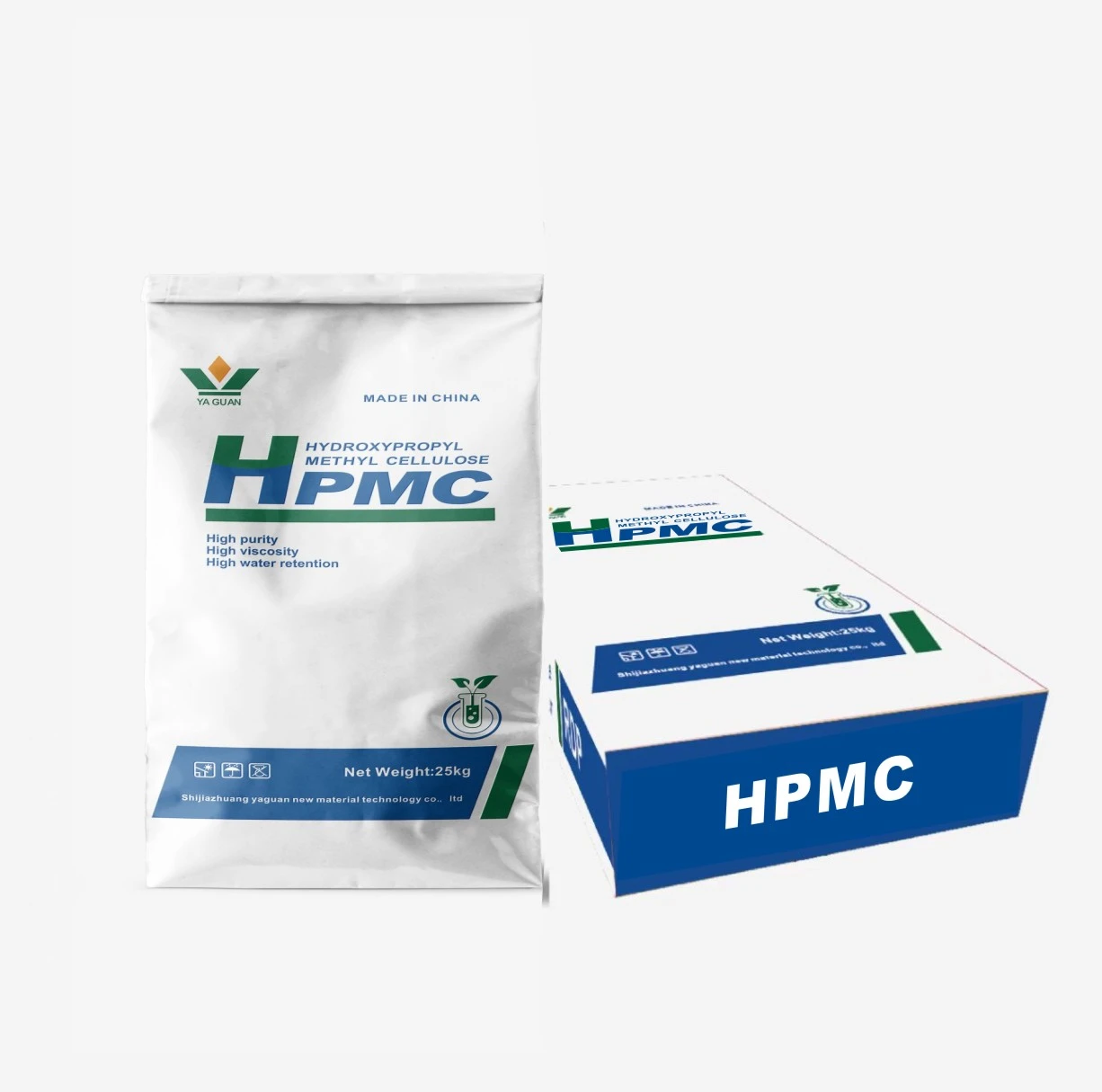
So what exactly are hpmc gel uses? Put simply, HPMC is a cellulose derivative that forms a gel when hydrated with water. This gel acts as a stabilizer, thickener, or binder in various formulations. It’s non-toxic, inert, and incredibly adaptable. You’ll find HPMC gels as the crucial ingredient in that slick eye drop bottle or the smoothness of a cream you trust. In construction, it improves workability and binds components without the fuss of harsh chemicals.
Think of it as a multi-tasker polymer that bridges technical performance and eco-friendliness — a rare combo these days.
Mini takeaway:
- HPMC gel is essentially a water-friendly thickener and binder with broad utility.
- Its inert nature allows use in sensitive products from medicine to food.
Core Benefits That Make HPMC Gel Essential
1. Durability and Stability
One of the big draws is HPMC’s resistance to extreme temperatures and pH ranges. It keeps formulations consistent, which many engineers say is a godsend when conditions range from hot kitchen floors to cold pharmaceutical storage.
2. Cost Efficiency
Compared to other synthetic polymers, HPMC gels don’t demand costly processing or additives — making them a real budget hero. Businesses, including NGOs handling relief supplies, appreciate this balance of performance and price.
3. Biocompatibility
Because it’s plant-derived and inert, HPMC is safe for use in sensitive environments like medical ointments or infant foods. Oddly enough, this makes it both industrial and gentle.
4. Versatility
You can customize HPMC gels to be thick, thin, fast-setting, or slow-releasing. It’s like a polymer Swiss army knife, suitable for everything from adhesive pastes to controlled drug delivery.
5. Eco-Friendliness
Being cellulose-based, it’s biodegradable. Sustainability-minded firms are incorporating HPMC gels as substitutes for persistent synthetic gels that linger in the environment far too long.
Mini takeaway:
- Durability + cost-effectiveness make HPMC gels practical for various industries.
- Biocompatibility and environmental friendliness boost their modern appeal.
Where in the World? Practical Applications of HPMC Gels
HPMC gels find themselves on multiple continents, shaping diverse sectors. In Europe, the pharmaceutical industry uses HPMC extensively for sustained-release drugs. Asia’s booming cosmetic sector includes HPMC gels as key emulsifiers in lotions and gels. African relief organizations, particularly in post-disaster zones, rely on HPMC-stabilized materials for field dressings and temporary food thickeners — ensuring consistency when logistics are a nightmare.
Even in the Americas, construction firms employ HPMC to improve plaster and mortar mix stability, especially where humidity swings wildly, such as coastal cities or tropical zones.
Mini takeaway:
- HPMC gels have found multi-industry uses worldwide, adapting to regional needs.
- Applications range from pharmaceutical delivery to emergency humanitarian aid.
Advantages and Long-Term Value of HPMC Gel Uses
On the face of it, the benefits seem technical: improved texture, stability, or efficiency. But looking deeper, they ripple into social impact: safer medicines, better hygiene products, and more resilient building materials. It’s the kind of silent innovation that preserves dignity in disaster zones and adds trust to consumer products.
Plus, from a business perspective, the ability to formulate consistent products while reducing waste and raw material costs — so many companies find that appealing. It’s logical, sustainable, and emotional all at once.
Technical Specification Table: Typical HPMC Gel Properties
| Property | Typical Value | Notes |
|---|---|---|
| Appearance | White to off-white powder | Dissolves in cold water |
| Viscosity (2% solution) | 3000–100,000 mPa·s | Varies with grade |
| pH Range Stability | 3 to 11 | Broad chemical compatibility |
| Moisture Content | 5–7% | Standard moisture level |
| Bulk Density | 0.3–0.5 g/cm³ | Packaging dependent |
Comparing Top Vendors for HPMC Gel Supplies
With the expanding demand, several suppliers have carved niches with unique blends and grades. Here’s a quick vendor comparison to help you sort through options—because in real terms, vendor choice can be just as pivotal as the gel itself.
| Vendor | Grade Variety | Price Range (per kg) | Lead Time | Eco Certifications |
|---|---|---|---|---|
| Yaguan HPMC Co. | 15+ (Pharma & Industry) | $7.00–$12.50 | 2–3 weeks | ISO 14001, GreenReach |
| CelluTech Ltd. | 10 (Mostly Industrial) | $5.50–$10.00 | 1–2 weeks | ISO 9001 |
| PureCellulose Inc. | 7 (Focus on Pharma) | $8.00–$15.00 | 3–4 weeks | FDA approval, GMP certified |
Future Trends Shaping HPMC Gel Uses
If you want to keep one eye on tomorrow, watch how HPMC gels are becoming cornerstones in green chemistry and smart materials. Researchers are tweaking formulas so gels respond to temperature changes or light, enabling controlled release of active compounds — brilliant for targeted drug delivery or cosmetics that adjust to skin’s needs throughout the day. Some companies are integrating digital process controls for more consistent batches, which frankly reduces waste dramatically.
The interaction of HPMC gels with biodegradable packaging solutions also feels promising, as industries look to shrink their plastic footprints without sacrificing functionality. If you’re interested in the hpmc gel uses in emerging tech, this is your playground.
Common Challenges and How Experts Tackle Them
Of course, no material is perfect. Some users find that HPMC gels can exhibit variability if storage conditions aren’t ideal — moisture and temperature need to be carefully controlled. Also, achieving the perfect gel viscosity for specific applications requires some trial and error, which can delay production.
The solutions? Industry veterans recommend strict quality audits, combined with custom blending to fine-tune gels for purpose. Advanced instruments like rheometers are helping companies predict behavior before scaling up—a luxury that saves time and money.
FAQs About HPMC Gel Uses
Q1: What industries benefit most from HPMC gel uses?
A1: HPMC gels are widely used in pharmaceuticals, cosmetics, food processing, and construction industries. Their stabilizing and emulsifying properties improve product quality and shelf life across these sectors.
Q2: Can HPMC gels be customized for different viscosity needs?
A2: Absolutely. HPMC gels come in multiple grades allowing adjustments from thin liquid gels to thick pastes, making them adaptable for a range of manufacturing requirements.
Q3: How do HPMC gels impact sustainability?
A3: Since they’re plant-based and biodegradable, HPMC gels act as eco-friendlier alternatives to synthetic polymers, reducing environmental burden in product lifecycle.
Q4: Are there limitations when using HPMC gels in extreme climates?
A4: Maintaining proper storage conditions is critical. Exposure to excess moisture or heat can alter gel properties, but manufacturers often provide guidelines to mitigate these risks.
Q5: Where can I learn more or source quality HPMC gels?
A5: Industry leaders like Yaguan HPMC offer extensive product selections with technical support tailored to your needs.
Wrapping it Up: The Quiet Revolution of HPMC Gels
In the grand scheme, hpmc gel uses might not be the flashiest headline grabber, but they are undeniably crucial. They’re the silent partners in safe medicines, smoother cosmetics, and stronger building materials that stand up against time and weather. For companies or organizations looking to blend innovation, reliability, and environmental stewardship, HPMC gels offer a promising path.
Why not see firsthand? Visit Yaguan HPMC to explore how these gels can fit your next project or product line. Sometimes it’s the small things that make the biggest difference.