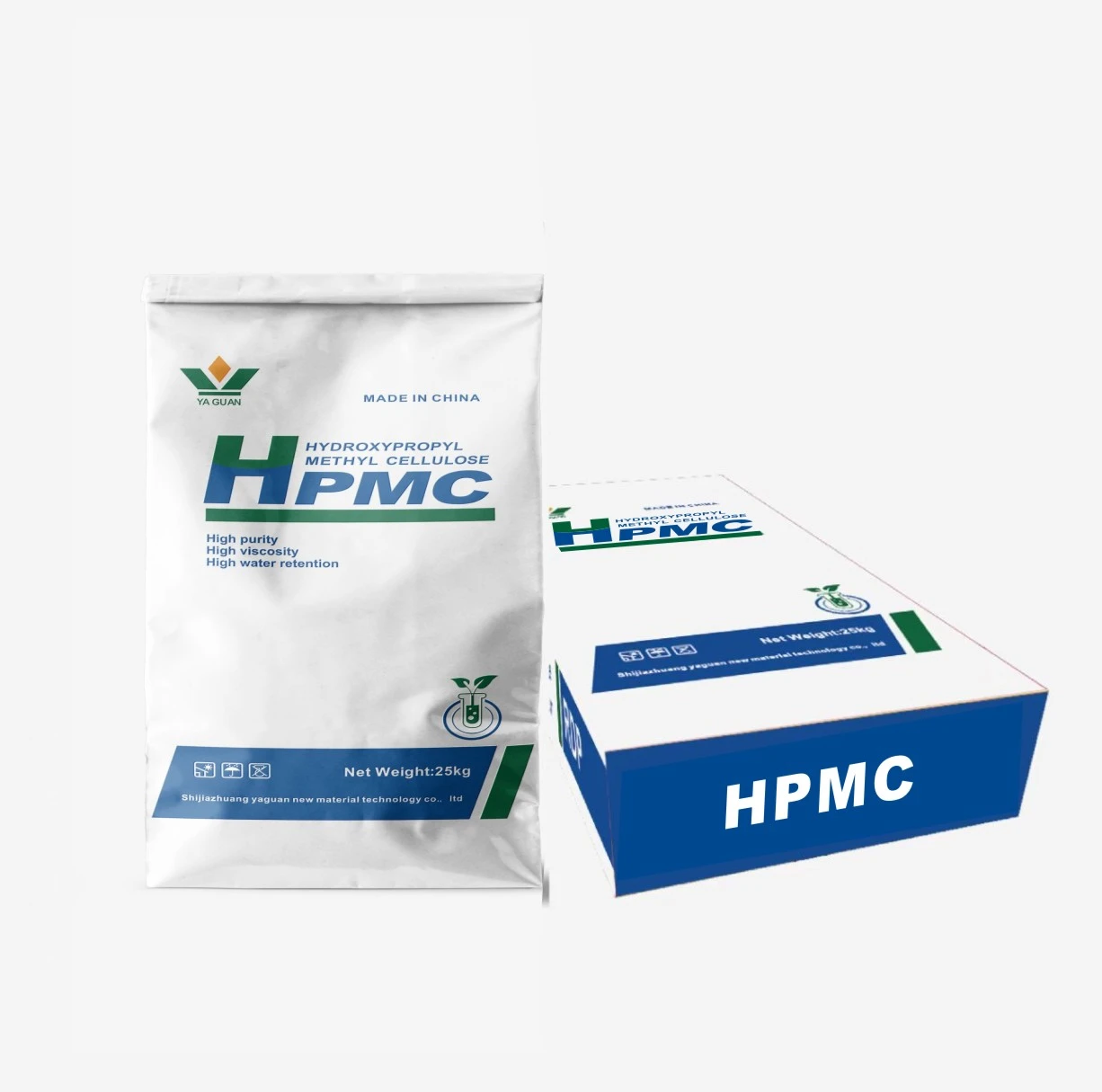

Understanding HPMC Grades and Uses: Why They Matter Globally
When we hear "HPMC," or hydroxypropyl methylcellulose, a lot of people might think it’s some complicated chemical jargon—you’re not alone. But this here substance quietly plays a huge role across industries worldwide. From pharmaceuticals to construction, HPMC grades and uses are central to products that affect millions daily. Why does it matter globally? Because this versatile material enhances product quality, drives sustainability, and addresses critical challenges from improving drug delivery to ensuring durable, eco-friendly building solutions.
Understanding the different grades of HPMC and their specific uses unlocks significant potential for innovation and efficiency. So, whether you’re an engineer, a product developer, or just curious about modern materials, knowing the ropes about HPMC is genuinely beneficial.
The Global Landscape: Why HPMC Gains Importance
Globally, industries are under pressure to balance sustainability, cost, and performance. According to the International Organization for Standardization (ISO), materials like cellulose derivatives—which HPMC belongs to—are expected to grow by roughly 5-7% annually, thanks to their eco-friendly credentials and versatile applications. The World Bank even highlights sustainable building as a key strategy for urban development, where products containing HPMC find a strong foothold.
One big challenge industries face is finding materials that can perform reliably under various environmental stresses—temperature swings, humidity, chemical exposure—without costing the earth. Enter the diverse HPMC grades. Tailored for different viscosity levels, particle sizes, and purity, these grades solve many of these issues, filling gaps traditional materials often miss.
What Exactly Are HPMC Grades and Their Uses?
At its heart, HPMC is a semi-synthetic polymer derived from cellulose—the main component of plant cell walls. Its unique chemistry lets manufacturers tweak its properties (think: viscosity, solubility, and gel formation) to fit specific needs. So, when we talk about grades of HPMC, we’re referencing variations designed for particular industries or functions.
Uses range far and wide: from thickening agents in cosmetics, film-formers in pharmaceuticals, to water retention enhancers in cement-based products. The grades determine practical suitability—whether something will dissolve quickly in water or form a stable gel, for example.
Key Aspects of HPMC Grades
1. Viscosity and Solubility
The grade’s viscosity controls how thick or fluid a solution becomes—a critical factor for paints, adhesives, and pharmaceutical suspensions. Solubility governs how easily it dissolves at certain temperatures, something often tailored for sustained drug release or construction materials.
2. Purity and Chemical Stability
Higher grades typically feature ultra-pure cellulose suitable for medical or food applications. Chemical stability ensures that HPMC maintains integrity during storage or during harsh process conditions.
3. Particle Size and Distribution
In industries like coatings, uniform particle size helps avoid clumping and ensures smooth application. Different grades optimize these traits specific to downstream processes.
4. Water Retention Ability
Especially relevant in cement and plaster, good water retention boosts workability and prevents cracking after drying—key for sustainable construction.
Mini Takeaway:
The diversity of HPMC grades is no accident — each is optimized to deliver tailored properties, bridging performance gaps across sectors.
Global Applications and Practical Use Cases
Where do these HPMC grades find a real home? Pretty much everywhere, but here’s a quick rundown:
- Pharmaceuticals: HPMC acts as a matrix former for sustained-release tablets, improving patient adherence worldwide.
- Cosmetics: Used as a thickener and stabilizer in lotions and creams—keeping textures smooth and long-lasting.
- Construction: Enhances water retention in mortars and plasters, which is essential in hot or dry climates like the Middle East and parts of Asia.
- Food Industry: Stabilizes emulsions and improves texture in gluten-free baking products across Europe and the Americas.
- Oil & Gas: Used in drilling fluids to control viscosity and prevent fluid loss in harsh underground environments.
Oddly enough, in disaster recovery zones, specialized HPMC grades help create fast-setting plaster and other materials that enable rapid construction of temporary shelters. It’s the kind of practical innovation that can restore dignity and safety quickly.
Mini Takeaway:
From pharmaceuticals to post-disaster rebuilding, HPMC’s uses reflect global needs in health, environment, and infrastructure resilience.
Advantages and Long-Term Value of HPMC Grades
Here’s the thing—choosing the right HPMC grade doesn’t just tick boxes, it transforms entire supply chains and product lifespan. Consider:
- Cost Efficiency: Its multifunctional nature often replaces several additives, cutting complexity and expense.
- Sustainability: Being cellulose-based, HPMC is biodegradable, reducing environmental footprint.
- Reliability: Materials get enhanced durability, especially in harsh climates which lengthens service life.
- Safety & Comfort: Pharmaceutical and cosmetic grades meet stringent regulations ensuring consumer well-being.
In real terms, companies see fewer product failures and waste—saving money and boosting trust in their brands.
Product Specification Sample Table
| Grade | Viscosity (mPa·s) | Solubility Temp (°C) | Typical Use | Purity (%) |
|---|---|---|---|---|
| HPMC-100 | 100 - 150 | 40-50 | Pharma tablets | 99.5+ |
| HPMC-300 | 300 - 400 | 45-55 | Construction plasters | 98.0+ |
| HPMC-600 | 600 - 700 | 50-60 | Cosmetic creams | 97.5+ |
A Quick Vendor Comparison: Finding the Right Source
| Vendor | Product Range | Global Reach | Customization | Sustainability Initiatives |
|---|---|---|---|---|
| Yaguan Chemicals | Broad (Pharma, Construction, Food) | Strong (Asia & Americas) | High Customization | ISO 14001 Certified |
| CelluChem Corp | Focused (Pharmaceuticals) | Moderate, Europe-centric | Medium | Ongoing Eco Projects |
| GlobalCell Industries | Wide (Food, Cosmetics, Construction) | Global | Low | Sustainable Sourcing |
Looking Ahead: Innovations and Emerging Trends
Innovation never sleeps in the HPMC world. For starters, the push for greener chemistry means many manufacturers are combining HPMC with bio-based plasticizers or developing nanocellulose hybrids, creating super-strong yet environmentally friendly composites. Digital transformation in quality control—like AI-powered viscosity monitoring—is helping manufacturers ensure consistency across batches, which is critical for pharmaceuticals.
Moreover, regulatory agencies are tightening purity norms for medical-grade HPMC, pressuring suppliers to improve process efficiency and traceability. Coupled with automation in production lines, the result is higher quality, faster turnaround, and minimized waste—a trifecta that industry veterans eagerly welcome.
Challenges in Utilizing HPMC Grades and How to Overcome Them
Of course, things aren’t all smooth sailing. Variability in raw material sources can lead to disproportionate batch-to-batch differences, frustrating quality managers. Plus, selecting the right grade for a unique application can feel a bit like guesswork, given the broad range of options.
Experts advise starting with small-scale testing aligned with your product’s end-use conditions. Collaborating with a supplier that offers high customization and technical support—like Yaguan Chemicals—can shorten trial cycles dramatically. It’s often about mixing art and science at the right scale.
FAQ: Your Top Questions About HPMC Grades and Uses
Q1: What are the most common fields where HPMC grades are applied?
A1: The leading industries include pharmaceuticals (as excipients or controlled-release agents), construction (for water retention and workability), cosmetics (stabilizers and thickeners), and food (binders or texture improvers). Each grade targets specific traits needed for these fields.
Q2: How do I choose the appropriate HPMC grade for my project?
A2: Start by defining viscosity, solubility, and purity needs. Consult with your supplier about typical applications. Often, pilot tests help confirm suitability before full-scale adoption.
Q3: Are there environmental benefits to using HPMC in construction?
A3: Definitely. HPMC enhances water retention and reduces cracking in mortars, which improves structural longevity—meaning less repair, less waste—and because it’s cellulose-derived, it’s biodegradable and generally safer than synthetic alternatives.
Q4: Can HPMC-based products be certified for food or pharma use?
A4: Yes, pharmaceutical-grade HPMC meets strict purity and safety standards such as those from the USP and EP. Food-grade variants comply with global food safety regulations, though certifications vary by region.
Q5: How widely available is customized HPMC by international vendors?
A5: Many leading suppliers—including those with international footprints like Yaguan Chemicals—offer customized solutions tailored to client needs, ensuring compliance with local regulations and performance targets.
Conclusion: The Tangible Impact of Mastering HPMC Grades and Uses
So, what’s the big takeaway? Understanding HPMC grades and uses isn’t just academic—it’s a real-world toolkit for innovation and sustainability across industries. The right grade means better product performance, lower costs, and a smaller environmental footprint. It’s no wonder that across continents, companies are tuning into this material’s potential to craft next-gen solutions.
Ready to explore how tailored HPMC grades and uses can transform your product pipeline? Visit our website and start the conversation today.