
Why Understanding How HPMC Is Used Matters Globally
If you're in industries like pharmaceuticals, construction, or personal care, you've likely come across HPMC — or hydroxypropyl methylcellulose, if you want the full, fancy name. It’s a chemical compound that quietly powers a surprising number of products and processes worldwide. From thickening creams to stabilizing concrete, hpmc is used as a versatile, efficient ingredient that helps solve real-world problems. As global demand for sustainable, reliable materials grows, understanding this compound's uses becomes more than just technical—it’s a window into innovation and environmental responsibility.
Globally, the market for cellulose ethers like HPMC is growing steadily. Reports from credible sources such as the ISO and industry bodies indicate a rise in HPMC's applications across developed and developing nations alike, addressing everything from infrastructure resilience to product safety. Yet, the challenge remains: How do industries maximize HPMC’s potential while balancing cost, sustainability, and performance?
The Basics: What Exactly Is HPMC, and Why Does It Matter?
Simply put, HPMC is used as a non-ionic cellulose ether that’s water-soluble and forms gels when heated, making it a perfect additive for a dizzying array of applications. Derived from cellulose, which comes from plant fibers, it’s biodegradable and generally considered safe—two attributes that make it increasingly important in an eco-conscious world.
Industries ranging from food to cosmetics, construction to pharmaceuticals, rely on HPMC to modify texture, improve product stability, or control release mechanisms. You might ask, why not use synthetic alternatives? Well, synthetic polymers sometimes lag behind in environmental friendliness and biocompatibility. HPMC strikes a sweet balance, which explains its global proliferation.
Core Attributes That Define HPMC’s Role
1. Compatibility and Solubility
One of HPMC’s key strengths is how well it dissolves in cold water without breaking down, which lets manufacturers create consistent mixtures every time. Its compatibility with other ingredients allows for tailored formulations—from smooth lotions to self-leveling concrete.
2. Thermal Gelation
When heated, HPMC gels, giving products unique temperature-sensitive properties—vital in food gels and pharmaceutical capsules. Ingeniously, this helps control how materials behave during processing and use.
3. Film-Forming and Binding
In construction and tablets alike, HPMC serves as a reliable binder and film former. This ensures structural integrity in plaster or slow dissolving of medicine, combining strength with precision.
4. Moisture Retention
Products containing HPMC retain moisture without becoming sticky or soggy. Think of it as the silent helper keeping creams smooth and mortar workable even under challenging conditions.
5. Biodegradability and Safety
With increasing regulatory pressure, materials need to be safe for users and the environment. HPMC’s biodegradability and non-toxic nature tick these essential boxes, making it future-proof.
How HPMC Is Used in the World: Applications & Use Cases
Across continents and sectors, hpmc is used as a building block for innovation:
- Construction Industry: HPMC improves plaster, mortar, and tile adhesives, enhancing durability and workability. It's especially vital in tropical regions where moisture control is key.
- Pharmaceuticals: Used as a binder and controlled-release agent in pills and capsules, ensuring medicines act effectively and safely.
- Personal Care: Incorporated in shampoos, lotions, and eye drops to stabilize formulas and improve texture.
- Food Processing: Acts as a thickener and emulsifier—helping with gluten-free baking by mimicking gluten’s action.
- Oil & Gas and Paints: Used as a rheology modifier to improve flow and application.
For example, in post-disaster relief operations, fast-drying mortars enhanced with HPMC can be critical for speed and durability during rebuilding. Similarly, remote industrial zones use HPMC additives in lubricants and paints to cope with extreme conditions.
Product Specification Table: Typical Properties of HPMC Grades
| Property | Typical Range | Unit |
|---|---|---|
| Methoxy Content | 19–24 | % |
| Hydroxypropyl Content | 4–12 | % |
| Viscosity (2% in water) | 5,000–400,000 | mPa·s |
| pH (1% solution) | 5.0–8.0 | - |
| Moisture Content | 5 Max | % |
Vendor Comparison: Leading HPMC Suppliers
| Supplier | Product Range | Global Reach | Sustainability Initiatives | Price Competitiveness |
|---|---|---|---|---|
| Supplier A | Broad, industry-specific grades | Global, 50+ countries | Uses renewable raw materials | Mid-range |
| Supplier B | Focus on pharma & food grade | Asia, Europe | ISO 14001 certified plants | Premium |
| Supplier C | Cost-effective general purpose | Regional, mostly Americas | Improved energy efficiency | Competitive |
Advantages and the Long-Term Value of HPMC
Why do many industries keep coming back to HPMC? For one, it supports sustainability—since it’s plant-derived and biodegradable—helping manufacturers reduce their carbon footprint. From a social standpoint, products leveraging HPMC bring safety and comfort: think moisture-retaining eye drops or sturdy mortar that can stand the test of climate change.
Cost-wise, it offers consistent quality and versatility, often reducing the need for multiple additives, which streamlines production. Also, it provides a kind of peace of mind for engineers and formulators — the kind you feel when your formula behaves predictably across batches.
Looking Ahead: Future Trends in How HPMC Is Used
With technology leaping forward, hpmc is used as a bridge to new horizons. Innovations include blending HPMC with biopolymers to create even more biodegradable composites, or using digital formulation tools to fine-tune its properties in real-time. The rise of green building codes encourages wider HPMC use in eco-friendly constructions. Even nanotechnology applications are emerging, where HPMC serves as a matrix for smart drug delivery.
Oddly enough, the tiny cellulose fiber has turned a new leaf with automation driving customized production runs tailored for different climates or customer needs worldwide—leading to less waste and faster innovation cycles.
Challenges in Implementing HPMC and How to Overcome Them
Despite its strengths, HPMC isn't magic. Variability in raw materials can affect batch consistency. Plus, high viscosity grades require careful handling to avoid clumping during mixing. Supply chain disruptions can also impact availability, a fact made clear during recent global logistics challenges.
Experts suggest partnering closely with suppliers for quality assurance, investing in staff training for proper handling, and exploring alternative cellulose ether blends when cost or availability fluctuates. Many formulating scientists also recommend pilot production runs to identify issues early on before scale-up.
FAQ: Common Questions About How HPMC Is Used
- Q1: What makes HPMC better than other cellulose ethers in pharmaceutical applications?
- A1: HPMC offers excellent film-forming properties and thermal gelation, enhancing controlled drug release and stability. Its non-ionic nature reduces interaction with drug molecules, improving safety and efficacy.
- Q2: Can HPMC improve the durability of plaster in humid climates?
- A2: Yes, HPMC greatly increases moisture retention and adhesion in plaster and mortars, reducing cracks and improving workability, which is vital in tropical or high-humidity regions.
- Q3: Is HPMC environmentally friendly?
- A3: Absolutely. HPMC is derived from renewable cellulose sources and is biodegradable, making it a sustainable choice compared to many synthetic polymers.
- Q4: How is HPMC supplied for industrial use?
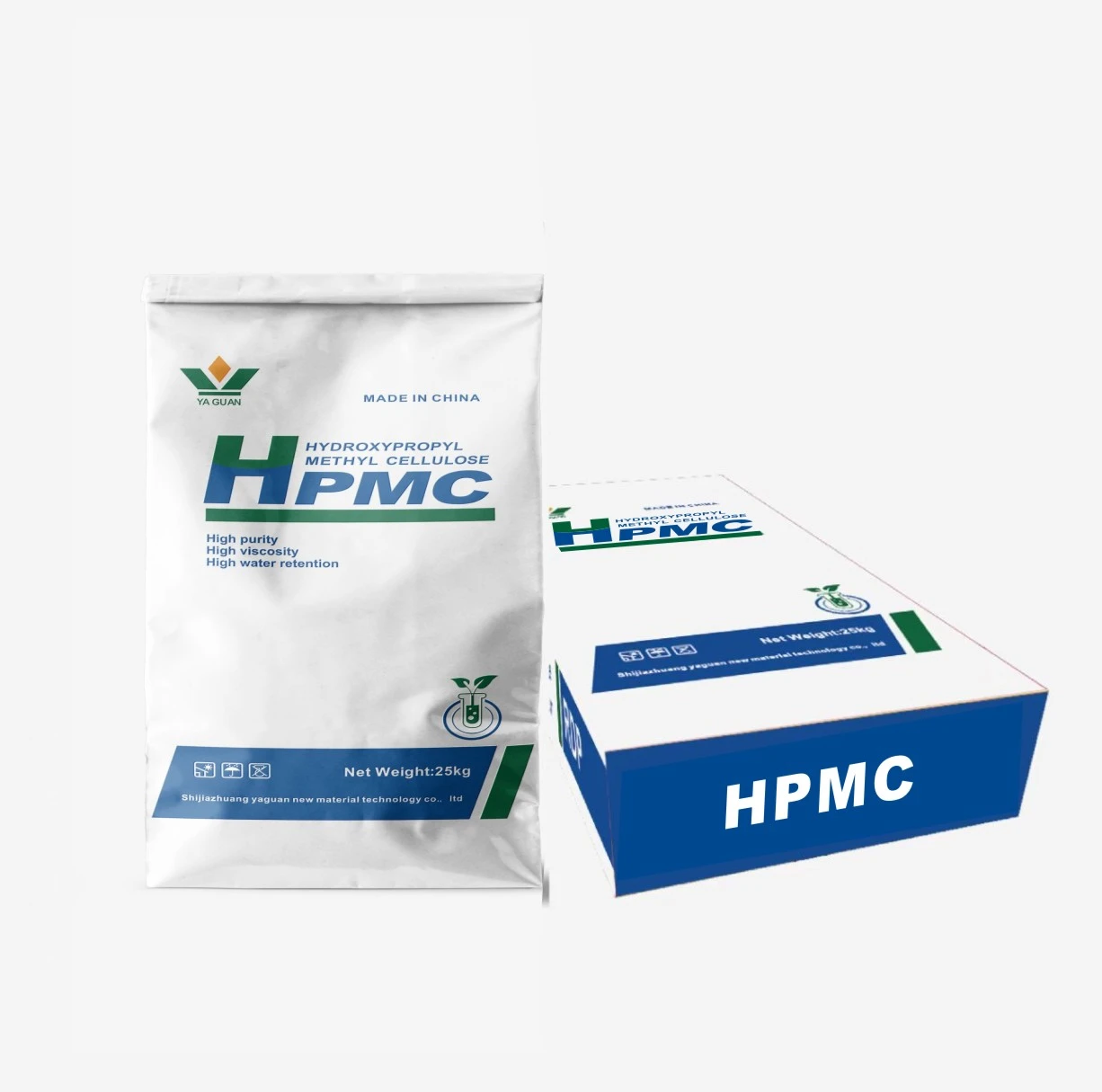
- A4: Typically, HPMC is delivered in powder or granulated form, packaged in moisture-proof bags or containers, and often customized to viscosity or methoxy content based on industry needs.
- Q5: Are there regional differences in HPMC demand?
- A5: Yes, construction use is higher in Asia-Pacific, pharmaceuticals in Europe and North America, and food-grade demand grows globally as gluten-free and functional foods increase.
Conclusion: Embracing the Long-Term Benefits of HPMC
It’s clear that hpmc is used as a versatile, essential ingredient that quietly supports countless industries across the globe. Its combination of performance, safety, and sustainability makes it a cornerstone of innovation and quality. Whether you’re developing pharmaceuticals, building resilient structures, or formulating next-gen personal care, HPMC offers a trusted, adaptable solution that’s likely to expand as industries evolve.
If you want to dive deeper or explore tailored solutions, visit our website: https://www.yaguanhpmc.com to learn more.