
Examples of water reducing admixtures in Concrete Industry
Having spent a fair chunk of my career around concrete plants and construction sites—mainly watching how additives get mixed into concrete—I’ve learned that water reducing admixtures (WRAs) are sort of the unsung heroes of the entire process. You don’t see them, but they quietly shape a lot of what we consider good-quality concrete. Oddly enough, their impact often goes unnoticed by folks outside the trade.
To put it simply, water reducing admixtures help improve concrete’s workability without upping the water content. More water usually makes concrete easier to pour but weaker once cured; WRAs let you keep that water low but still make mixing and pumping manageable. In real terms: better strength, less cracking, and sometimes faster finishing times on site.
There are quite a few types out there, but here I want to highlight some examples of WRAs that have proven their worth over the years, especially in industrial settings.
Common Types of Water Reducing Admixtures
Broadly, you can divide WRAs into three main categories based on their chemical composition and performance:
- Lignosulfonates: Among the oldest and most widely used. Derived from wood pulp processing, they help disperse cement particles and reduce water demand moderately.
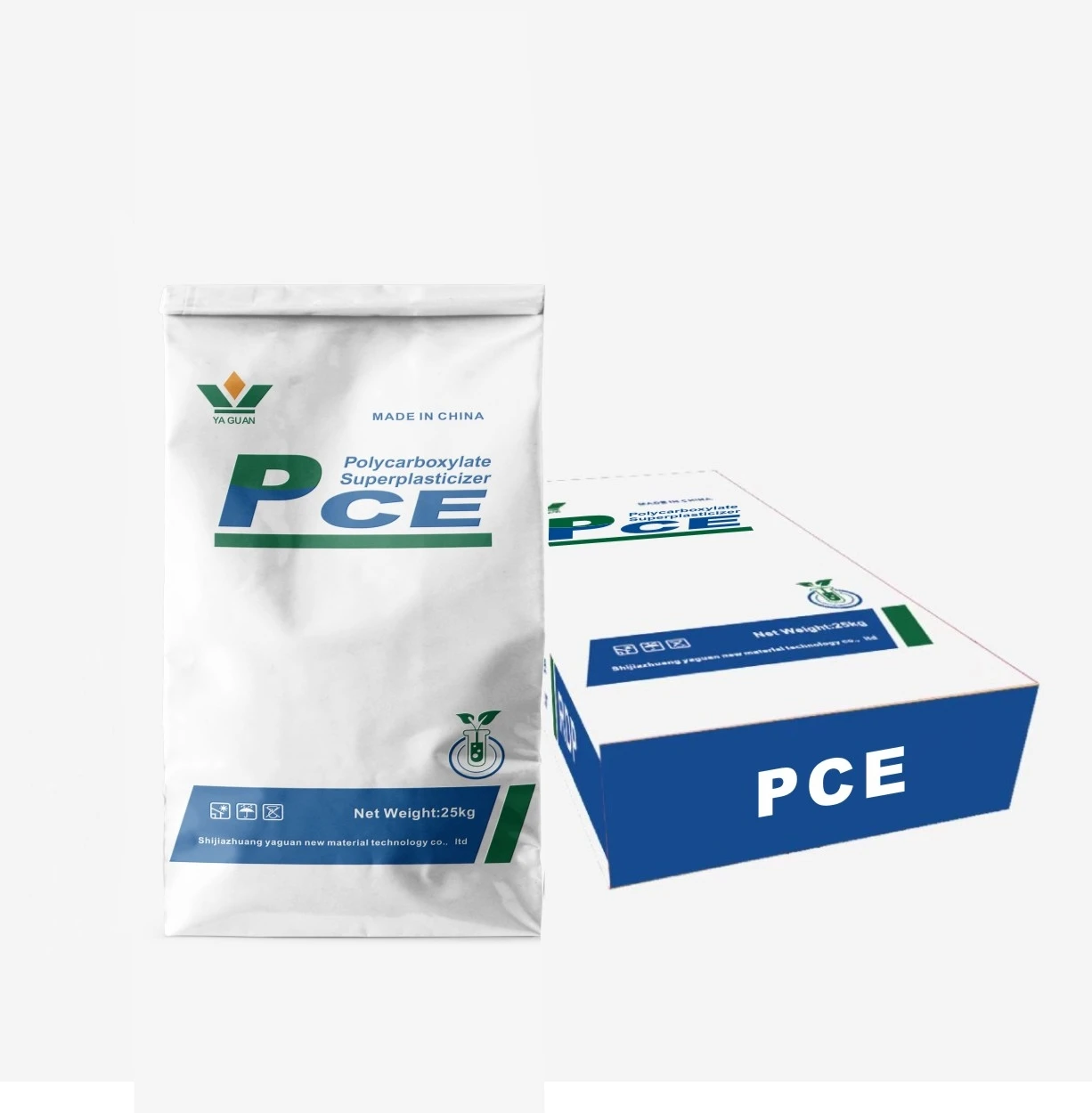
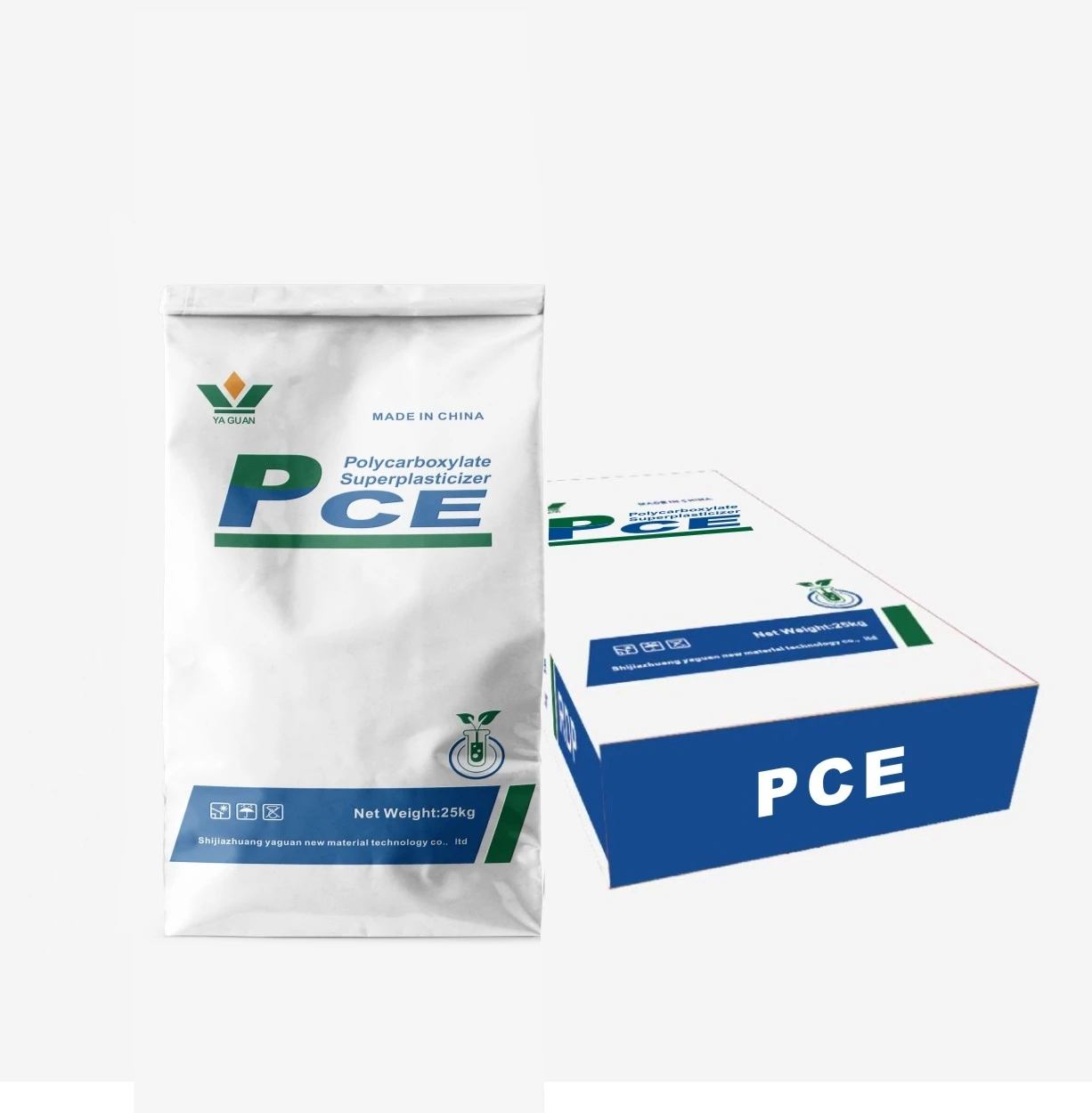
- Polycarboxylate ethers (PCEs): The newer “star players.” Highly effective, they can reduce water content by 20–30% and improve slump retention long after mixing.
- Sulfonated Naphthalene Formaldehyde (SNF): Effective water reducers with good early strength development, though less common now due to environmental and health considerations.
From my experience, the choice between these often depends on the project’s needs and budget. For massive infrastructure projects, PCE-based admixtures became a game-changer thanks to their high efficiency and compatibility with supplementary cementitious materials like fly ash or slag.
Product Specification Examples
| Product Name | Type | Water Reduction (%) | Typical Dose (ml/kg cement) | Setting Time Effect |
|---|---|---|---|---|
| Yaguan Ligno 210 | Lignosulfonate | 5–8% | 200–400 ml | Slight retardation |
| Yaguan PCE 500 | Polycarboxylate Ether | 20–30% | 250–350 ml | Negligible |
| Yaguan SNF 120 | Sulfonated Naphthalene Formaldehyde | 10–15% | 300–450 ml | Moderate retardation |
Comparing Vendor Products
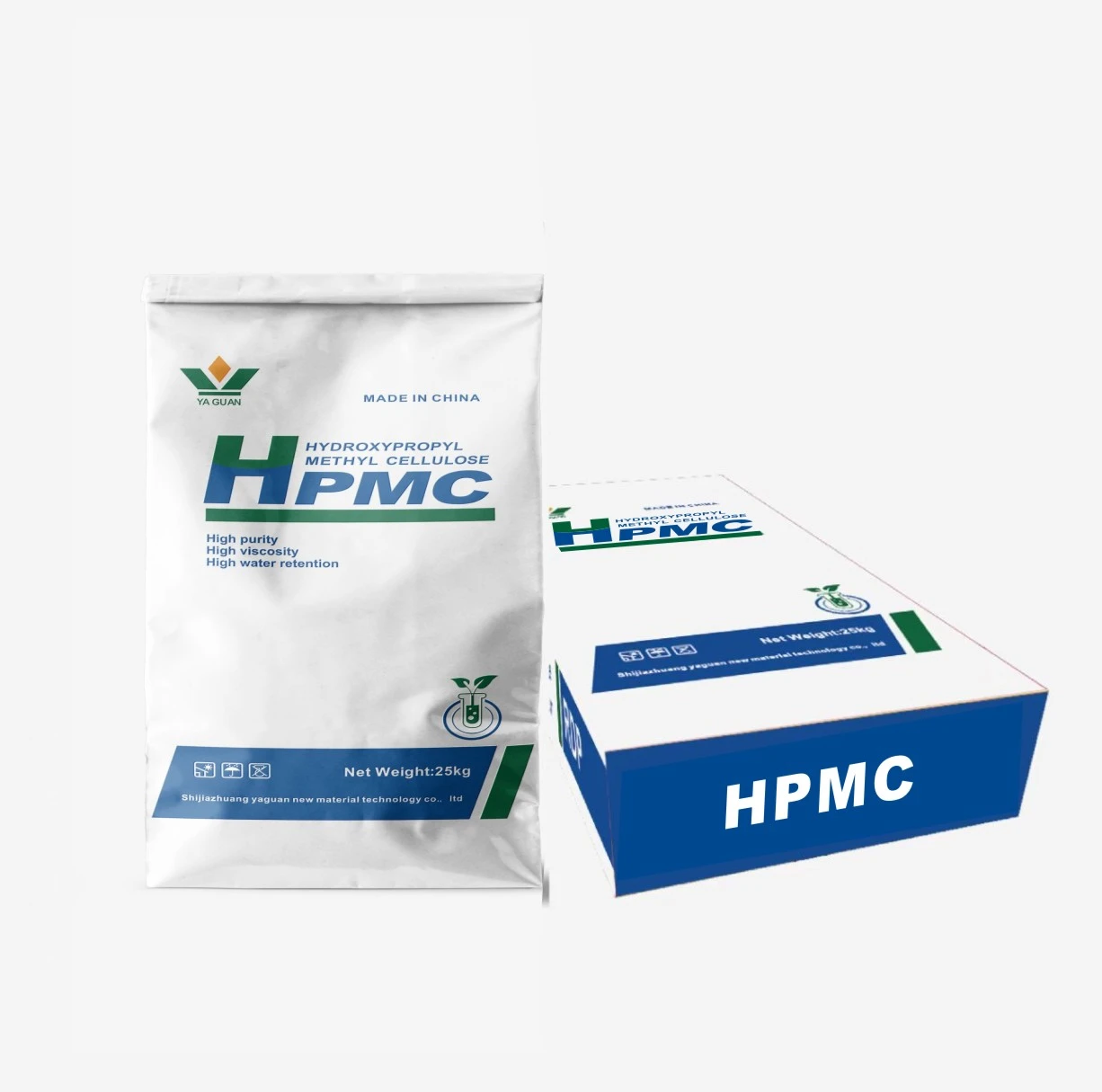
Not all water reducers are built alike. In my time, I've seen big differences in consistency, side effects, and ease of use. To give a rough idea, here’s a quick comparison between Yaguan HPMC’s products and a few other market options:
| Feature | Yaguan HPMC | Competitor A | Competitor B |
|---|---|---|---|
| Water Reduction Efficiency | Up to 30% | Up to 25% | 20-28% |
| Compatibility with SCMs | Excellent | Good | Fair |
| Effect on Setting Time | Minimal | Moderate retardation | Slight acceleration |
| Environmental Profile | Low VOC, Eco-friendly | Standard | Contains Formaldehyde |
| Average Cost | $$ | $ | $$$ |
Honestly, I noticed many engineers gravitate towards Yaguan HPMC products because they strike a sweet spot between performance, environmental safety, and cost. There’s this one project I recall, a precast facility trying to cut down on defects. Switching from a generic lignosulfonate to Yaguan’s PCE product resulted in noticeably improved surface finish and fewer cracking issues after curing—so much so that the plant manager gave me a nod the next time I visited.
That said, results can always depend on the exact formulation, mixing procedure, and climate conditions. Testing remains the best friend of anyone working with WRAs for the first time.
If you’re looking to get into this field or want to optimize your mixes, exploring the different types of water reducing admixtures available goes beyond just picking the cheapest product. It’s an element of design and quality assurance you genuinely don’t want to overlook.
So yeah, next time you see a freshly poured slab or a towering bridge pier, remember that hidden ingredient quietly shaping its strength and durability might just be one of these clever admixtures.
References:
1. Neville, A. M. “Properties of Concrete,” 5th ed., Pearson Education Limited, 2011.
2. Mehta, P.K.; Monteiro, P.J.M. “Concrete: Microstructure, Properties, and Materials,” 4th ed., McGraw-Hill Education, 2013.
3. Yaguan HPMC product datasheets and technical guides, 2023.