PVA Product Applications: A Comprehensive Guide
Polyvinyl Alcohol (PVA) is a versatile synthetic polymer with a wide array of industrial and consumer applications. Its unique properties, including water solubility, film-forming ability, and biocompatibility, make it a crucial component in various products. This article explores the diverse uses of PVA products, delving into the specifics of its applications and benefits. Understanding PVA’s capabilities is key to appreciating its importance in modern manufacturing and technology. From textiles to adhesives, PVA's impact is significant.
Understanding PVA: Properties and Grades
PVA is created through the polymerization of vinyl acetate, followed by hydrolysis. The degree of hydrolysis determines the properties of the resulting PVA. Fully hydrolyzed PVA is water-soluble and exhibits excellent film-forming characteristics, while partially hydrolyzed PVA retains some water resistance and adhesive properties. Different grades of PVA are available, categorized by their molecular weight and viscosity. High molecular weight PVA is generally used for applications requiring high tensile strength and viscosity, while lower molecular weight PVA is suitable for coatings and adhesives. Yaguan HPMC offers a wide range of PVA grades to suit various industrial needs.
Key Highlights: PVA’s versatility stems from the ability to tailor its properties through varying degrees of hydrolysis and molecular weight. This customization allows for optimal performance in a multitude of applications.
PVA in the Textile Industry
PVA plays a vital role in the textile industry as a warp sizing agent. Warp sizing involves coating yarn with a protective substance to increase its strength and smoothness, preventing breakage during weaving. PVA provides excellent film-forming properties and adhesion to fibers, resulting in improved weaving efficiency and fabric quality. It's easily removed after weaving without damaging the fibers. PVA is also used in the production of rayon and other synthetic fibers, acting as a spinning solvent. Its biodegradability also makes it an increasingly attractive alternative to traditional sizing agents.
Benefits of PVA in Textiles:
• Improves yarn strength and smoothness
• Increases weaving efficiency
• Biodegradable and environmentally friendly
• Easy removal after weaving
PVA Product Comparison: Applications and Properties
Different applications require different PVA properties. The following table illustrates a comparison between common PVA applications and the necessary characteristics:
Emerging Applications of PVA
Beyond the established applications, PVA is gaining traction in innovative fields. Its biocompatibility makes it ideal for biomedical applications, including drug delivery systems, artificial cartilage, and wound dressings. PVA hydrogels, created through crosslinking PVA chains, exhibit excellent water absorption and retention, making them suitable for agricultural applications like soil conditioning and water retention. Furthermore, PVA is being explored as a component in biodegradable packaging films, offering a sustainable alternative to traditional plastics. Yaguan HPMC is committed to researching and developing new PVA applications.
PVA Product Specifications & Quality Control
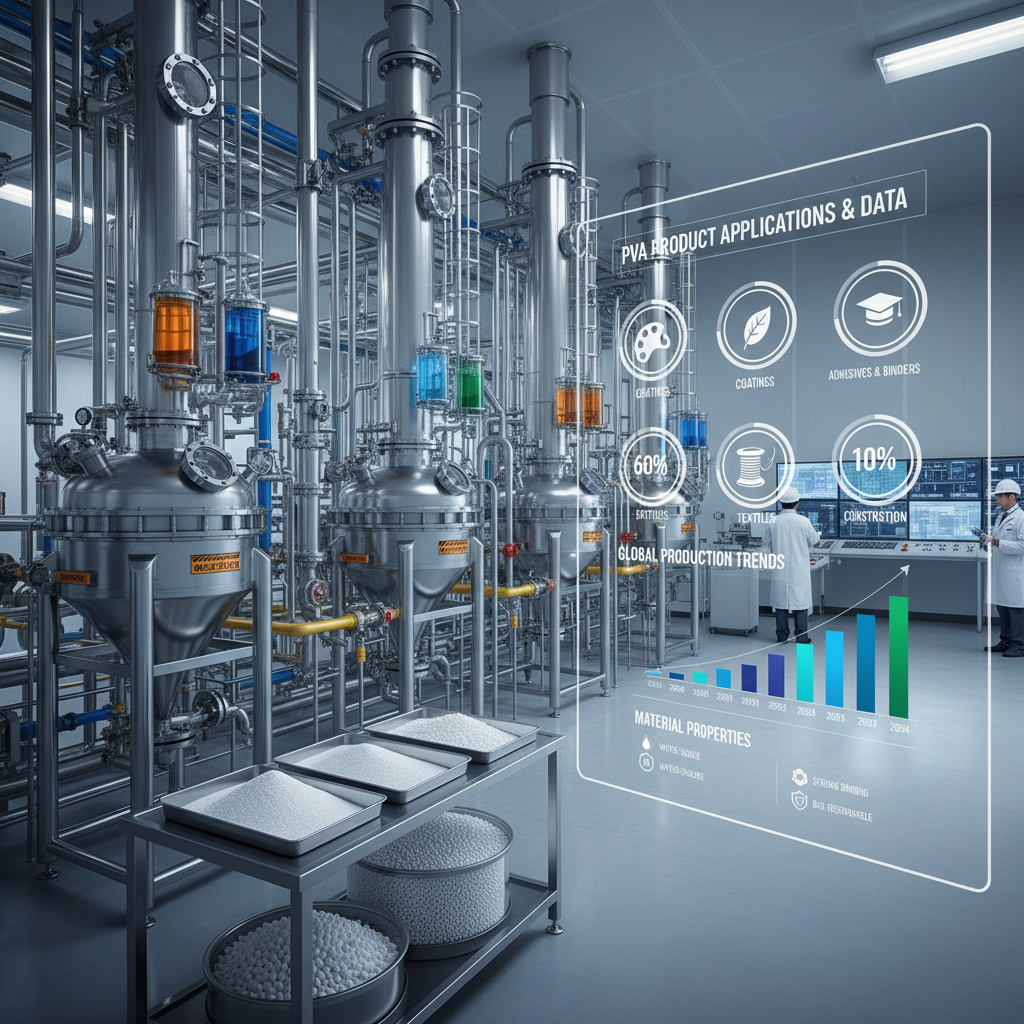
Ensuring high-quality PVA is crucial for optimal performance. Yaguan HPMC employs rigorous quality control measures throughout the production process. Key specifications include viscosity, degree of hydrolysis, ash content, and molecular weight. These parameters are carefully monitored and tested to meet industry standards and customer requirements. We provide detailed product datasheets and certificates of analysis for all our PVA products.
Conclusion: The Expanding Role of PVA
PVA's diverse properties and adaptability ensure its continued relevance across numerous industries. From traditional applications in textiles and adhesives to emerging roles in biomedicine and sustainable packaging, PVA products remain a cornerstone of modern innovation. Choosing a reliable supplier like Yaguan HPMC guarantees access to high-quality PVA tailored to your specific needs.
Frequently Asked Questions (FAQs)
Is PVA biodegradable?
Yes, PVA is considered biodegradable under certain conditions. While its degradation rate depends on factors like molecular weight, degree of hydrolysis, and environmental conditions (e.g., presence of microorganisms, temperature), it will break down over time. Lower molecular weight PVA typically biodegrades more readily. This makes it a more environmentally friendly alternative to many other synthetic polymers.
What is the difference between PVA and PVB?
PVA (Polyvinyl Alcohol) and PVB (Polyvinyl Butyral) are both derived from polyvinyl acetate, but they differ in their degree of alcoholysis. PVB undergoes further processing to remove most of the hydroxyl groups, resulting in a more flexible and tougher material. PVA is water-soluble, while PVB is not. PVB is commonly used in safety glass (windshields) due to its toughness and adhesion properties, whereas PVA has a broader range of applications, including textiles, adhesives, and packaging.
Can PVA be used in food packaging?
Yes, certain grades of PVA are approved for use in food packaging applications, particularly as a barrier film. PVA provides excellent oxygen barrier properties, helping to extend the shelf life of food products. However, it's important to ensure the PVA used meets the necessary food safety regulations and is of a suitable grade for the intended application. Contact Yaguan HPMC for food-grade PVA specifications.
What are the safety precautions when handling PVA?
PVA is generally considered non-toxic and safe to handle. However, as with any chemical substance, it's recommended to avoid prolonged skin contact and inhalation of dust. Wear appropriate personal protective equipment (PPE) such as gloves and a dust mask when handling PVA powder. Ensure adequate ventilation in the work area. Consult the Safety Data Sheet (SDS) for detailed safety information.