
Unlocking the Potential: An Insider Look at Tylose Uses Across Industries
Tylose doesn't often make headlines outside specialized circles, yet globally, it plays an unassuming but vital role in industries as varied as construction, pharmaceuticals, and even food processing. So, what exactly is tylose, and why should we care about its diverse uses? At its core, understanding tylose uses unlocks smarter ways to control viscosity, improve product stability, and enhance quality in countless applications. For manufacturers chasing better texture, longer shelf life, or easier processing, it’s practically magic powder.
Even beyond industry, tylose helps answer key global challenges — like developing reliable building materials in remote regions or improving drug formulations in developing countries. It’s one of those unsung heroes that quietly supports innovation and sustainability worldwide.
The Growing Global Importance of Tylose
According to recent reports, the global cellulose ethers market—which includes tylose—is expected to grow at a compound annual growth rate (CAGR) of roughly 5.7% through 2028 (Grand View Research). Why? Because demand for consistent, safe, and eco-friendly additives keeps climbing across sectors.
Yet many producers face challenges in balancing cost, quality, and regulatory compliance. This is where tylose uses step in, providing a cost-effective, versatile solution for thickening, stabilizing, and binding, without introducing harmful chemicals.
What Exactly Are Tylose Uses?
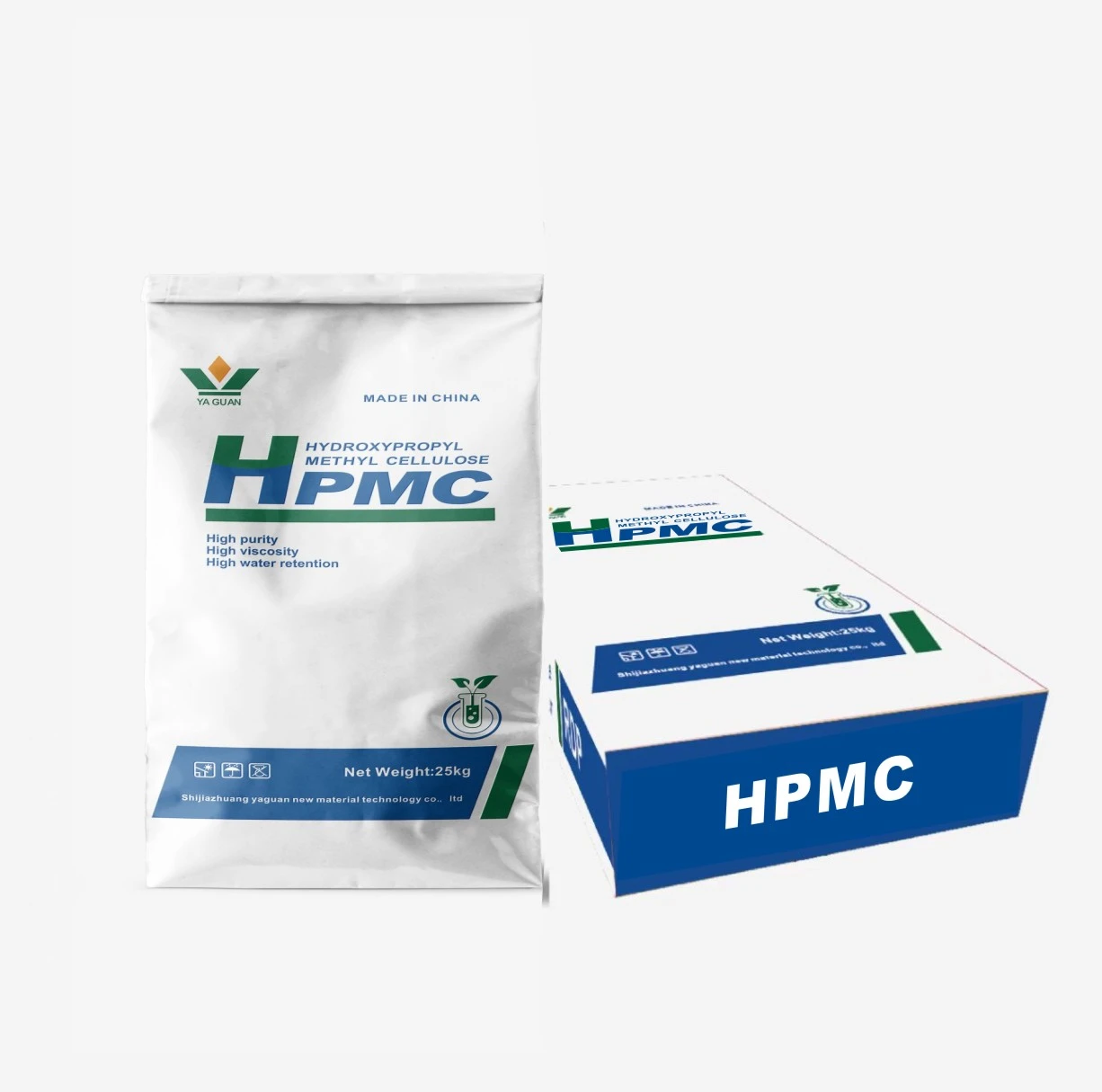
In simple terms, tylose is a trademarked brand name for hydroxypropyl methylcellulose (HPMC), a water-soluble cellulose ether. It's a powder derived from cellulose, the structural component of plant cell walls, chemically modified to achieve specific functional properties.
Tylose's key feature is its ability to swell in water, forming a highly viscous and stable gel-like solution. This property makes it invaluable as a thickener, binder, film former, and emulsifier in a range of formulations. It’s used to control texture, moisture retention, and application performance.
Linking back to industry needs—it’s a game-changer for things like plaster and mortar adhesion, creamy cosmetics, or sustained-release medicines, supporting everything from infrastructure stability to health outcomes.
Key Factors Influencing Tylose Uses
1. Viscosity Control
One of tylose's standout features is how it can fine-tune viscosity at varying concentrations. This allows manufacturers to create exactly the right flow or gel strength — whether that's a spreading plaster, a paint with no drip, or a smooth ointment. I noticed many engineers rely on HPMC for this reason alone because it’s so reliable and predictable.
2. Compatibility and Stability
Tylose works well with a broad variety of ingredients, including cement, polymers, and active compounds. It helps prevent phase separation, sedimentation, or syneresis, keeping products consistent over time. In food processing too, it keeps sauces homogeneous and shelf-stable without artificial additives.
3. Film Forming and Binding
In construction, tylose creates films that enhance adhesion and seal surfaces — essential for plaster or tile adhesives. This improves durability and reduces cracking, which means structures that withstand weather and time better.
4. Water Retention
For mortars and cement-based products, retaining water during drying is crucial for proper curing. Tylose binds water effectively, preventing premature surface drying, which leads to higher strength and better quality finishes. It's a small tweak that makes a big difference on-site.
5. Safety and Environmental Impact
Unlike some synthetic alternatives, tylose is non-toxic, biodegradable, and generally recognized as safe (GRAS). Its renewable cellulose base ties into shifting sustainability priorities across industries.
Worldwide Applications and Illustrative Use Cases
Tylose finds use in virtually every inhabited continent, adapting to local needs in clever ways. Here are a few examples:
- Construction in Europe and Asia: Tylose is a staple for improving workability and adhesion in plaster and tile adhesives, especially in harsh climates requiring durable, weather-resistant finishes.
- Pharmaceuticals in North America: It's used in tablet coatings and controlled-release agents, improving drug delivery and patient compliance.
- Food Preparation in Africa: Tylose-based thickeners help standardize sauces and soups, ensuring consistent quality even where refrigeration is scarce.
- Disaster Relief Efforts: In post-disaster zones, fast-curing mortars with tylose shorten construction time for emergency shelters — helping restore safe housing faster.
These examples showcase tylose’s flexibility from industrial-scale manufacturing to humanitarian aid.
Mini takeaway: Tylose’s global versatility isn’t just a coincidence, but the result of core properties that solve very real, varied problems.
Advantages and the Long-Term Value of Tylose Uses
Why has tylose become a trusted component across markets? Here's what stands out:
- Cost Efficiency: A little goes a long way—low dosage requirements mean cost savings over time.
- Enhanced Durability: Better adhesion and moisture control translates into longer-lasting products and infrastructure.
- Improved Product Safety: Biocompatibility and non-toxic nature help industries meet stricter regulation and consumer expectations.
- Sustainability: Being cellulose-based, it aligns well with eco-conscious strategies aiming to reduce synthetic polymers.
- Consistency and Reliability: Manufacturers can predict performance easily, reducing trial-and-error phases and wasted resources.
Honestly, when you reflect on it, these benefits aren’t just operational. They ripples out to human safety, dignity, and trust — things worth investing in at any scale.
Product Specification: Summary of a Typical Tylose (HPMC) Grade
| Property | Typical Value | Test Method |
|---|---|---|
| Viscosity (2% aqueous) | 1500–4000 mPa·s | Brookfield ASTM D2196 |
| pH (1% solution) | 6.0 - 8.0 | ISO 976 |
| Moisture Content | 4-6% | Karl Fischer |
| Appearance | White powder | Visual |
| Solubility | Cold water soluble | USP/NF |
Comparing Top Tylose Suppliers: Pros & Cons at a Glance
| Vendor | Quality Consistency | Price Range | Technical Support | Customization Options |
|---|---|---|---|---|
| Supplier A | High (ISO certified) | Medium | Extensive | Custom viscosity grades |
| Supplier B | Medium | Low | Limited | Standard products only |
| Supplier C | Very High (FDA approved) | High | 24/7 Support | Full custom formulations |
Looking Ahead: Trends & Innovations in Tylose Uses
We’re seeing several exciting trajectories shaping tylose applications, fueled by green technology and digital tools:
- Eco-friendly Production: Advances in sourcing cellulose sustainably and reducing chemical use are lowering the carbon footprint of tylose manufacture.
- Novel Formulations: Hybrid binders with nano-additives or bio-polymers are improving mechanical strength while preserving biocompatibility.
- Automation & Quality Control: Smart inline viscosity monitoring and real-time adjustments help manufacturers achieve more consistent batches, faster.
- Regulatory Changes: New standards require cleaner labels and safer ingredients for pharmaceuticals and foods, which favor tylose alternatives.
It’s a space to watch — I expect tylose will keep evolving right alongside materials science breakthroughs into the 2030s.
Overcoming Challenges in Tylose Application
Despite many advantages, tylose isn’t without hurdles. Some common issues include inconsistent dispersion or “clumping” during mixing, sensitivity to pH extremes, and higher raw material costs compared to simpler thickeners.
Experts suggest these can be mitigated by tailored particle size distributions, pre-wetting techniques, or combining tylose with complementary additives to boost performance and cost efficiency. Training operators and leveraging supplier tech support are also crucial steps.
FAQ: Common Questions About Tylose Uses
- Q: How does tylose improve plaster workability in construction?
- A: Tylose acts as a water retention agent and viscosity modifier, allowing plasters and mortars to spread smoothly without sagging. It prevents premature drying, leading to better adhesion and fewer cracks during curing.
- Q: Is tylose safe for pharmaceutical applications?
- A: Absolutely. Tylose (HPMC) is widely used in tablets and capsules for controlled drug release. It’s non-toxic, non-irritant, and meets stringent regulatory standards including FDA approval.
- Q: Can tylose work in cold water environments?
- A: Yes. One of the advantages of tylose is its solubility in cold water, which eases processing and reduces energy consumption during manufacturing.
- Q: What factors should I consider when choosing a tylose grade?
- A: Viscosity requirements, compatibility with other ingredients, intended application, and regulatory compliance are key. Consulting product datasheets and supplier recommendations helps avoid guesswork.
- Q: How does tylose contribute to sustainable product design?
- A: Being cellulose-based and biodegradable, tylose reduces reliance on synthetic polymers, supporting environmentally responsible formulations in construction and consumer goods.
Wrapping It Up: Why Tylose Uses Matter Now More Than Ever
In the grand scheme of things, tylose might seem like just another additive. But when you dig a little deeper, it’s clear it helps solve fundamental challenges — from creating better buildings to delivering life-saving medicines. It’s affordable, sustainable, and versatile. That trifecta alone explains why tylose uses continue to grow worldwide.
Thinking about incorporating tylose into your processes? Visit our website for expert guidance, product info, and customization options. Because at the end of the day, using the right additive can make all the difference — and tylose is often the secret ingredient.
Quick Takeaway:
Tylose is far more than a powder — it’s a bridge between nature’s chemistry and modern industry’s demands for smarter, greener, and safer products.