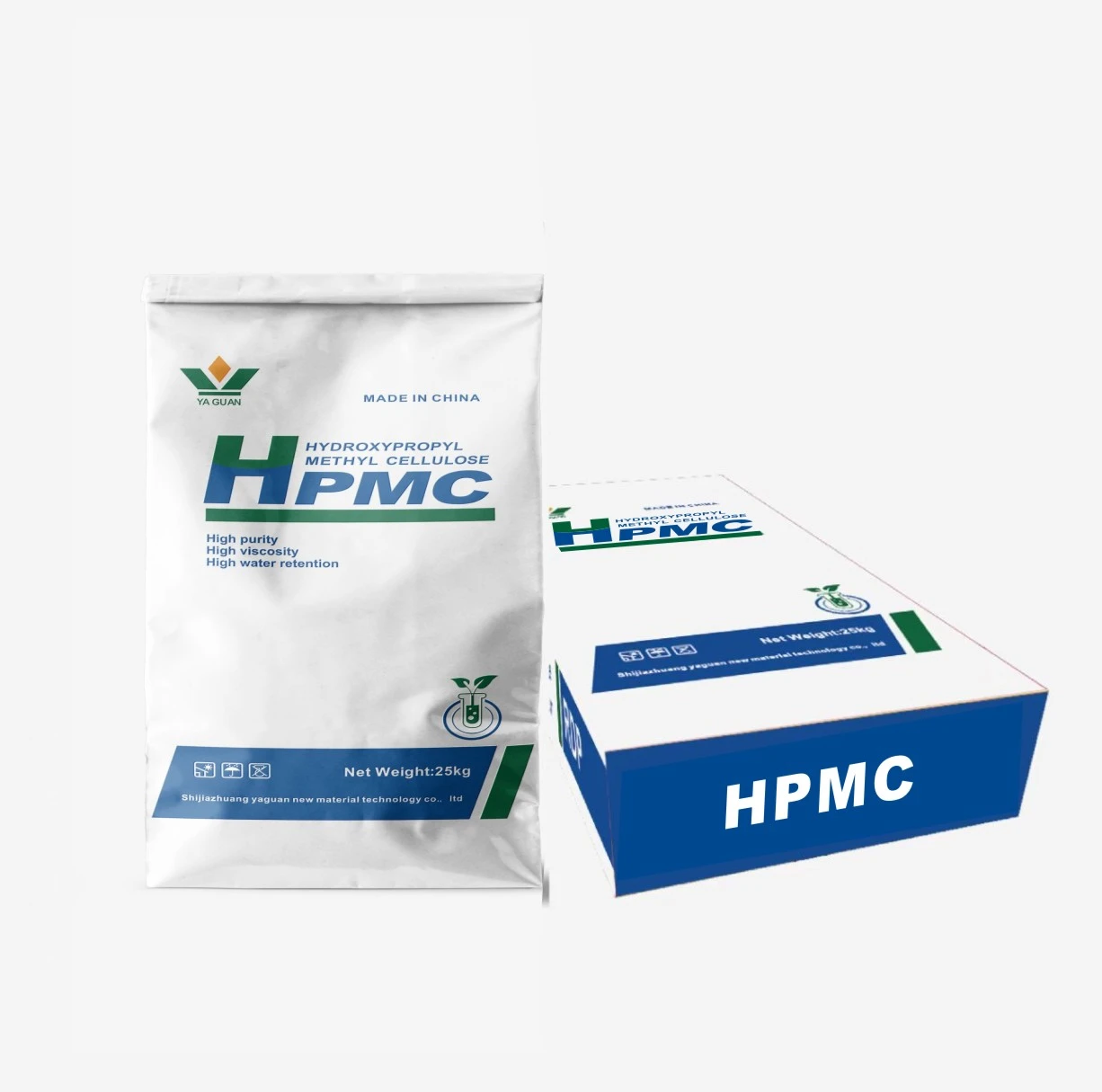

The Growing Importance of the HPMC Factory in Today’s World
At first glance, HPMC factory might sound like a niche term reserved for chemists or industrial insiders, but actually, it has quietly become a cornerstone in multiple industries worldwide. Hydroxypropyl Methylcellulose, or HPMC, is a versatile polymer that serves in everything from pharmaceuticals and construction to food and animal feed. Why does this matter globally? Well, as supply chains grow complex and consumers demand safer, more sustainable products, the role of a reliable HPMC factory gains fresh urgency.
Understanding how these factories operate and why their product matters can shed light on global trends in manufacturing, sustainability, and innovation. Plus, learning about the nuances helps industries optimize costs and performance while also meeting environmental guidelines.
Mini takeaway: HPMC factories produce a key ingredient that quietly supports many modern products, making them vital players on the global industrial stage.
The Global Context: Why HPMC Factories Matter Today
The world’s industrial landscape is changing rapidly — reports from the International Organization for Standardization (ISO) highlight sustainability and safety as top priorities for manufacturers in 2024. Meanwhile, UN data from 2023 emphasize the need for materials that are both efficient and environmentally friendly to meet climate goals. That’s where an HPMC factory becomes relevant beyond just producing chemicals.
Consider the spike in demand for non-toxic, biodegradable products in cosmetics, or the need for better moisture retention in modern construction materials. HPMC compounds produced in these factories contribute solutions that meet these challenges head-on. The problem? Not every factory can maintain the consistency or scale needed to serve global markets — which is why the quality and innovation from reputable HPMC factories are so essential.
Mini takeaway: The global push for sustainability and higher product quality keeps HPMC factories at the heart of modern industrial strategies.
What Is an HPMC Factory? A Simple Explanation
Simply put, an HPMC factory is a specialized production facility where Hydroxypropyl Methylcellulose is manufactured. HPMC itself is a cellulose derivative — think of it as a handy polymer created from natural cellulose sources that’s modified chemically to perform better. In its finished form, HPMC appears as a fine, white powder with excellent water retention and thickening properties.
The factory blends, processes, and refines raw cellulose into this versatile product. Importantly, HPMC is widely used in pharmaceuticals as a controlled-release agent, in construction as a binder or thickener in cement and plaster, and in food as a stabilizer and gluten substitute. So, an HPMC factory is more than a chemical plant; it’s where base ingredients for countless products are shaped to modern industry needs, and even humanitarian uses.
Mini takeaway: HPMC factories turn abundant natural cellulose into functional polymers used in diverse global industries.
Core Components: What Makes an HPMC Factory Tick?
1. Quality Raw Material Sourcing
The consistency of HPMC relies heavily on the purity and quality of raw cellulose. Many factories prioritize sustainably harvested wood pulp or cotton linters to meet environmental standards and product consistency.
2. Precision Chemical Modification Process
The chemical reaction steps—primarily methylation and hydroxypropylation—must be precisely controlled. This ensures the polymer’s solubility, viscosity, and thermal stability meet exacting specifications that vary by application.
3. State-of-the-Art Production Technology
Modern HPMC factories employ automated reactors and continuous process monitoring systems to minimize batch variations and optimize yield. This tech-driven approach supports scalability and cost efficiency.
4. Rigorous Quality Control & Testing
Testing facilities within the factory conduct multiple rounds of physical and chemical analysis—from viscosity measurements to moisture content—to maintain product reliability for demanding consumers.
5. Compliance & Sustainability Practices
Factories must adhere to international standards such as ISO 9001 for quality management and often ISO 14001 for environmental management. This ensures their HPMC is safe, sustainable, and suitable for global trade.
| Specification | Value / Range |
|---|---|
| Appearance | White or off-white powder |
| Viscosity (2% in water, 20°C) | 1000 - 10,000 mPa·s |
| Moisture Content | 4 - 8% |
| pH (2% solution) | 5 - 8 |
| Methoxy Content | 19 - 30% |
| Hydroxypropyl Content | 7 - 12% |
Mini takeaway: A successful HPMC factory integrates precise chemistry, modern technology, and strict quality controls to produce consistent polymers.
Real-World Applications: Where HPMC Factories Make a Difference
The output of an HPMC factory finds itself deep inside many products that people use every day — often without realizing it. For example, construction companies across Asia and Europe use HPMC powders as thickening and binding agents in tile adhesives, cement, and plaster to improve workability and durability. In pharmaceutical labs, HPMC capsules offer an animal-free alternative favored in vegetarian and vegan medicine markets globally.
There’s also an interesting humanitarian angle: post-disaster construction often calls for portable, easy-to-mix mortars and plasters that rely on HPMC to ensure they don’t degrade quickly under harsh conditions. NGOs and rebuilding agencies in earthquake zones or flood-affected areas increasingly seek suppliers with dependable HPMC factories, especially those able to scale on short notice.
Regions with booming food industries, like Southeast Asia, use HPMC as an emulsifier and gluten substitute in gluten-free baked goods, responding to rising allergies and health awareness.
Mini takeaway: HPMC factories serve myriad sectors, from construction and pharma to food and humanitarian relief, underscoring their global significance.
Why Rely on an HPMC Factory? Advantages and Long-Term Value
- Cost Efficiency: By offering a stable supply of a multipurpose polymer, these factories help reduce reliance on costly or toxic alternatives.
- Sustainability: Since HPMC is plant-based and biodegradable, its factories align well with global pushes for greener manufacturing.
- Product Safety: Rigorous testing ensures the end products are safe for consumption, construction, and medical use — building trust.
- Innovation Driver: The controlled flexibility of HPMC permits novel formulations, helping industries stay competitive.
- Social Impact: The factory’s ability to meet global demand supports regional employment and stimulates technological advancement.
Mini takeaway: The long-term value of HPMC factories blends economics, environmental stewardship, and social responsibility.
Looking Ahead: Trends Shaping the Future of HPMC Factories
There’s no shortage of innovation brewing in the HPMC space. Increasingly, factories integrate digital automation for real-time quality control and waste reduction. On the materials front, research is fine-tuning HPMC variants tailored for biodegradable packaging and advanced drug delivery systems. Green energy usage, like solar power in factory operations, is also on the rise, pushing the carbon footprint lower.
Plus, as industries worldwide embrace circular economy principles, HPMC factories are exploring raw material recycling and bio-based feedstock sourcing. With regulatory bodies tightening safety and sustainability requirements, these trends aren’t just future fantasies — they’re shaping standard practices now.
Mini takeaway: Automation, green energy, and bio-innovation are propelling HPMC factories toward a more sustainable and efficient future.
Challenges and How the Best HPMC Factories Overcome Them
Like any manufacturing sector, HPMC factories face hurdles — fluctuating raw material costs, demand unpredictability, and strict regulatory landscapes can squeeze operational margins. Additionally, achieving product consistency at large scale while minimizing waste is tricky.
Top-tier factories tackle this with diversified sourcing strategies, flexible modular production lines, and investment in R&D for process optimization. Collaborations with industrial partners and academic institutions also accelerate problem-solving, leading to faster turnaround and improved formulations.
It’s a balancing act: keeping production lean but robust, innovative yet compliant. The good news? The best factories view these challenges as opportunities — and often come out stronger.
Vendor Comparison: Leading HPMC Factory Providers
| Vendor | Quality Certification | Production Capacity (MT/year) | Sustainability Score | Special Features |
|---|---|---|---|---|
| Yaguan HPMC Factory | ISO 9001, ISO 14001 | 10,000 | 8.5/10 | Automated QA, green power integration |
| Liva Chemicals | ISO 9001 | 8,000 | 7.9/10 | Custom viscosity grades |
| CelloPowder Inc. | ISO 9001, GMP | 5,500 | 8.2/10 | Pharma-grade focus |
| Sustainability score reflects eco-efficiency and resource management | ||||
Frequently Asked Questions About HPMC Factory
What is the main advantage of using HPMC from a trusted factory?
Trusted factories ensure consistent quality and safety standards, which is crucial for industries requiring precise polymer behavior — especially pharmaceuticals and food processing. It minimizes batch-to-batch variation and meets regulatory compliance.
How does an HPMC factory ensure environmental sustainability?
Leading factories adopt green production methods, including sourcing sustainable raw materials, optimizing energy use with renewables, recycling process waste, and adhering to ISO 14001 environmental standards.
Are there customization options available in commercial HPMC production?
Yes, many factories offer tailored viscosity grades, particle sizes, and functional additives based on client specifications, supporting a broad spectrum of industries with different needs.
How rapidly can HPMC factories scale production for urgent demand?
Established factories use modular production lines and supply chain partnerships to ramp up capacity within weeks or months, critical for meeting spikes in pharmaceutical or construction markets.
Can HPMC factories produce food-grade and pharmaceutical-grade polymers simultaneously?
Typically, specialized production lines and stringent contamination controls are in place to produce food-grade and pharmaceutical-grade HPMC separately to comply with safety and regulatory demands.
Conclusion: Why the HPMC Factory Will Remain a Key Player in Industry
Looking beyond the technical jargon, an HPMC factory is a linchpin of modern industry — quietly bridging natural materials and advanced applications. From pharmaceuticals saving lives to construction materials that endure changing climates, the ripple effects of these factories are profound. They represent not just business, but the trust, innovation, and responsibility required in our global supply chains.
Curious about partnering with a top hpmc factory? Visit our website to explore product options, certifications, and how customization could benefit your project.
References:
1. ISO Standards Overview
2. United Nations Statistics Division
3. Hydroxypropyl methylcellulose - Wikipedia