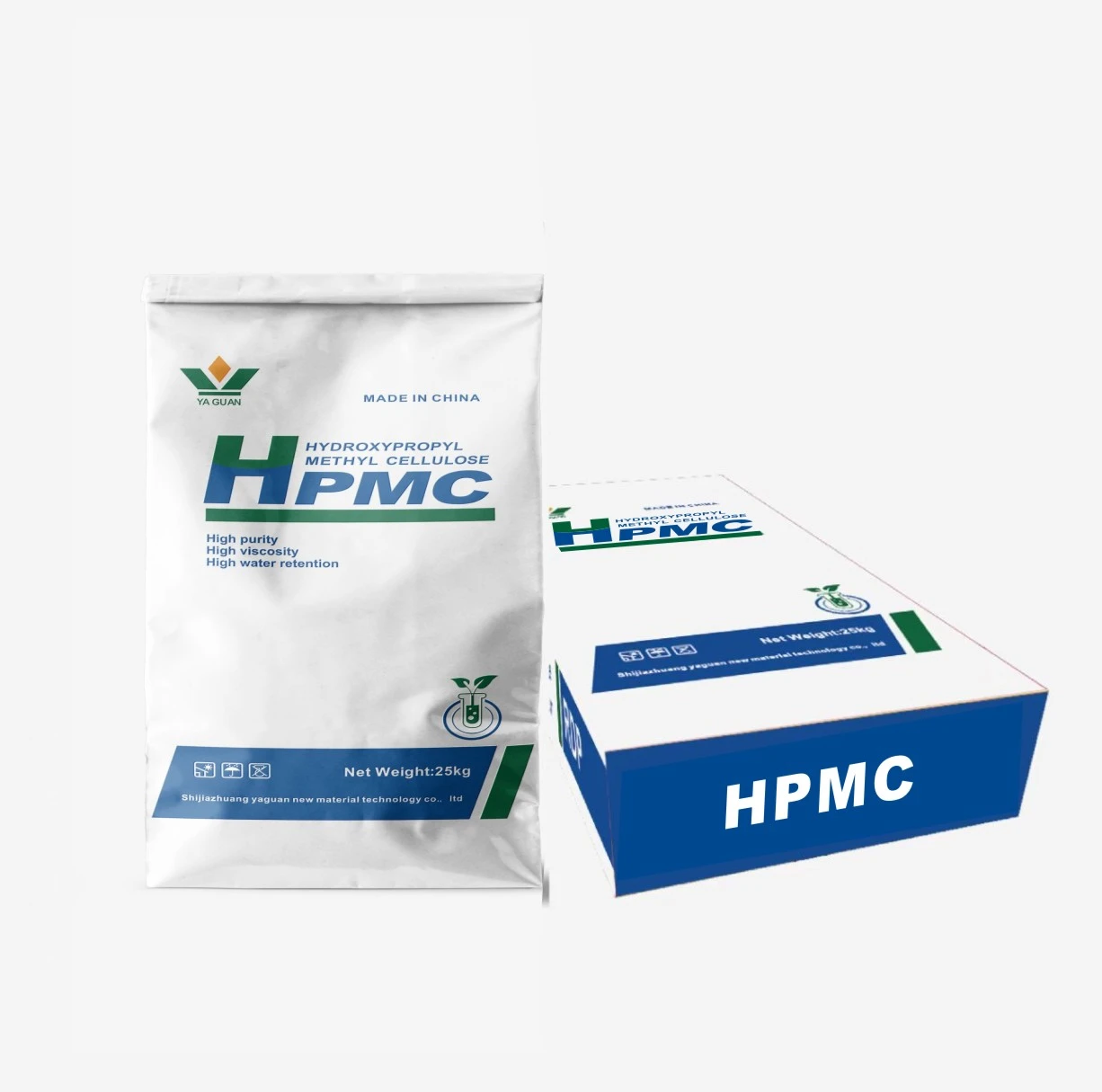

The Quiet Powerhouse: Understanding the Role of a hpmc powder factory
When you hear hpmc powder factory, it might sound like just another technical term in chemical manufacturing. Yet, the impact of these factories extends far beyond the factory floor. hpmc — Hydroxypropyl Methylcellulose — powders are essential in everything from construction materials to pharmaceuticals and even in food additives. Comprehending what an hpmc powder factory does, why it matters globally, and the nuances of its production helps decode a vital link in many industries that rely on quality, consistency, and sustainability.
Globally, demand for cellulose derivatives has seen steady growth thanks to their biodegradability and versatility, making hpmc powder factories a pivotal player in sustainable industrial development.
Why the hpmc powder factory Matters on the Global Stage
If you peek behind the scenes of modern industrial applications or humanitarian aid projects, you’ll see the mark of hpmc powders in countless places. According to recent ISO standards and market studies, the worldwide cellulose ethers market, with hpmc as a key component, is expected to grow at a compound annual growth rate (CAGR) of around 5% over the next decade.
What’s driving this? Global construction booms, increased demand for eco-friendly products, and the pharmaceutical industry’s expansion in developing regions. Plus, challenges like material shortages and environmental concerns push innovation in production methods at hpmc powder factories.
In simple terms: the hpmc powder factory sits at a crossroads of science, sustainability, and supply chains — a subtle but crucial hub for many sectors battling both growth and environmental pressure.
Defining hpmc powder factory & What It Really Means
So, what exactly is an hpmc powder factory? At its core, it's a dedicated facility where cellulose ethers — specifically hydroxypropyl methylcellulose powders — are synthesized, purified, and packaged for industrial use.
Hydroxypropyl methylcellulose is a non-ionic cellulose ether used primarily as a thickener, binder, and film former. The factory’s role covers everything from sourcing raw cellulose, modifying it chemically, drying the product to a fine powder, and ensuring quality through rigorous testing. This is what enables products to perform consistently—from making drywall plaster easier to apply to controlling drug release in medications.
Core Components & Key Factors in hpmc Powder Production
1. Raw Material Quality
The cellulose source, often wood pulp or cotton linters, defines the purity baseline. Impurities can cause serious variances in final powder behavior. Many manufacturers pay handsomely — sometimes months ahead — to secure top-grade cellulose.
2. Chemical Modification Process
This involves substituting hydroxyl groups with hydroxypropyl and methyl groups. The percentage and uniformity of substitution affect viscosity, solubility, and thermal stability of hpmc powders — all critical factors for specific industrial applications.
3. Particle Size & Distribution
Powder granularity isn’t just about convenience; it influences drying rate, powder flow, and dissolution speed during end-use. Advanced milling and sieve technologies at the factory bring consistency here.
4. Quality Control Standards
Many hpmc powder factories operate under strict ISO guidelines (notably ISO 9001 for quality management), including moisture content checks, viscosity testing, and microbial limits.
5. Environmental & Safety Compliance
Handling chemicals safely and minimizing waste discharge is non-negotiable, given evolving regulations. Sustainable solutions like closed-loop systems and waste valorization are becoming popular.
Mini Takeaway:
In short, the hpmc powder factory’s success depends on mastering complex chemical processes, precise quality control, and sustainable practices to meet the diverse expectations of global industries.
Global Applications & Real-World Use Cases for hpmc Powders
- Construction Industry: In countries with rapid urbanization like India and Brazil, hpmc powder enhances plaster and tile adhesives, improving durability and ease of application.
- Pharmaceuticals: FDA and EMA-regulated tablets use hpmc as a controlled-release excipient, especially in Europe and North America.
- Food Industry: Japan and South Korea utilize hpmc in food coatings and stabilizers for a better shelf life.
- Paints & Coatings: Australia and Germany rely on hpmc powders for water retention in paints, enhancing spreadability.
- Disaster Relief Construction: In post-disaster zones, fast-drying hpmc-enhanced mortars enable quicker rebuilding efforts — like recent earthquakes in Indonesia.
Advantages & Long-Term Value of Investing in Quality hpmc Powders
When you get down to it, the benefits of sourcing from a reputable hpmc powder factory ripple through every production line. Here’s why:
- Cost-efficiency: High-quality powders increase product lifespan and reduce waste, meaning fewer complaints and returns downstream.
- Sustainability: Derived from renewable cellulose, hpmc supports green manufacturing goals and biodegradability standards.
- Reliability: Consistent chemistry ensures predictable performance—a must-have to maintain client trust.
- Innovation Agility: Factories now tailor specialized viscosity grades and substitution rates, unlocking new materials for emerging markets.
Frankly, in installations where ‘fail safe’ is a literal demand, like in pharmaceuticals or safety-critical construction, no shortcuts are taken. The subtle peace of mind hpmc powders bring is invaluable.
Looking Ahead: The Future of hpmc Powder Factories
Things are moving fast. Research into bio-based solvents and enzyme-assisted synthesis may soon transform production to become cleaner and more energy-efficient. Some factories are experimenting with automation to boost throughput while lowering manual errors.
Sustainability is the watchword. Factories implementing zero liquid discharge (ZLD) systems and partnering with biomass recycling firms show the way forward.
On the policy front, tighter global regulations on emissions and chemical handling might prompt more innovation — ironically producing even greener cellulose ethers.
Challenges & Smart Solutions in Today’s hpmc Powder Factories
The road isn’t without bumps. Here’s a quick roundup:
- Raw Material Volatility: Limited availability of quality cellulose sometimes forces factories to scramble or temporarily switch grades.
- Energy Intensity: Drying and milling consume significant power; factories need to adopt renewable energy or improved tech.
- Waste Disposal: Chemical effluents must be managed carefully, often requiring hefty investment in treatment plants.
- Supply Chain Disruptions: Global logistics hiccups can delay raw material arrival, pushing back production schedules.
Industry leaders tackle these via diversified sourcing, investing in energy-efficient equipment, and predictive inventory management. These moves often yield better resilience overall.
Product Specifications at a Glance
| Specification | Typical Value | Units |
|---|---|---|
| Viscosity (2% solution at 20°C) | 1000 - 4000 | mPa·s |
| Moisture Content | 5 max | % |
| pH (1% solution) | 6.0 - 8.0 | --- |
| Viscosity Grade Variants | Low to High | --- |
Vendor Comparison: Selecting Your hpmc Powder Factory Partner
| Feature | Vendor A | Vendor B | Vendor C |
|---|---|---|---|
| Production Capacity (tons/year) | 25,000 | 18,000 | 22,500 |
| ISO Certification | ISO 9001, ISO 14001 | ISO 9001 | ISO 9001, GMP |
| Customization Options | Wide | Limited | Moderate |
| Lead Time (weeks) | 4-6 | 6-8 | 5-7 |
| Sustainability Initiatives | Yes (ZLD, Biomass) | No | Yes (Energy Efficiency) |
FAQ: Frequently Asked Questions About hpmc powder factory
- What differentiates one hpmc powder factory from another?
- Quality of raw materials, customization capabilities, adherence to international standards like ISO, and commitment to sustainability usually set factories apart. It's best to look at certifications and customer reviews too.
- How does hpmc powder quality affect product performance?
- Variations in viscosity, moisture content, or particle size can alter how a product like adhesive or tablet binds, impacting durability and reliability—sometimes dramatically.
- Is it possible to request bespoke hpmc grades for specialized needs?
- Yes, many factories offer customized substitution ratios and viscosity grades tailored to specific industrial demands, but lead times may increase accordingly.
- How can international companies secure consistent supply from a hpmc powder factory?
- Maintaining long-term contracts, collaborating closely on forecasting, and monitoring global supply chain risks are common strategies. Working with factories experienced in export and compliance eases the process.
- Are hpmc powders environmentally friendly?
- Since hpmc derives from cellulose, a renewable resource, it is more eco-friendly than many petroleum-based additives. But environmental impact depends heavily on manufacturing practices—hence sustainability certifications matter.
Wrapping Up & Next Steps
In the sprawling, high-stakes world of modern manufacturing, an hpmc powder factory isn’t just a building cranking out powder. It embodies a nexus of science, sustainability, and supply resilience. Whether you’re in construction, pharma, food, or paint, understanding the nuances of where and how the powder is made shapes your product’s quality and success.
If you’re curious to explore how these powders can fit into your projects or want to source from a reliable supplier, don’t hesitate to visit the hpmc powder factory website. They offer a range of grades and demonstrate serious commitment to quality and green practices — which, frankly, makes all the difference.
As industries evolve, so do the powders — and the factories behind them keep pushing innovation quietly but surely. It’s a story worth following.