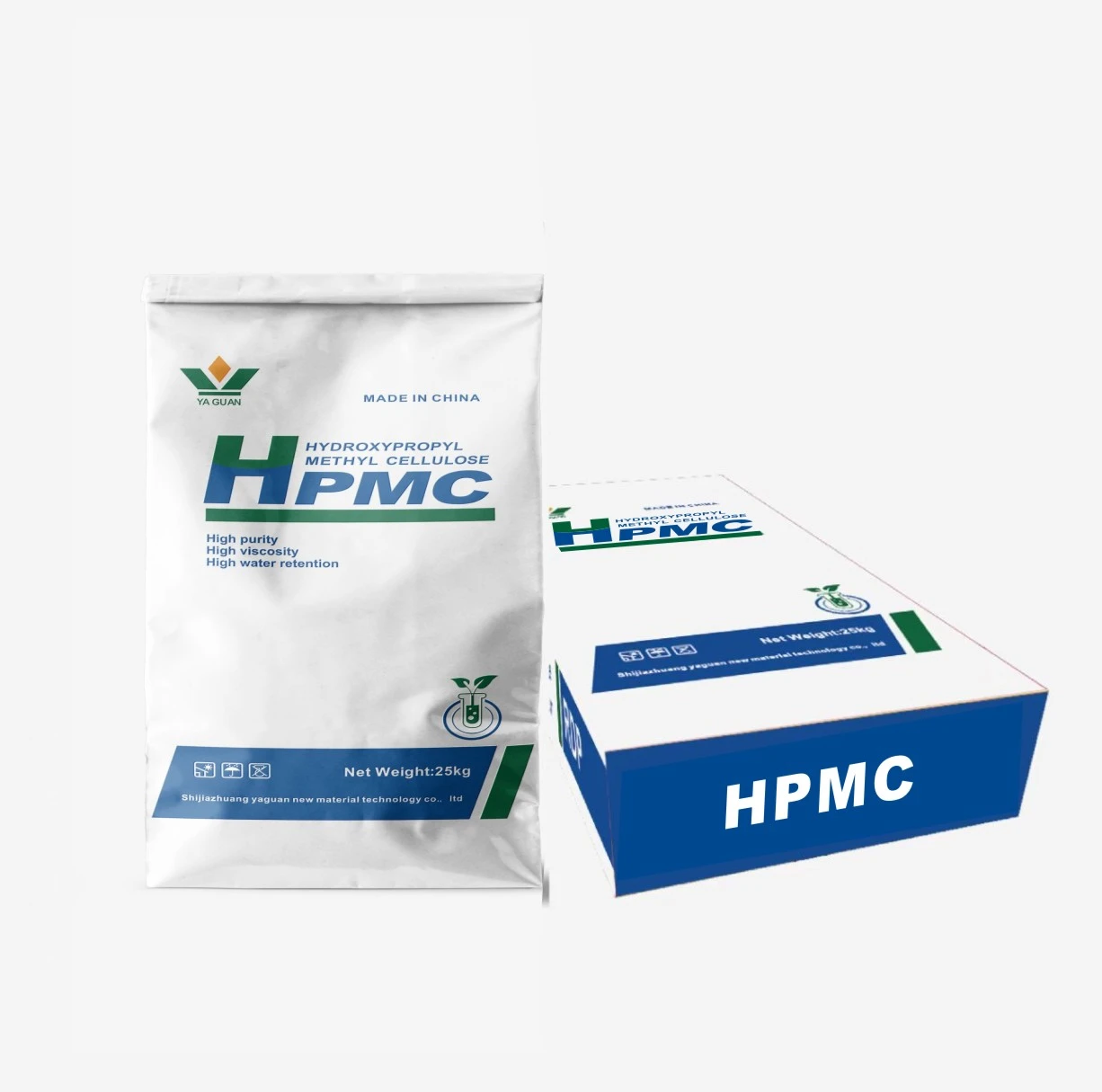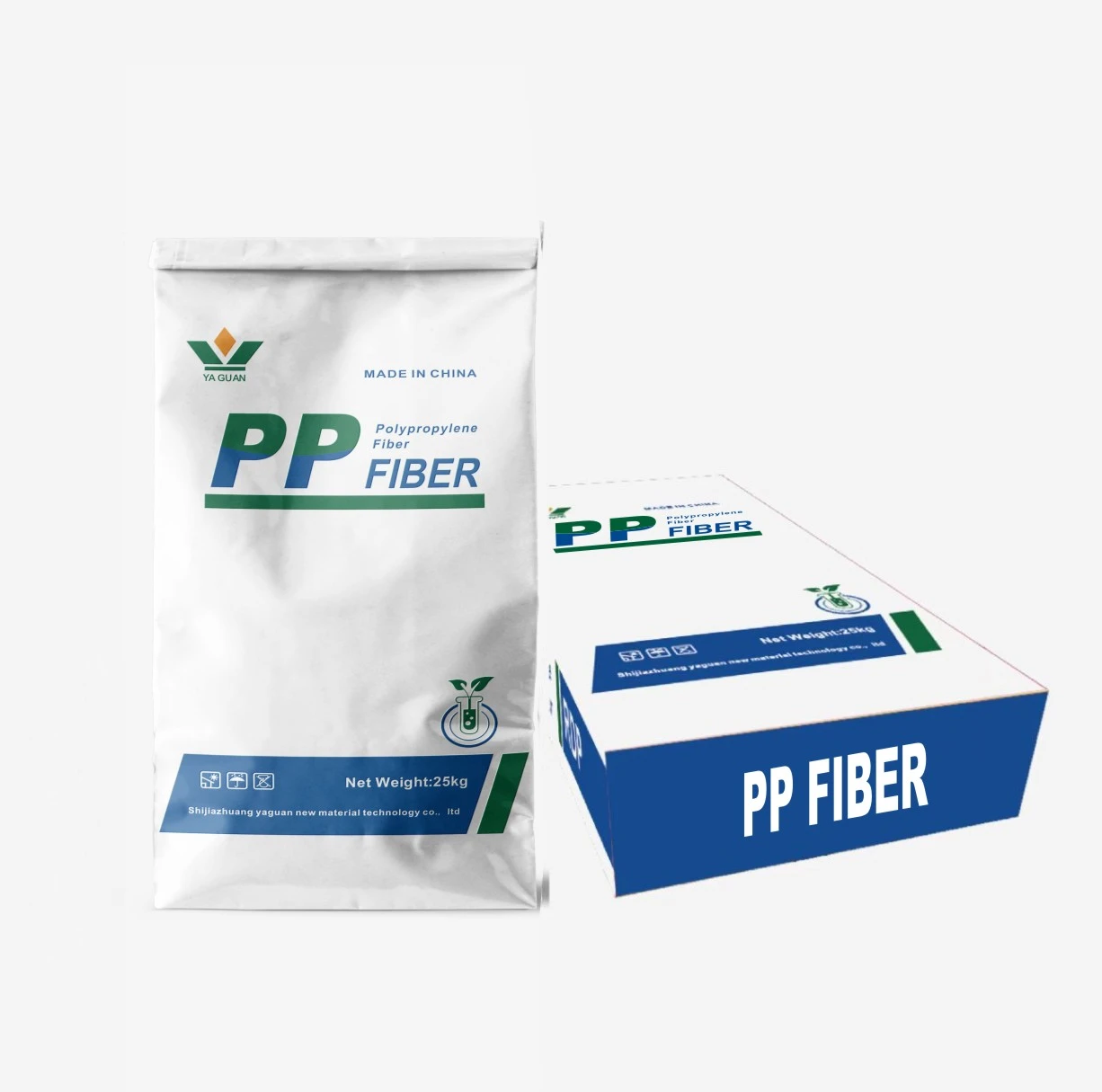

Understanding HPMC Thickener: A Small Ingredient with a Big Global Impact
Ever wondered how a simple powder can hold together the modern materials we use every day? That’s roughly what HPMC thickener does, quietly but crucially. Hydroxypropyl Methylcellulose (HPMC) is a cellulose derivative known for its thickening, binding, and stabilizing properties. Globally, its significance is growing in industries from construction to food to pharmaceuticals. Knowing why this thickener matters could improve everything from product durability to eco-friendliness—plus it sheds light on innovative industrial processes worldwide.
Introduction: Why HPMC Thickener Holds a Worldwide Spotlight
It might surprise you, but the global market for HPMC and related cellulose ethers is expected to reach several hundreds of millions of dollars by the mid-2020s, due to increasing demand in emerging markets and stricter quality standards in developed nations. The United Nations has highlighted sustainable construction materials as critical to its 2030 Development Goals, and HPMC fits squarely into that narrative. Construction, for instance, faces a lasting problem: making materials that don’t just hold up well but are also environmentally friendly. Traditional thickeners didn’t always meet that bar, leading to challenges in mixing and applying cement or plaster. HPMC thickener solves many of these issues as it improves workability and provides consistent results, reducing waste and energy consumption.
Mini takeaway: With growing sustainability targets worldwide, HPMC thickener isn’t just a chemical; it’s a solution for greener, smarter manufacturing.
What Exactly Is HPMC Thickener?
In simple terms, HPMC thickener is a powder derived from cellulose — the fibrous part of plants — chemically modified with hydroxypropyl and methyl groups to make it soluble in cold water. When added to liquid mixtures, it swells and creates a gel-like structure, increasing viscosity without changing the core characteristics. Think of it as a gentle hand that holds ingredients together, improving texture, flow, and stability.
It’s often used in industries where consistent moisture retention and good adhesion are crucial — everything from cement mortars and adhesives to pharmaceutical tablets and even gluten-free bakery items.
hpmc thickener exemplifies how traditional chemistry merges with modern needs. The global rise of modular constructions, eco-packaging, and specialty foods depends heavily on ingredients like these. Without them, many products would simply fall short.
Key Components and Features of HPMC Thickener
1. Water Retention
Water retention is essential, especially in mortar and plaster. HPMC thickener forms a stable film, slowing water evaporation, which leads to better curing and fewer cracks in construction materials. Many builders swear by this to get a smoother finish on site.
2. Viscosity Control
Besides thickening, HPMC can finely tune the viscosity of a mixture. Too thick is hard to apply; too thin can cause sagging. With HPMC, manufacturers can hit that sweet spot—something I noticed when visiting a plant. Workers said it made handling easier, saving time and headaches.
3. Thermal Stability
This thickener withstands temperature changes, meaning products remain consistent even in hot or cold climates—a useful feature in both Arctic warehouses and tropical sites.
4. Compatibility
HPMC works well with many additives — waterproofing agents, pigments, or fibers—making it highly customizable. This flexibility is why so many companies choose it over other thickening agents.
5. Non-toxicity & Eco-Friendliness
Made from renewable plant sources, HPMC is biodegradable and safe, which ticks both regulatory and consumer boxes. It’s a small ingredient with a surprisingly green footprint.
Mini takeaway: The consistent performance, safety, and adaptability of HPMC thickener make it a quietly powerful ingredient used across sectors worldwide.
Product Specifications: A Quick Look
| Specification | Typical Range | Notes |
|---|---|---|
| Methoxy Content (%) | 19.0–24.0 | Affects solubility and viscosity |
| Hydroxypropyl (%) | 4.0–12.0 | Increases hydration and gelling |
| Viscosity (mPa·s) | 1000–6000 | Measured in 2% aqueous solution |
| pH of 2% Solution | 5.0–8.0 | Near neutral, stable in most materials |
Global Applications: Where HPMC Thickener Makes a Difference
The versatility of HPMC thickener means it snugly fits into many industries worldwide.
- Construction and Building: Used in cementitious products across Europe and Asia, it improves mortar adhesion and workability. In harsh climates of Canada or Scandinavia, its water retention properties reduce cracks and increase structure longevity.
- Pharmaceuticals: In North America and India, HPMC flavors and controls release mechanisms in tablets and eye drops, improving patient compliance.
- Food Industry: As a gluten replacement or stabilizer in vegan and specialty diets, it’s gaining traction in Western Europe and the U.S.
- Paints & Coatings: Emulsions stabilized with HPMC last longer, an important factor for outdoor industrial equipment, especially in countries with fluctuating temperatures.
Oddly enough, in remote industrial zones—say, a mining site in Australia—HPMC thickener makes mixing dry powders on-site easier, preventing messy clogging and improving safety by reducing dust.
Mini takeaway: From Arctic to tropical, pharma labs to bakeries, HPMC thickener quietly enables global industries to function better, safer, and greener.
Why HPMC Thickener Is a Long-Term Value Investment
It’s not just about thickening; it’s about reliability and sustainability. Cost efficiency is better in the long run when products last longer and waste less. Socially, safe, non-toxic materials build trust with customers—something modern brands really value.
Many engineers I’ve spoken to mention how it lowers energy use on site, thanks to improved water retention reducing rework. It also means better worker safety — less dust, easier application— and frankly, less frustration on the job.
Emotionally, it’s about dignity: building homes that don’t crack in the first winter, offering medicines that work as intended, and food products that don’t compromise on texture or taste.
Looking Ahead: Innovations & Future Trends in HPMC Thickener
Research is focusing on greener production methods, moving away from petrochemical solvents to bio-based alternatives. Nanotechnology and molecular tailoring also promise HPMC grades with enhanced properties like faster curing or specialized release in pharmaceuticals.
Digital tools now can simulate mixing behavior with HPMC thickener, reducing R&D times dramatically. There’s even talk of combining HPMC with smart sensors to create “intelligent” coatings that indicate structural health — imagine that!
Common Challenges & How Industry Is Tackling Them
HPMC’s main challenge is balancing cost with performance. It can be pricier upfront than traditional thickeners, causing hesitation for smaller companies. But bulk buying, blended products, and improved manufacturing efficiencies are softening this.
Another tricky bit is moisture sensitivity; too much humidity during storage can lower quality. Vendors now offer better packaging solutions, including moisture-proof sachets, to maintain consistency.
Vendor Comparison: HPMC Thickener Suppliers Overview
| Supplier | Product Range | Price Range | Lead Time | Certifications |
|---|---|---|---|---|
| Yaguan Chemicals | Wide (1000-6000 mPa·s viscosities) | Competitive | 1-2 weeks | ISO, REACH |
| CelluTech Corp | Medium (1500-4000) | Moderate-High | 2-3 weeks | ISO, GMP |
| BioPolymer Europe | Niche specialty grades | High | 3-4 weeks | ISO, Ecocert |
Frequently Asked Questions About HPMC Thickener
Q1: How does HPMC thickener improve mortar application?
A1: HPMC thickener increases mortar viscosity and water retention, making it easier to apply smoothly without sagging or shrinkage. It also delays drying, which reduces cracks and improves final strength.
Q2: Can HPMC thickener be used in food production safely?
A2: Yes, HPMC is FDA-approved as a food additive. It acts as a thickener or stabilizer, especially in gluten-free and vegan foods, providing texture without affecting taste or nutrition.
Q3: What challenges should I expect when storing HPMC thickener?
A3: HPMC is sensitive to moisture and humidity, which can reduce its quality. Store it in sealed, dry, cool environments to maintain effectiveness over time.
Q4: Is it possible to customize the viscosity of HPMC thickener?
A4: Definitely. Different grades provide a range of viscosities from 1000 to 6000 mPa·s. Suppliers can help choose or blend grades for specific application needs.
Q5: How can NGOs source HPMC thickener for humanitarian construction projects?
A5: NGOs should work with reputable suppliers who understand international logistics. Bulk purchasing and clear communication on storage and transport conditions are key to ensuring timely, quality deliveries.
Wrapping Up: The Last Word on HPMC Thickener
HPMC thickener might just be one ingredient in vast supply chains, but it plays an outsized role in improving product quality, sustainability, and innovation worldwide. Whether it’s a builder trying to get that perfect finish or a pharma company ensuring reliable drug delivery, the benefits are tangible, and frankly, pretty impressive.
If you want to explore quality HPMC solutions that fit your project or industry, I suggest checking out Yaguan’s range, trusted globally for its performance and consistency.
Until next time, keep in mind: sometimes, it’s the quiet helpers like thickeners that truly hold everything together...