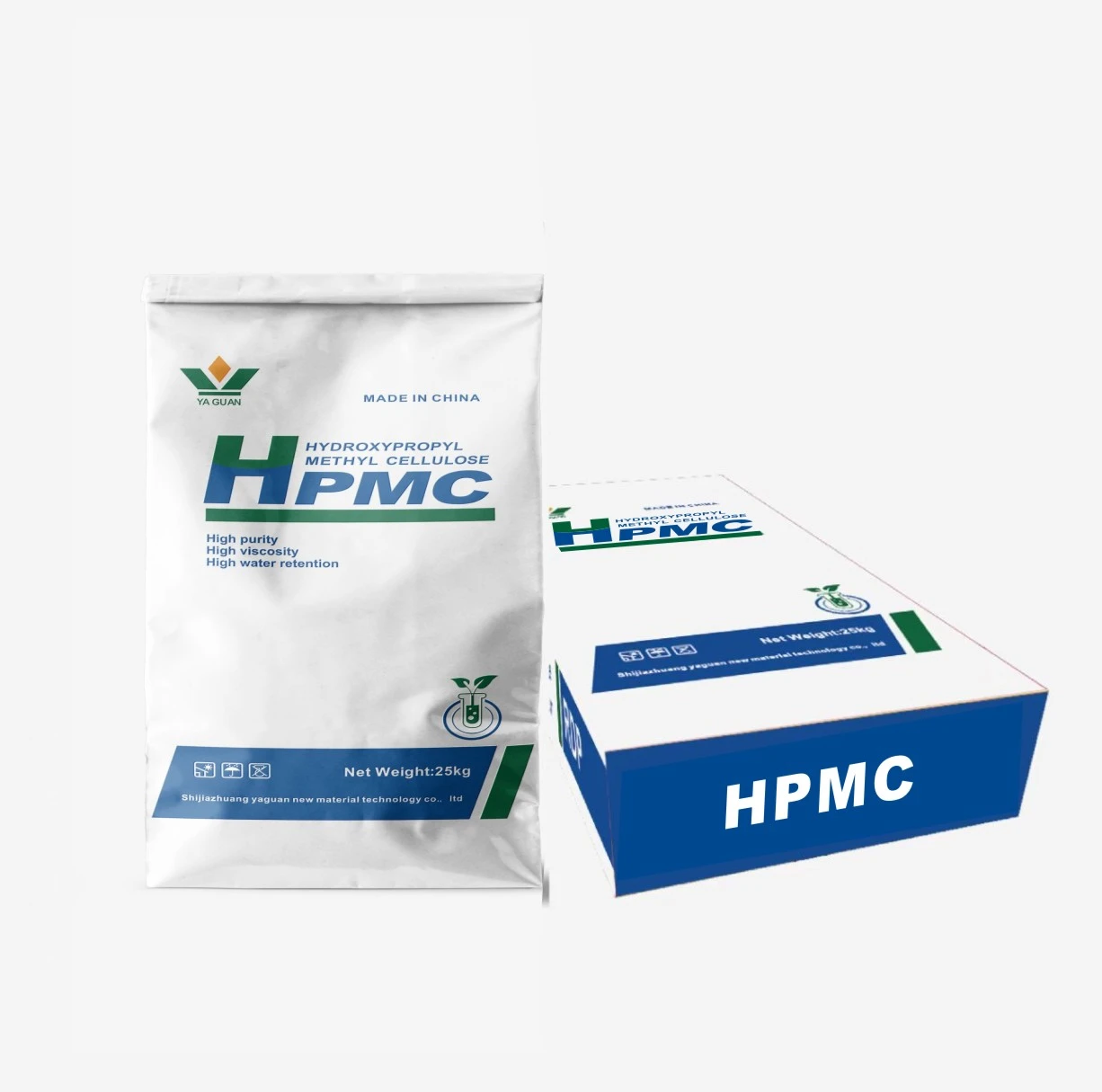
Understanding HPMC Surfactant: Its Global Importance and Practical Benefits
In today's fast-evolving industrial and environmental landscape, HPMC surfactant has quietly become a cornerstone ingredient that's shaping countless applications worldwide. Whether it's about improving product stability, enhancing compatibility in formulations, or enabling greener chemical processes, understanding this compound helps industries innovate responsibly. Its global relevance spans from construction materials in emerging markets to pharmaceutical and cosmetic formulations developed in advanced research labs. So why does it matter, and what key advantages does it bring? Stick around — this is more than just jargon.
The Global Context: Why HPMC Surfactant Matters More Than You Might Think
The global chemical additive market, which includes surfactants like hydroxypropyl methylcellulose (HPMC), is projected to grow steadily—driven largely by sustainable manufacturing demands and stricter regulatory standards worldwide. According to ISO reports and the United Nations Environment Programme, eco-friendly additives have a clear edge in reducing hazardous waste and toxic emissions. Still, many industries wrestle with finding surfactants that balance effectiveness with environmental concerns.
Here’s a reminder: the surfactant sector isn’t just a quiet back-office function. It directly impacts water treatment, agriculture, pharmaceuticals, and even disaster-relief materials. For instance, in remote industrial zones, reliable HPMC surfactants enhance product durability in harsh climates. That matters when lives and infrastructure are on the line.
What Exactly Is HPMC Surfactant?
At its core, HPMC surfactant stands for “hydroxypropyl methylcellulose” — a cellulose derivative widely used as a thickening, emulsifying, and stabilizing agent. But what's intriguing is its surfactant property, reducing surface tension between water and oils, thereby improving formulation mixture and performance.
In simple terms, think of HPMC surfactant as a kind of molecular matchmaker, helping ingredients that normally wouldn’t mix well to stay bonded and do their job. This capability is crucial not only in everyday products like paints, cosmetics, or food but also in more specialized areas like pharmaceutical drug delivery or eco-friendly construction materials.
Core Aspects of HPMC Surfactant You Should Know
Durability
This compound doesn’t just mix things up; it boosts product lifespan by improving resistance against heat and moisture. Many engineers say HPMC surfactant helps create coatings and building materials that last longer under harsh weather, which cuts down on maintenance costs over time.
Biodegradability
Contrary to common surfactants derived from petroleum, HPMC surfactant is typically biodegradable. This makes it a preferred choice for manufacturers pursuing greener product lines and aiming to comply with environmental regulations.
Compatibility
Its chemical nature lets it blend seamlessly with water, solvents, and a range of polymers. This versatility means fewer headaches during formulation and scaling up production. In pharmaceuticals, for example, this means improved drug solubility and stability.
Cost Efficiency
While not the cheapest additive around, the overall benefits such as reducing product rework or extending shelf life make it cost-effective in the long haul. Plus, its broad availability means supply chain issues are less common—always a bonus in today’s unpredictable market.
Scalability
Because it’s relatively easy to source and apply, industries from cosmetics to construction can scale formulations containing HPMC surfactant without huge operational shifts. This practical aspect makes it popular among growing businesses focused on innovation without overhauling old recipes.
Global Applications of HPMC Surfactant
You’ll find HPMC surfactant quietly playing a role in diverse industries:
- Construction: Used in cement and plaster mixes to improve texture and water retention — especially important in arid or humid regions like the Middle East and Southeast Asia.
- Pharmaceuticals: Acts as a controlled-release agent ensuring medication stability, particularly in tablets and suspensions used across Europe and North America.
- Cosmetics: Emulsifies creams and lotions for consistent feel, widely used by brands experimenting with organic and natural lines targeting eco-conscious consumers.
- Food: Serves as a stabilizer in bakery and dairy products—a subtle but vital ingredient in many global food supply chains.
- Disaster Relief Materials: Enhances formulation of lightweight, durable temporary shelters and sealants, benefiting NGOs operating in disaster-prone zones.
Oddly enough, these diverse uses underline just how flexible HPMC surfactant really is. It adapts, scales, and proves reliable in contexts that demand trust.
Mini-Takeaway:
From global construction to humanitarian aid, the multifunctional nature of HPMC surfactant makes it indispensable for industries aiming for durability and sustainability.
Advantages and Long-Term Value: Why It’s Worth Considering
Firstly, the financial benefits can’t be overstated—reducing formulation failures or waste saves significant money. But there’s more to it than just the bottom line:
- Sustainability: Using biodegradable surfactants aligns with global efforts to reduce plastic and chemical pollution, a growing concern highlighted by UN environmental data.
- Reliability: Manufacturers appreciate how predictable the performance of HPMC surfactants is, which builds trust and reduces iteration cycles.
- Social Impact: In products like emergency shelter materials, it tangibly increases safety and dignity for displaced communities—something that’s hard to quantify but hugely important.
Future Trends and Innovations Related to HPMC Surfactants
The horizon looks promising. Researchers are exploring enzymatic methods to produce HPMC surfactants more sustainably, reducing energy use during manufacturing.
Green chemistry principles are driving new formulations that combine HPMC with bio-based oils and solvents, boosting biodegradability without sacrificing performance. Automated quality testing powered by AI promises to fine-tune surfactant blends for specific climates or industrial needs—a breakthrough that could reshape sectors from cosmetics to construction.
Challenges and Solutions in Using HPMC Surfactants
Despite the benefits, a few issues persist:
- Formulation Sensitivity: Small variations in pH or temperature can affect performance, complicating mass production sometimes.
- Cost Concerns: While affordable, initial shifts to HPMC-based products can seem costly versus traditional additives.
- Supply Consistency: High demand occasionally leads to shortages, especially in emerging markets.
However, innovations like tailored polymer grades, better supplier coordination, and adaptive formulation software are helping overcome these challenges quickly. It feels like the industry is quite adept at turning troubles into opportunities.
Practical FAQ About HPMC Surfactant
- Q: What types of products most benefit from adding HPMC surfactants?
A: Industries ranging from construction materials to cosmetics use HPMC surfactants to improve stability, texture, and durability. Its water retention properties are especially valuable in cement and plaster formulations. - Q: Can HPMC surfactant help reduce environmental impact?
A: Yes, due to its biodegradability and the ability to replace petroleum-derived surfactants, it aligns well with green manufacturing goals and reduces toxic waste. - Q: Are there any limitations in using HPMC surfactants?
A: They are sensitive to changes in temperature and pH, so formulations must be carefully controlled during production and storage. - Q: How do manufacturers source high-quality HPMC surfactant?
A: Trusted vendors focus on consistent polymer grades and transparent supply chains. Companies often rely on regional suppliers with certifications to ensure quality. - Q: Is it feasible for a small business to incorporate HPMC surfactants?
A: Absolutely. Since it scales well and is widely available, even startups can experiment with HPMC surfactant to improve product performance and sustainability.
Product Specification Table of Typical HPMC Surfactant
| Specification | Typical Value | Unit |
|---|---|---|
| Molecular Weight | 86,000 - 126,000 | Daltons |
| Viscosity (2% solution at 20°C) | 1000 - 12000 | mPa·s |
| pH (2% solution) | 6.0 - 8.0 | — |
| Substitution Degree (Methoxy) | 19-24 % | Weight % |
| Substitution Degree (Hydroxypropyl) | 4-12 % | Weight % |
| Appearance | White powder | — |
Vendor Comparison Table for HPMC Surfactants
| Vendor | Quality Certification | Average Lead Time | MOQ | Price Range (USD/kg) | Notes |
|---|---|---|---|---|---|
| Yaguan Chemicals | ISO 9001, REACH | 3-5 days | 100 kg | 3.50 - 4.20 | High purity, flexible packaging options |
| CelluChem Ltd. | ISO 14001 | 7-10 days | 500 kg | 3.20 - 3.90 | Economical, slower delivery |
| GreenBio Surfactants | REACH, EcoCert | 5-7 days | 200 kg | 4.00 - 4.80 | Focus on sustainability, premium pricing |
Wrapping Up: Why Keep an Eye on HPMC Surfactant?
There’s something quietly powerful about an ingredient that spans industries, continents, and mixtures—often without garnering headlines. HPMC surfactant fits this bill perfectly, merging chemistry with sustainability and practical value. Whether you’re formulating the next generation of eco-friendly cosmetics or building resilient infrastructure in challenging climates, it’s worth understanding and considering this versatile compound.
For a deeper dive or sourcing high-quality HPMC surfactant for your projects, feel free to visit hpmc surfactant. Innovation often starts with materials — and choices like this shape our collective future.
Mini-Takeaway:
HPMC surfactant’s combination of durability, sustainability, and compatibility creates a recipe for long-term success that many industries rely on daily.