
Understanding High Range Water Reducer Concrete
Having spent more than a decade working hands-on with industrial construction materials, I’ve seen how subtle tweaks to mix designs radically change performance, cost, even sustainability. High range water reducer concrete—often called superplasticizer concrete—has been one of those game-changers. You know how concrete can be stubborn? Like, it needs just the right water amount to flow easily but not compromise strength. This type of admixture basically lets you have your cake and eat it too.
So what’s the big deal with high range water reducers? Frankly, they’re additives that drastically lower the water content needed for a workable concrete mix without sacrificing workability. You end up with a mix that flows well (which is huge for complex pours) but cures to a super strong, durable matrix. It’s like magic, if you’re into that sort of thing.
Industry trends over the past few years have pushed for higher performance concrete with lower environmental footprints. Less water means less cement paste overall, impacting CO2 emissions too – a subtle but real bonus. Plus, since these water reducers improve flowability, you reduce vibrational compaction needs on site—making for smoother, quieter pours.
Key Characteristics and Materials
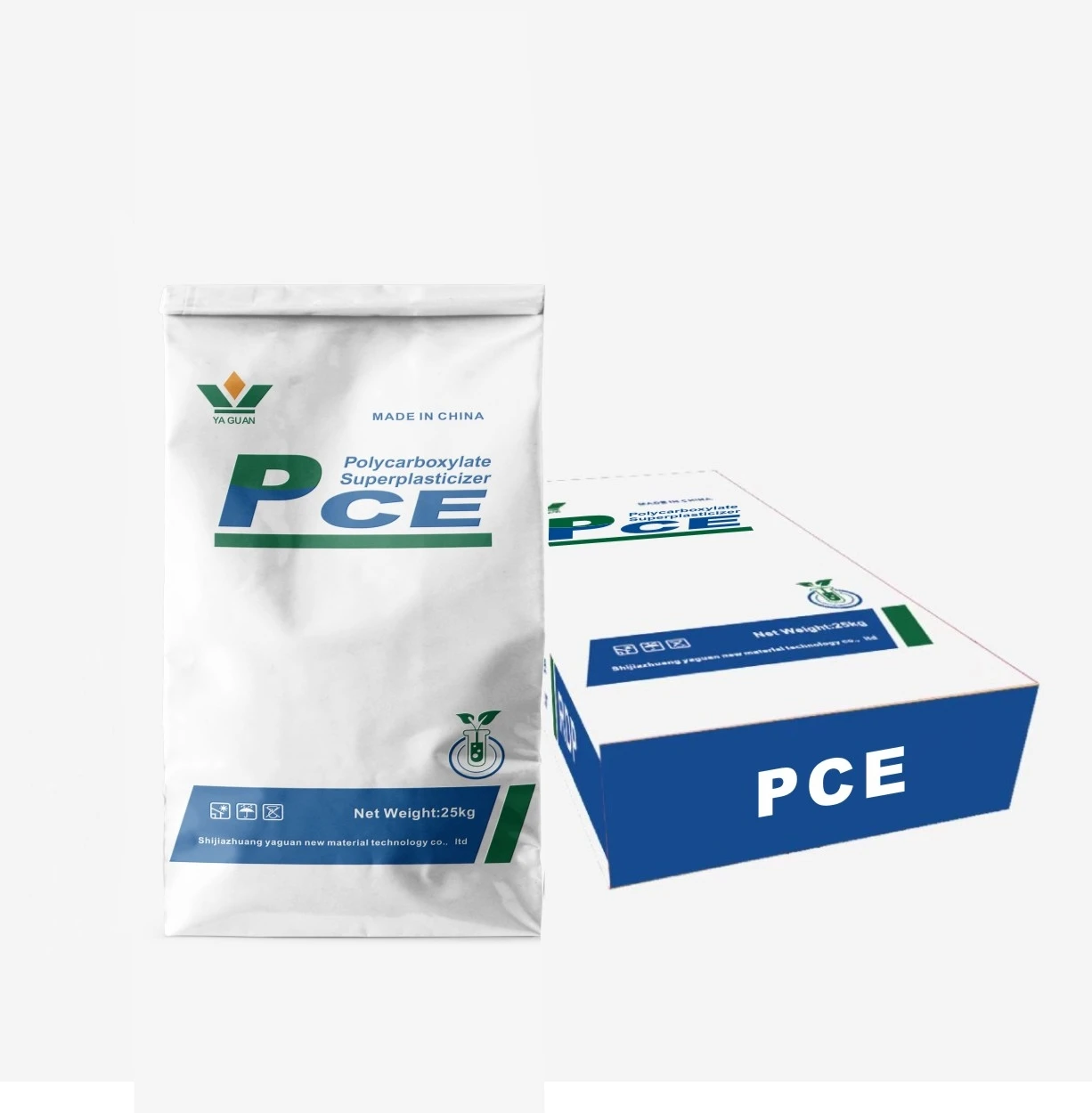
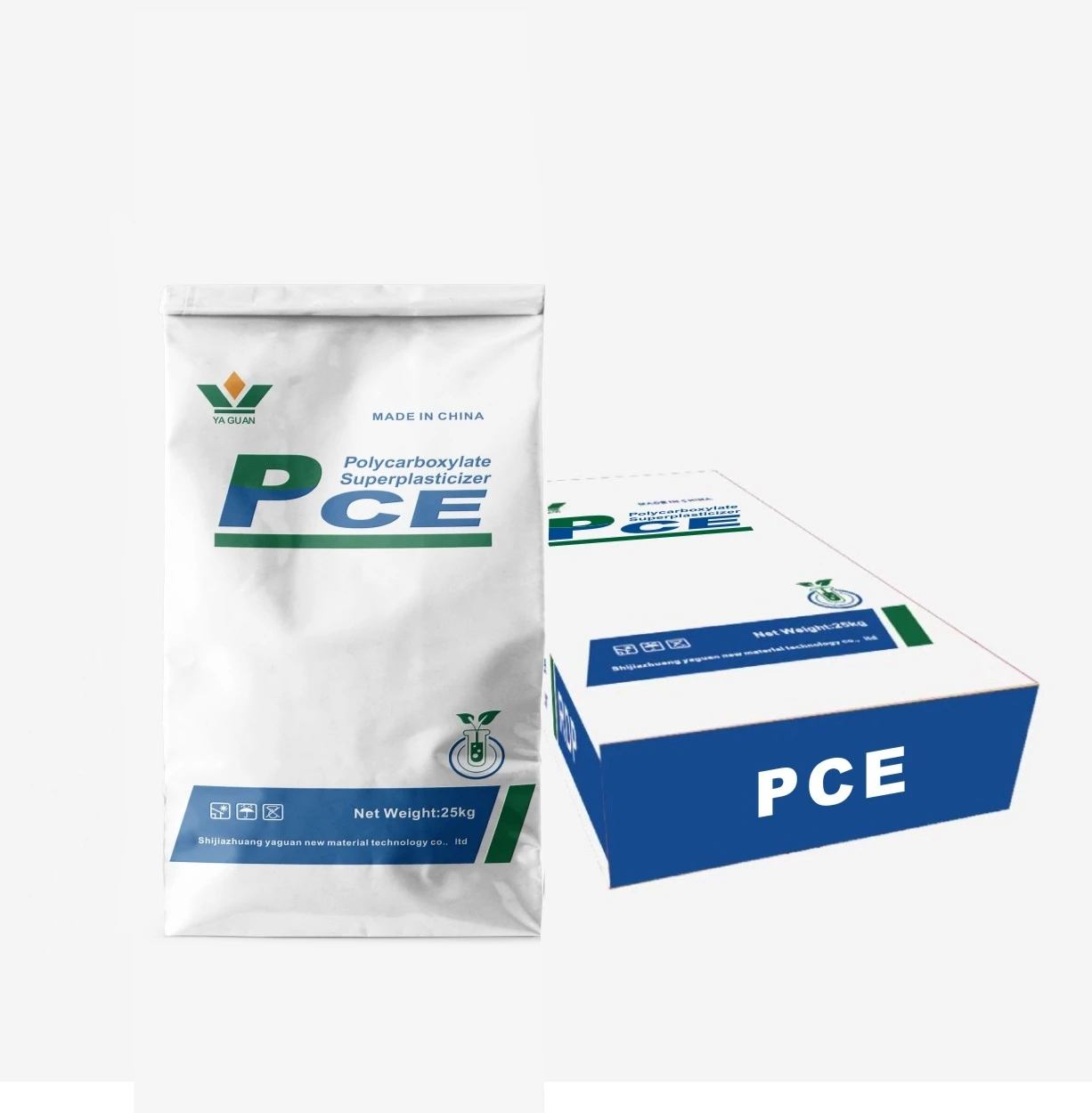
These high range water reducers are mostly based on polycarboxylate ethers (PCE), which chemically adsorb onto cement particles, providing steric hindrance and preventing them from clumping. This means the cement grains disperse better, letting water coat more surface evenly—hence greater fluidity with less water.
In practical terms, I first noticed the difference when switching to PCE-based admixtures about a decade ago. Concrete that would usually stiffen rapidly stayed workable for longer, even with less water. Quality control testing showed higher compressive strengths at 28 days, often exceeding 50 MPa, depending on mix. It was almost like the concrete had more life in it.
| Property | Value/Range |
|---|---|
| Active Ingredient | Polycarboxylate Ether (PCE) |
| Dosage | 0.3% - 1.5% by weight of cement |
| Water Reduction | Up to 40% less water compared to standard mix |
| Set Time Impact | Minimal delay or prolongation (~30-60 min) |
| Color | Light straw to amber liquid |
| pH | 8-10 typical |
| Compatibility | Works well with most cements and SCMs (fly ash, slag) |
Comparing Popular Vendors of High Range Water Reducers
Now, odd as it may sound, not all high range water reducers are created equal. During my years consulting for various projects, I noticed subtle differences—things like slump retention time, dosage flexibilities, and even how they play with other admixtures on site.
| Vendor | Water Reduction (%) | Set Time Effect | Price (per liter) | Typical Applications |
|---|---|---|---|---|
| Brand A | 35-40% | Slight delay (~45 min) | $$$ | High-strength structural |
| Brand B | 30-38% | Minimal change | $$ | Precast & high flow mixes |
| Brand C | 38-42% | Moderate delay (~60 min) | $$$$ | Specialty concretes |
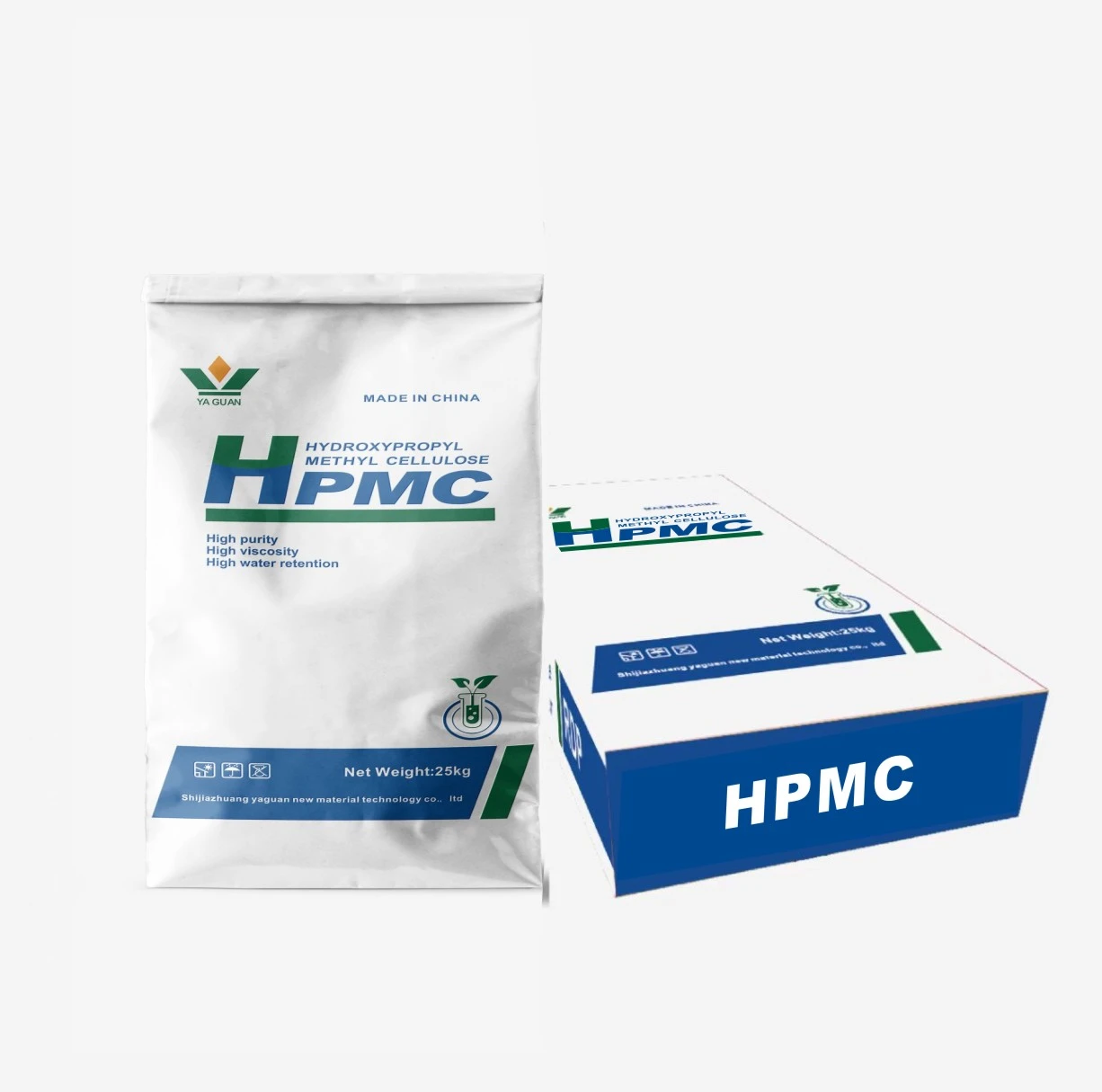
| Yaguan HPMC | Up to 40% | Minimal impact | $$$ | Versatile for multiple uses |
One favorite memory was a project in a coastal city where the contractor was battling difficult site conditions—high humidity and a tight schedule. Switching to a quality high range water reducer dramatically improved slump retention, so pumping concrete over long distances was smooth sailing, no nasty set surprises. The client actually called back later just to thank us, which was pretty heartening.
In conclusion, high range water reducer concrete is more than just a neat chemical trick. It’s an essential tool for modern construction, allowing engineers and site managers to push concrete performance while keeping costs and environmental impacts in check. If you haven't tried incorporating such an admixture, I’d encourage you to explore options—starting perhaps at Yaguan HPMC. They offer solid products that balance performance and reliability, something you definitely notice when the mixing drums start spinning.
In the sometimes dusty and hectic world of industrial equipment and materials, it’s these incremental improvements that feel most rewarding.
References:
1. Neville, A.M., Properties of Concrete, 5th Ed., 2011.
2. Mindess, S., Young, J.F. & Darwin, D., Concrete, 2nd Ed., 2003.
3. Personal industry experience and conversations with practitioners.