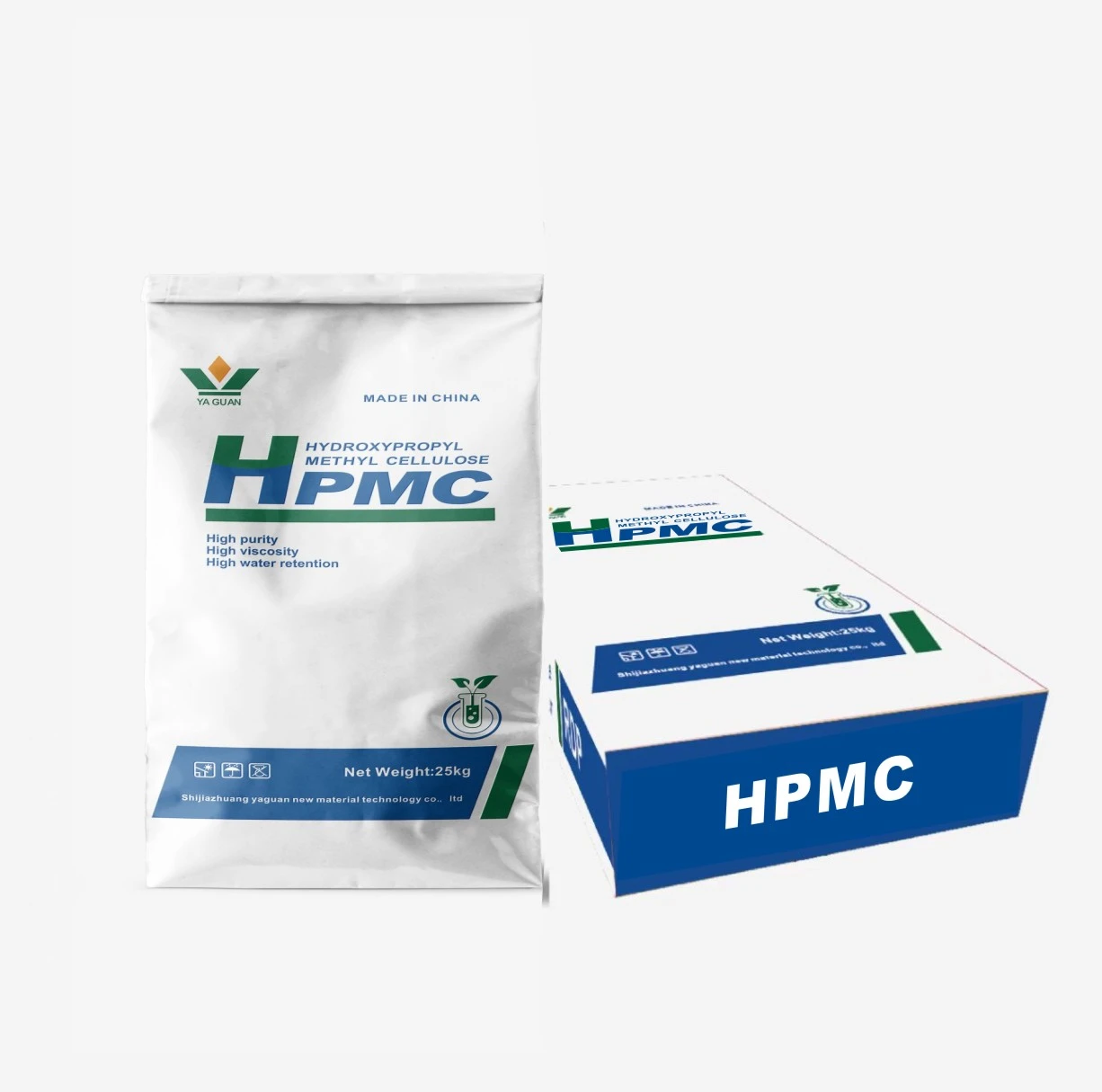

What the HPMC CAS No Means and Why It Matters Globally
Hypromellose—better known in the chemistry world as Hydroxypropyl Methylcellulose (or simply HPMC)—is one of those substances that quietly supports an enormous range of industries worldwide. The term HPMC CAS No refers to the unique Chemical Abstracts Service registry number assigned to this compound. Think of it as the global “passport” for identifying HPMC in scientific and commercial contexts. Why should you care? Well, understanding the HPMC CAS No isn’t just esoteric paperwork; it’s critical for manufacturers, regulators, and suppliers trying to maintain quality, safety, and legality in everything from pharmaceuticals to construction materials.
In a world leaning heavily on functional, sustainable chemical agents, knowing the ins and outs of such identifiers allows industries to innovate responsibly and expedite global trade. Putting it simply: the HPMC CAS No helps ensure the right stuff ends up where it’s supposed to, doing the right job, without nasty surprises.
Introduction: The Global Importance of HPMC CAS No
Globally, the demand for cellulose derivatives like HPMC has grown steadily—by roughly 5–7% annually according to data from the International Cellulose Fiber Association and trade bodies. Why? Because industries from food services to cosmetics, pharmaceuticals, and even paints and coatings rely on HPMC for its thickening, emulsifying, and binding properties. And the hpmc cas no functions as a trusted, internationally recognized reference, simplifying supply chain compliance and product safety certification.
Yet, despite its widespread use, one challenge remains persistent: differing regulatory standards worldwide mean that chemical suppliers and product developers need an unambiguous way to identify their material. The HPMC CAS number is that solution, harmonizing global regulatory platforms from the FDA to the European Chemicals Agency (ECHA).
Defining HPMC and Its CAS No
So what exactly is HPMC? Hydroxypropyl Methylcellulose is a semi-synthetic derivative of cellulose—a polysaccharide made from glucose units—which has been chemically modified to gain unique properties like water solubility, film-forming ability, and thermal gelation. When you hear about HPMC, think about its role as an inactive ingredient in drug capsules, a stabilizer in food items, or a binder for cement in construction materials.
The HPMC CAS number, often 9004-65-3, is this chemical’s unique numeric identifier assigned by CAS, which catalogs substances worldwide for scientific clarity. This number eliminates any ambiguity, especially since HPMC can vary based on its degree of substitution and molecular weight.
Key Features of HPMC—and Why They Matter
1. Water Solubility and Film Formation
HPMC dissolves easily in cold water, creating a clear, viscous solution that can form films. This is crucial in pharmaceuticals for coating tablets and controlling drug release rates.
2. Thermal Gelation Behavior
Oddly enough, HPMC solutions turn into gels when heated—a rare characteristic that makes it valuable in food science for texture control and in building materials for workability during curing.
3. Chemical Stability
Unlike some polymers that degrade quickly, HPMC boasts thermal and chemical stability over a broad pH range, making it reliable for long-lasting applications.
4. Versatility Across Industries
Whether improving paint consistency, delaying dough staling in baked goods, or acting as a dry binder in pharma, HPMC’s many forms and grades have applications everywhere.
5. Biocompatibility and Non-Toxicity
This cellulose derivative is largely inert and safe, which is why the food and pharmaceutical sectors embrace it so warmly.
Mini takeaway: HPMC is a multi-talented workhorse, and the CAS number tags it uniquely—crucial for quality control and product consistency.
Global Applications and Real-World Examples
In post-disaster relief operations, rapid deployable medical supplies often rely on capsules and binders containing HPMC for stability and sterility. Also, in remote industrial zones, where conditions vary wildly, paint companies prefer HPMC to ensure their products maintain consistency despite temperature shifts.
From East Asia’s booming pharmaceutical exports to Europe’s food packaging innovations, the HPMC CAS No is the reference point ensuring all parties are literally “speaking the same chemical language.” Even large NGOs sometimes face hurdles importing materials when CAS numbers don’t match on customs paperwork — a reminder of how vital this identifier is.
| Property | Grade A | Grade B | Grade C |
|---|---|---|---|
| Methoxy Content (%) | 19-24 | 28-30 | 22-26 |
| Hydroxypropyl Content (%) | 4-12 | 2-6 | 4-10 |
| Viscosity (mPa·s) | 50-4000 | 100-3000 | 20-2000 |
| Application | Pharma Tablet Coating | Food Thickener | Paints & Coatings |
Advantages and the Long-Term Value of HPMC
- Cost efficiency: HPMC acts as a cost-effective substitute for more expensive or less environmentally friendly chemicals in many products.
- Sustainability: Derived from natural cellulose, it’s biodegradable and safer for ecosystems, meeting increasing regulatory and consumer demand for green products.
- Health and Safety: Non-toxic and biocompatible, which makes it ideal in medical and food applications where human exposure is a priority.
- Reliability: Thanks to its chemical stability, products containing HPMC maintain quality longer—boosting consumer confidence and reducing waste.
Beyond these tangible benefits, HPMC also contributes to intangible yet critical values like trust and innovation. It’s the quiet enabler behind many pharma breakthroughs and sustainable advancements.
Future Trends and Innovations in HPMC Use
Looking ahead, the integration of green energy in manufacturing processes is set to reduce the carbon footprint of HPMC production. Several companies are investing in bio-based solvents and automation to enhance purity and efficiency.
Digital transformation initiatives are emerging too—think blockchain for material sourcing transparency, ensuring every batch linked to its CAS number is fully traceable. Some innovators experiment with nano-composite materials by combining HPMC with novel graphene or cellulose nanocrystals to develop ultra-strong, lightweight films for electronics and packaging.
One might say that while HPMC remains fundamentally rooted in a simple polymer structure, the horizons for its applications and sustainability are expanding dramatically.
Challenges and How Industry Tackles Them
Though versatile, HPMC faces some challenges. Batch-to-batch consistency can sometimes fluctuate, affecting quality control. Additionally, solubility issues at high temperatures can complicate manufacturing.
Experts often recommend rigorous testing under ISO standards (e.g., ISO 9001 for quality management) combined with advanced process controls like in-line viscosity monitoring to solve these problems. Research into modified derivatives also seeks to enhance thermal stability and expand usable pH ranges.
| Vendor | Grades Offered | Quality Certification | Typical Lead Time | Main Markets |
|---|---|---|---|---|
| Supplier A | Pharma, Food | ISO 9001, FDA | 2 weeks | North America, Europe |
| Supplier B | Construction, Paints | ISO 14001, REACH | 3 weeks | Asia, Middle East |
| Supplier C | Food, Pharma, Paints | ISO 9001, GMP | 1-2 weeks | Global |
FAQ: Frequently Asked Questions About HPMC CAS No
- What exactly does the HPMC CAS No represent?
- The HPMC CAS No (9004-65-3) is a unique numerical identifier given to hydroxypropyl methylcellulose by the Chemical Abstracts Service. It ensures universal reference across regulatory bodies and industries, eliminating confusion from naming variations.
- How does HPMC differ from other cellulose derivatives?
- HPMC is water-soluble and forms thermal gels, unlike some cellulose ethers which may be insoluble or have different reaction profiles. Its unique substitution pattern gives it broad applications in pharma, foods, and construction.
- Is HPMC safe for food and pharmaceutical use?
- Yes, HPMC is widely recognized as safe (GRAS) and used extensively in capsule coatings and as a food additive. It is non-toxic, biocompatible, and generally inert in the body.
- How can I ensure I’m sourcing quality HPMC?
- Look for suppliers that provide full documentation with the HPMC CAS No, batch certificates, and quality certifications like ISO 9001 or GMP. Consistency in viscosity and chemical composition is key.
- What industries are rapidly adopting HPMC?
- Pharmaceuticals, construction, cosmetics, and food industries are seeing increased HPMC adoption due to its functionality, safety, and environmental benefits.
Conclusion and Next Steps
In real terms, the hpmc cas no is more than just a numeric code—it's a gatekeeper for ensuring quality, safety, and trust in a chemically complex world. Whether you’re a manufacturer looking to streamline compliance, or an end user valuing product reliability, understanding this identifier is crucial to long-term success. As sustainability and regulation tighten, having a clear handle on your chemical substances pays dividends.
If you’re curious to explore better grades, bulk options, or need detailed technical data, visit our website at https://www.yaguanhpmc.com and discover tailored solutions.