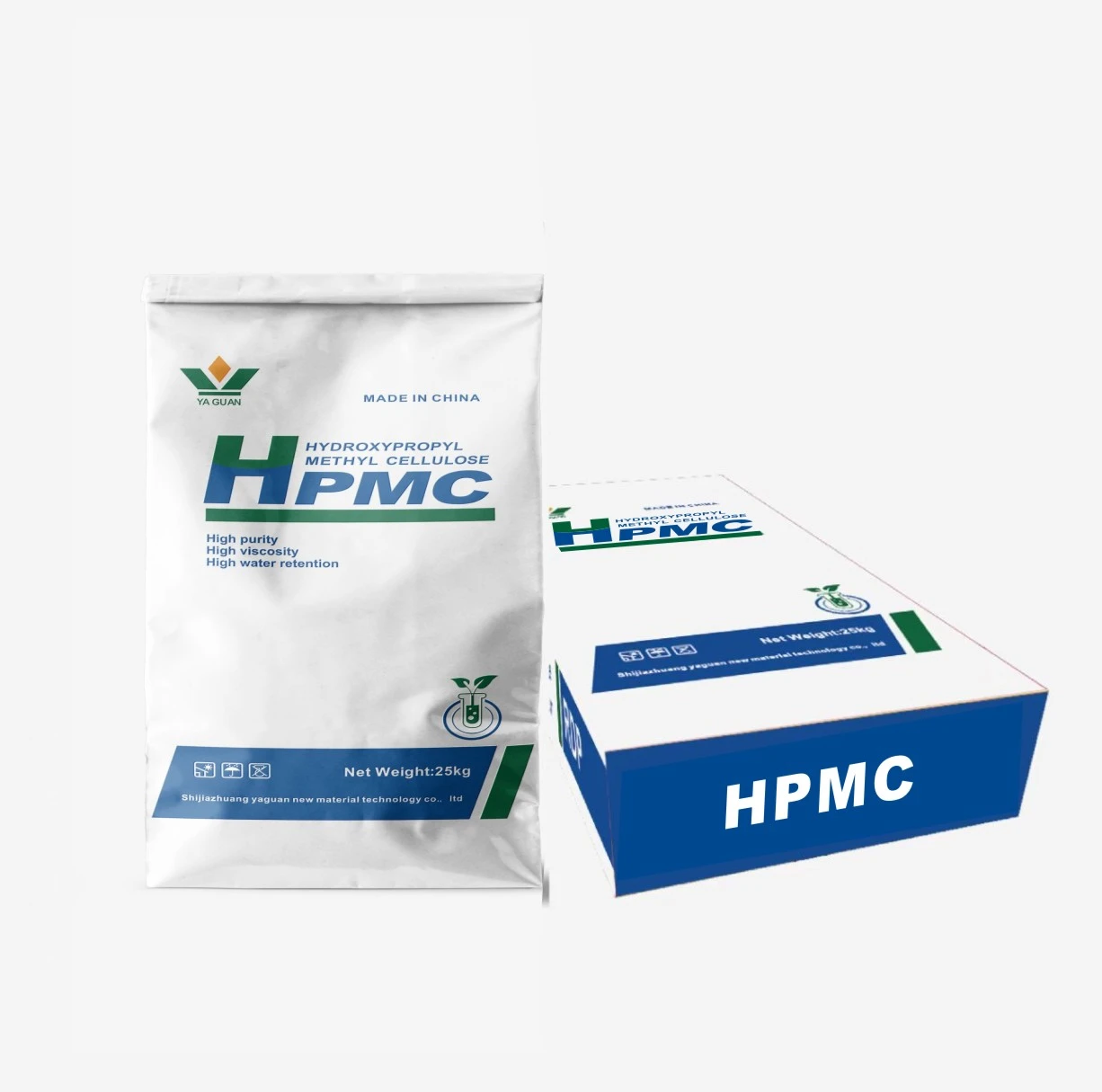

Understanding Hydroxypropyl Methylcellulose CAS: A Small Miracle Ingredient
If you’ve ever glanced at the ingredient list of everyday products or wondered what binds construction materials seamlessly, you might have come across the term hydroxypropyl methylcellulose CAS. It sounds like a mouthful—but this compound quietly powers countless industries globally. Essentially, it’s a cellulose derivative offering thickening, film-forming, and stabilizing magic that fuels everything from pharmaceuticals and food to paints and building materials.
Why should anyone outside the lab care? Because this seemingly humble chemical intersects with sustainability, innovation, and practical solutions for industries facing efficiency and environmental challenges worldwide. Keeping up with it means staying ahead in manufacturing, construction, and even healthcare technologies.
Mini takeaway: Hydroxypropyl methylcellulose CAS is a versatile additive touching multiple sectors, making it a valuable focus for industries balancing performance and sustainability.
Global Context: Why Hydroxypropyl Methylcellulose Matters Now More Than Ever
On a global scale, demand for smarter, safer, and greener solutions is accelerating. According to data from the International Organization for Standardization (ISO), construction and pharmaceutical industries accounted for multi-billion-dollar markets in cellulose ethers by 2023 — with hydroxypropyl methylcellulose cas making up a significant share. What’s driving this growth? Environmental policies pushing for low-toxicity materials, stricter quality standards, and consumer preferences for “clean label” products.
Moreover, developing countries leaping into rapid urbanization face supply bottlenecks and need additives that improve durability without excessive cost. The polymer’s water solubility, non-toxicity, and performance benefits offer a way to address these challenges nicely. Still, challenges around sourcing, standardization, and balancing cost exist, which makes knowledge and proper application crucial.
Mini takeaway: Hydroxypropyl methylcellulose CAS addresses modern industrial pain points worldwide—especially for environmental compliance and cost-effective durability.
What Exactly Is Hydroxypropyl Methylcellulose CAS?
Let’s strip back the jargon. Hydroxypropyl methylcellulose, often abbreviated HPMC, is a chemically modified cellulose—cellulose being the main structural component of plants. The CAS number (Chemical Abstracts Service registry number) identifies the precise molecular form, in this case 9004-65-3. It’s produced by reacting cellulose with propylene oxide and methyl chloride, resulting in a powder or granules that dissolve in cold water forming clear, viscous solutions.
In plain terms, it’s a tailor-made thickener or film former that doesn’t react with many substances, making it incredibly versatile. It’s biodegradable and non-toxic—a win-win for industries worried about environmental impact while maintaining effectiveness. From keeping pills stable to improving the workability of plaster or cement, it's an unsung hero.
Mini takeaway: Hydroxypropyl methylcellulose CAS is a water-soluble, non-toxic cellulose derivative adaptable for many industrial uses.
Core Properties That Make Hydroxypropyl Methylcellulose Stand Out
1. Water Solubility & Thickening Power
Unlike many cellulose derivatives, hydroxypropyl methylcellulose dissolves in cold water, creating highly viscous, gel-like solutions. This makes it perfect as a rheology modifier in paints, adhesives, and food products, allowing better control of texture and spreadability.
2. Film Formation & Adhesion
It forms a flexible, tough film upon drying that acts as a protective barrier or binder. This property is heavily exploited in controlled-release pharmaceutical tablets and also in construction materials like self-leveling floor compounds.
3. Thermal Gelation
Interestingly, HPMC solutions gel and become more viscous at higher temperatures—a reversal from what we usually expect. This “thermal gelling” improves performance in cementitious systems, helping water retention and preventing cracking.
4. Non-Toxicity & Biodegradability
As a plant-derived polymer with no harmful effects, it aligns perfectly with eco-conscious applications in cosmetics, food-processing, and even electronics insulation.
5. Chemical Stability & Compatibility
Hydroxypropyl methylcellulose doesn’t react easily with salts, acids, or bases—meaning it holds up well across diverse formulations.
Mini takeaway: The combo of solubility, film-forming, thermal gelling, and ecological friendliness creates a utility perfect for numerous applications.
Where Is Hydroxypropyl Methylcellulose CAS Used Worldwide?
Its footprint is impressively broad. Here’s a brief look at some key sectors and regions leveraging its unique properties:
- Pharmaceuticals: Tablets and capsules globally use HPMC as a coating or binder to control medicine release. Major players include North America, Europe, and increasingly India.
- Construction: Cement, plaster, tile adhesives benefit from improved water retention and stability. Europe and China lead in large-scale construction utilizing HPMC-based additives.
- Food Industry: As a thickener, emulsifier, and stabilizer in sauces, bakery products, and more—particularly growing in Asia-Pacific markets.
- Cosmetics and Personal Care: Used for emulsifying and thickening creams and shampoos, widespread in the US and EU.
- Oil & Gas and Chemical Industries: HPMC enhances drilling muds and paints, especially in Middle Eastern and North African operations.
Mini takeaway: From medicine to building and beyond, hydroxypropyl methylcellulose has become a global staple for industries requiring safe, effective binding and thickening.
Typical Specifications of Hydroxypropyl Methylcellulose CAS
| Property | Specification |
|---|---|
| CAS Number | 9004-65-3 |
| Appearance | White to off-white powder |
| Solubility | Soluble in cold water, insoluble in organic solvents |
| Viscosity (2% solution) | 10000 – 400000 mPa·s |
| pH (2% solution) | 5.0 – 8.0 |
| Moisture Content | ≤ 5% |
Comparing the Leading Hydroxypropyl Methylcellulose Suppliers
| Supplier | Product Range | Typical Applications | Lead Time | Sustainability Focus |
|---|---|---|---|---|
| Supplier A | Wide viscosity grades | Pharma, construction | 2-3 weeks | ISO 14001 certified |
| Supplier B | Food & beverage grade | Food, cosmetics | 1-2 weeks | Biodegradable packaging |
| Supplier C | Custom formulations | Oil & gas, specialty chemicals | 3-4 weeks | Low-emission manufacturing |
Why Choose Hydroxypropyl Methylcellulose? Advantages & Longevity
The obvious upside is versatility—and it stretches beyond usefulness. Manufacturers gain cost efficiency by reducing waste and improving processing times. The material's non-toxic, biodegradable nature ticks sustainability boxes increasingly demanded by regulators and consumers alike.
Emotionally, it offers safety – for both end-consumers and workers handling products. In food and pharma, it protects health; in construction, it contributes to robust building envelopes that last decades. Plus, its compatibility with countless additives lets formulators innovate boldly without risking stability.
Mini takeaway: HPMC’s adaptability, eco-friendliness, and dependable performance combine into a winning formula for modern industries.
Looking Ahead: Innovations and Trends In Hydroxypropyl Methylcellulose CAS
The future of hydroxypropyl methylcellulose closely tracks advances in green chemistry and digital manufacturing. R&D efforts now focus on bio-based raw materials, reducing energy in synthesis, and creating ultra-pure variants for specialized biomedical applications.
Technological trends like 3D printing and additive manufacturing also open doors for customized HPMC blends optimized for precision layering and controlled viscosity. On the sustainability front, circular economy strategies aim to reclaim cellulose feedstock and reuse waste streams, forming eco-friendly supply chains.
Mini takeaway: Innovation is shifting HPMC from a supporting act to a star player amid green and digital revolutions.
Common Challenges & Practical Solutions
No material is perfect. For hydroxypropyl methylcellulose, challenges include batch-to-batch viscosity variations, moisture sensitivity during storage, and cost fluctuations tied to cellulose raw materials. Additionally, application misuse—like incorrect solubility handling—can compromise performance.
Experts recommend rigorous quality control, supplier audits, and user education to counter these issues. Emerging solutions include more stable formula grades and advanced storage packaging, plus digital tools monitoring batch quality in real time.
Mini takeaway: Awareness and smart supply chain strategies dramatically reduce risks linked to HPMC implementation.
FAQ: Your Hydroxypropyl Methylcellulose CAS Questions Answered
- Q: What are typical industrial uses of hydroxypropyl methylcellulose CAS?
- A: It’s widely applied as a thickener, stabilizer, film former, and binder in industries like pharmaceuticals, construction, food, cosmetics, and specialty chemicals.
- Q: How does hydroxypropyl methylcellulose improve construction materials?
- A: It enhances workability, water retention, and adhesion, reducing cracking and improving durability in plasters, mortars, and tile adhesives.
- Q: Is hydroxypropyl methylcellulose CAS safe for food and pharmaceuticals?
- A: Yes. It is non-toxic and recognized by regulatory bodies worldwide as safe when used within recommended concentrations.
- Q: Can I find custom viscosity grades for specific applications?
- A: Absolutely. Many suppliers offer tailored viscosity profiles and molecular weights to match unique processing or formulation needs.
- Q: How to ensure consistent quality when sourcing hydroxypropyl methylcellulose?
- A: Choose reputable vendors with ISO certifications, request batch certificates, and employ in-house testing to verify viscosity and purity specifications.
Conclusion: Why Hydroxypropyl Methylcellulose CAS Remains Indispensable
In a world where efficiency, sustainability, and safety are paramount, hydroxypropyl methylcellulose CAS stands out as a trusted industrial ally. Its unmatched blend of performance, environmental friendliness, and cost-effectiveness makes it a go-to for various sectors ranging from healthcare to construction. Whether you’re optimizing a pharmaceutical formula or improving building materials, this cellulose derivative elegantly solves many complex challenges.
For detailed product options and sourcing, visit hydroxypropyl methylcellulose cas and explore how this versatile compound can transform your application.
Mini takeaway: Hydroxypropyl methylcellulose CAS offers both long-term value and practical innovation for future-ready industries.