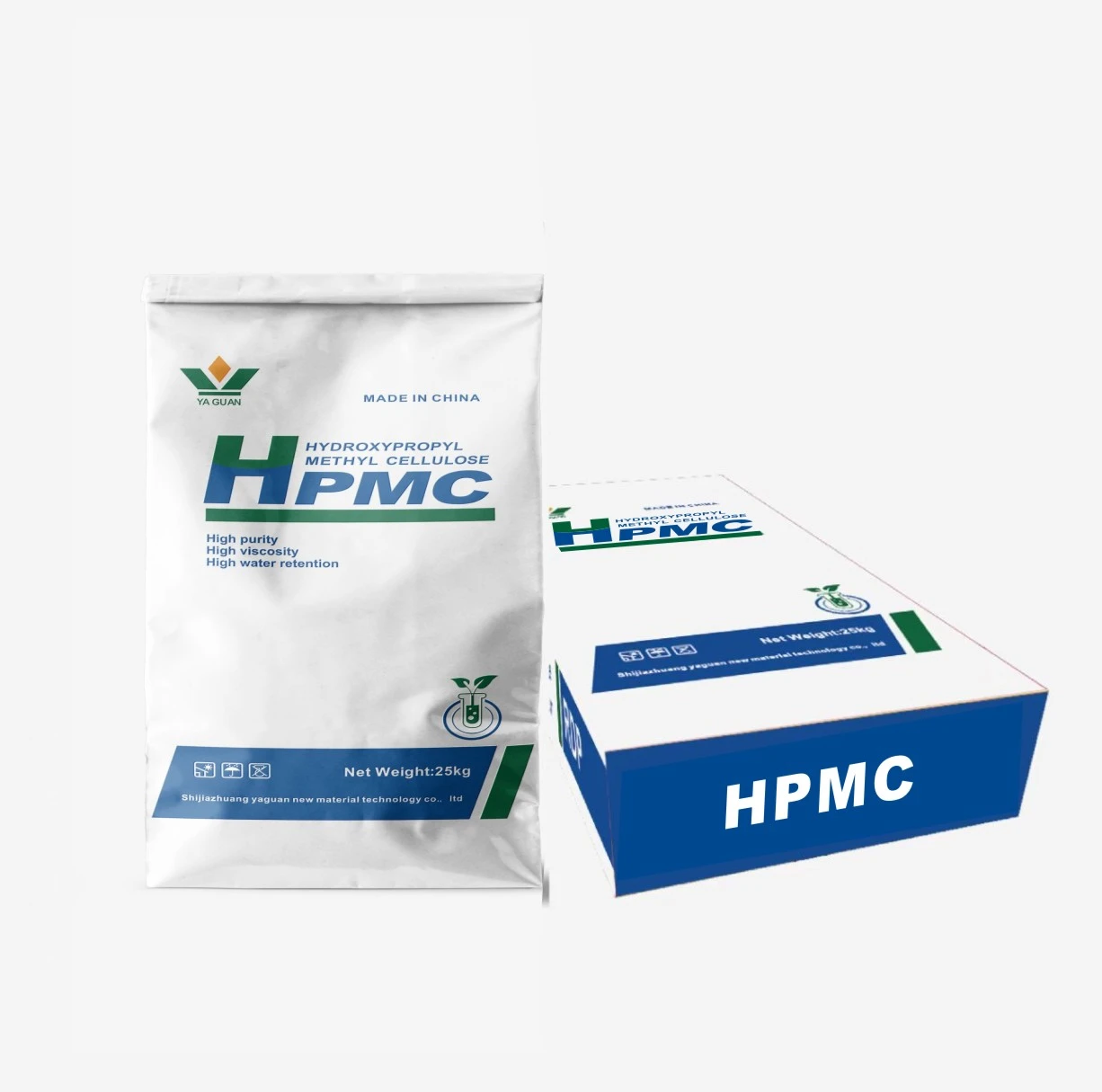


Unlocking Performance: A Deep Dive into Hydroxypropyl Methyl Cellulose (HPMC) for Industrial Excellence
In today's rapidly evolving industrial landscape, the demand for high-performance additives that enhance product quality, optimize processes, and ensure sustainability is paramount. Among these, Hydroxypropyl Methyl Cellulose (HPMC) stands out as a versatile and indispensable polymer. HPMC, a non-ionic cellulose ether derived from natural cellulose, offers a unique combination of properties including excellent thickening, water retention, film-forming, binding, and emulsifying capabilities. Its wide array of applications spans across critical sectors such as construction, pharmaceuticals, food, and cosmetics, making it a cornerstone for innovation and efficiency. Understanding the nuanced technical parameters, manufacturing precision, and diverse application benefits of HPMC is crucial for B2B decision-makers seeking to optimize their formulations and achieve superior product outcomes in a competitive market.
The global market for Hydroxypropyl Methyl Cellulose (HPMC) is experiencing robust growth, driven by increasing urbanization, heightened demand for sustainable and bio-based materials, and stringent quality requirements across various industries. Projections indicate a significant compound annual growth rate (CAGR) for HPMC, particularly in the construction sector for applications like tile adhesives and self-leveling compounds, and in the pharmaceutical industry for drug delivery systems. This upward trend underscores HPMC's pivotal role in modern material science, offering solutions that contribute to improved workability, extended open time, enhanced adhesion, and controlled release mechanisms. Our expertise lies in providing high-grade HPMC tailored to meet these diverse industrial needs, ensuring consistent performance and compliance with international standards.
The Precision Manufacturing Process of Hydroxypropyl Methyl Cellulose (HPMC)
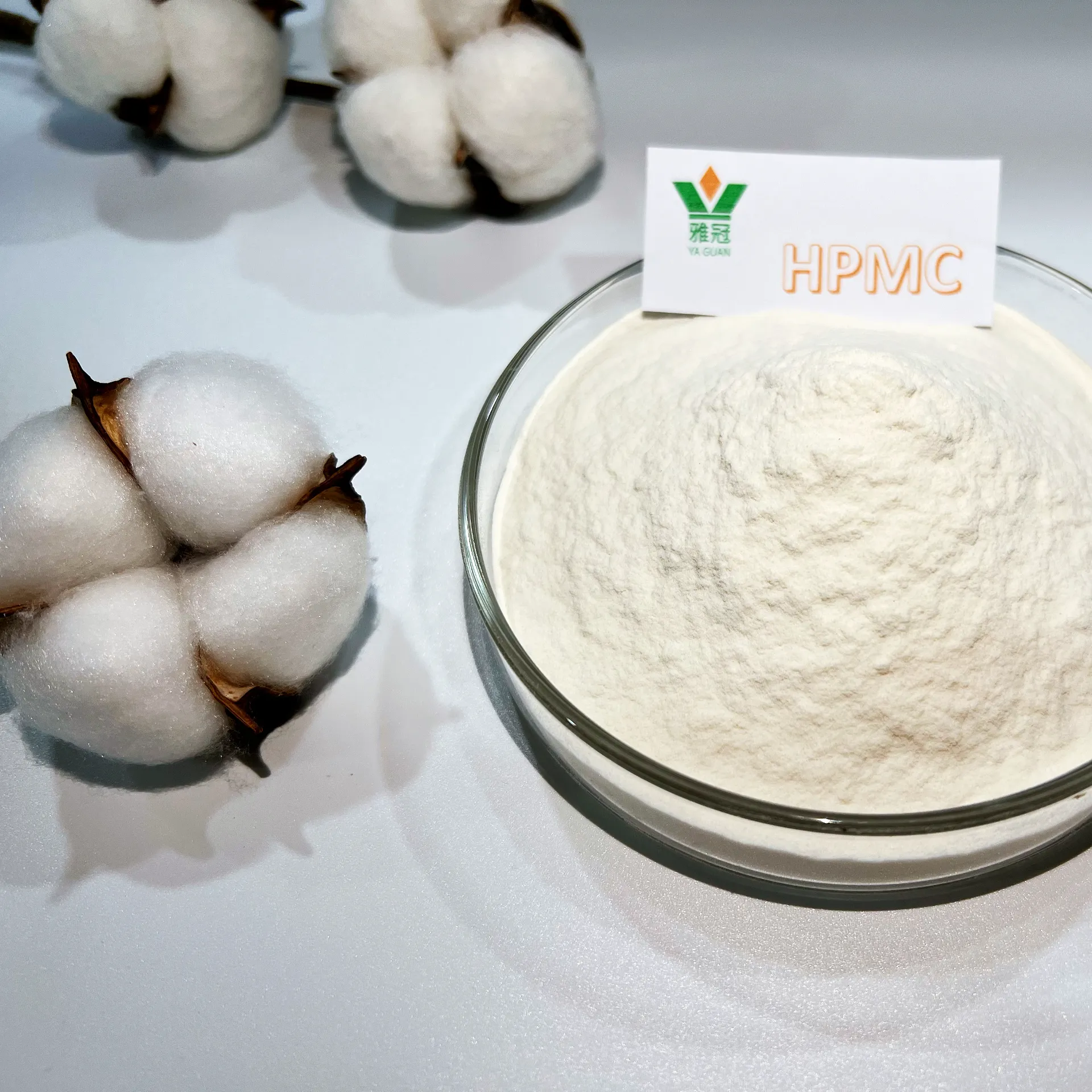
The production of high-quality Hydroxypropyl Methyl Cellulose (HPMC) is a sophisticated chemical engineering process that demands meticulous control over each stage to ensure consistent performance and purity. The journey begins with high-purity refined cotton linter or wood pulp as the primary raw material, which is a rich source of cellulose. This cellulose undergoes initial purification and is then reacted with caustic soda (alkalization) to form alkali cellulose. This crucial step activates the cellulose, making it more reactive for subsequent etherification. Following alkalization, the alkali cellulose is reacted with methyl chloride and propylene oxide in a controlled environment under specific temperature and pressure conditions. This etherification process introduces methoxyl and hydroxypropyl groups onto the cellulose backbone, defining the specific properties of the resulting HPMC.
Post-etherification, the crude Hydroxypropyl Methyl Cellulose (HPMC) is thoroughly washed with hot water to remove any by-products and unreacted reagents, ensuring the final product's high purity. This washing step is critical for minimizing impurities and achieving the desired grade. The purified HPMC slurry is then centrifuged and dried, often using spray drying or flash drying techniques, to remove moisture and obtain a fine powder. Finally, the dried HPMC is milled to achieve specific particle size distributions and sieved to ensure uniformity, before being packaged. Throughout this entire process, stringent quality control measures are implemented, adhering to international standards such as ISO 9001 for quality management and relevant ASTM or pharmacopoeial standards (USP, EP) depending on the end application. This rigorous approach guarantees the consistency, stability, and superior performance of our HPMC products in various demanding industrial environments.
Technical Parameters and Specifications of Hydroxypropyl Methyl Cellulose (HPMC)
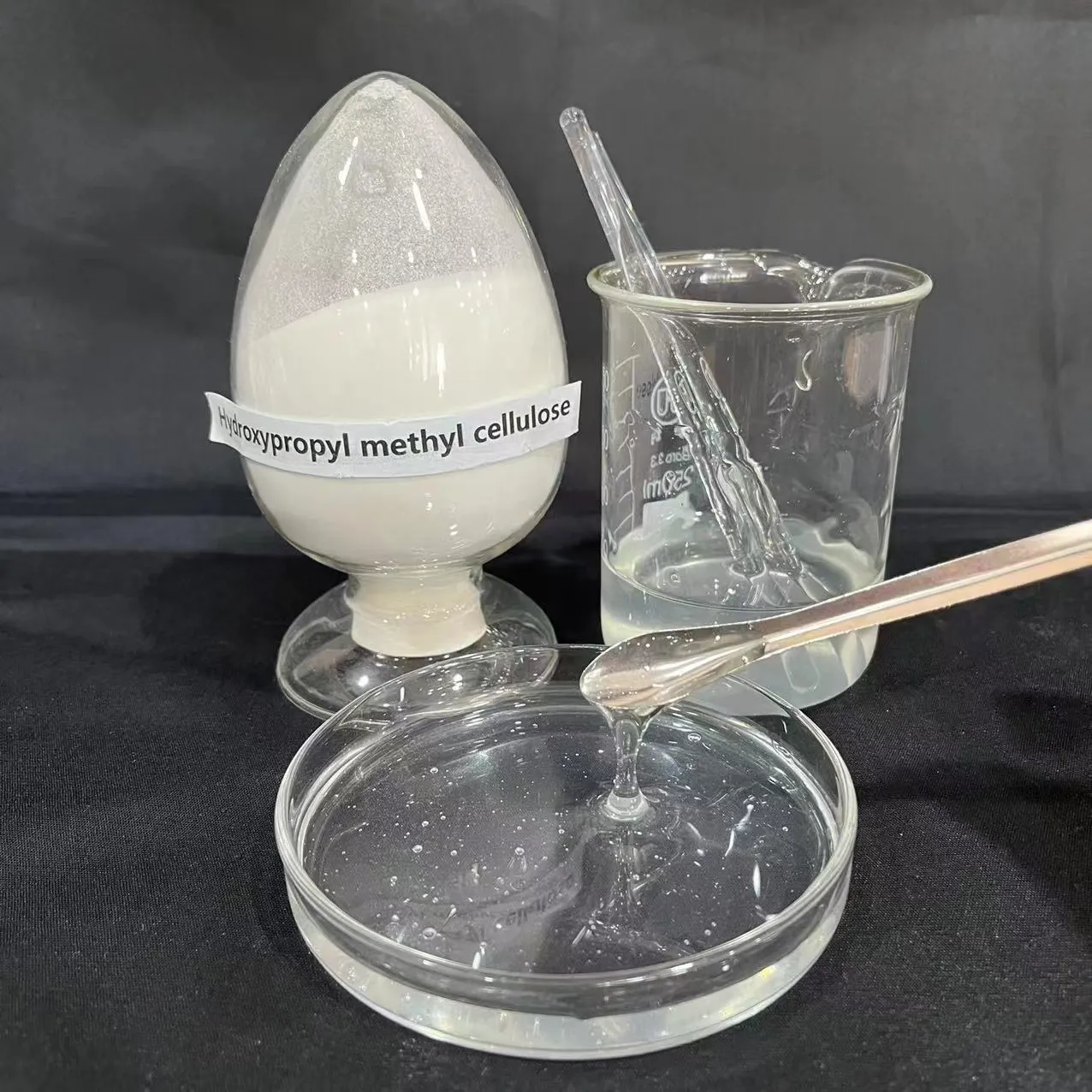
The performance characteristics of Hydroxypropyl Methyl Cellulose (HPMC) are meticulously defined by a set of critical technical parameters. These parameters are crucial for formulators to select the appropriate grade for their specific applications, ensuring optimal rheology, water retention, and mechanical properties of the end product. Key specifications include viscosity, degree of substitution (DS), molar substitution (MS), gel temperature, and particle size. Viscosity, typically measured in mPa.s in a 2% aqueous solution at 20°C, dictates the thickening efficiency and consistency of the final product. Different viscosity grades of HPMC are designed for various applications, from low viscosity for pharmaceutical coatings to high viscosity for thick tile adhesives.
The degree of substitution (DS) refers to the average number of hydroxyl groups per anhydroglucose unit that have been substituted by methoxyl groups, while molar substitution (MS) indicates the average number of moles of propylene oxide per anhydroglucose unit. These values directly influence the hydrophobicity, solubility, and thermal gelation properties of Hydroxypropyl Methyl Cellulose (HPMC). Gel temperature, also known as thermal gelation temperature, is the temperature at which HPMC solutions transition from a liquid to a gel state upon heating, a property highly valued in certain food and pharmaceutical applications. Furthermore, particle size distribution influences dissolution rate and dispersibility. Adherence to these precise parameters ensures that our HPMC products deliver consistent and predictable performance, empowering our clients to meet their most stringent quality benchmarks.
Typical Hydroxypropyl Methyl Cellulose (HPMC) Specifications
Note: These are typical ranges. Specific grades of Hydroxypropyl Methyl Cellulose (HPMC) will have more precise specifications based on their intended application and regulatory requirements. We offer a wide range of customized grades to meet unique project demands.
Key Applications and Technical Advantages of HPMC Across Industries
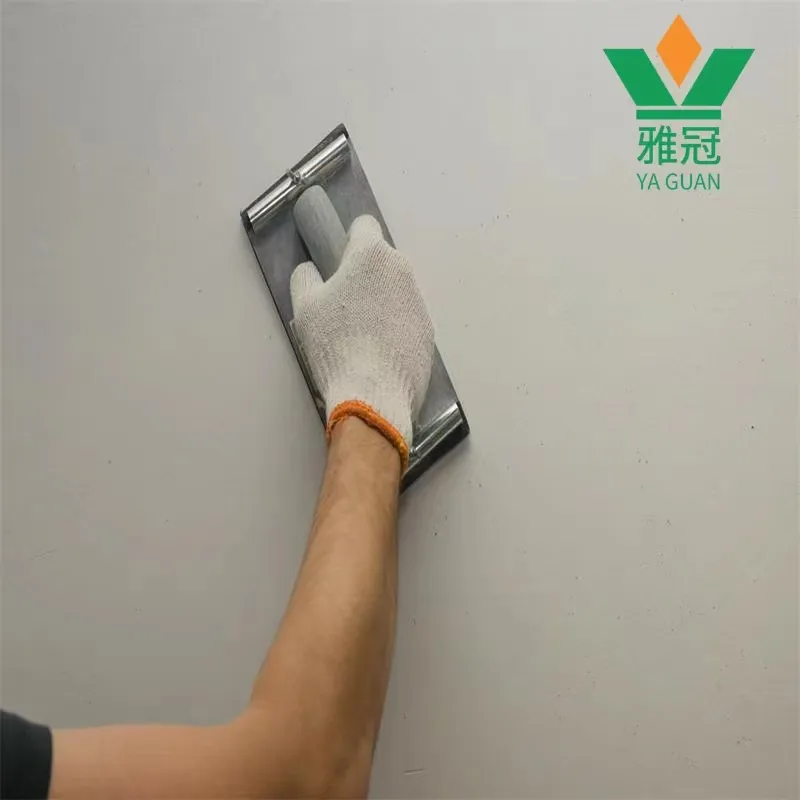
Hydroxypropyl Methyl Cellulose (HPMC) is a multi-functional additive, indispensable across numerous industries due to its diverse beneficial properties. In the construction sector, HPMC acts as a powerful water retention agent, thickener, and binder for mortar, stucco, tile adhesives, and self-leveling compounds. Its presence significantly improves workability, extends open time, enhances adhesion strength, and reduces cracking, leading to more durable and robust building materials. For instance, in exterior insulation and finish systems (EIFS), HPMC ensures consistent drying and prevents premature water loss, crucial for long-term performance. The advanced rheology control offered by HPMC results in easier application and a superior finish, translating to labor cost savings and enhanced structural integrity.

In the pharmaceutical industry, pharma-grade Hydroxypropyl Methyl Cellulose (HPMC) is extensively used as a binder in tablets, a film-forming agent for coatings, and a matrix former for controlled-release formulations. Its non-toxic, non-allergenic, and excellent film-forming properties make it an ideal excipient. HPMC ensures consistent drug release profiles, enhancing therapeutic efficacy and patient compliance. Furthermore, it is employed as a thickener and stabilizer in suspensions and ophthalmic solutions. Similarly, in the food sector, HPMC serves as a thickener, emulsifier, stabilizer, and gelling agent, often found in dairy products, baked goods, and dietary supplements, providing texture improvement and shelf-life extension while being recognized as a safe food additive (E464).
Beyond these major sectors, Hydroxypropyl Methyl Cellulose (HPMC) also finds critical applications in cosmetics, paints, and ceramics. In cosmetics, it functions as a thickener, emulsifier, and film-former in products like shampoos, lotions, and toothpastes, imparting desirable texture and stability. For paints and coatings, HPMC improves pigment suspension, anti-sagging properties, and brushability, contributing to a smoother, more uniform finish and increased coating efficiency. In ceramics, it acts as a binder and rheology modifier, improving the green strength of ceramic bodies and facilitating precise shaping during manufacturing. The adaptability and performance consistency of HPMC across such diverse applications underscore its value as a premier functional additive for businesses aiming for product excellence and operational efficiency.

Customized Hydroxypropyl Methyl Cellulose (HPMC) Solutions and Technical Support
Recognizing that each industry and even specific applications within an industry may have unique requirements, we specialize in providing customized Hydroxypropyl Methyl Cellulose (HPMC) solutions. Our technical team works closely with clients to understand their precise formulation needs, processing conditions, and desired end-product characteristics. This collaborative approach allows us to fine-tune HPMC parameters such as viscosity, substitution levels, and particle size to deliver a product that perfectly aligns with project specifications. For instance, in a challenging hot-weather construction project, we might recommend an HPMC grade with enhanced open time and heat resistance, specifically engineered to prevent premature drying and ensure proper hydration of cementitious materials.
Our commitment extends beyond product delivery to comprehensive technical support. We offer expert guidance on proper incorporation techniques, solubility optimization, and compatibility with other raw materials in a client's formulation. This ensures seamless integration of our Hydroxypropyl Methyl Cellulose (HPMC) into existing production lines, minimizing trial-and-error and accelerating product development cycles. Our state-of-the-art laboratory facilities are equipped for rigorous testing and analysis, enabling us to simulate various application conditions and provide data-driven recommendations. This bespoke service model, coupled with our deep understanding of HPMC chemistry and application engineering, positions us as a valuable partner for businesses seeking to innovate and achieve peak performance in their products.
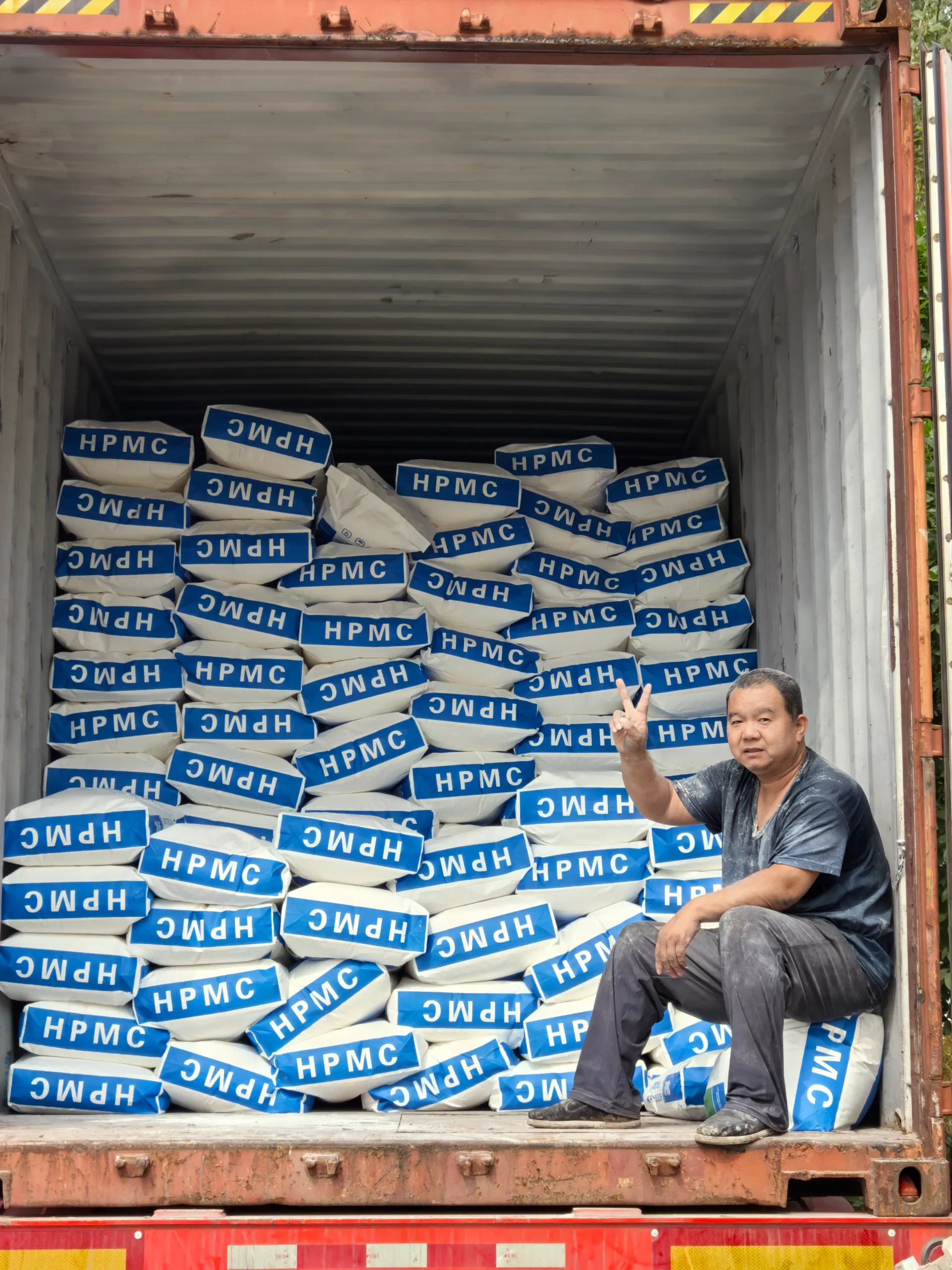
Authoritativeness and Trustworthiness: Our Commitment to Quality HPMC
Our position as a leading supplier of Hydroxypropyl Methyl Cellulose (HPMC) is built upon a foundation of unwavering commitment to quality, backed by stringent certifications and a robust quality assurance framework. We adhere to global manufacturing standards, including ISO 9001 for quality management systems, ensuring that every batch of HPMC produced meets or exceeds international benchmarks. For pharmaceutical and food-grade HPMC, our facilities comply with GMP (Good Manufacturing Practices) guidelines, and our products meet the specifications of major pharmacopoeias such as USP (United States Pharmacopeia) and EP (European Pharmacopoeia), along with relevant food safety certifications. These certifications are not merely badges but reflect our integrated quality control processes from raw material sourcing to final product packaging.
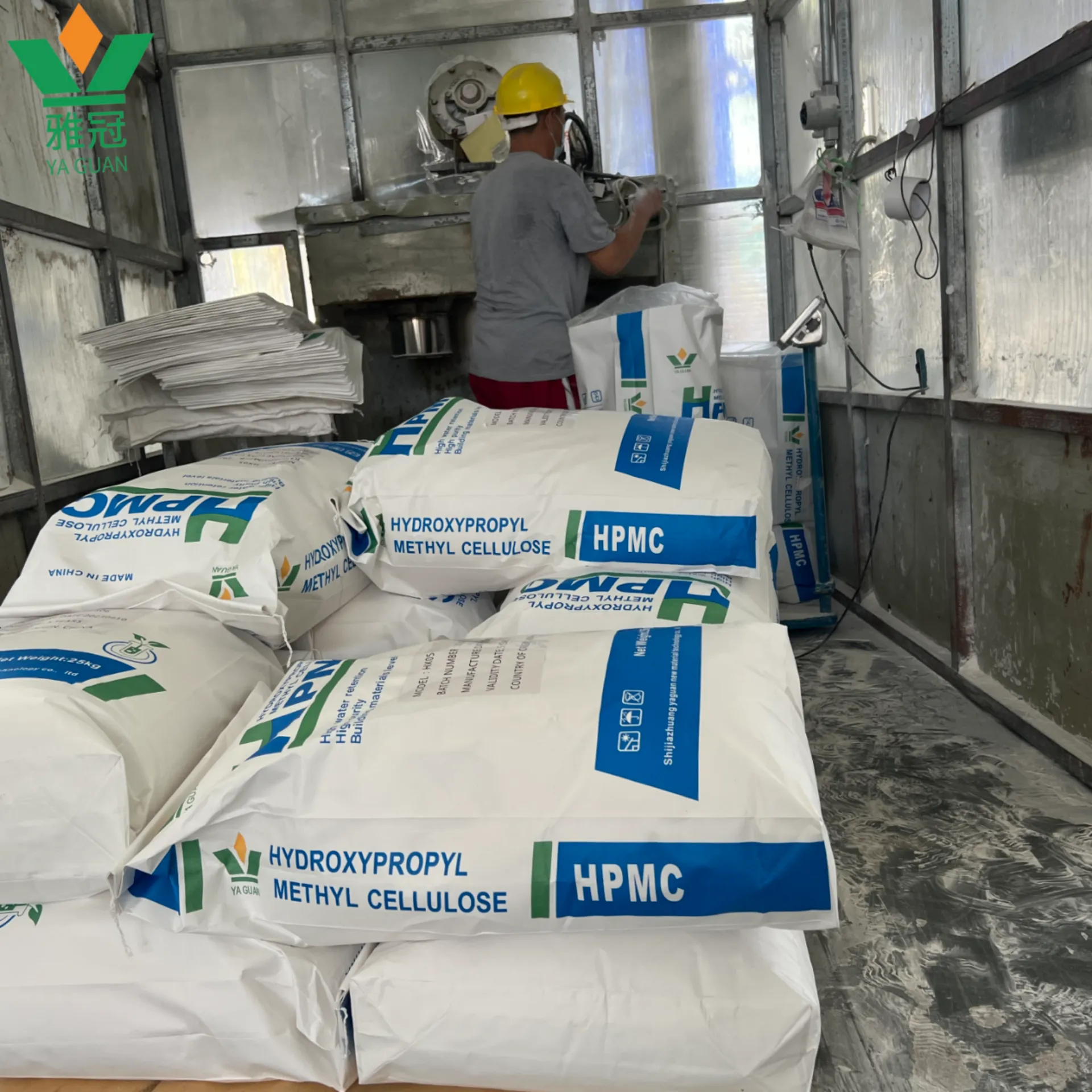
Transparency and reliability are core tenets of our operations. We provide comprehensive technical data sheets (TDS) and safety data sheets (SDS) for all our Hydroxypropyl Methyl Cellulose (HPMC) products, offering detailed insights into their physical, chemical, and safety characteristics. Our extensive service history, spanning over a decade, with a diverse global client base including major industrial players, stands as a testament to our reliability and product consistency. We offer clear delivery schedules and responsive logistics support to ensure timely supply chain integration. Furthermore, every purchase is backed by a quality warranty, and our dedicated customer support team is always available to address any inquiries or provide post-sales assistance, fostering long-term, trust-based partnerships with our valued clients.

Frequently Asked Questions (FAQ) about Hydroxypropyl Methyl Cellulose (HPMC)
Q1: What is the primary function of Hydroxypropyl Methyl Cellulose (HPMC) in construction materials?
A1: In construction, Hydroxypropyl Methyl Cellulose (HPMC) primarily serves as a high-performance water retention agent, thickener, and rheology modifier. It significantly improves the workability of mortars, renders, and tile adhesives by preventing rapid water loss, thus extending the open time and enhancing adhesion strength. Additionally, it provides excellent sag resistance, allowing for thicker application layers on vertical surfaces, and contributes to better cohesion and pumpability of fresh mixtures, leading to more efficient and durable construction outcomes.
Q2: How does HPMC contribute to controlled drug release in pharmaceuticals?
A2: Hydroxypropyl Methyl Cellulose (HPMC) is widely used in pharmaceutical tablet formulations as a hydrophilic matrix former for controlled drug release. When exposed to an aqueous environment, HPMC hydrates and forms a gel layer around the tablet, which acts as a barrier to drug diffusion. The viscosity of the HPMC grade, as well as its substitution pattern, influences the rate at which the drug is released from this gel matrix, allowing for sustained and predictable drug delivery over an extended period. This mechanism is crucial for maintaining therapeutic drug levels and reducing dosing frequency.
Q3: Is Hydroxypropyl Methyl Cellulose (HPMC) safe for food and cosmetic applications?
A3: Yes, specific grades of Hydroxypropyl Methyl Cellulose (HPMC) are certified safe for both food and cosmetic applications. In the food industry, it is designated as E464 and used as a thickener, emulsifier, and stabilizer in various products, contributing to texture and shelf life. For cosmetics, HPMC acts as a film-former, binder, and rheology modifier in personal care products. Our food and cosmetic grades of HPMC comply with relevant international regulatory standards such as FDA, EP, and USP, ensuring their safety and suitability for direct contact applications.
Conclusion: Partnering for Performance with HPMC
Hydroxypropyl Methyl Cellulose (HPMC) is unequivocally a cornerstone additive for industries demanding superior performance, consistency, and versatility. From optimizing the workability and durability of construction materials to enabling controlled drug release in pharmaceuticals and enhancing the texture of food products, its broad utility is unmatched. Our expertise in the synthesis and application of HPMC, combined with our rigorous quality control, extensive technical support, and commitment to customized solutions, positions us as an ideal partner for businesses navigating the complexities of modern material science. By leveraging our high-quality HPMC products, our clients can achieve enhanced product performance, streamlined production processes, and a competitive edge in their respective markets. We invite you to explore the transformative potential of our HPMC solutions for your specific industrial challenges.
References
- Rowe, R. C., Sheskey, P. J., & Quinn, M. E. (2009). Handbook of Pharmaceutical Excipients (6th ed.). Pharmaceutical Press.
- Bachelder, R. W. (1998). Cellulose Ethers: Chemistry and Applications. In Kirk-Othmer Encyclopedia of Chemical Technology. John Wiley & Sons.
- Klemm, D., Philipp, B., Heinze, T., Heinze, W., & Wagenknecht, H. (2009). Comprehensive Cellulose Chemistry: Fundamentals and Applications (Vol. 2). Wiley-VCH.
- ASTM International. (2018). ASTM D2363/D2363M-18: Standard Test Methods for Hydroxypropyl Methylcellulose.
- Food and Drug Administration. (2023). 21 CFR Part 172: Food Additives Permitted for Direct Addition to Food for Human Consumption.