

Industry Field Notes: Hydroxypropyl Methyl Cellulose in Real-World Formulations
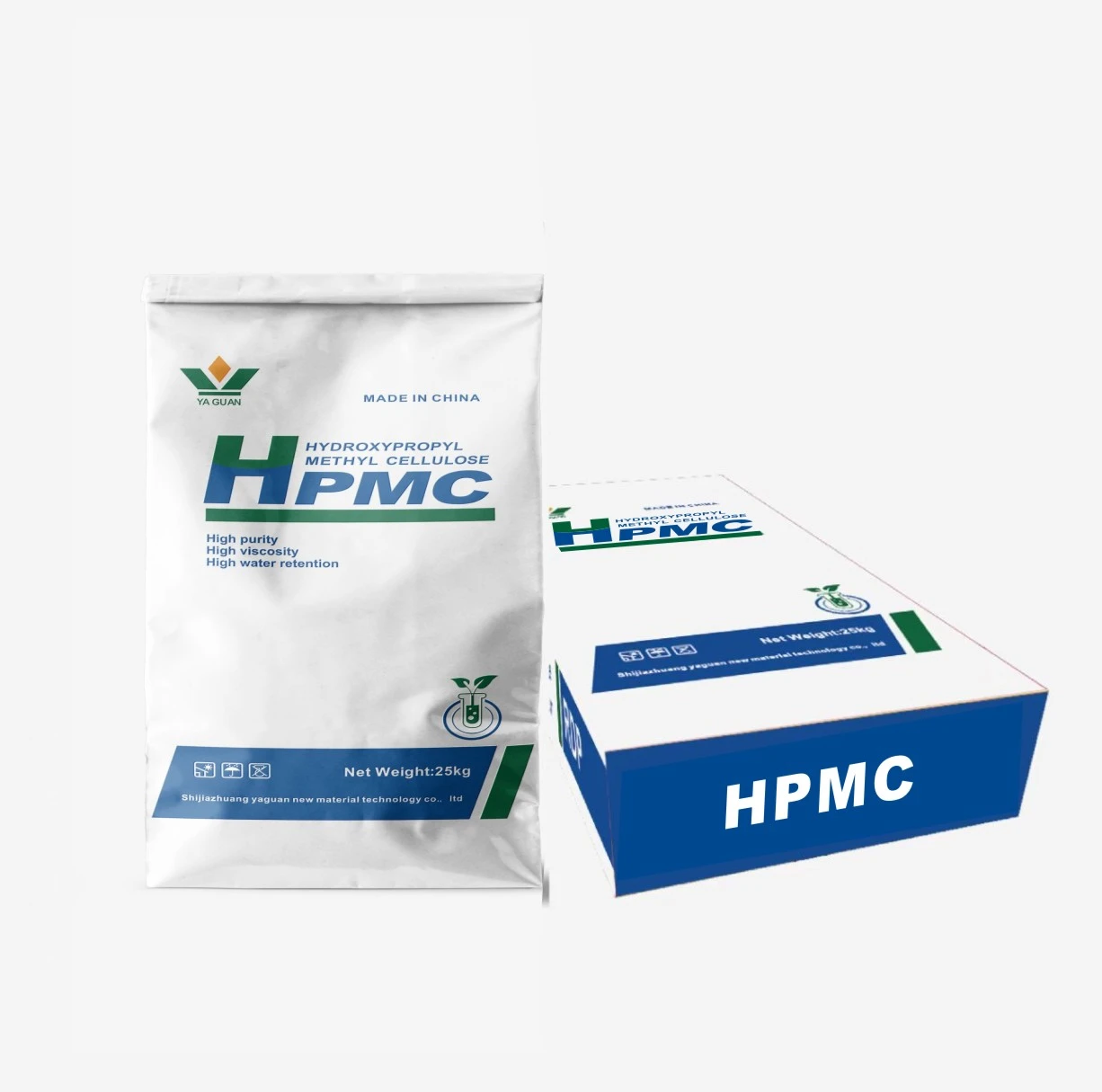
If you work with dry-mix mortars, paints or detergents, you’ve already met Hydroxypropyl Methyl Cellulose( HPMC). I’ve been watching this category for years, and honestly, it keeps surprising me—especially as builders and chemists push for cleaner, more efficient additives. YAGUAN’s production base (Room 1320, Block C, Dongsheng Plaza, Chang'an District, Shijiazhuang, Hebei Province) has become a familiar name in project specs across APAC and increasingly in Europe.
What it is—and why the market cares
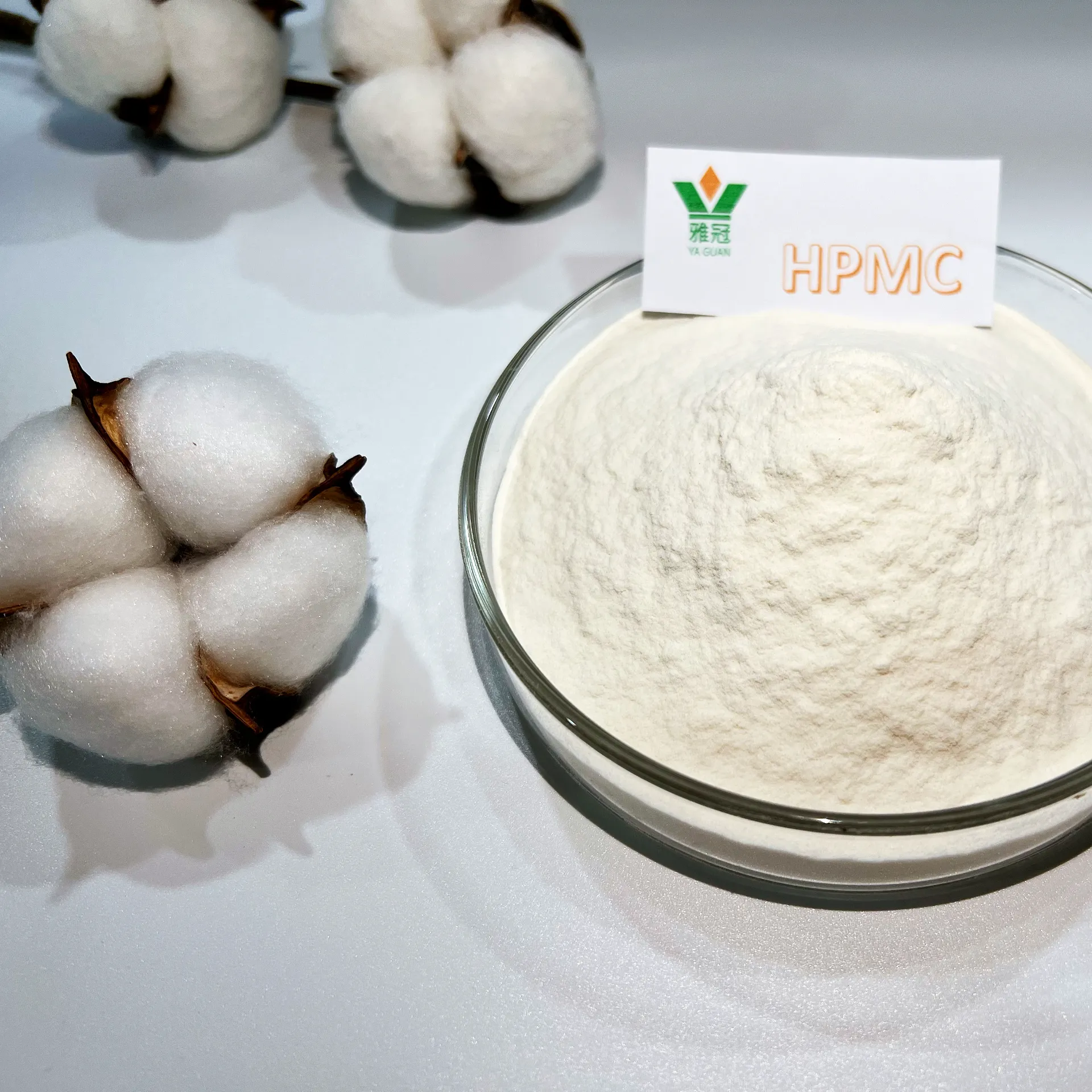
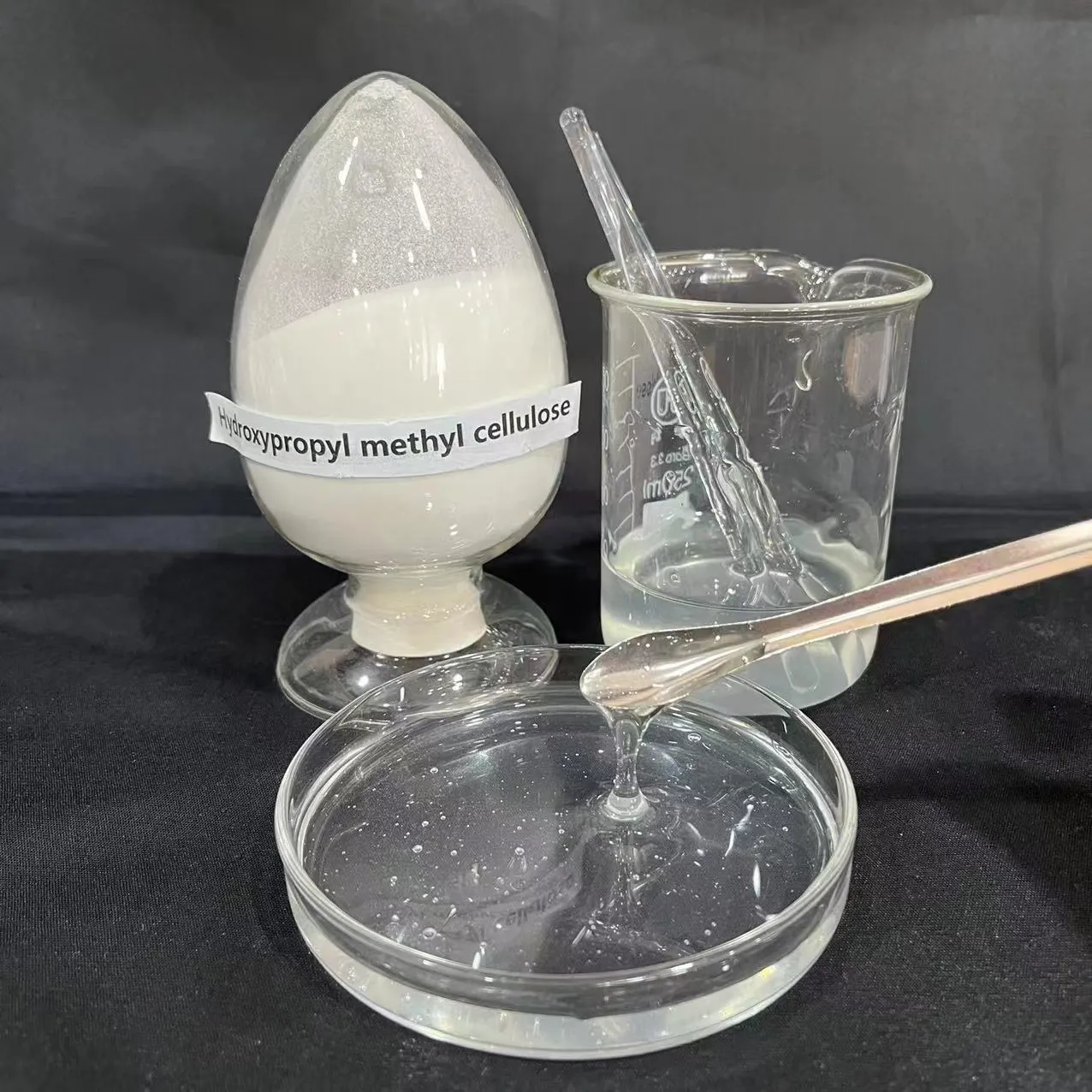
Hydroxypropyl Methyl Cellulose( HPMC) is a non-ionic cellulose ether: odorless, non-toxic, water-soluble, with surface activity and film-forming properties. In plain terms, it keeps water where you need it, thickens predictably, reduces sagging, and improves workability. Construction-grade demand is up—largely tied to tile adhesive upgrades driven by EN 12004 classes, and to energy-efficient coatings where open time and slip resistance matter.
Typical Product Specs (construction grade)
| Parameter | Typical Range | Test Method |
|---|---|---|
| Viscosity (2% sol., 20°C) | ≈ 4,000–75,000 mPa·s | Brookfield LV/NDJ, real-world use may vary |
| Methoxy content | 19–30% | Internal GC/FTIR |
| Hydroxypropyl content | 4–12% | Internal GC/FTIR |
| Moisture | ≤ 5% | Karl Fischer (ASTM E203) |
| pH (1% sol.) | 6.0–8.5 | ASTM E70 |
| Gel temperature | ≈ 70–90°C | Internal |
| Residue on 80–120 mesh | ≤ 5% | ASTM E11 sieve |

How it’s made (short version)
Materials: refined cellulose, NaOH (alkalization), methyl chloride and propylene oxide (etherification). Methods: alkalization → etherification in controlled reactors → neutralization and washing → drying → milling → sieving → packaging. QC includes viscosity profiling, moisture (KF), ash, substitution degree, and dispersion tests. Standards referenced in labs: ASTM E203, ASTM E70; performance validated against EN 12004-1 for tile adhesives. Service life: unopened bags typically 24 months in cool, dry storage; in mortar, performance benefits persist through the cured system’s design life (I know that sounds obvious, but it matters in warranty docs).
Where it’s used (and what customers say)
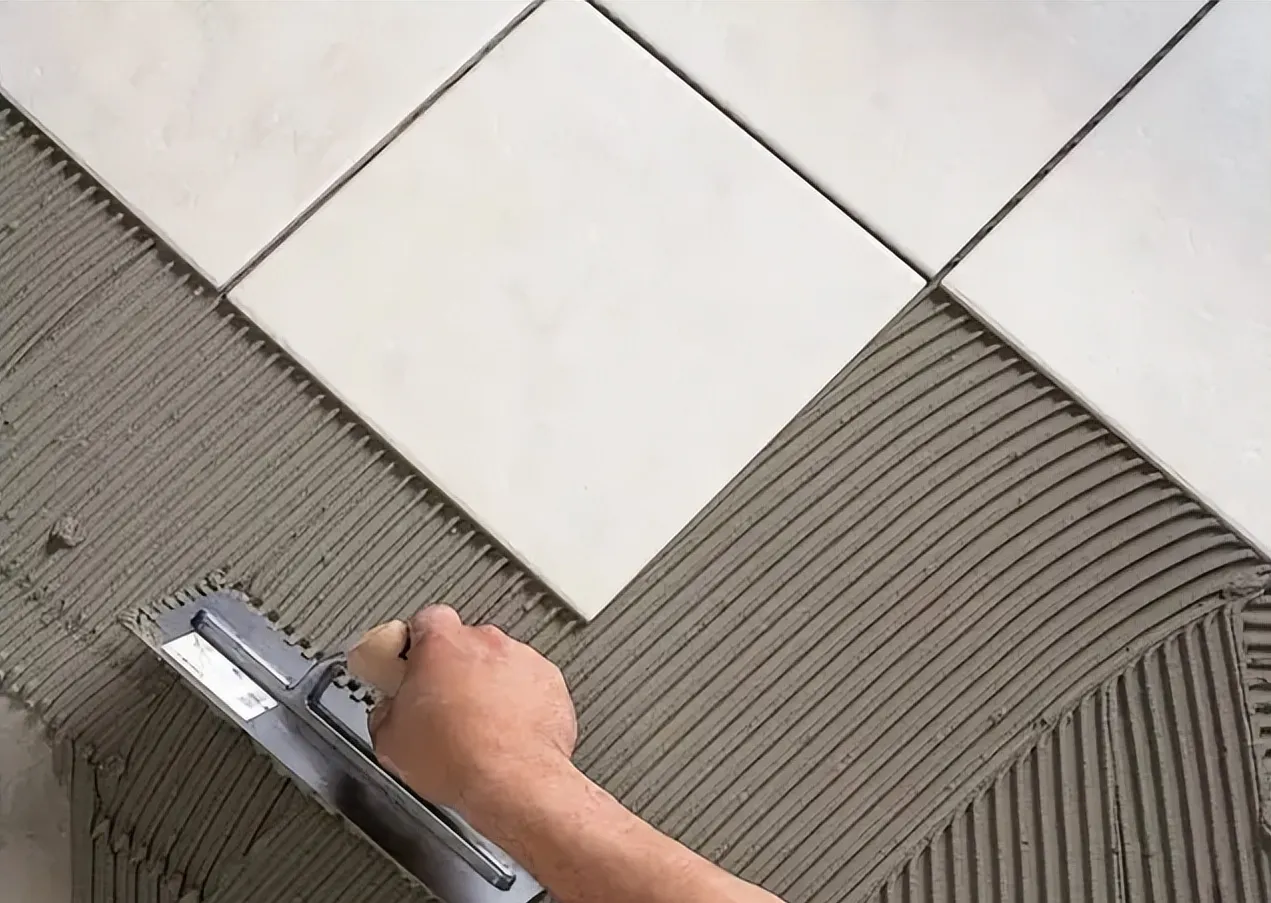
- Tile adhesives (EN 12004 C1/C2): +20–40 min open time, ≤2 mm slip, water retention >95% in lab runs.
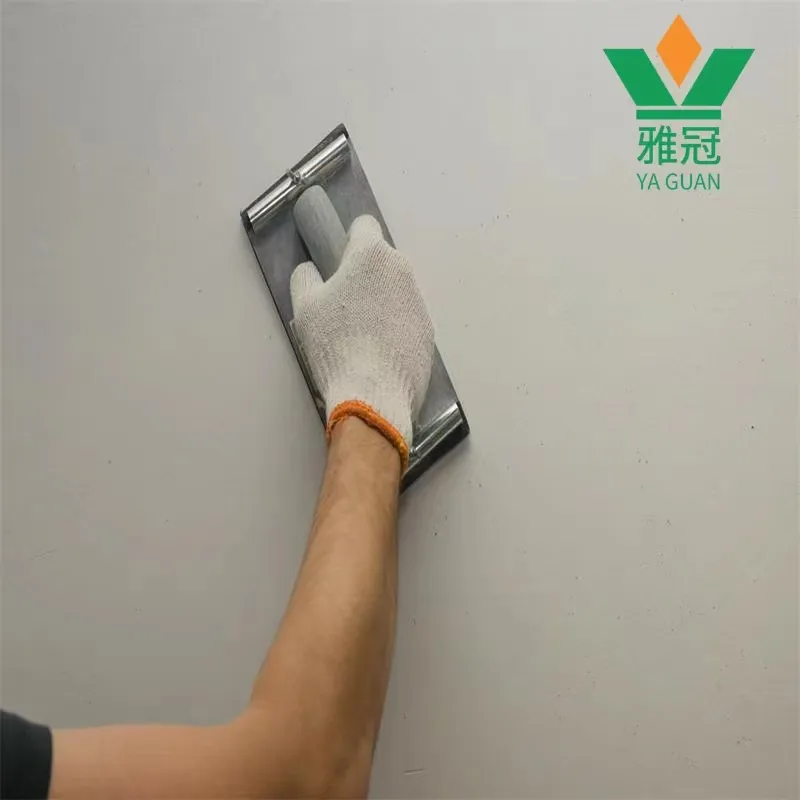
- Wall putty/skim coat: smoother drawdown, fewer pinholes; many customers say sanding is “less dusty.”
- Self-leveling underlayment: controlled viscosity and bleeding; some plants dial in a low-vis grade to keep flow.
- Gypsum plasters and EIFS basecoats: crack resistance and good trowel feel.
- Paints/detergents: stable thickening without ionic interactions; nice clarity in aqueous systems.
- Pharma/food grades exist, but use dedicated compliant supply chains (USP/EP)—don’t mix with industrial grades.
Vendor snapshot (my quick-take)
| Vendor | Viscosity consistency | Certs | MOQ | Lead time | Customization |
|---|---|---|---|---|---|
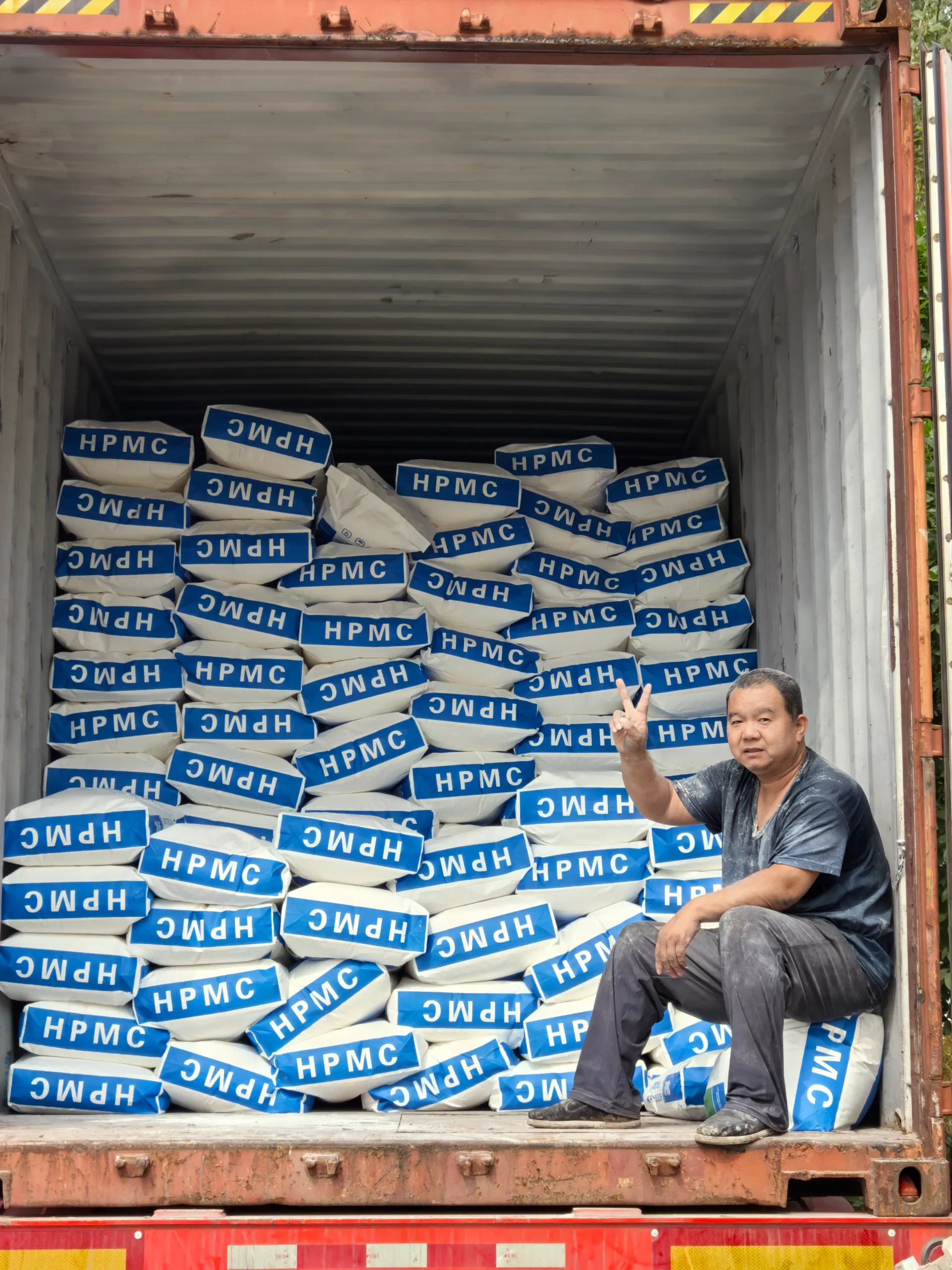
| YAGUAN | Tight (batch-to-batch) | ISO 9001, REACH-ready, SGS | ≈ 1–3 t | 10–20 days | Viscosity/mesh/profile tunable |
| Competitor A | Good | ISO 9001 | ≈ 5 t | 20–30 days | Limited SKUs |
| Competitor B | Variable | Basic QC | ≈ 1 t | 15–25 days | Minimal |
Customization and QA
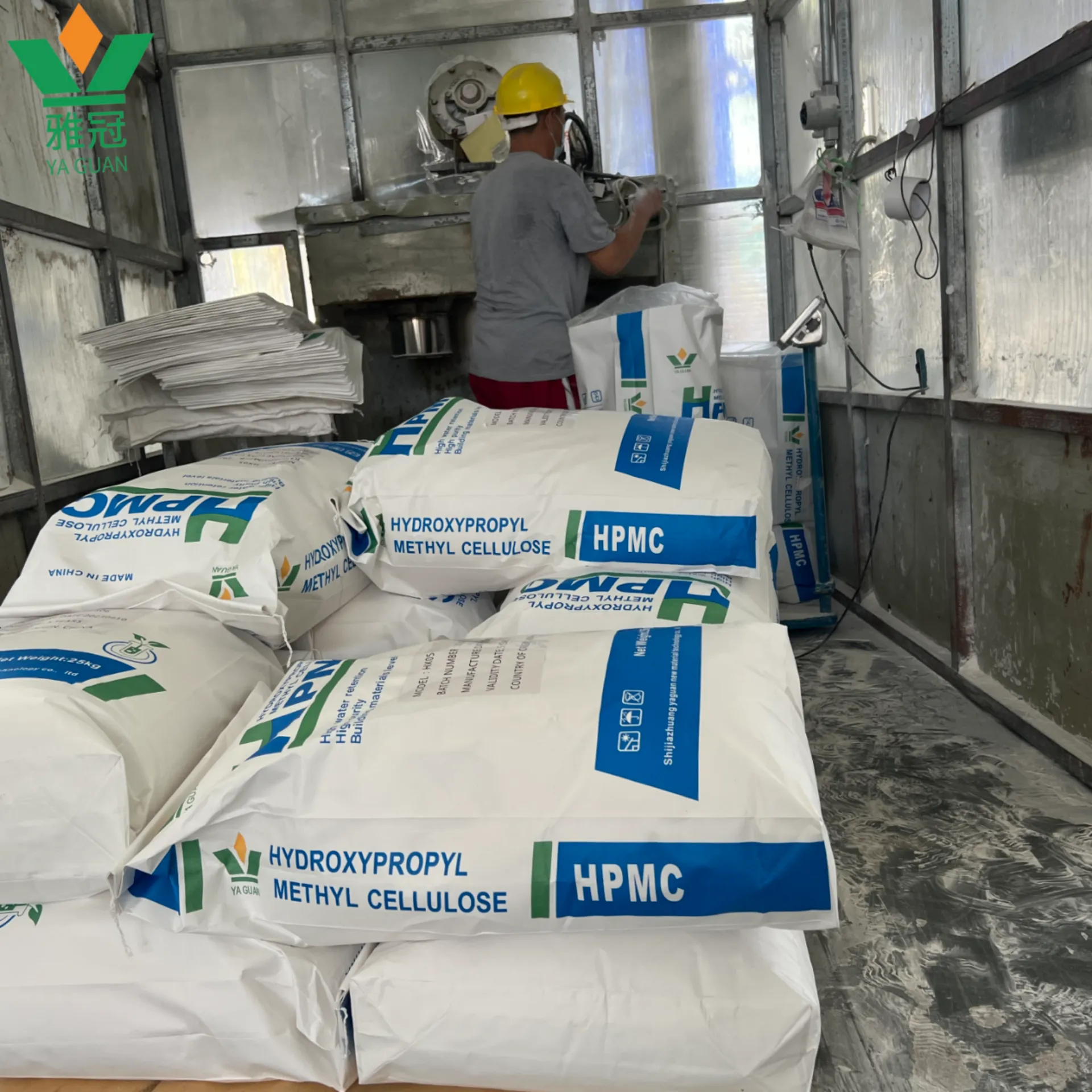
Grades can be tuned for dissolution rate, particle size, surface treatment (fast-dissolve/cold-water disperse), and viscosity windows. Batch COAs usually include viscosity, moisture, pH, ash, substitution degree; some clients ask for mortar-level tests (slip/open time per EN 12004). I guess the real differentiator is how transparent vendors are with test curves—not just single-point numbers.
Mini case studies (condensed)
- Tile plant in Vietnam: switched to mid-vis Hydroxypropyl Methyl Cellulose( HPMC), reduced slip by ≈70% and cut water demand by 3%—faster mixing, fewer callbacks.
- Putty line in Poland: surface-treated grade improved lump-free dispersion in cold water; sanding feedback was “much smoother.”
- Self-leveler in UAE: low-vis grade stabilized flow at 25–30°C; segregation complaints dropped to near-zero.
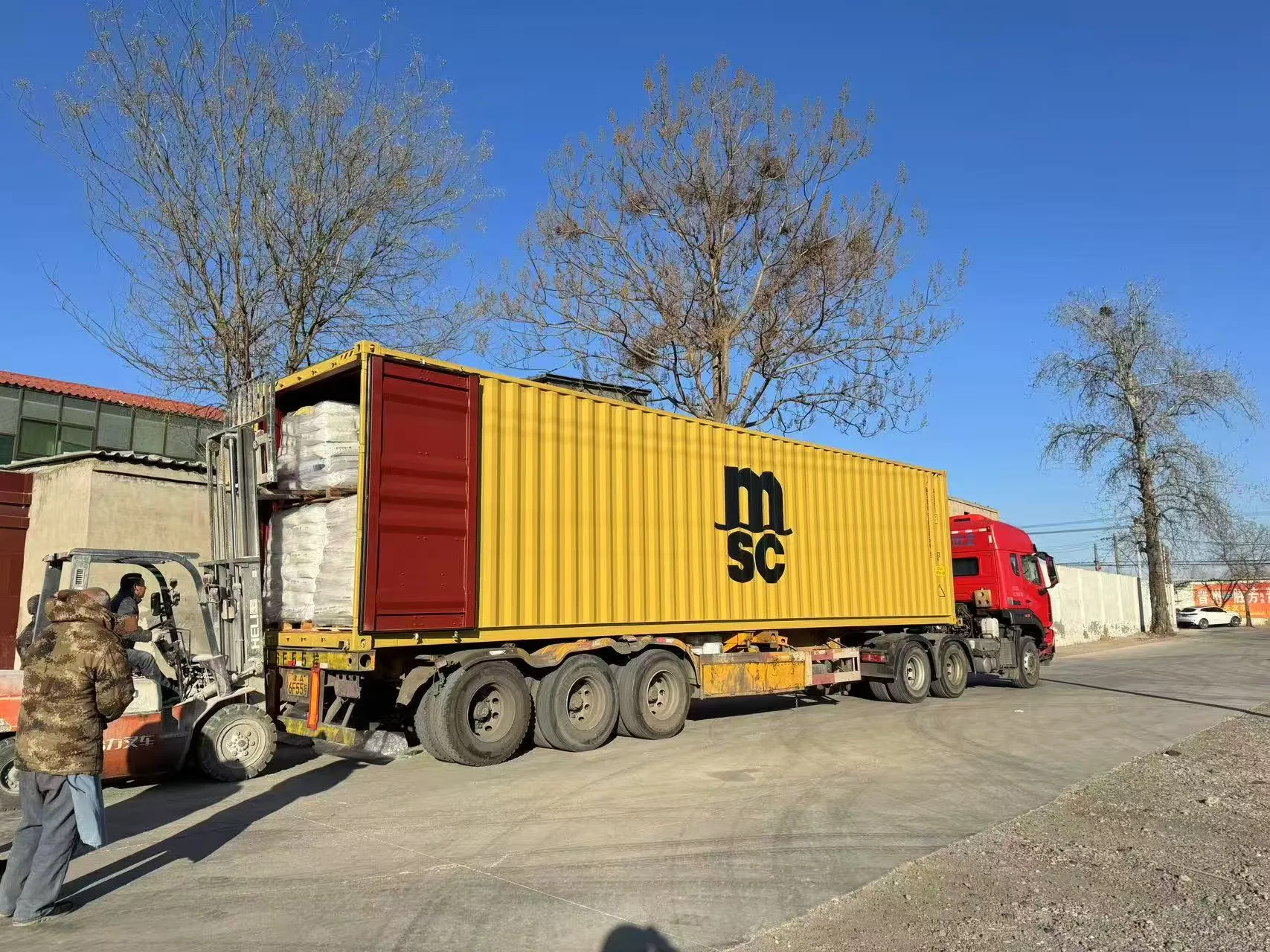
Storage note: keep sealed, cool and dry. Avoid direct moisture; it gels into clumps (been there). For sensitive applications—pharma, food—use compliant grades (USP/EP) and separate handling.
References
- EN 12004-1: Adhesives for tiles – Requirements.
- ASTM E203: Standard Test Method for Water Using Karl Fischer Reagent.
- ISO 9001: Quality Management Systems – Requirements.
- USP–NF Monograph: Hypromellose (Hydroxypropyl Methylcellulose).