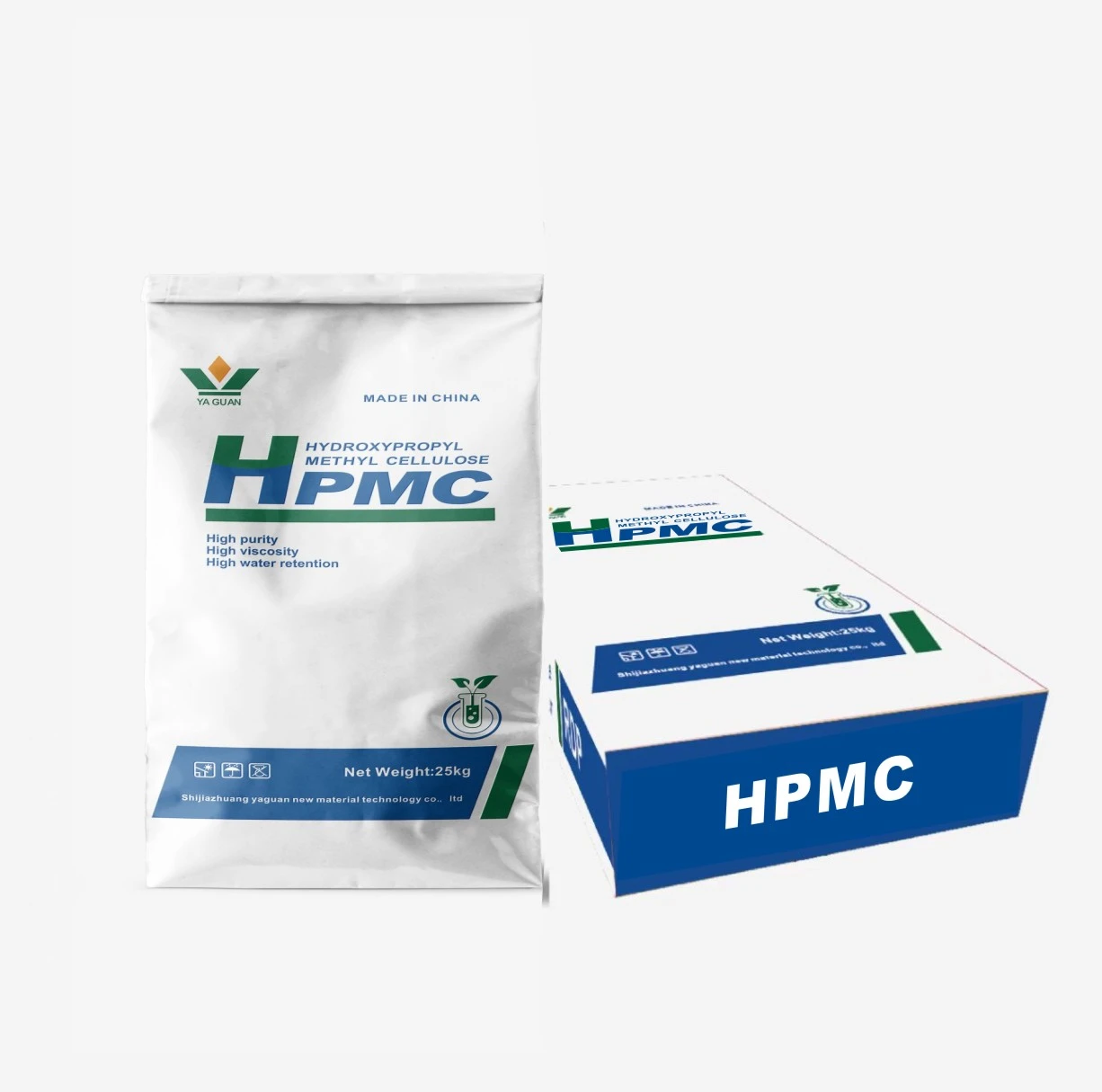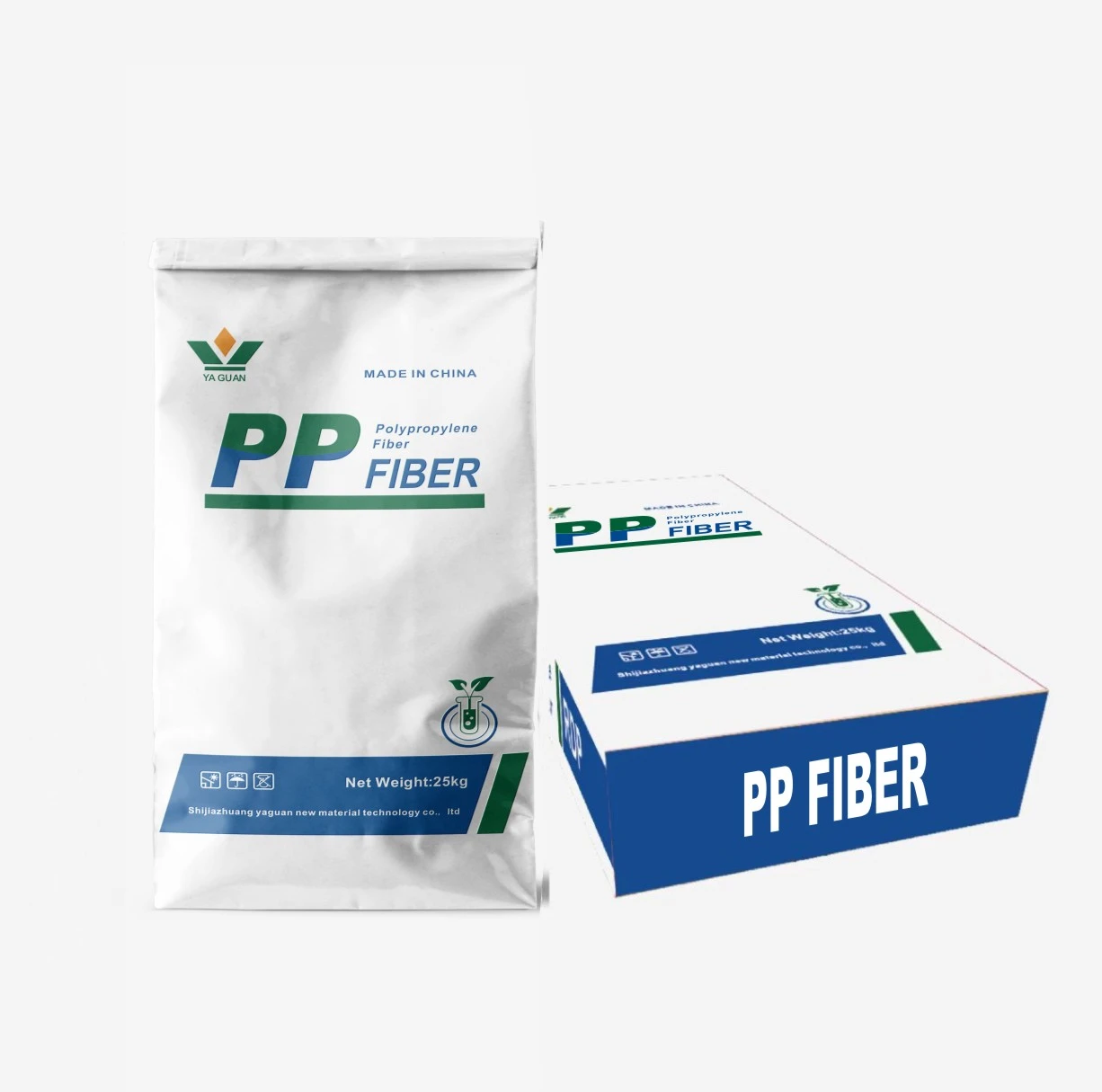


A Field Guide to Hydroxypropyl Methyl Cellulose for Real-World Manufacturing
If you work in dry-mix mortars, paints, or even pharma coatings, you’ve run into Hydroxypropyl Methyl Cellulose( HPMC). To be honest, the product seems simple—white powder, dissolves in water—but the difference between a passable batch and a best-in-class mix usually comes down to the cellulose ether’s consistency and the vendor’s technical backup. I’ve watched specs evolve, especially in construction chemicals, where customers keep asking for longer open time without slumping. That’s where Hydroxypropyl Methyl Cellulose( HPMC) earns its keep.
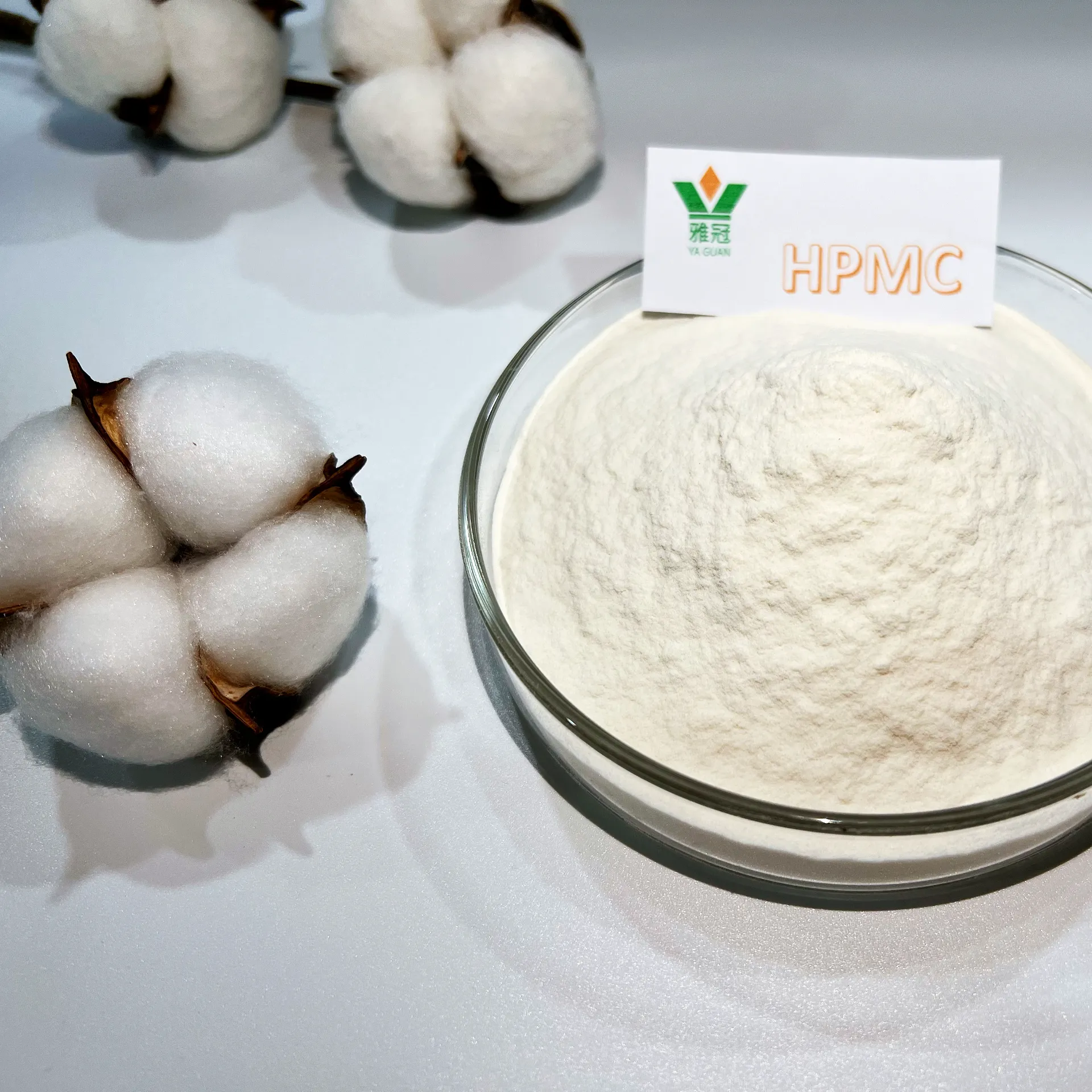
What’s trending
Three things: tighter viscosity windows for robotic batching, higher water retention for lightweight mortars, and documentation for food/pharma crossovers (think E464 and USP/EP compliance). Surprisingly, even paint makers are revisiting Hydroxypropyl Methyl Cellulose( HPMC) grades for sag balance with lower VOC.
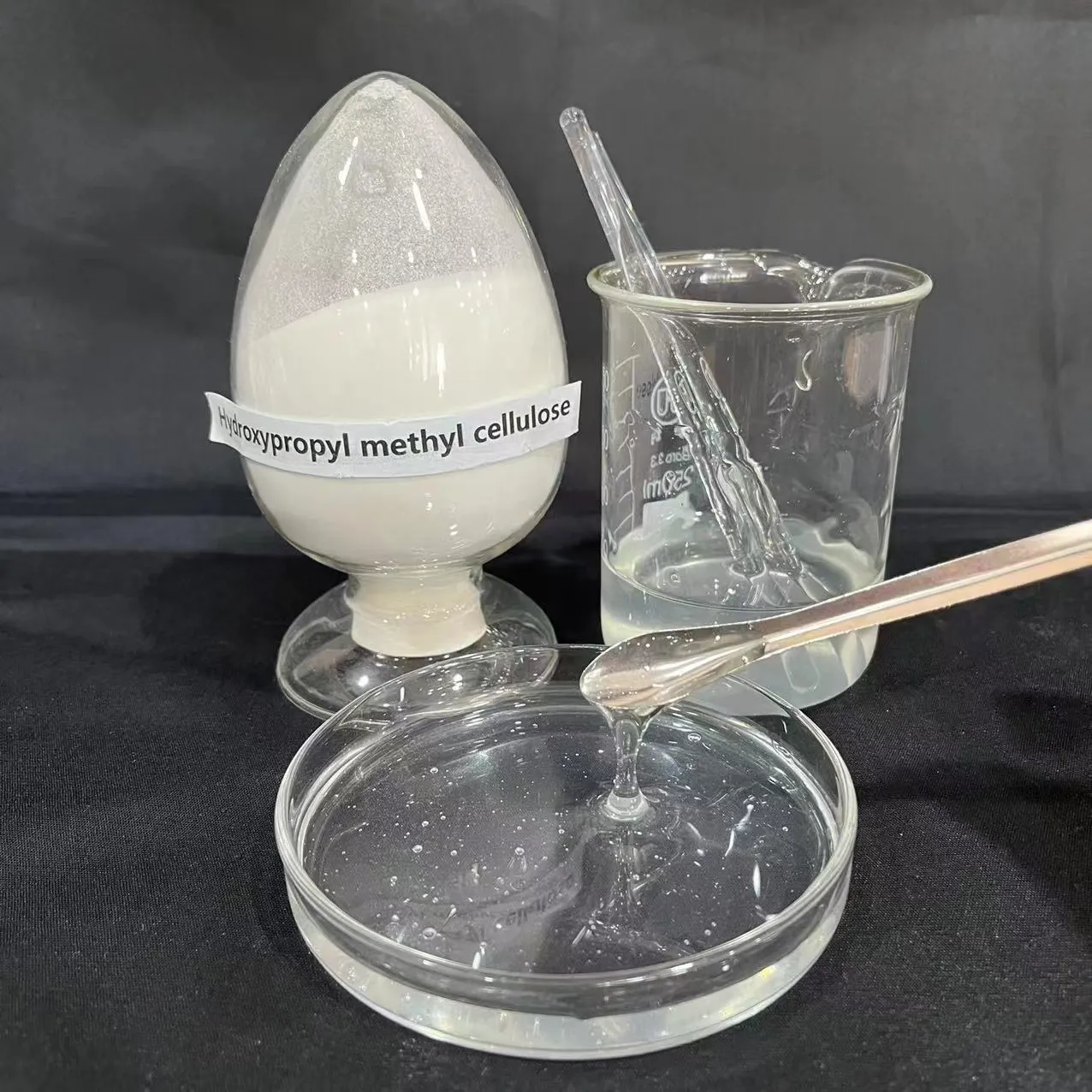
Technical specifications (typical)
| Appearance | White, non-ionic powder |
| Viscosity (2% sol., 20°C, Brookfield LV) | ≈ 40,000–60,000 mPa·s (construction grade) |
| Methoxy / Hydroxypropyl content | ≈ 19–24% / 4–12% |
| pH (2% solution) | 6.0–8.5 |
| Moisture | ≤ 5% |
| Gel temperature | ≈ 60–75°C |
| Water retention in mortar (ASTM C1506) | ≥ 95% (real-world use may vary) |

Applications that actually pay off
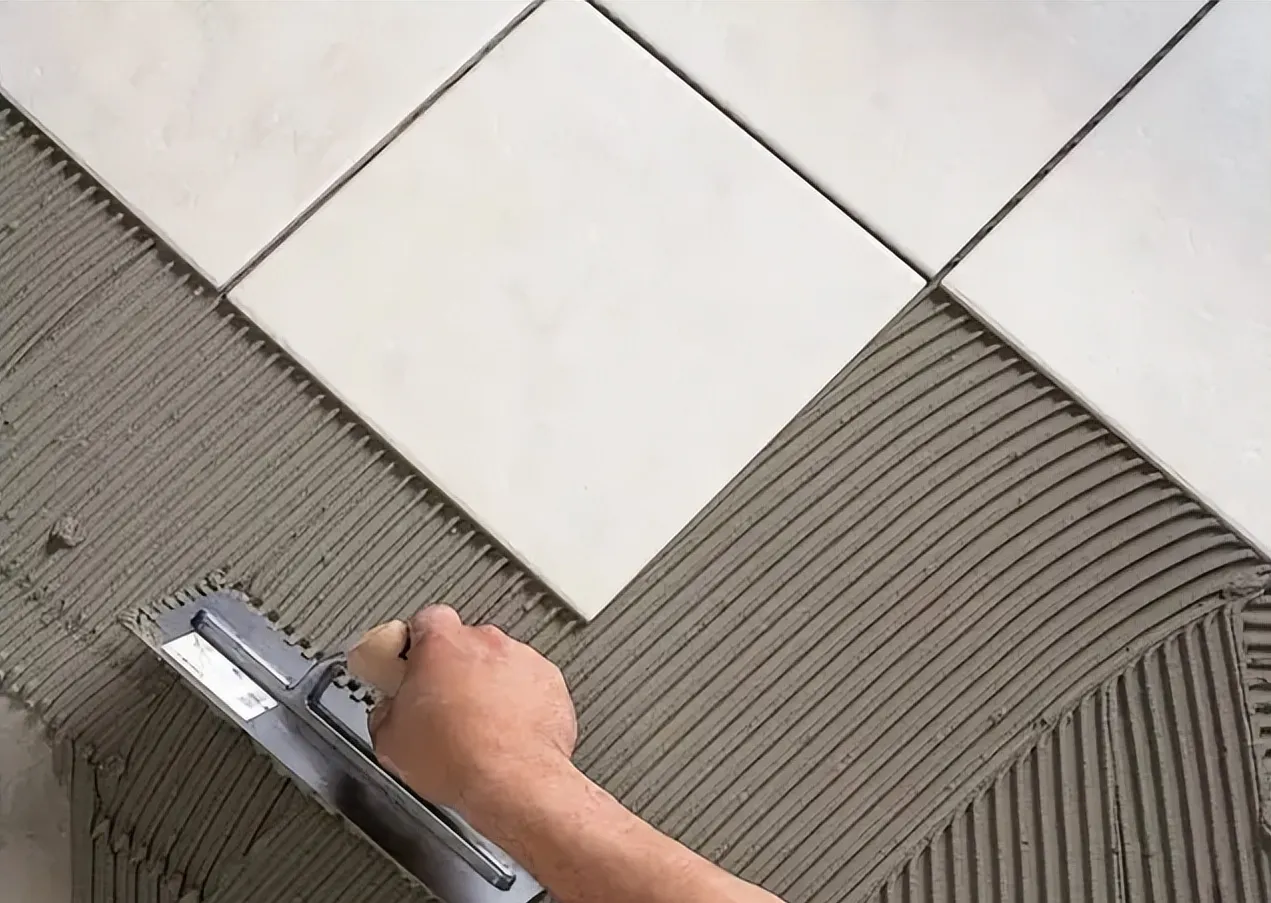
- Tile adhesives and EIFS: open time, anti-slip, water retention.
- Gypsum plaster and putty: crack resistance, smooth trowel feel.
- Self-leveling underlayments: segregation control with compatible low-vis grades.
- Detergents and cleaners: thickening, suspension.
- Paints: sag control and flow/leveling balance.
- Pharma and food (E464): film forming, capsule and tablet coating—use dedicated compliant grades.
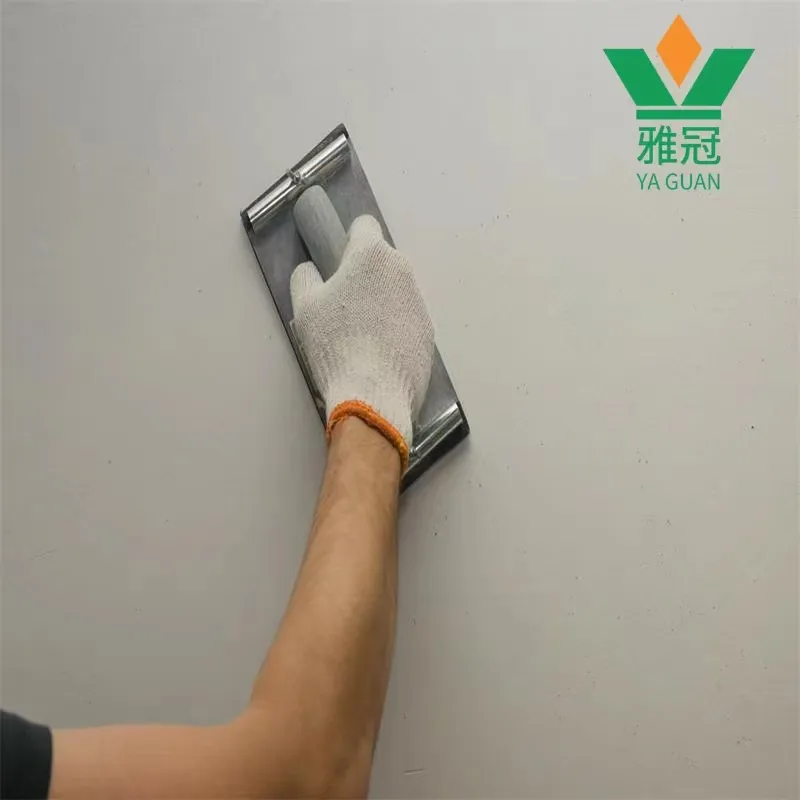
From cotton to performance: process snapshot
Starting from refined cellulose, producers alkalize, etherify (methyl chloride + propylene oxide), then neutralize, wash, dry, mill, and sieve. QC checks cover Brookfield viscosity, moisture (oven/Karl Fischer), ash, substitution levels, and solution clarity. For mortars, labs benchmark with ASTM C1506 (water retention) and EN 12004 performance classes. Shelf life: typically 24 months sealed, cool/dry. Industries served: building materials, coatings, home care, pharma, food.
Why teams choose it
- Stable rheology and film formation (even at low dosages).
- Broad solvent compatibility and clean taste/odor profile.
- Supports slip resistance, open time, and anti-sag in one package.
| Criteria | YAGUAN | Vendor A | Vendor B |
|---|---|---|---|
| Viscosity stability (batch-to-batch) | Tight (≈ ±5–8%) | ±10–15% | ±10%+ |
| Customization depth | High (mesh, DS, viscosity) | Medium | Low–Medium |
| Technical support | Application lab + on-site | Remote only | Limited |
Customization menu
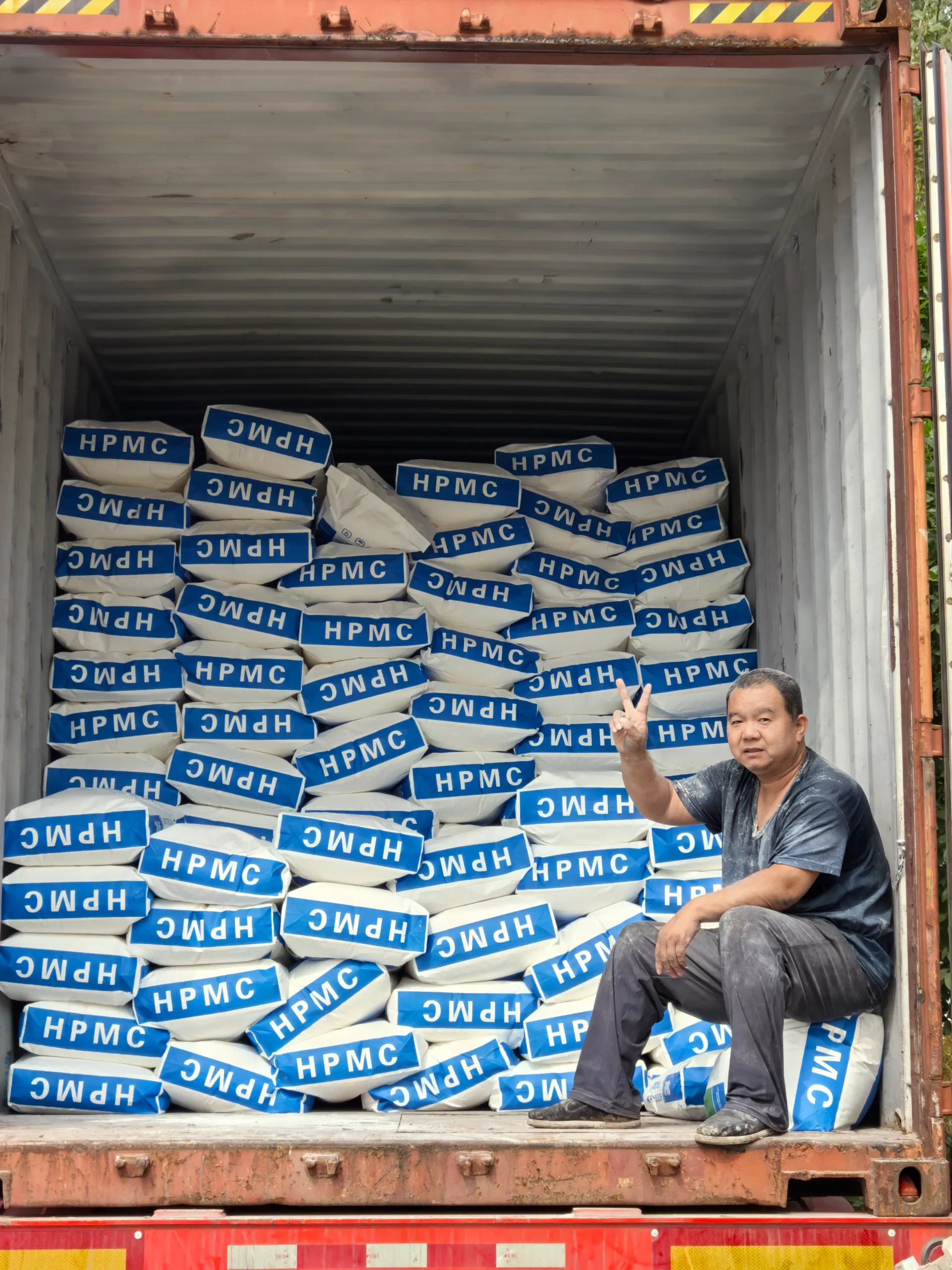
- Viscosity grades (5,000–200,000 mPa·s).
- Delayed-dissolution surface treatments for dust-free batching.
- Particle size: 80–120 mesh; specialty fine cuts on request.
- Food/pharma compliant variants for E464/USP/EP projects.
Case snapshots
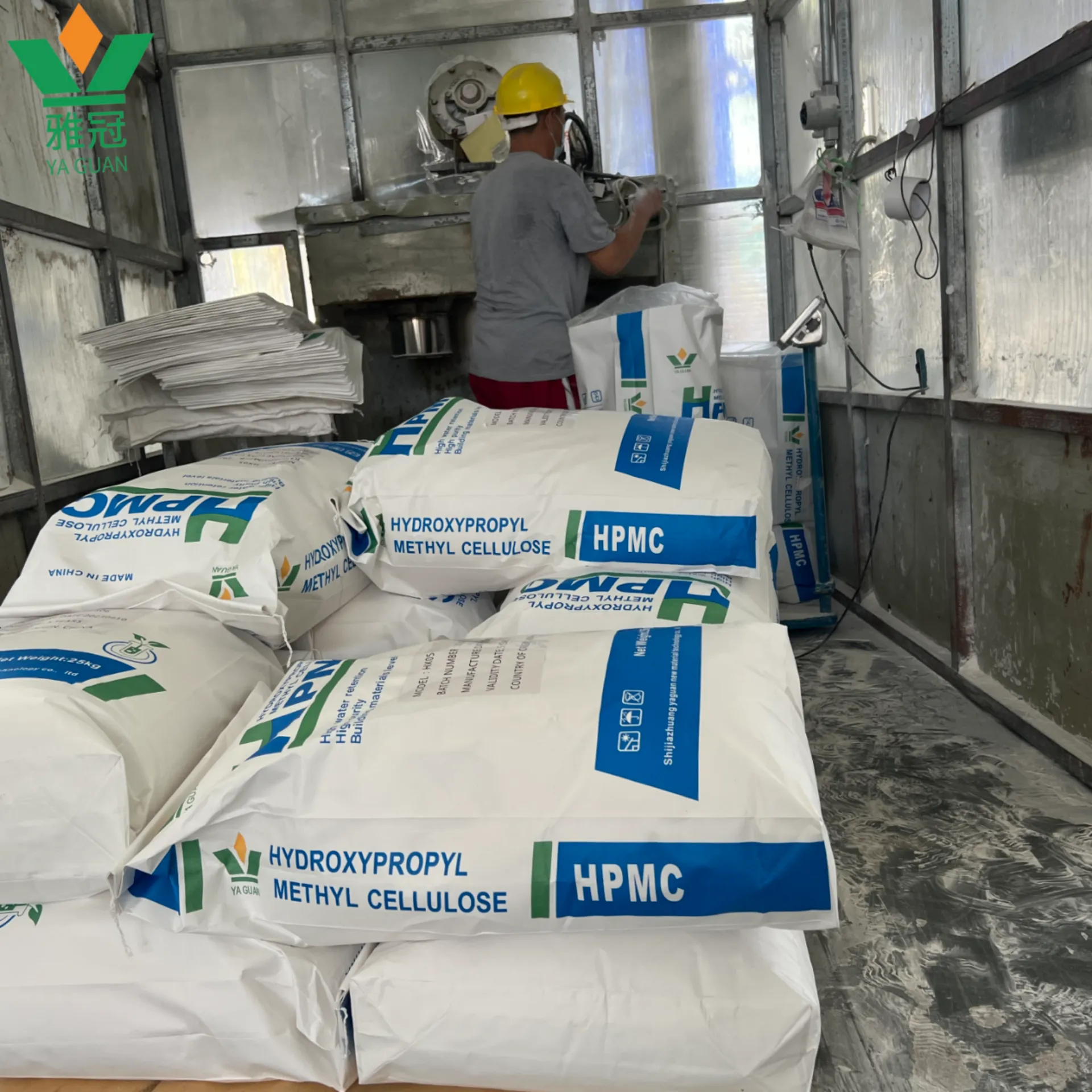
Tile adhesive (C2TE): switching to Hydroxypropyl Methyl Cellulose( HPMC) 45–55k mPa·s raised water retention to 96–98% (ASTM C1506) and extended open time by ≈10–15 minutes—feedback said “stickier, but still creamy.”
Gypsum lime plaster: low-dust grade cut mixer dust visibly and reduced edge cracking; slump held within target at 0.45 w/p ratio. As always, results vary with aggregates and temperature.
Compliance, testing, and contact
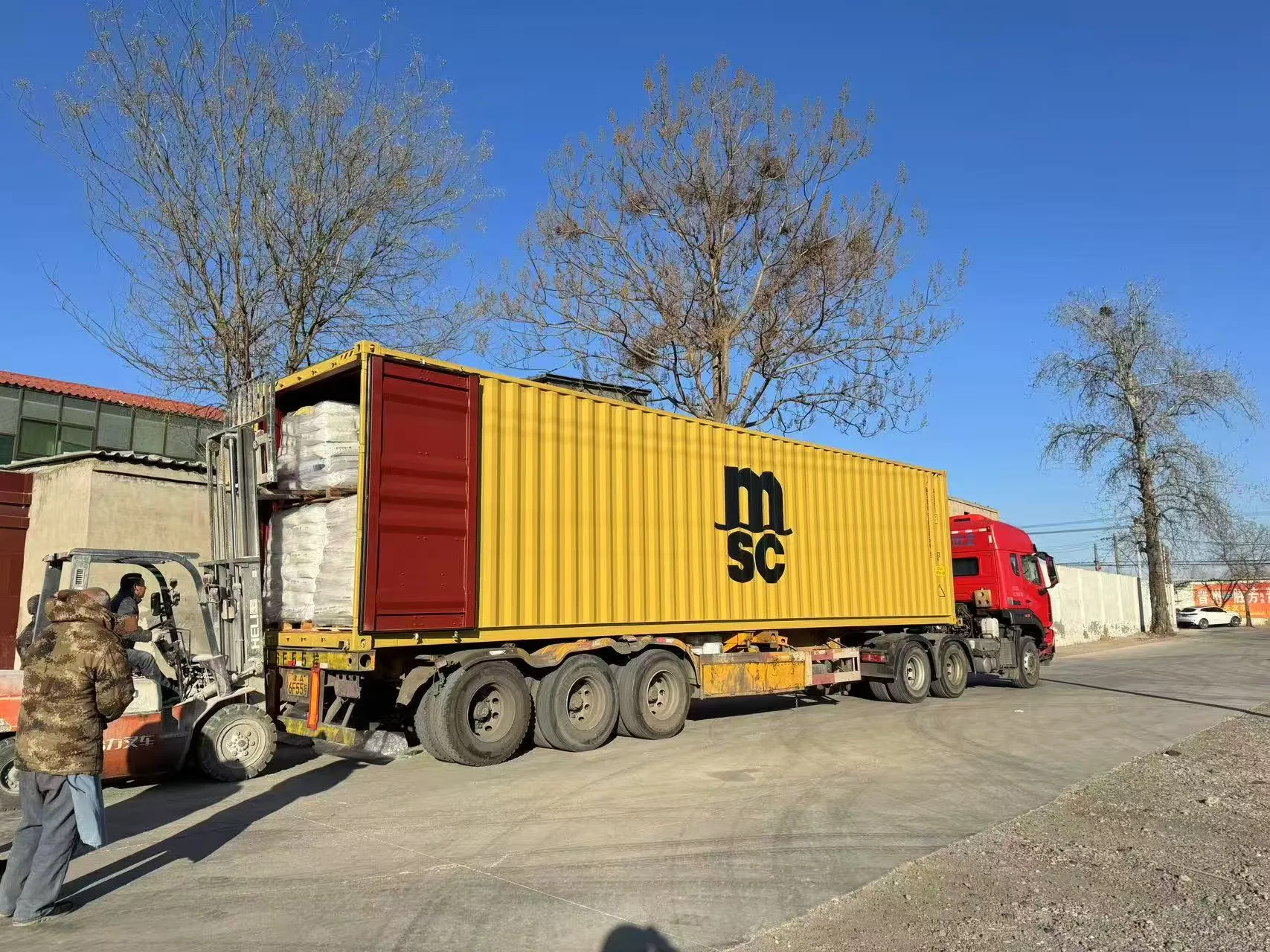
Common manufacturer certifications include ISO 9001 and ISO 14001; pharma/food grades align with USP/EP/JP and EU E-number E464. Typical tests: viscosity (Brookfield), moisture, pH, gel temp, water retention (ASTM C1506), mortar performance vs EN 12004 classes. Origin: Room 1320, Block C, Dongsheng Plaza, Chang'an District, Shijiazhuang, Hebei Province. Many customers say delivery is steady and documentation is tidy—which, frankly, saves days in scale-up.
Citations
- USP–NF Monograph: Hypromellose (HPMC).
- FAO/WHO JECFA: Hydroxypropyl Methylcellulose (E464) specification.
- ASTM C1506 – Water Retention of Hydraulic Cement-Based Mortars.
- EN 12004 – Adhesives for tiles: Requirements, evaluation of conformity.
- ISO 9001 – Quality management systems: Requirements.