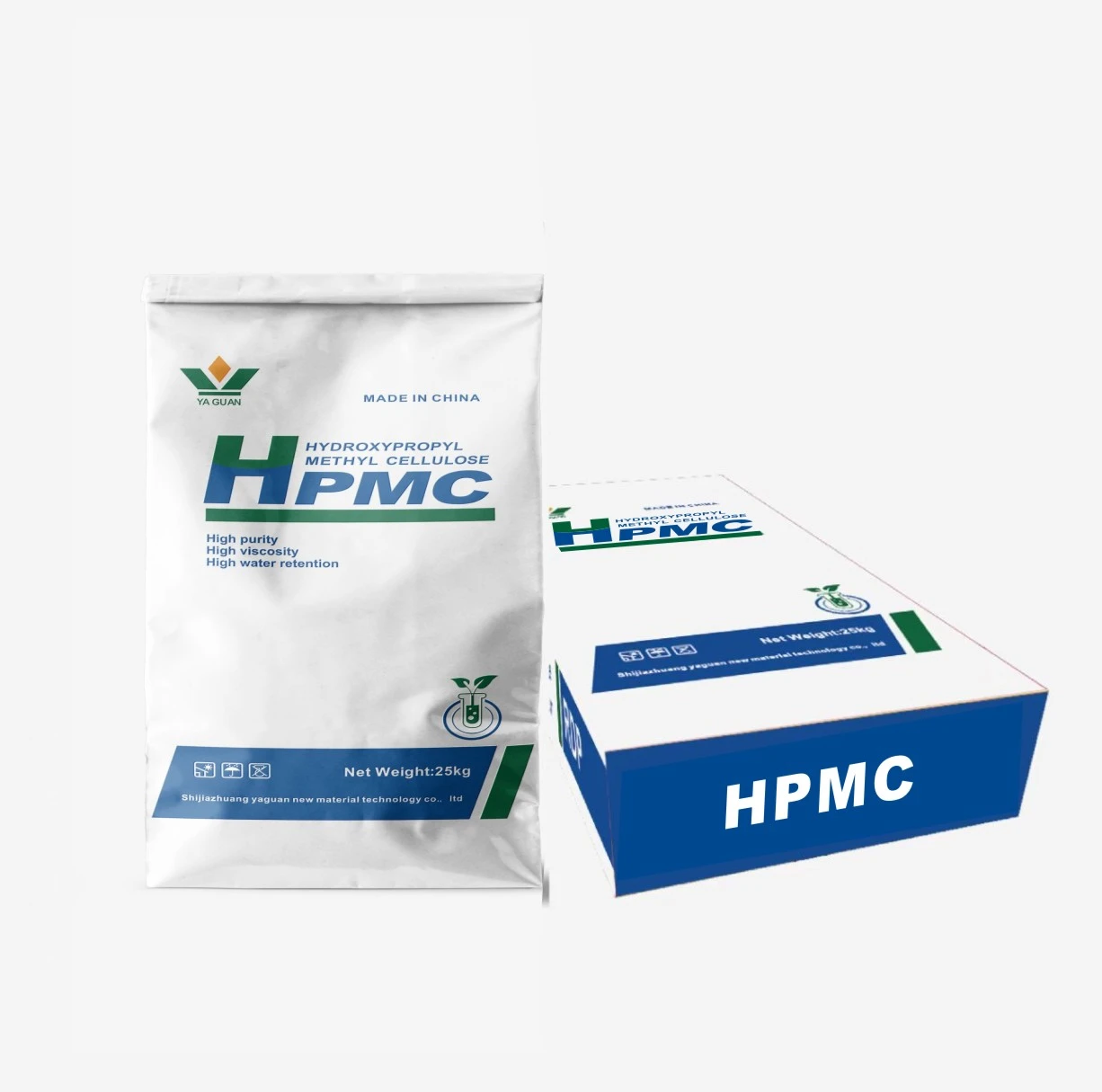
A Field Report on Hydroxypropyl Methyl Cellulose( HPMC): specs, trends, and real-world performance
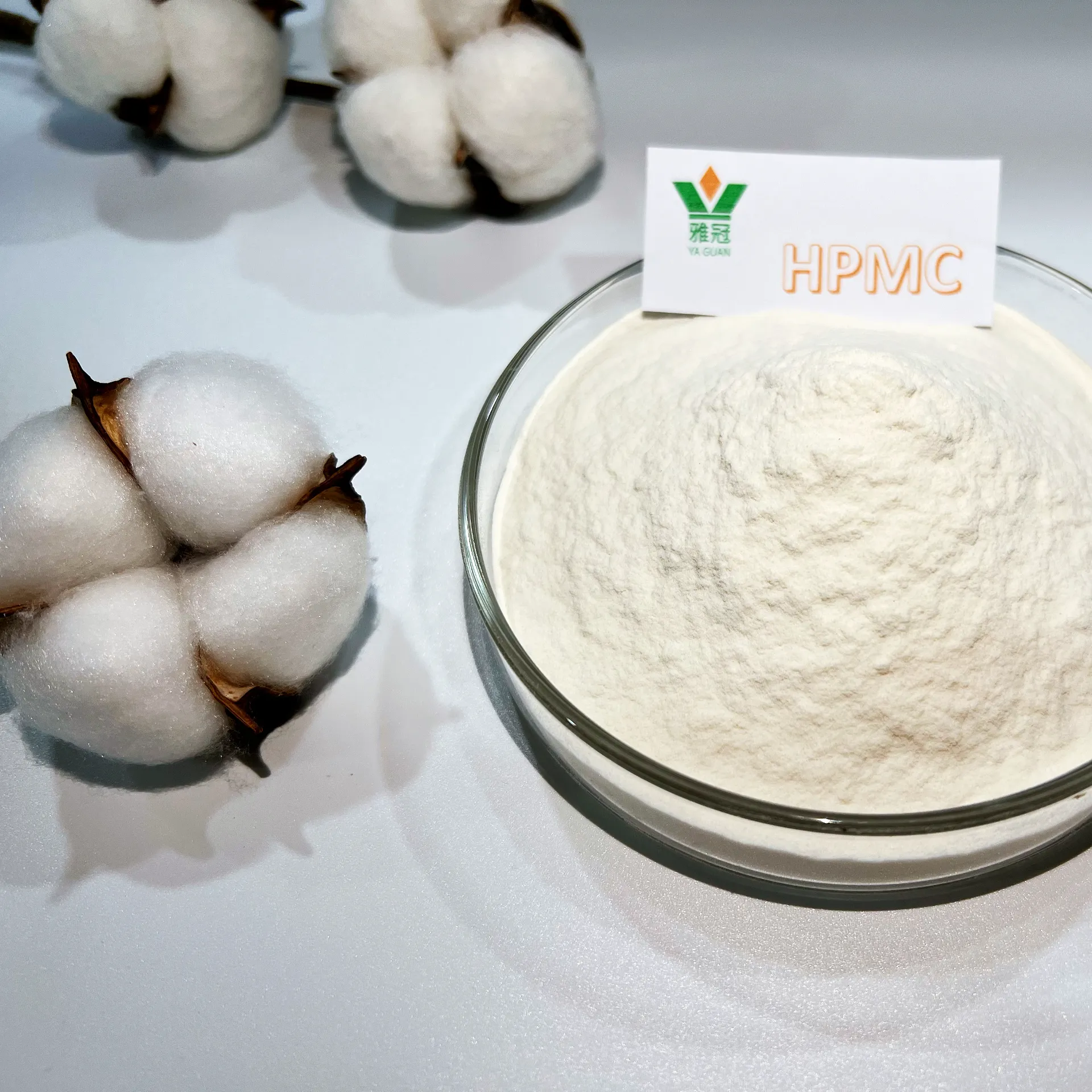
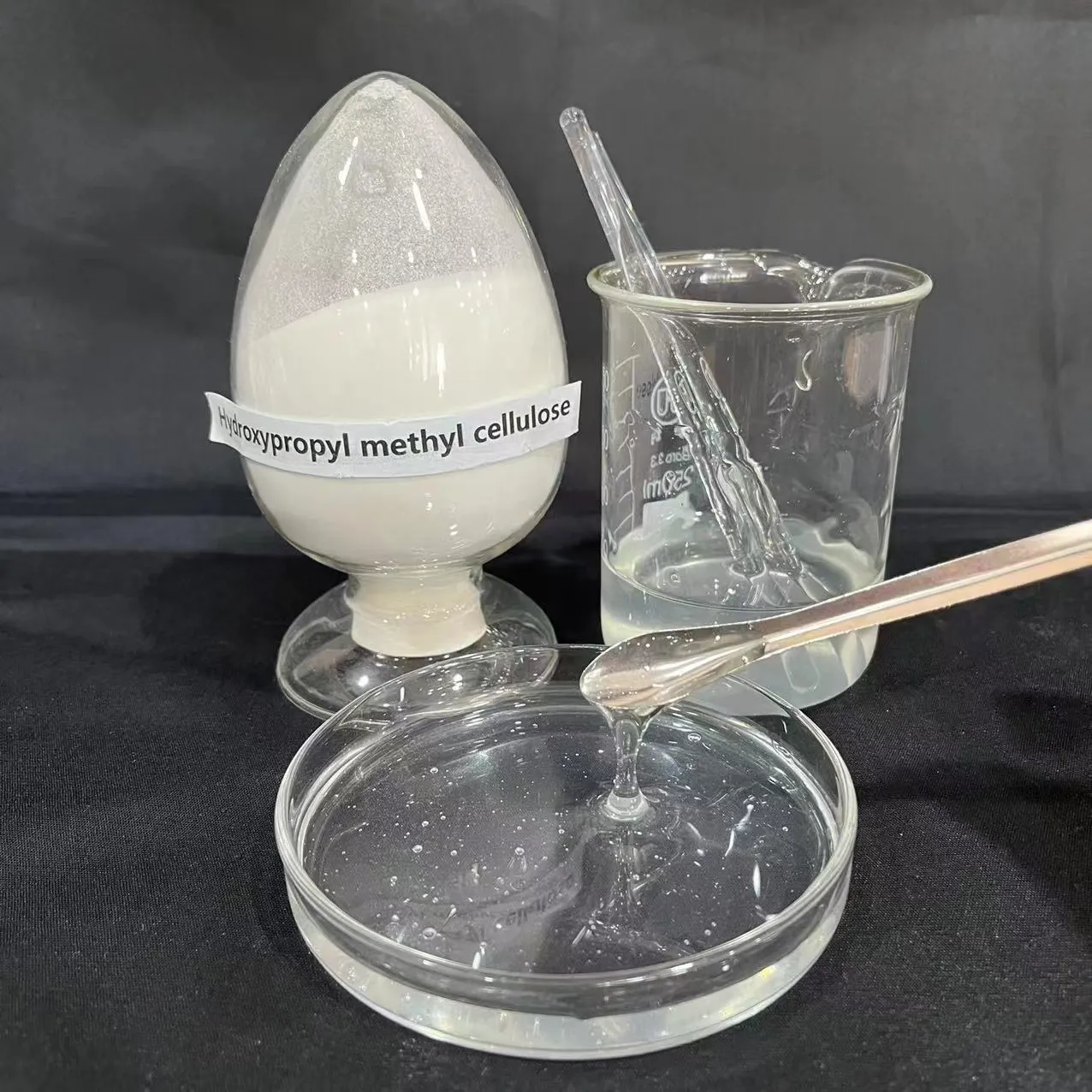
If you work in dry-mix mortars, tile adhesives, renders, or even personal care, you’ve heard the buzz. Hydroxypropyl Methyl Cellulose( HPMC) quietly does the heavy lifting: water retention, workability, slip resistance, and film formation. YAGUAN’s take on it—non-ionic, odourless, versatile—comes from Hebei, China (Room 1320, Block C, Dongsheng Plaza, Chang'an District, Shijiazhuang). And yes, the transparency of their aqueous solution is surprisingly good for QC.
Industry trends I’m seeing
- Shift to high-retention, low-dosage grades to control costs without losing open time.
- Surface-treated, delayed-solubility Hydroxypropyl Methyl Cellulose( HPMC) for dust-free, lump-free mixing in large silos.
- Tighter viscosity windows and batch-to-batch consistency for automated dosing lines.
- Growing crossover into detergent, latex paint, and personal care where clarity matters.

Technical snapshot
Core functions: thickening, binding, dispersing, emulsifying, film-forming, suspending, gelling, water retention, protective colloid. Many customers say workability “just clicks” at 0.2–0.5% dosage in cementitious systems—your mileage may vary.
| Parameter | Typical spec (≈) | Test method |
|---|---|---|
| Appearance | White to off‑white powder | Visual |
| Viscosity (2% sol., 20°C) | 400–200,000 mPa·s (customizable) | Brookfield RV, ASTM D2196 / ISO 2555 |
| Methoxy (MeO) | 19–30% | Titration (USP/Ph.Eur.) |
| Hydroxypropoxy (HPO) | 4–12% | Titration (USP/Ph.Eur.) |
| Moisture | ≤5% | 105°C loss on drying |
| pH (1% sol.) | 5.0–8.0 | pH meter |
| Gel temp | 60–75°C (grade‑dependent) | Hot plate observation |
Where it’s used
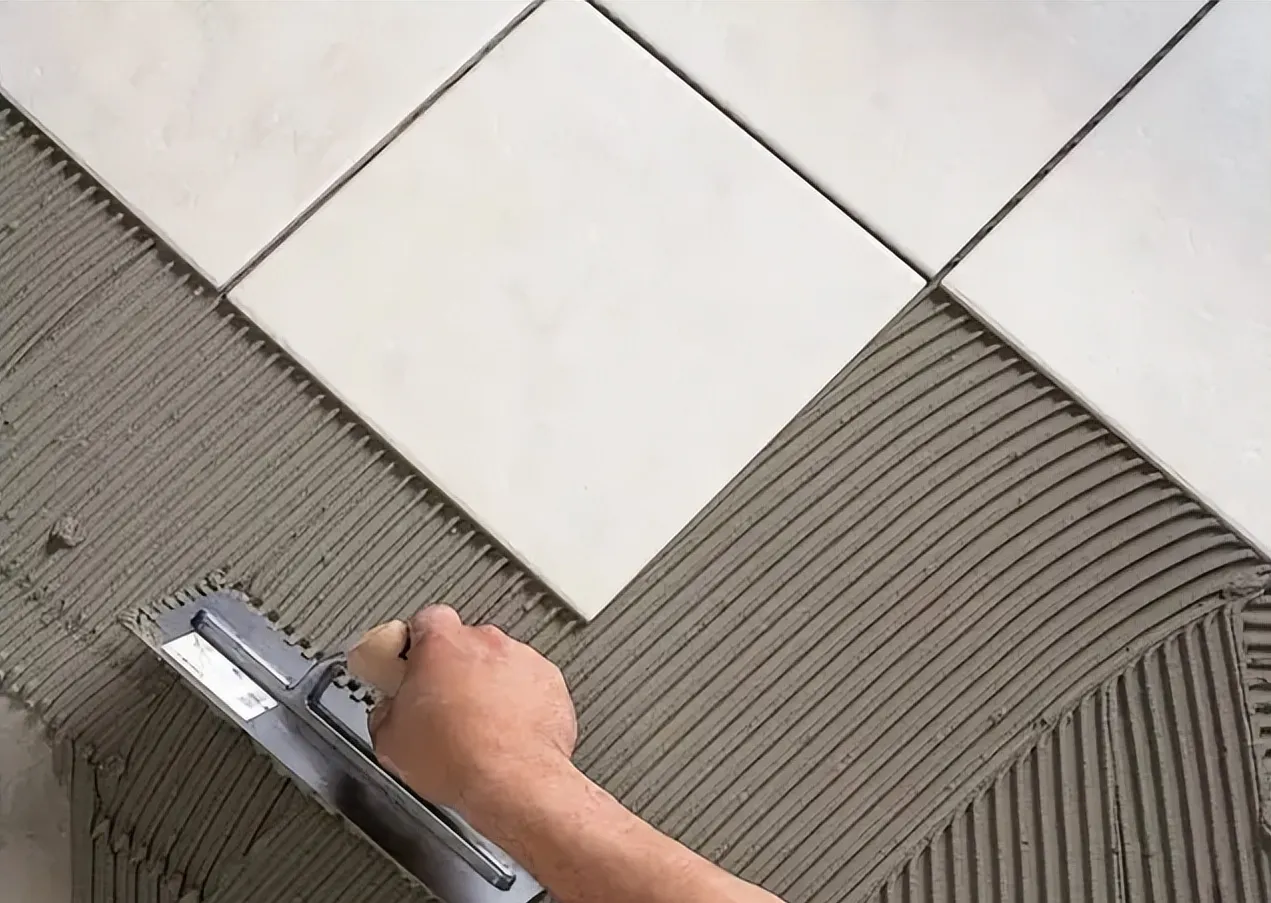
- Dry-mix mortars: tile adhesives (EN 12004), EIFS/ETICS, skim coats, grouts (EN 13888), renders.
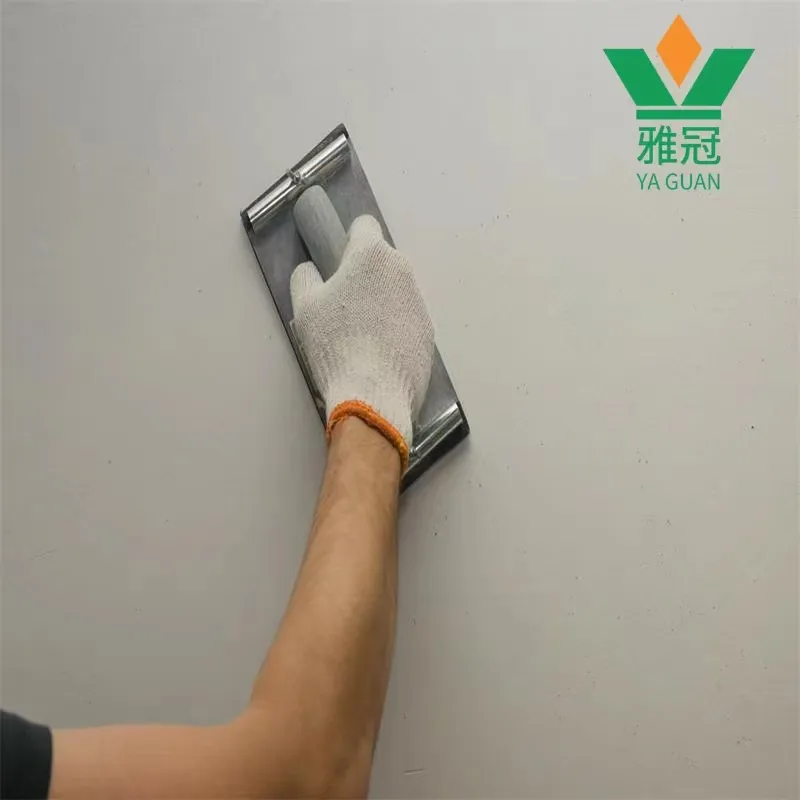
- Gypsum formulations: joint compound, plaster—better sag resistance.
- Paints/latex: rheology and spatter control; stable films.
- Detergent and personal care: thickening and clarity, though select cosmetic grade.
Process flow (how it’s made, briefly)
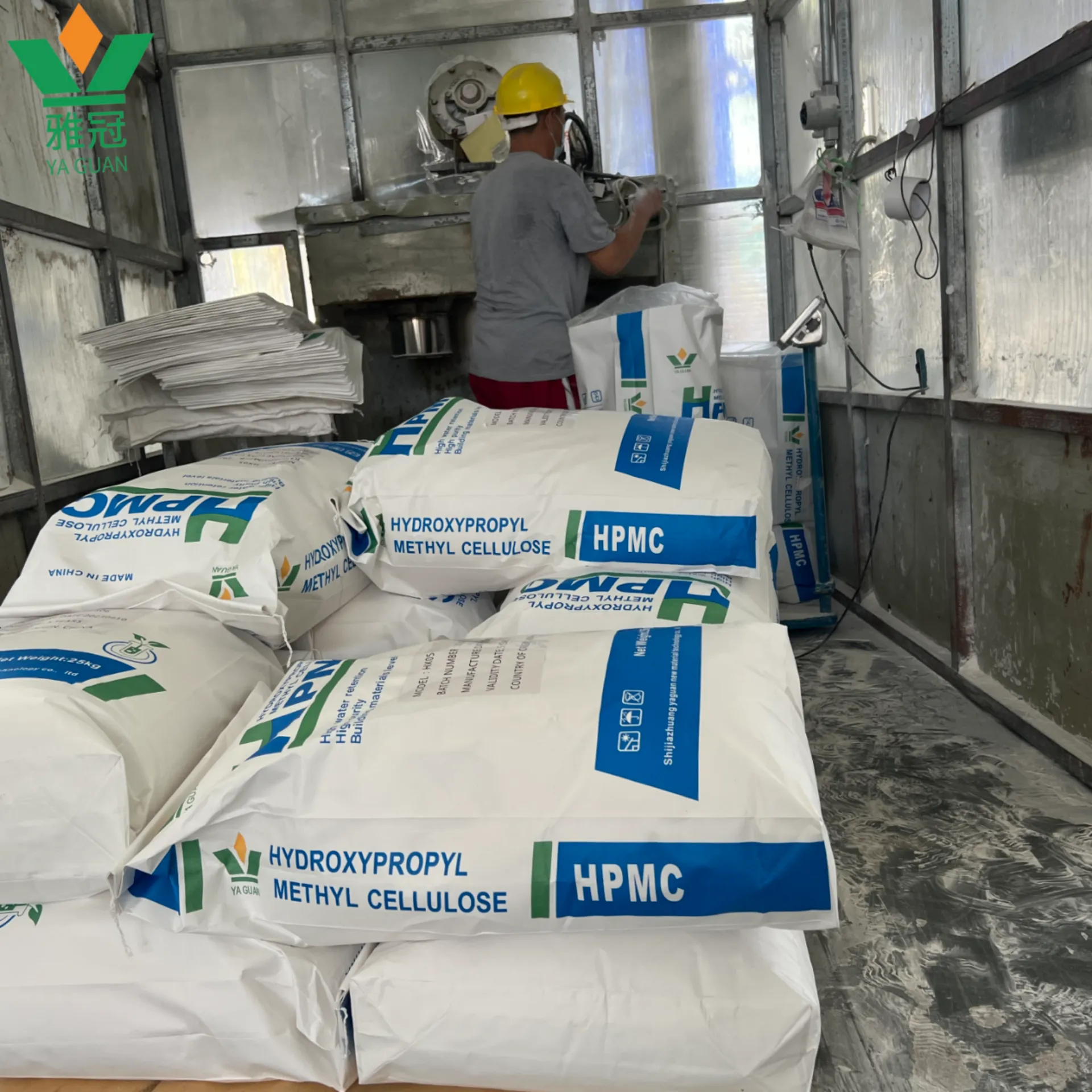
Refined cellulose pulp → alkalization (NaOH) → etherification with methyl chloride + propylene oxide → neutralization → washing → drying → milling → sieving → QC (viscosity, DS/MS, moisture, ash) → packaging. Testing references include Brookfield viscosity, substitution analysis, and mortar performance per EN/ASTM standards.
Customization and service life
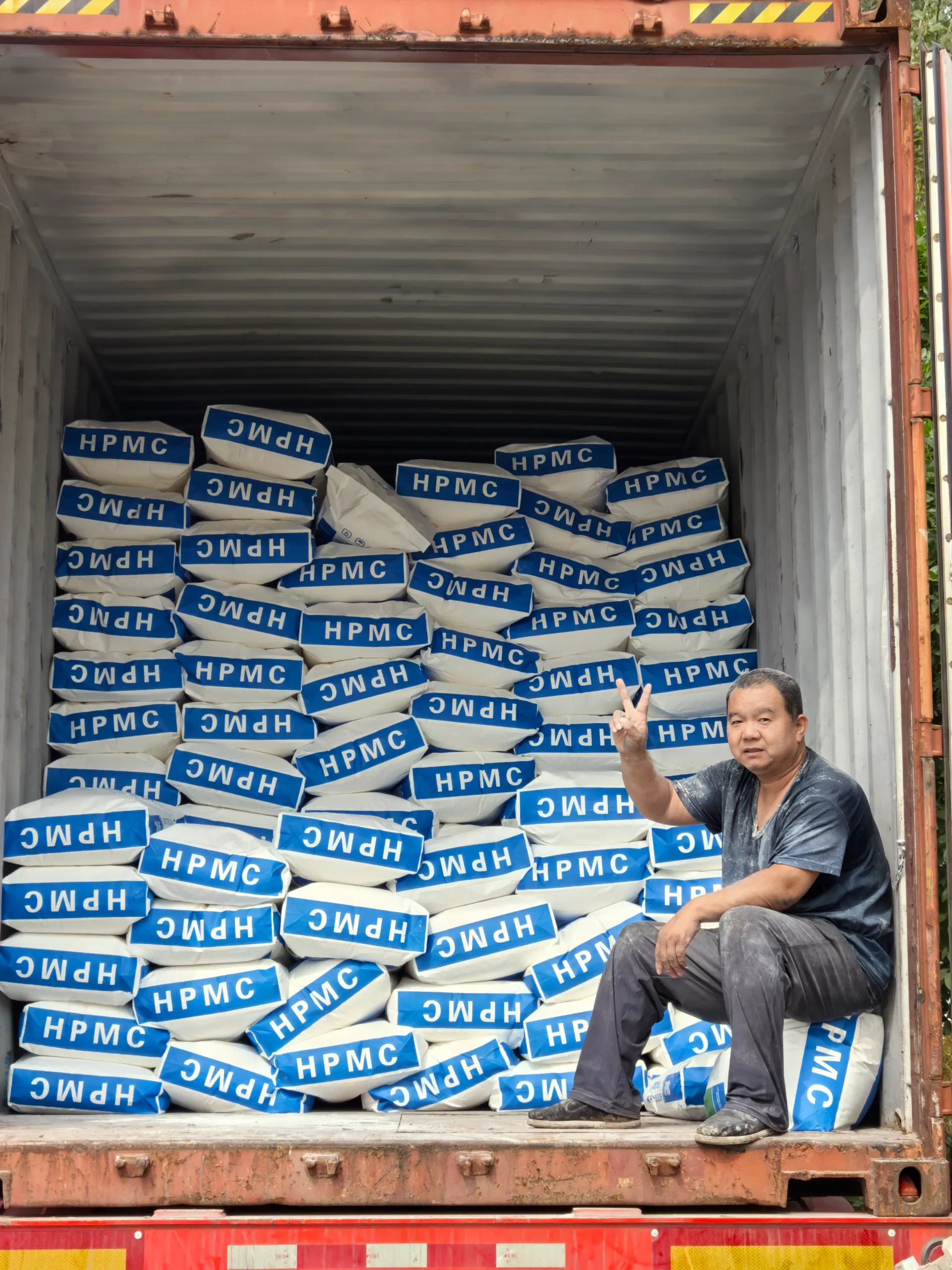
Custom viscosity bands, particle size, surface-treated (delayed solubility) options, and tailored gel temp. Shelf life: ≈24 months sealed, cool and dry. In real-world warehouses? I’d rotate within 18 months to be safe.
Vendor comparison (quick take)
| Vendor | ISO 9001 | Viscosity tolerance | Surface-treated | MOQ | Lead time |
|---|---|---|---|---|---|
| YAGUAN (Hebei, China) | Yes | ±5–10% (grade‑dependent) | Yes | ≈1 ton | 7–15 days |
| Vendor A | Yes | ±10–15% | Limited | 2–5 tons | 2–4 weeks |
| Vendor B | Yes | ±5–8% | Yes | ≈1 ton | 10–20 days |
Case notes and feedback
Tile adhesive plant in Eastern Europe switched to Hydroxypropyl Methyl Cellulose( HPMC) 60,000 mPa·s, surface-treated: open time extended by ~8–12 minutes (EN 12004 T class), slip reduced by 20–25%, with the same dosage. A gypsum board finisher told me, “Sanding is cleaner, less clogging”—not lab-perfect, but convincing.
Standards, compliance, and testing
- Viscosity: ASTM D2196 / ISO 2555 (Brookfield).
- Mortar performance: EN 12004 (tile adhesives), EN 1015 series (renders), EN 13888 (grouts).
- Chemical identification: USP–NF/Ph.Eur. Hypromellose monograph for reference grades.
- Quality system: ISO 9001; batch CoA with moisture, viscosity, substitution, pH.
Usage tip: pre-wet slowly, high shear for 5–8 minutes; allow full hydration. Store sealed. Simple, but it saves headaches.
References
- ASTM D2196: Standard Test Methods for Rheological Properties of Non-Newtonian Materials.
- ISO 2555: Plastics—Resins in the liquid state—Brookfield viscosity.
- EN 12004: Adhesives for tiles—Requirements, evaluation of conformity.
- USP–NF / European Pharmacopoeia: Hypromellose (Hydroxypropyl Methylcellulose) monographs.
- EN 13888 and EN 1015 series for cementitious mortars and grouts.