In the sophisticated world of synthetic materials, tio2 white stands as one of the most critical inorganic pigments used across global manufacturing. Known for its unparalleled brightness and high refractive index, it is the gold standard for providing opacity and brilliance in everything from high-end architectural coatings to specialized chemical polymers. Understanding its properties is not merely a technical requirement but a commercial necessity for companies aiming to enhance product durability and aesthetic appeal.
The global demand for high-purity tio2 white has surged as industries shift toward more sustainable and long-lasting materials. According to ISO standards for pigment quality, the consistency of particle size and surface treatment is paramount to ensuring that the white pigment integrates seamlessly with other additives like HPMC or RDP. As infrastructure projects grow in complexity, the role of titanium dioxide in protecting surfaces from UV degradation has become a focal point for material scientists.
However, the industry faces a constant challenge: balancing maximum opacity with cost-efficiency and environmental compliance. Achieving a perfect, streak-free finish while maintaining the chemical stability of the end product requires a deep understanding of how tio2 white interacts with various resins and binders. This guide explores the technical nuances and commercial applications of this essential material to help manufacturers optimize their formulations.
Global Relevance of TiO2 White in Modern Industry
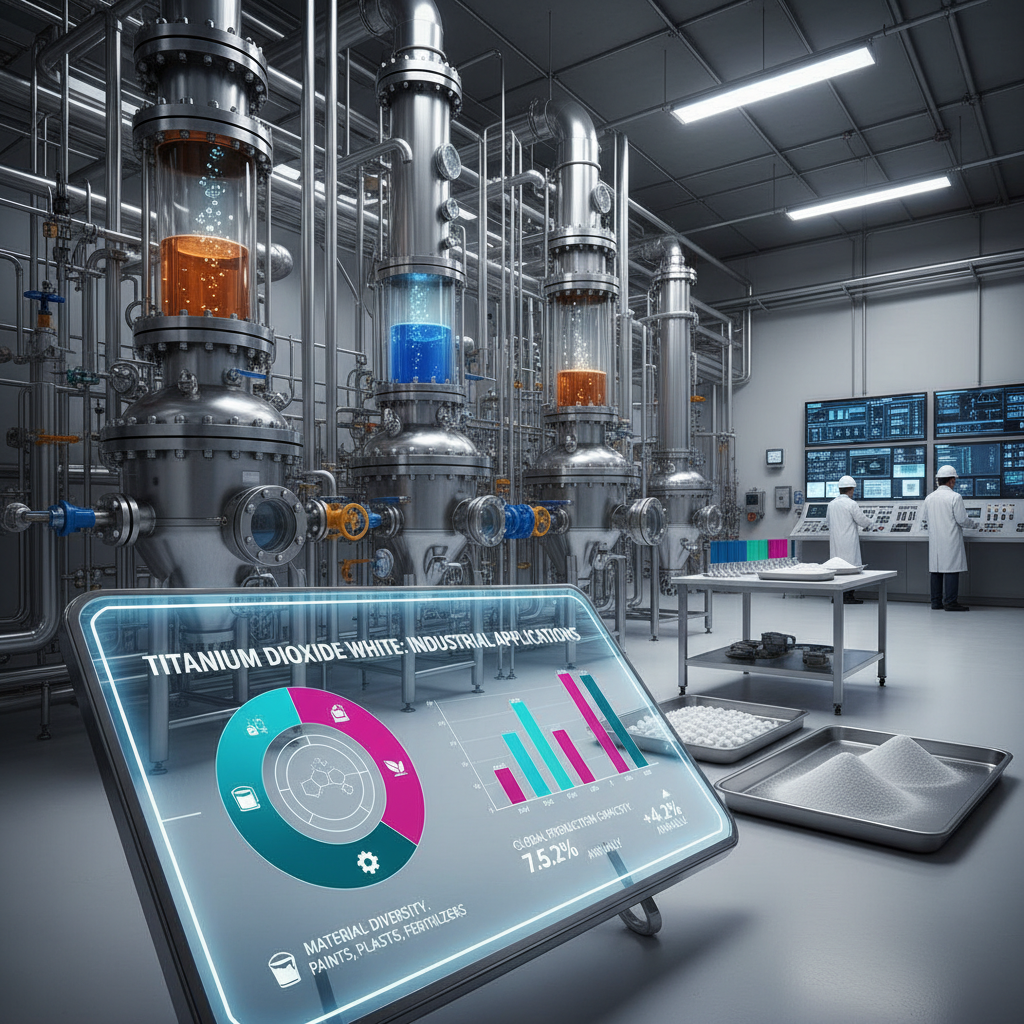
The global reliance on tio2 white stems from its unmatched ability to scatter light, which provides the "whiteness" and "hiding power" required in commercial coatings. From the automotive industry to the production of plastics and paper, this pigment ensures that colors remain vivid and surfaces stay opaque. Its economic impact is vast, driving a multi-billion dollar market that supports urban development and consumer goods manufacturing worldwide.
Beyond aesthetics, the relevance of this material lies in its protective capabilities. In regions with high solar radiation, using high-grade titanium dioxide in exterior paints reduces heat absorption and protects the underlying structural materials from UV-induced degradation. This synergy between visual appeal and structural longevity makes it an indispensable asset in the synthesis of advanced construction materials.
Defining TiO2 White: Chemistry and Purpose
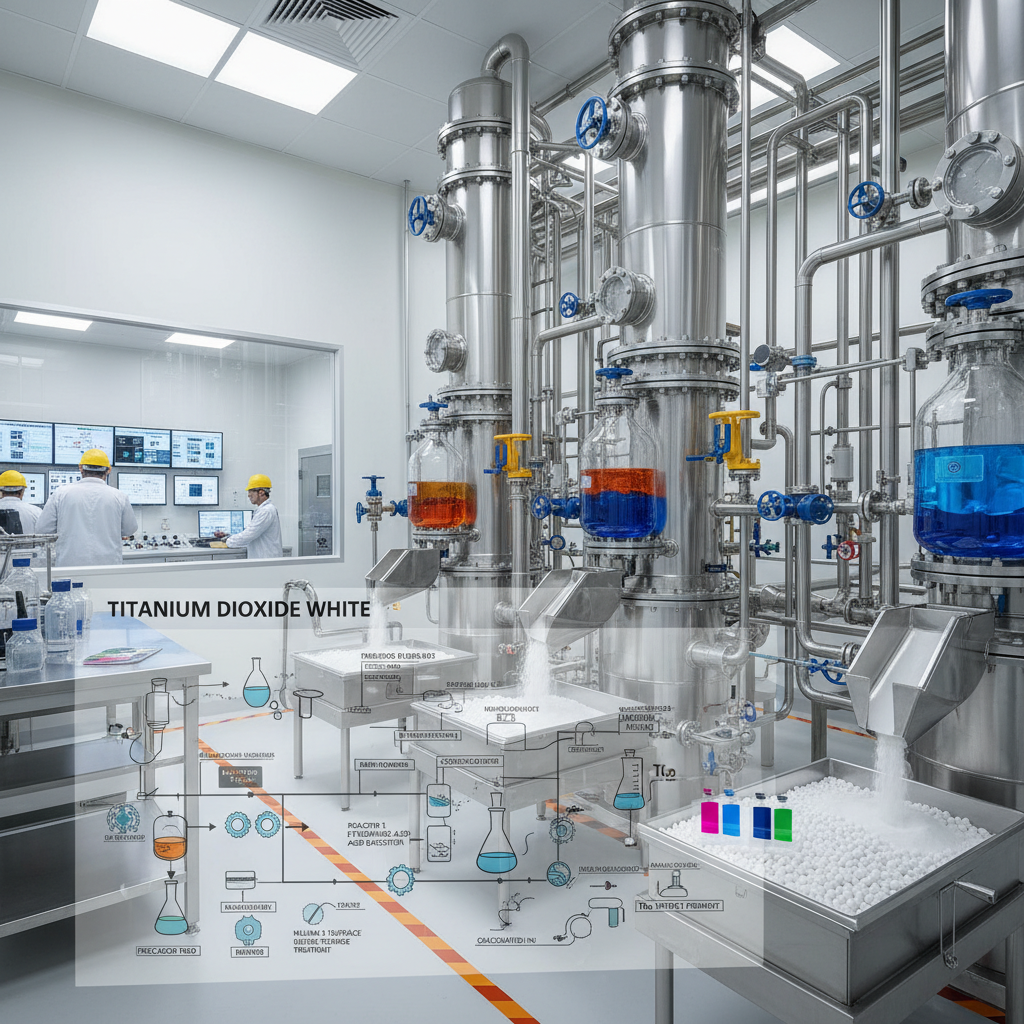
In simple technical terms, tio2 white is a naturally occurring oxide of titanium, typically produced through the sulfate process or the chloride process. Its primary purpose is to serve as a high-opacity white pigment. Because of its high refractive index, it is far more efficient than other white pigments (like zinc oxide) at reflecting visible light, which means less material is needed to achieve a complete "cover" on a surface.
From an industrial perspective, it is categorized into two main crystalline forms: rutile and anatase. Rutile is the more common commercial form due to its superior stability and resistance to weathering, making it the preferred choice for outdoor applications. Anatase, while slightly less stable, is often utilized in specialized food or pharmaceutical applications where specific reactivity or purity levels are required.
The connection between this chemical compound and modern humanitarian needs is often overlooked. In the production of low-cost, reflective housing materials for displaced populations in hot climates, tio2 white is used to create "cool roofs." These reflective surfaces significantly lower indoor temperatures, reducing heat stress and improving the living conditions for vulnerable populations in remote industrial or disaster-hit zones.
Core Components Affecting Pigment Performance
The effectiveness of tio2 white is determined by several core components, the first being Particle Size Distribution. For maximum light scattering, particles must be precisely sized—usually around 200 to 300 nanometers. If the particles are too large, the pigment settles; if they are too small, the opacity drops, leading to a translucent finish that fails commercial quality checks.
Another critical factor is Surface Treatment. Since raw titanium dioxide can be photocatalytic—meaning it can actually break down the binder in a paint film when exposed to sunlight—manufacturers coat the particles with silica or alumina. This treatment ensures that the tio2 white remains inert, preventing "chalking" and extending the lifespan of the coating.
Finally, Dispersibility plays a vital role in cost-efficiency. A pigment that clumps together creates streaks and requires more energy and chemical additives to smooth out. High-quality tio2 white is engineered for rapid dispersion, allowing it to blend seamlessly with PCE (Polycarboxylate Ether) or HPMC (Hydroxypropyl Methylcellulose) in construction mortars and adhesives.
Practical Applications Across Global Sectors
The application of tio2 white spans multiple high-stakes industries. In the construction sector, it is integrated into architectural coatings and polymer-modified cements. When combined with RDP (Redispersible Polymer Powder), it creates a bright, clean finish for wall putties and exterior renders that resist yellowing over time, ensuring that urban skylines maintain their luster despite pollution.
In the plastics industry, it is used to create opaque white plastics for medical devices and consumer electronics. In remote industrial zones, where equipment is exposed to extreme environments, specialized coatings containing titanium dioxide are applied to machinery to prevent corrosion and reflect thermal energy, thereby reducing cooling costs and preventing overheating of sensitive components.
Performance Analysis of TiO2 White Grade Variations
Long-Term Value and Sustainability Advantages
The long-term value of investing in high-quality tio2 white extends beyond immediate visual results. By providing superior UV protection, it significantly reduces the frequency of repainting and maintenance cycles. This not only lowers the lifetime cost of ownership for building owners but also reduces the total volume of chemical waste generated by the construction industry.
From a sustainability angle, the transition toward "cool pigment" technology allows cities to combat the urban heat island effect. By utilizing tio2 white in roof coatings and road surfaces, municipalities can lower ambient temperatures, reducing the energy load on air conditioning systems and decreasing carbon emissions. This intersection of chemical engineering and environmental stewardship creates a powerful logical and emotional incentive for modern architects.
Innovations and Future Trends in White Pigments
The future of tio2 white is being shaped by the rise of nanotechnology. "Nano-TiO2" is currently being developed to provide antimicrobial properties alongside its traditional coloring abilities. These self-cleaning surfaces, which use photocatalysis to break down organic pollutants when exposed to light, are becoming essential in hospital environments and public transportation hubs.
Digital transformation is also playing a role, with AI-driven formulation software allowing chemists to predict the exact amount of tio2 white needed to achieve a specific opacity level. This precision reduces material waste and optimizes the integration with polymers like PP Fiber, ensuring that the final composite is both lightweight and visually perfect.
Furthermore, there is a growing movement toward "Green TiO2" production. New chloride processes are being refined to reduce chlorine emissions and lower energy consumption. As global regulations on chemical manufacturing tighten, the industry is moving toward a circular economy where titanium by-products are recovered and reused, ensuring the sustainability of the supply chain.
Overcoming Technical Challenges in Implementation
One of the most common challenges in using tio2 white is "flocculation," where pigment particles clump together, leading to uneven color distribution. To solve this, expert formulators recommend the use of high-shear mixers and specific wetting agents. Ensuring the correct pH balance in the mixture is also vital to prevent the pigment from reacting negatively with other additives.
Another hurdle is the cost volatility of raw titanium ore. To overcome this, many companies are adopting "hybrid pigment" strategies, blending tio2 white with functional fillers that mimic its light-scattering properties. This approach maintains a high level of whiteness while stabilizing production costs and reducing the overall environmental footprint of the product.
Finally, achieving compatibility between the pigment and organic binders can be tricky. The use of coupling agents helps bridge the gap between the inorganic tio2 white and the organic resin, improving adhesion and preventing the pigment from migrating to the surface, which would otherwise cause a powdery finish.
Comparative Analysis of TiO2 White Implementation Strategies
|
Implementation Method
|
Opacity Score (1-10)
|
UV Resistance
|
Cost Efficiency
|
| Pure Rutile TiO2 |
10 |
Excellent |
Moderate |
| Anatase Blend |
7 |
Fair |
High |
| Nano-Coated White |
9 |
Superior |
Low |
| Hybrid Filler Mix |
6 |
Good |
Very High |
| Alumina-Treated TiO2 |
9 |
Excellent |
Moderate |
| Silica-Treated TiO2 |
8 |
Very Good |
Moderate |
FAQS
Rutile is the more stable crystalline form, offering higher refractive index and better weather resistance, making it ideal for outdoor paints and plastics. Anatase is more reactive and slightly less opaque, often used in indoor applications or specialty chemicals where photocatalytic properties are desired.
It acts as a powerful UV shield, reflecting harmful radiation away from the binder and substrate. This prevents the coating from cracking, peeling, or yellowing, effectively extending the maintenance cycle of the building and protecting the structural integrity of the materials.
Yes, it is frequently used in combination with HPMC (for water retention) and PCE (for workability) to create high-performance white mortars and adhesives. The key is ensuring the pigment is properly dispersed to avoid lumps and ensure a smooth, opaque finish.
While the pigment itself is inert and safe in finished products, the manufacturing process (sulfate/chloride) can be energy-intensive. However, modern "Green TiO2" initiatives are focusing on reducing emissions and recovering by-products to make the supply chain more sustainable.
Chalking occurs when untreated TiO2 white acts as a catalyst, breaking down the resin binder under UV exposure. To prevent this, always use surface-treated (silica or alumina coated) titanium dioxide, which inhibits this photocatalytic reaction.
You can implement a "hybrid filler" strategy by blending a high-grade rutile TiO2 with specialized extenders or hollow glass microspheres. This maintains a high level of light scattering while reducing the total volume of expensive pigment required.
Conclusion
In summary, tio2 white is far more than a simple colorant; it is a multifunctional additive that provides critical opacity, UV protection, and thermal reflection. By understanding the balance between crystalline forms (rutile vs. anatase), the importance of surface treatments, and the synergy with other chemical agents like HPMC and RDP, manufacturers can produce superior materials that meet the highest global standards of quality and durability.
As we look toward the future, the integration of nanotechnology and sustainable production methods will continue to elevate the role of titanium dioxide in the synthetic materials industry. We recommend that engineers and procurement specialists prioritize surface-treated grades to ensure long-term product stability. For high-performance chemical solutions and expert guidance on synthetic material additives, visit our website: www.yaguanhpmc.com.