
Mid Range Concrete Additive: A Modern Solution Shaping Construction Globally
Concrete isn’t just the backbone of buildings—it’s the unsung hero of infrastructure worldwide. But get this: traditional concrete, while robust, has its quirks—shrinkage, brittleness, and sometimes a frustratingly short working time. That’s where a mid range concrete additive steps in, striking a balance between plasticizers and superplasticizers to enhance workability without compromising structural integrity. Understanding these additives is pretty crucial—especially when you consider the ongoing global push for more sustainable, durable, and cost-efficient construction.
Introduction: Why Mid Range Concrete Additives Matter on a Global Scale
Concrete consumption is staggering worldwide—over 10 billion tons annually according to the latest Wikipedia data. It powers cities, infrastructure, and even humanitarian projects in remote locations. Yet, the industry faces soaring demands for sustainability, efficiency, and resilience.
Organizations like the International Organization for Standardization (ISO) emphasize that reducing cement content while maintaining performance reduces carbon footprints. Mid range concrete additives offer that middle ground: enhancing fresh concrete properties so structures last longer and are less resource-intensive.
However, challenges like inconsistent quality, climatic impact on curing, and cost pressure persist. The mid range additive is emerging as a versatile solution that helps engineers, contractors, and suppliers address these concerns head-on.
What Exactly Is a Mid Range Concrete Additive?
In plain terms, a mid range concrete additive is a chemical admixture used to improve the workability and strength of concrete mixes. Positioned between traditional plasticizers (which improve workability moderately) and superplasticizers (which dramatically increase fluidity), mid range additives lend the concrete a more manageable flow that lasts long enough for complex pours without sagging or segregation.
This characteristic makes it vital in applications where timing and precision matter, such as in large-scale infrastructure projects or in harsh weather zones. It also means less water is needed, thus increasing the concrete’s durability.
Core Components and Key Factors of Mid Range Concrete Additives
1. Durability Enhancement
Mid range additives reduce water content and improve cement hydration, leading to denser, more resistant concrete structures. That means fewer cracks, less permeability, and longer service life.
2. Workability and Flow Control
These additives strike a perfect balance, improving fresh concrete fluidity without the extreme slump you’d see with superplasticizers, which can sometimes cause segregation.
3. Cost Efficiency
By enabling the use of less cement and water, mid range additives can shrink project costs. Less material usage also means lower carbon footprints—a win-win given today’s green construction trends.
4. Compatibility with Various Cement Types
They work well across a range of cementitious materials, even with slag or fly ash blends, which are increasingly popular in sustainable construction.
5. Setting Time Optimization
Mid range additives often stabilize setting times, giving construction teams leeway without jeopardizing schedule or strength gains.
Mid Range Concrete Additives in Action: Global Use Cases
Oddly enough, these additives have quietly transformed projects from urban skyscrapers in Shanghai to remote infrastructure in Sub-Saharan Africa.
- Post-Disaster Relief: After earthquakes or floods, mid range additives help create rapid, durable concrete that shelters can be built with swiftly and safely.
- Industrial Zones: In remote areas, efficient concrete with reduced water need is essential, where water scarcity could otherwise delay projects.
- Transportation Infrastructure: Many highways and bridges in Europe rely on mid range additives to boost longevity and reduce maintenance.
- Mass Housing Developments: The consistency that these admixtures provide allows large-scale precast manufacturing with fewer defects and wasted batches.
Advantages & Long-Term Value of Using Mid Range Concrete Additives
At a glance, benefits sweep across technical and emotional realms:
- Lower Costs: Less cement, less water, fewer admixtures overall.
- Sustainability: Reduced CO2 emissions align with green building standards (like LEED and BREEAM).
- Safety & Trust: Stronger structures mean safer buildings and infrastructure.
- Workability Flexibility: Contractors experience fewer headaches on-site — timing is predictable, and pouring is easier.
- Social Impact: Better housing quality in developing regions improves living conditions.
| Parameter | Value / Range | Unit |
|---|---|---|
| Water Reduction | 8–15 | % |
| Dosage Rate | 0.3–0.8 | L per 100kg cement |
| Set Time Delay | 15–30 | Minutes |
| Chloride Content | <0.1 | % |
Current Market Leaders: How Vendors Stack Up
| Vendor | Water Reduction (%) | Environmental Compliance | Customer Support |
|---|---|---|---|
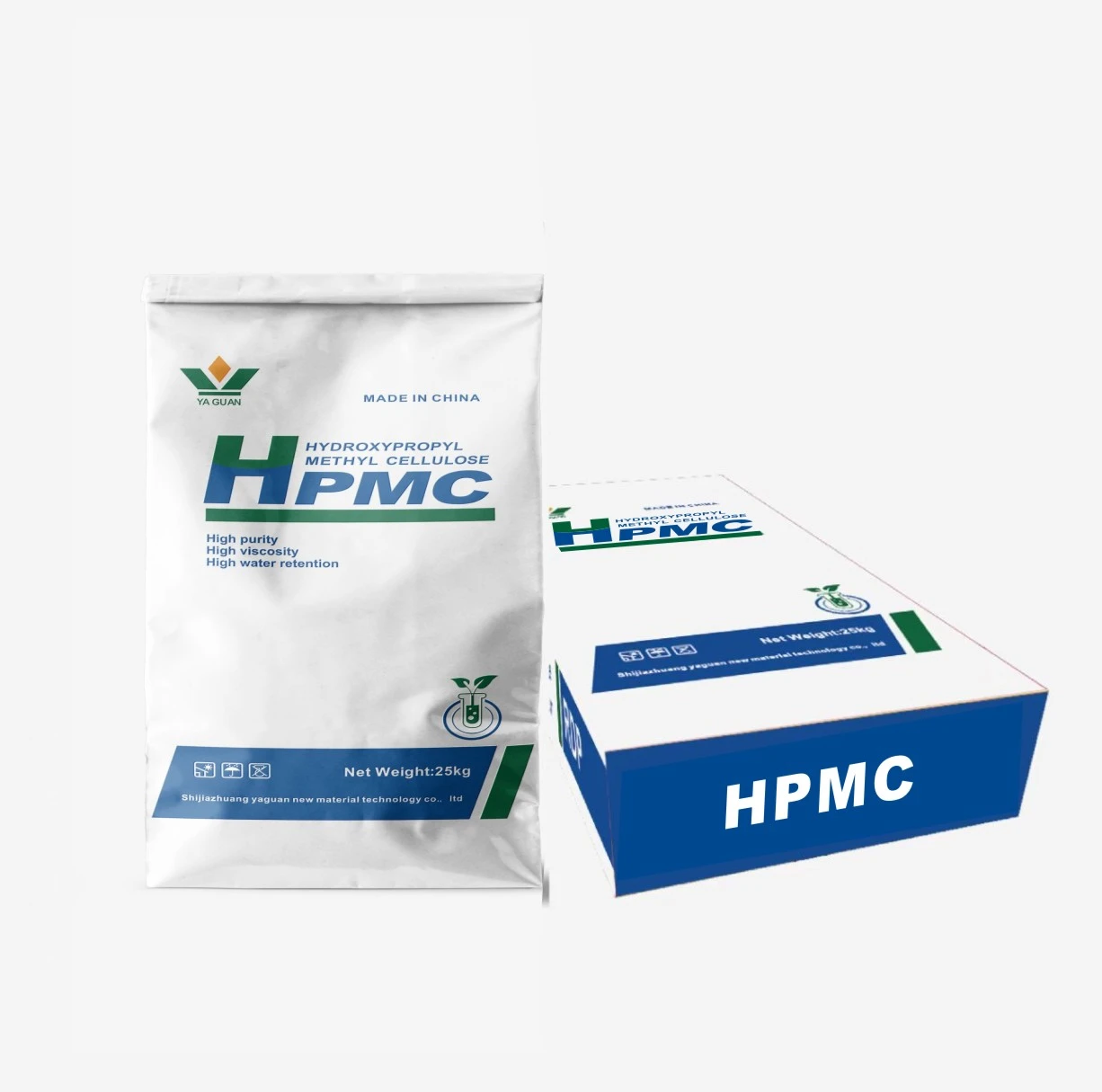
| Yaguan HPMC | 12% | ISO 14001 Certified | 24/7 Technical Assistance |
| Concrete Solutions Ltd. | 10–11% | RoHS Compliant | Business Hours Support |
| BuildMaster Chemicals | 15% | REACH Registered | Limited Weekend Support |
Future Trends & Innovations in Mid Range Concrete Additives
Looking ahead, digital transformation is shaking up admixture design. I noticed an uptick in “smart” concrete additives—embedded sensors that track curing or stress. Sustainability plays a big part too; biopolymer-based additives and carbon-negative formulations are in development to further reduce environmental impact.
Automation helps optimize dosing right on-site, reducing human error. Plus, regulatory policies, especially around carbon targets (like the EU Green Deal), continue to push the market toward greener alternatives. The additive landscape will likely diversify, with tailored products that serve niche construction types or climates.
Challenges & Practical Solutions
Current pitfalls include inconsistent raw materials affecting performance, or additives clashing with certain cement blends. Supply chain hiccups can delay delivery, raising project risks.
Many engineers recommend pre-testing mixes onsite, and maintaining open communication with suppliers. Innovative batching plants now integrate real-time quality control, making a difference. Some startups focus on customizing additives per project, ensuring optimal performance rather than “one size fits all.”
FAQ: Frequently Asked Questions About Mid Range Concrete Additives
- What distinguishes mid range concrete additives from superplasticizers?
- The key difference lies in water reduction and fluidity. Mid range additives moderate workability improvements and maintain better slump retention, whereas superplasticizers deliver high fluidity but sometimes cause segregation and rapid setting.
- Can mid range additives be used with recycled aggregates?
- Yes, these additives improve the workability and strength of concrete with recycled aggregates, helping compensate for the typically lower quality and porosity of such materials.
- How do mid range concrete additives contribute to sustainability?
- By reducing water and cement requirements, they lower carbon emissions associated with concrete production, making them a choice aligned with green building standards.
- Are mid range additives suitable for cold weather concreting?
- Many formulations stabilize setting time, which helps in cold weather by preventing premature freezing or setting delays, but site-specific testing is always advised.
- Where can I source quality mid range concrete additives?
- Established chemical suppliers like Yaguan HPMC provide certified products along with technical support to help optimize your mixes.
Conclusion: Embracing Mid Range Concrete Additives for a Sustainable Future
In real terms, mid range concrete additives are quietly revolutionizing how we build and maintain infrastructure across the world—from mega bridges to community housing. They offer a practical, cost-effective path toward stronger, more durable concrete with a nod to sustainability.
If you want to dive deeper or source proven additives, visit our website for comprehensive information and tailored solutions.
Mini takeaway: Whether you’re an engineer, contractor, or project manager, embracing mid range concrete additives can improve your concrete’s workability, reduce costs, and boost sustainability—all without compromising quality.