
Understanding Mid Range Water Reducing Admixtures for Concrete
If you've been around the industrial equipment or concrete industry as long as I have, you know the difference an effective water reducing admixture can make. Particularly, mid range water reducing admixtures strike a sort of perfect balance—improving workability without the cost or extremes of high range solutions. Frankly, they’re often the go-to choice for many ready-mix concrete producers who want reliable performance and reasonable pricing.
Mid range water reducing admixture products act mainly by dispersing cement particles. This effect reduces the water needed in the mix, which can improve the strength and durability of the hardened concrete. But unlike high range superplasticizers, mid range admixtures maintain a moderate reduction of water—usually between 5% to 15%—making them ideal in applications where moderate strength gain and better workability are required.
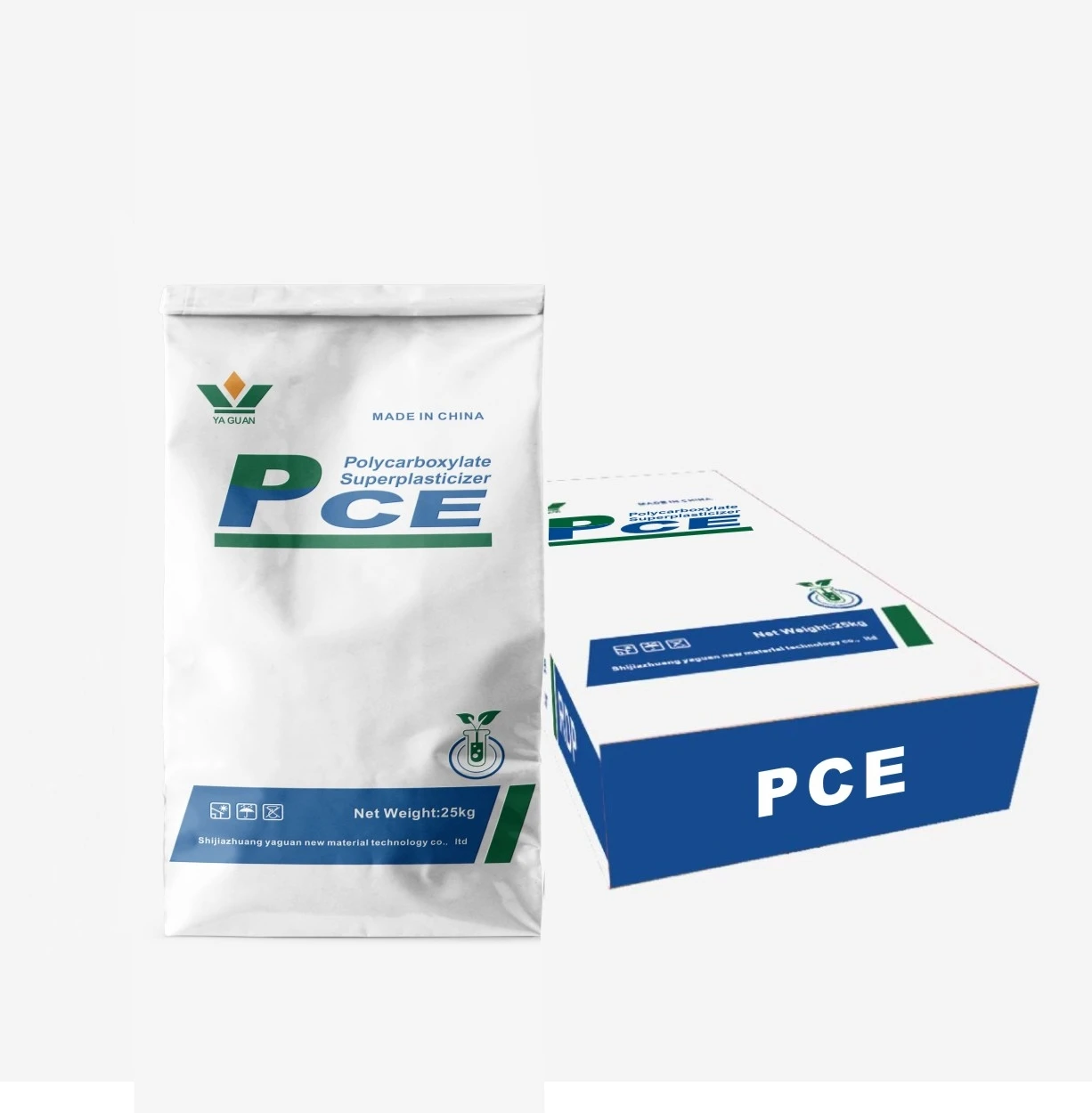
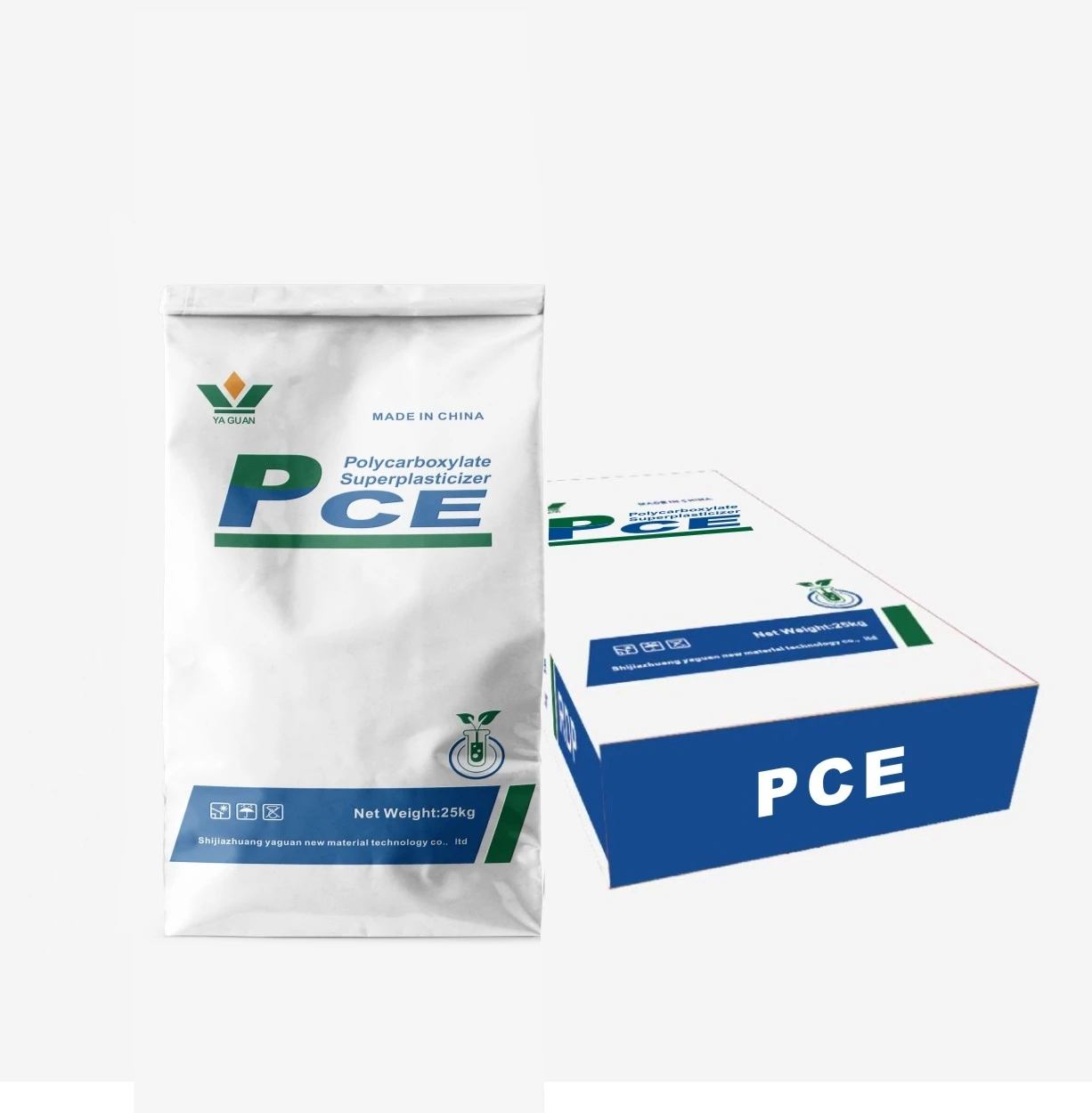
Over the years, what’s stuck with me is how these admixtures can be tailored. While the chemistry often involves lignosulfonates or polycarboxylate ethers (PCEs), suppliers customize their formulas to suit different cement types and mix requirements. This customization is non-trivial; different sources of cement may react slightly differently, and admixture compatibility testing in a lab setting usually precedes any large-scale usage.
From personal experience, the testing phase is crucial. I recall a project where we trialed a mid range admixture on a precast concrete plant. The initial slump was too high, and strength gains felt inconsistent. After adjusting dosage and confirming compatibility with the cement supplier’s recommendations, performance stabilized. It’s a reminder that no admixture is truly “plug and play.” It pays to test and tweak.
Typical Specifications of a Mid Range Water Reducing Admixture
| Specification | Value / Range |
|---|---|
| Water Reduction Capacity | 5% – 15% |
| Typical Dosage | 0.3% – 1.0% by cement weight |
| Compatibility | Portland and blended cements |
| pH | 9 – 11 |
| Appearance | Brown to dark brown liquid |
Now, industrial users frequently wonder how these products compare across vendors: which blend offers best adaptability, cost efficiency, or fewer side effects like unwanted air entrainment? From what I’ve gathered, and judging by customer feedback and lab results, differences often boil down to base chemical type and specific additives.
Comparison of Popular Vendors’ Mid Range Water Reducing Admixtures
| Vendor | Chemical Basis | Water Reduction | Typical Dosage | Price Range |
|---|---|---|---|---|
| Vendor A | Lignosulfonate | 7% – 12% | 0.5% – 1.0% | $0.50 – $0.80/ kg |
| Vendor B | Polycarboxylate Ether (PCE) | 10% – 15% | 0.3% – 0.6% | $1.20 – $1.50/ kg |
| Vendor C | Modified Lignosulfonate | 5% – 10% | 0.6% – 1.0% | $0.60 – $0.90/ kg |
What's interesting (and sometimes overlooked) is not just the product specs but their flexibility in real applications. A customer I recently spoke to runs a medium-sized concrete batching plant and mentioned how a certain mid range water reducing admixture helped them reduce cement content by about 8% without sacrificing slump or durability. That’s a tangible saving on every cubic meter, which adds up.
Another plus: mid range admixtures generally don't interfere much with set times, unlike high range ones that might require additional retarding agents in hot conditions. It makes job-site logistics a bit simpler. Still, quality control and consistent dosing remain king. You don’t want surprises at the pour.
So, when looking for a mid range water reducing admixture, I often advise:
- Confirm compatibility with your cement and aggregates
- Understand your targeted water reduction and workability needs
- Test locally – lab results don’t always tell the full story
- Consider total cost including dosage rates, not just sticker price
To sum up, these admixtures remain a dependable, economical choice in many projects. Oddly enough, despite their modest profile compared to flashy superplasticizers, they often deliver the steady performance signaled by long-term customer satisfaction.
At the end of the day, the right admixture is as much about understanding your materials and conditions as it is chemistry. Experience counts, and trial and error, frankly, still plays a big role.
References:
1. Neville, A.M., “Properties of Concrete,” 5th Edition, Pearson, 2011.
2. Portland Cement Association, “Chemical Admixtures for Concrete”, Technical Bulletin.
3. Personal field notes and interviews – Industrial Concrete Equipment Sector, 2015-2023.