

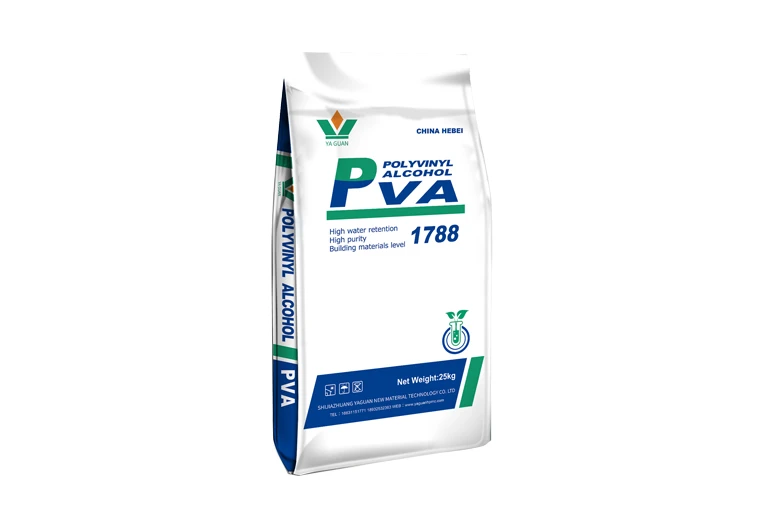
What I’m seeing in Polyvinyl Alcohol(PVA) this year
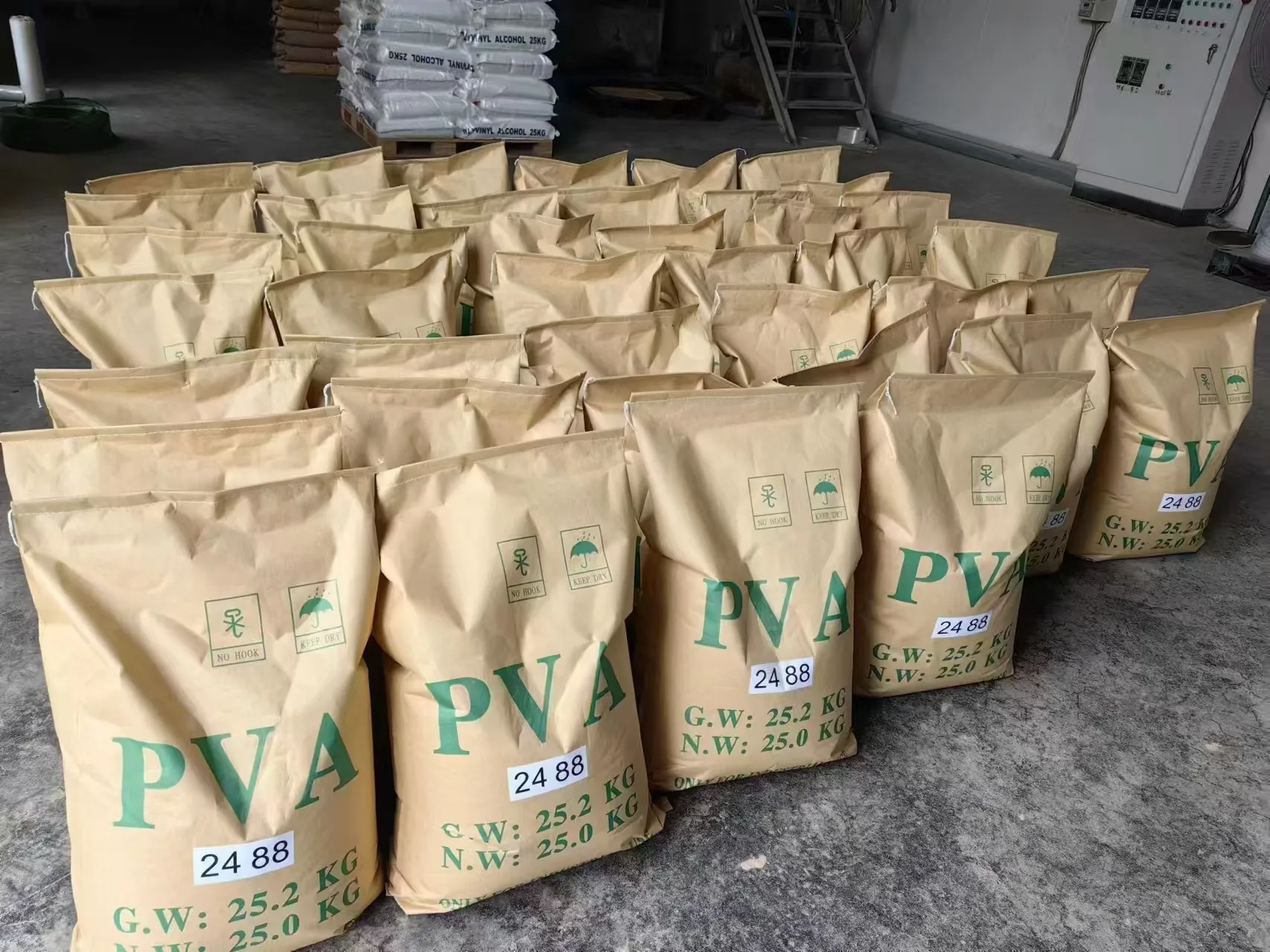
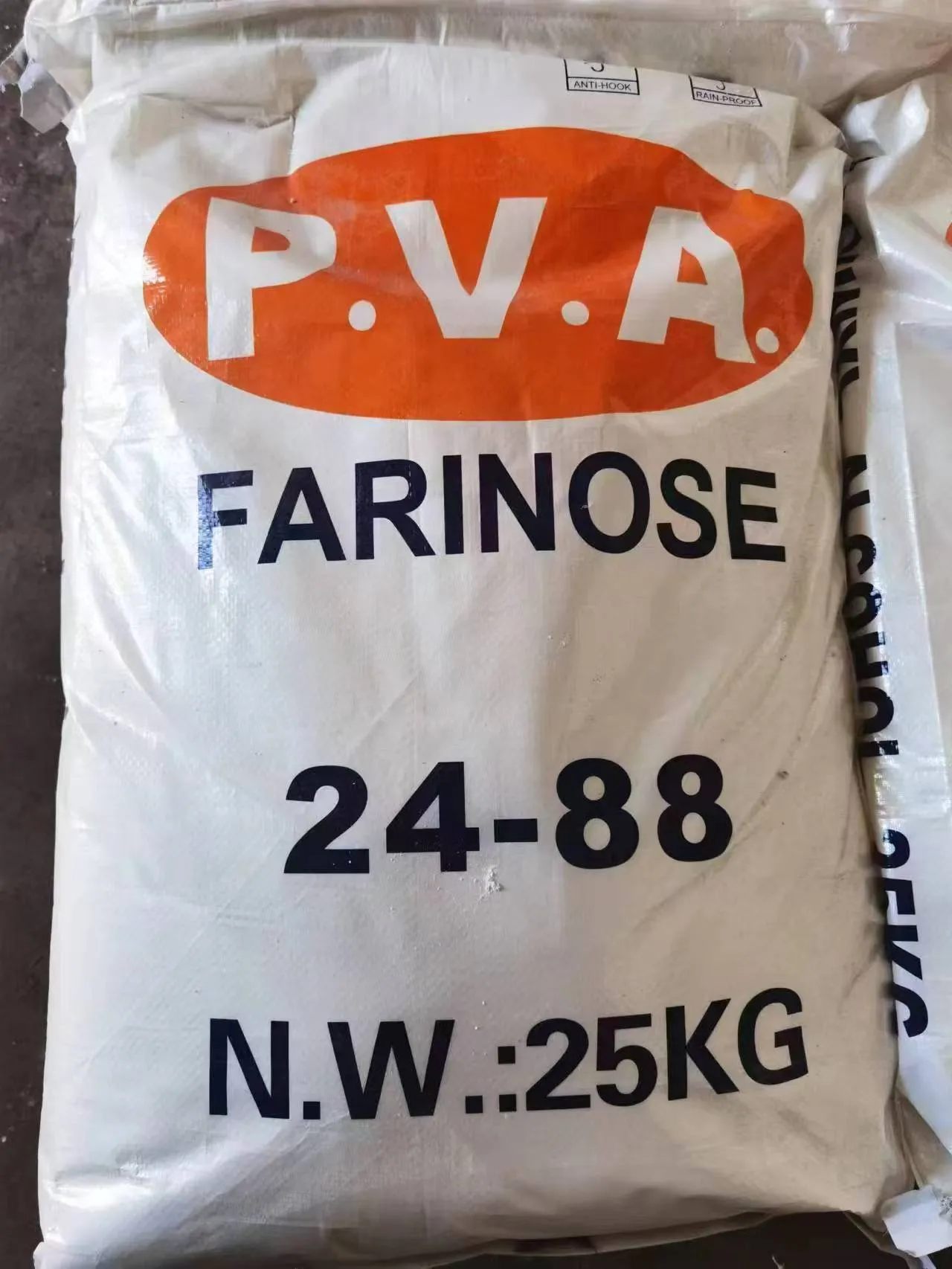
If you handle water-soluble films, paper sizing, textile warp sizing, or adhesive binders, you already live with Polyvinyl Alcohol(PVA) every day—even if you don’t always call it that. Origin-wise, the batch I reviewed recently was shipped from Room 1320, Block C, Dongsheng Plaza, Chang'an District, Shijiazhuang, Hebei Province. Solid, tidy paperwork; to be honest, that matters more than people admit.
Industry snapshot and trends
Three currents, from what I’m hearing: water-soluble Polyvinyl Alcohol(PVA) films for detergent pods keep expanding; paper & packaging want lower migration binders; and 3D-print support materials (yes, dissolvable PVOH) are maturing. Add in regulatory nudges—REACH, RoHS, and tighter VOC profiles—and the polymer’s “clean” profile looks even better. Surprisingly, demand for medium-hydrolysis grades is ticking up in Asia because they balance water resistance and solubility.
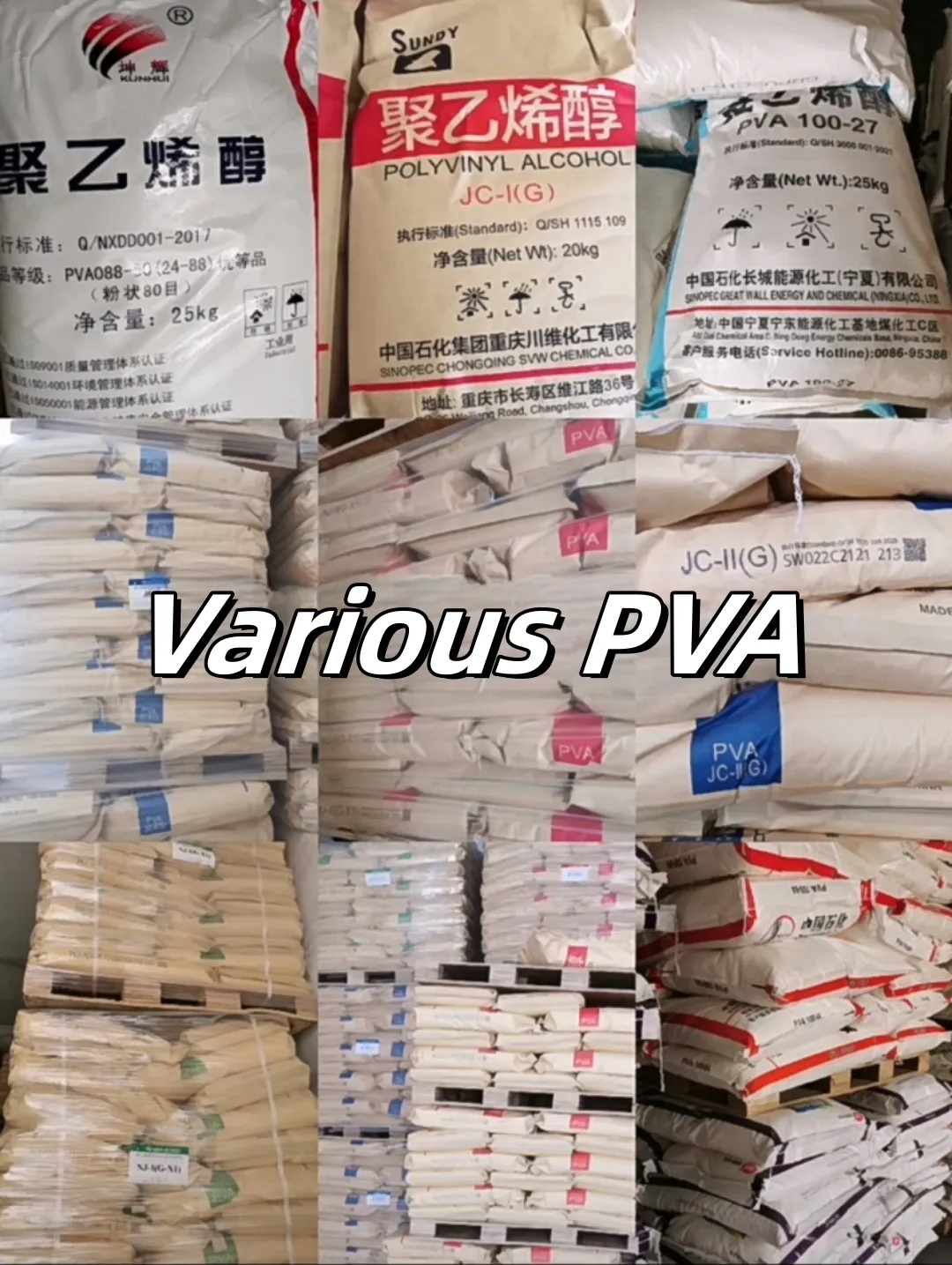
Technical specifications (typical)
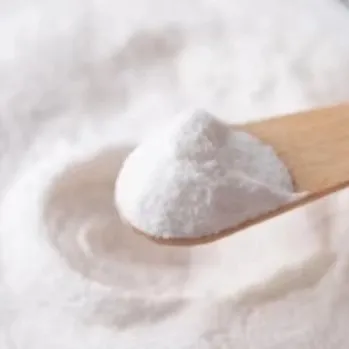
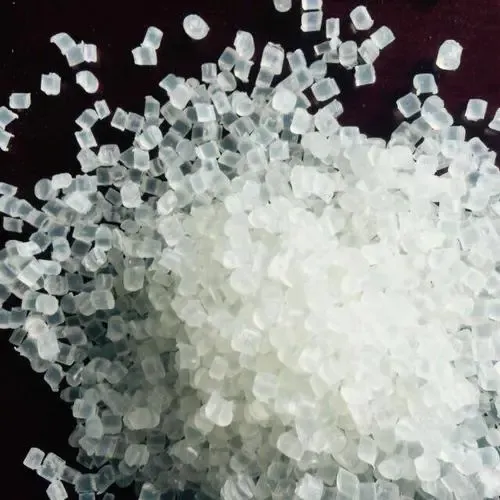
White flake/flocculent or powder; odorless. Soluble in water; insoluble in gasoline, kerosene, vegetable oils, benzene, toluene, dichloroethane, carbon tetrachloride, acetone, ethyl acetate, methanol, ethylene glycol; slightly soluble in DMSO. Real-world use may vary by grade.
| Parameter | Typical Value | Method/Note |
|---|---|---|
| Degree of Hydrolysis | 87–89% (partial) / 98–99+% (fully) | JIS K 6726 titration |
| Viscosity (4% aq., 20°C) | 3–60 mPa·s (≈ wide-range) | Brookfield, JIS K 6726 |
| pH (4% sol.) | 5.0–7.5 | In-house QC |
| Volatile Content | ≤5% | JIS K 6726 |
| Ash | ≤0.7% | JIS K 6726 |
| Film Tensile Strength | ≈40–90 MPa | ASTM D882 (film) |
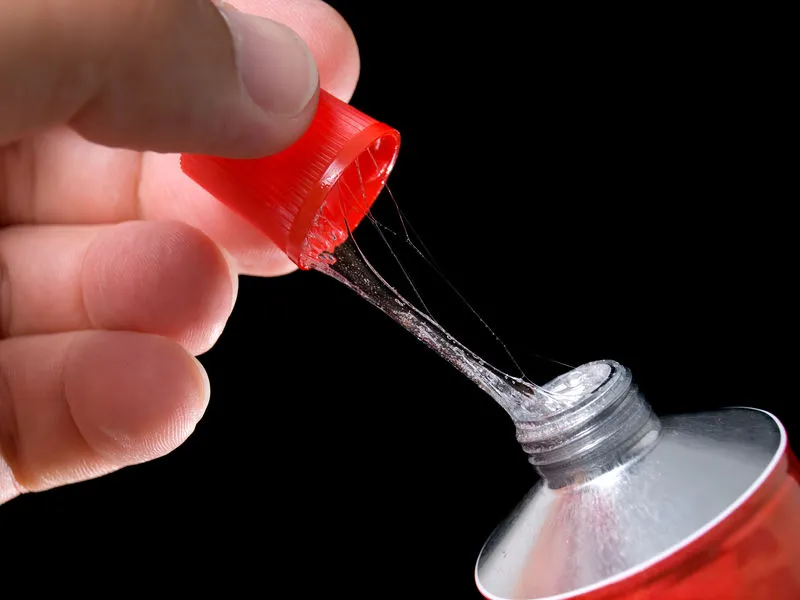
Process flow, testing, and service life
- Materials: vinyl acetate monomer, initiator, methanol/sodium hydroxide for alcoholysis.
- Method: VAc polymerization → PVAc → alcoholysis to Polyvinyl Alcohol(PVA) → washing → drying → milling/flaking.
- Testing: DH% and viscosity (JIS K 6726); film tensile (ASTM D882); WVTR (ASTM E96) for film grades; residuals via GC as needed.
- Service life: shelf ≈ 24–36 months sealed/dry; aqueous solutions best used within 24–72 hours to avoid microbial drift.
- Industries: packaging films, detergents, paper, textiles, construction binders, ceramics, agriculture, 3D-print supports.
Where it actually gets used
- Detergent pods & agro sachets: film dissolves cleanly at programmed temp. - Paper sizing: better surface strength with low odor. - Textile warp sizing: consistent viscosity; fewer breaks. - Emulsifier/adhesive backbone: stable, low migration. Many customers say a mid-viscosity, partially hydrolyzed grade hits the sweet spot for coatability.
Vendor comparison (indicative)
| Criteria | Manufacturer (Shijiazhuang origin) | Global brand supplier | Local trader |
|---|---|---|---|
| DH/Viscosity Range | Broad, customizable | Broad, fixed SKUs | Varies by lot |
| Certifications | ISO 9001; REACH prereg.; RoHS | ISO 9001/14001; REACH | Depends on source |
| MOQ | ≈ 1–5 MT | ≥ 5–10 MT | Low, but inconsistent |
| Lead Time | 7–15 days | 2–4 weeks | Uncertain |
| Documentation | COA + JIS/ASTM test data | Extensive | Basic |
Customization and quick cases
- Custom DH/viscosity: for a pod-film client, a 88–89% DH grade at 12 mPa·s improved seal strength ≈8% (ASTM D882) while keeping sink time under 90 s at 25°C.
- Paper line retrofit: swapped to fully hydrolyzed, 24 mPa·s; Cobb values fell by ~6%, and blade streaks… basically gone. I guess process water control helped too.
Compliance: food-contact adhesives generally reference 21 CFR 175.105 (indirect); always confirm end-use. REACH SDS and exposure scenarios should be current; ask for latest revision.
Buying checklist (short)
- Target DH/viscosity versus your dissolution temp and shear.
- Ask for JIS K 6726 COA, plus ASTM D882 film data if you’re running films.
- Confirm shelf-life labeling and biocide strategy for solutions.
- Pilot blend: start 3–5% solids; adjust heat-up ramp to avoid fisheyes.
Authoritative references
- JIS K 6726: Poly(vinyl alcohol) — Test methods and specifications.
- ASTM D882: Standard Test Method for Tensile Properties of Thin Plastic Sheeting.
- ASTM E96/E96M: Standard Test Methods for Water Vapor Transmission of Materials.
- ECHA Substance Information: Polyvinyl alcohol (PVOH), regulatory dossier and endpoints.











