
PC-733 Powder Polycarboxylate Water Reducing Agent: field notes from the jobsite and the lab
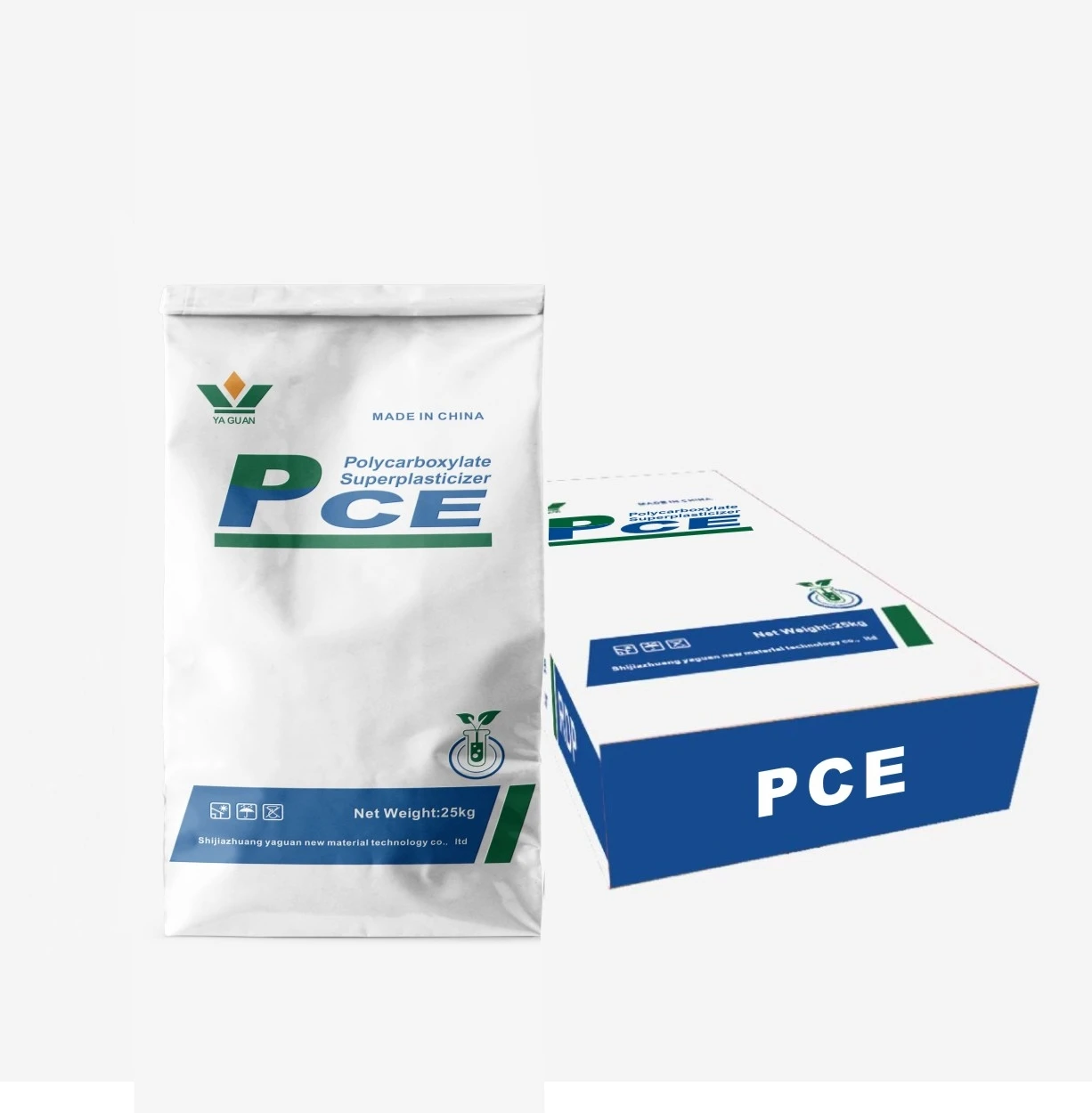
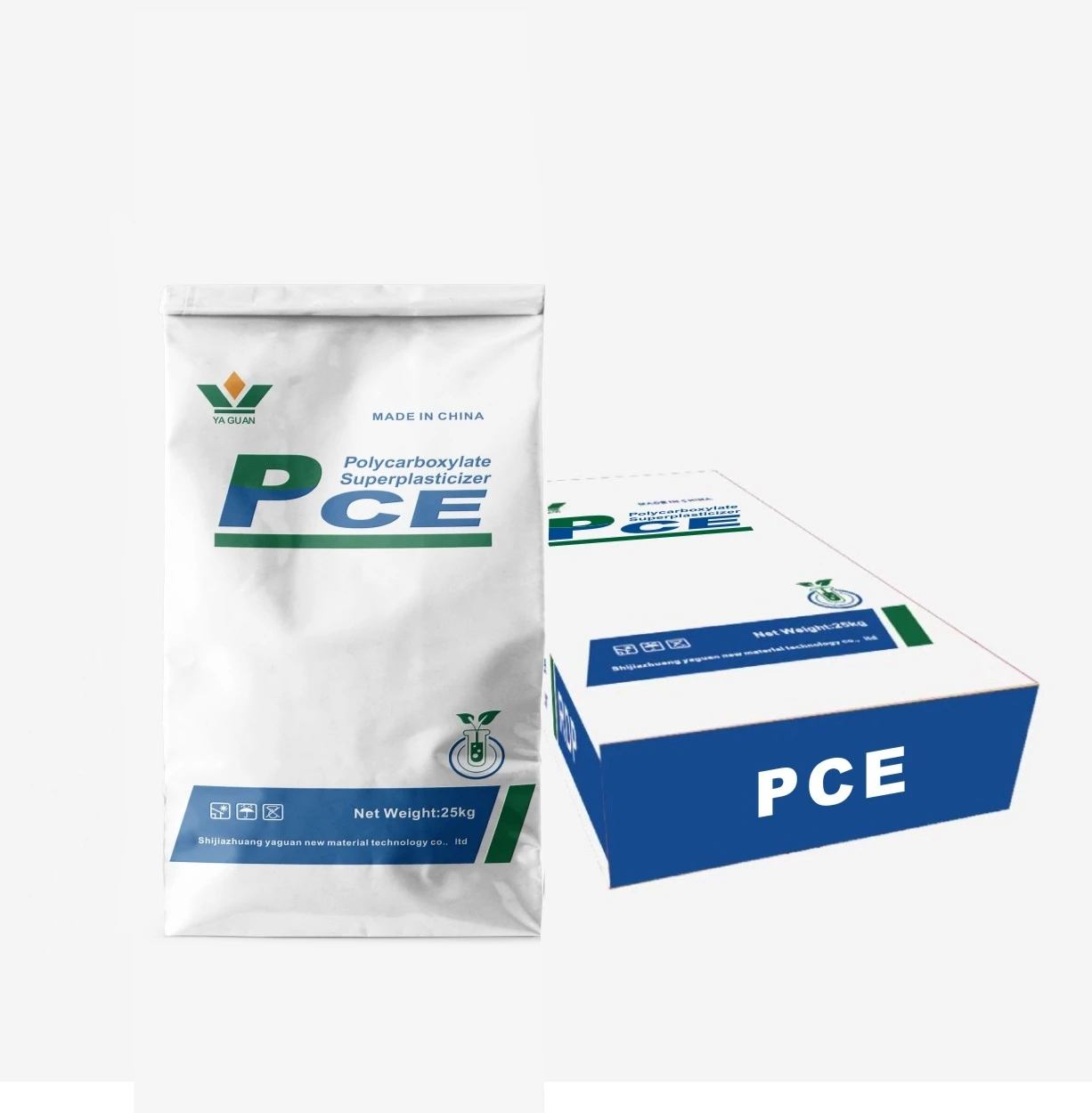
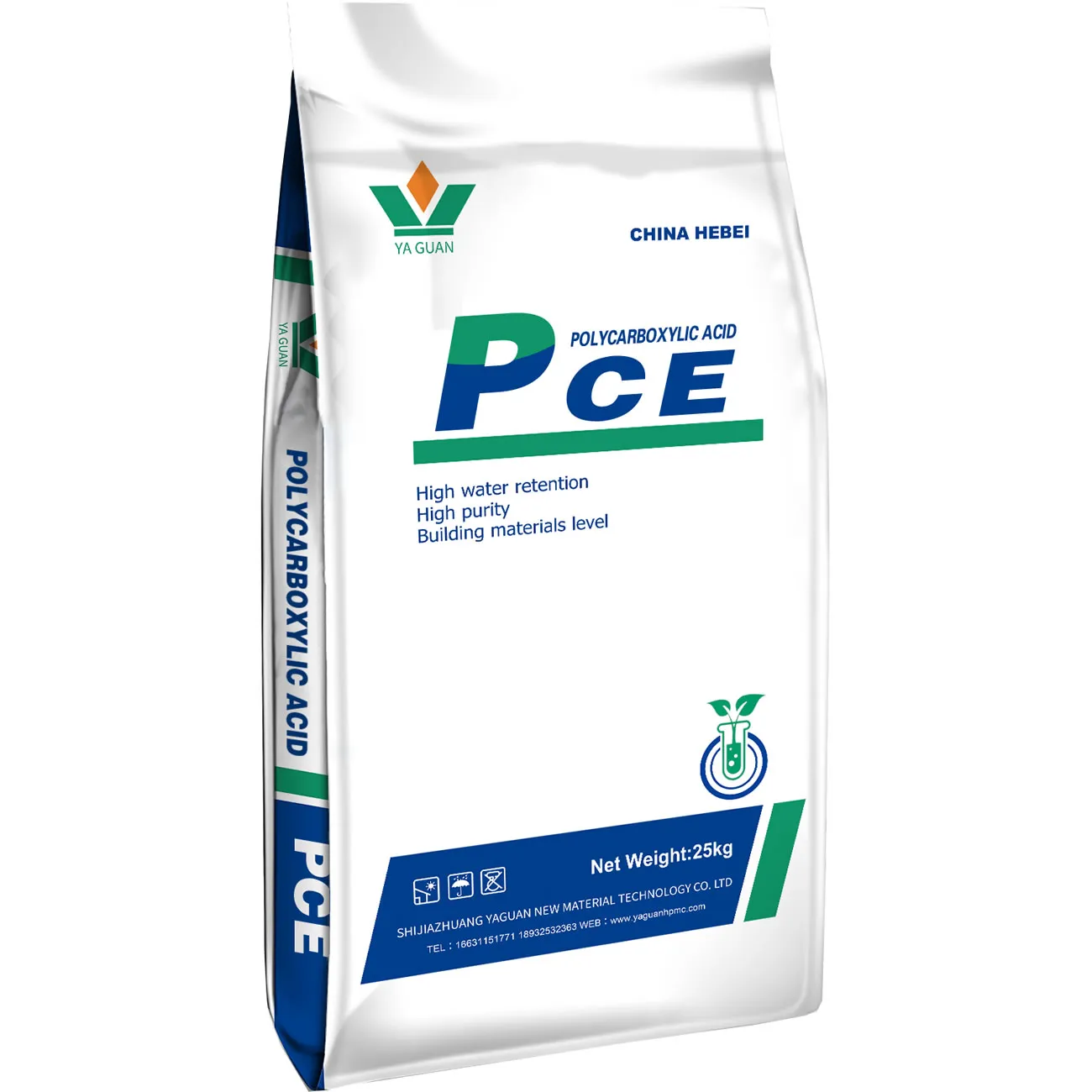
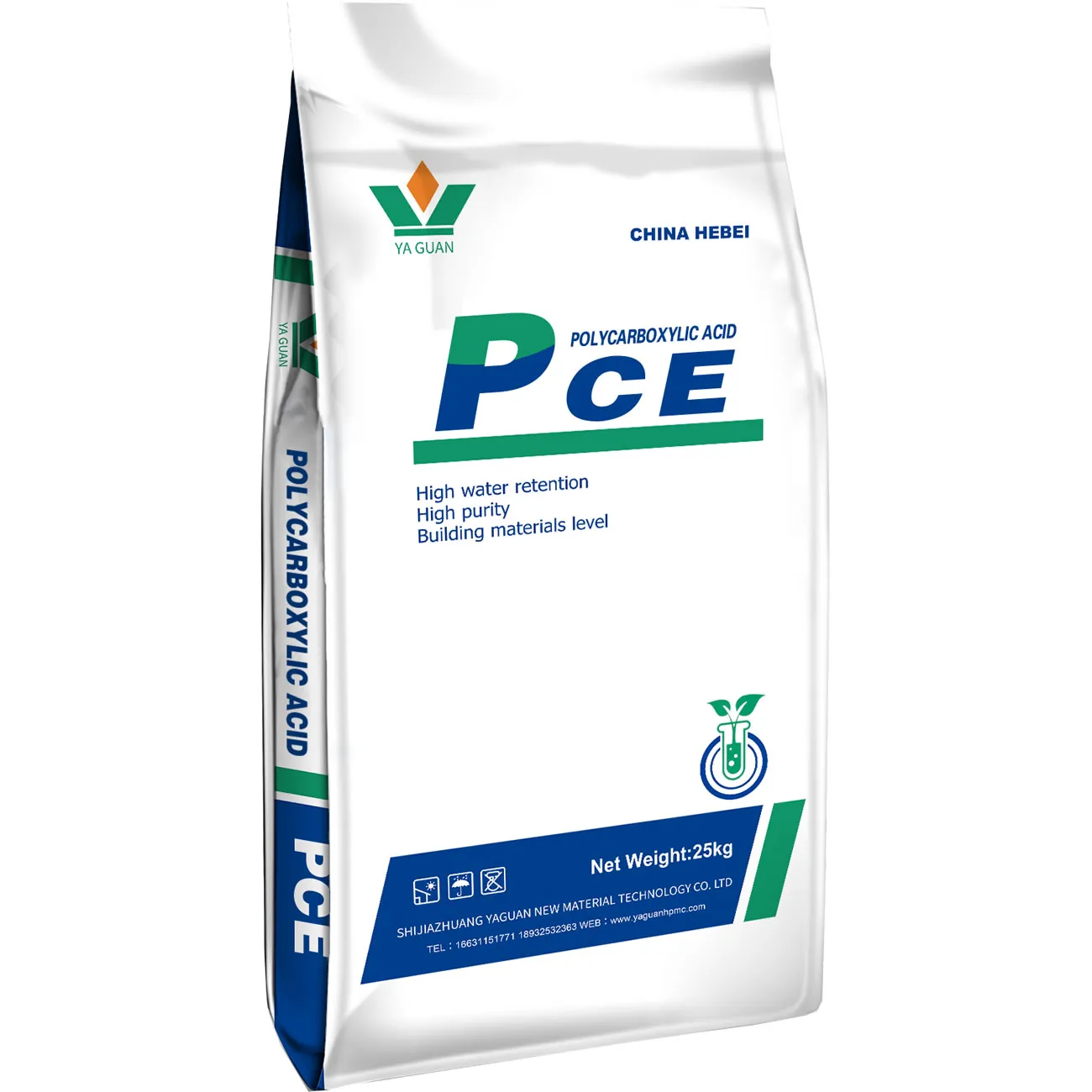
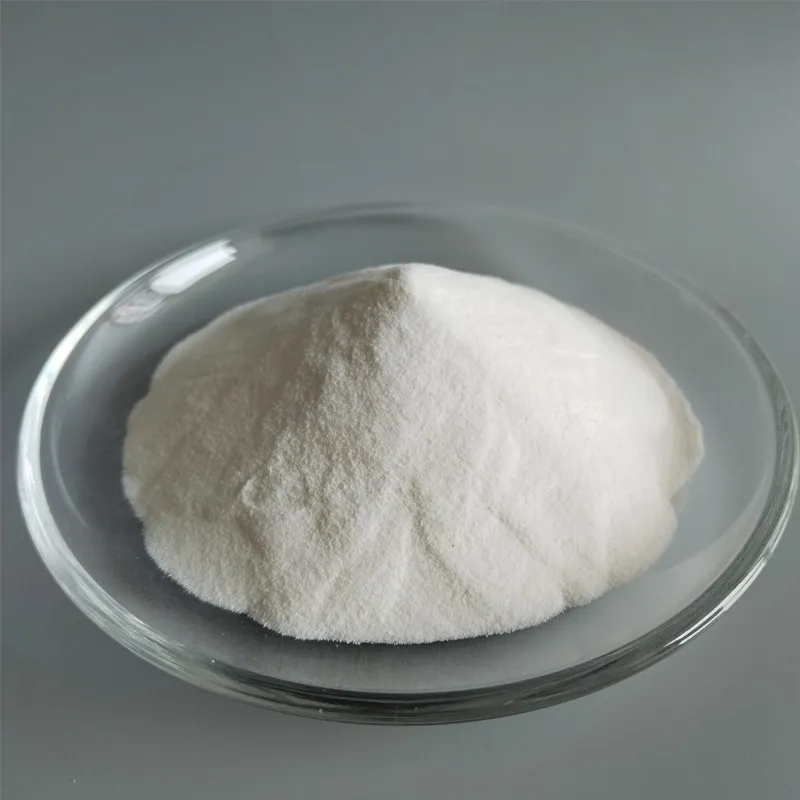
Concrete admixtures are having a moment. To be honest, price pressure and carbon targets are forcing everyone—from precast yards to ready-mix fleets—to squeeze more performance from less cement. That’s exactly where PC-733 Powder Polycarboxylate Water Reducing Agent fits. It’s a spray-dried, modified polyether polymer (polycarboxylate superplasticizer) that behaves like a liquid high-range water reducer, yet ships, stores, and doses like a powder. Many customers say it’s “the travel-friendly PCE” because powder logistics simplify life across borders.
What it is and why it matters
Produced via a special spray-drying route in Shijiazhuang (Origin: Room 1320, Block C, Dongsheng Plaza, Chang'an District, Hebei), PC-733 Powder Polycarboxylate Water Reducing Agent targets ultra-high water reduction with stable slump retention. In precast, that means faster demolding; in RMC, it means a cooler pump line and consistent finish. Actually, the surprise is its compatibility with mixed binders—many plants run it with fly ash, slag, or even LC3 blends with minimal tweaking.
Typical specifications (lab values; real-world use may vary)
| Property | Typical Value ≈ | Test/Standard |
|---|---|---|
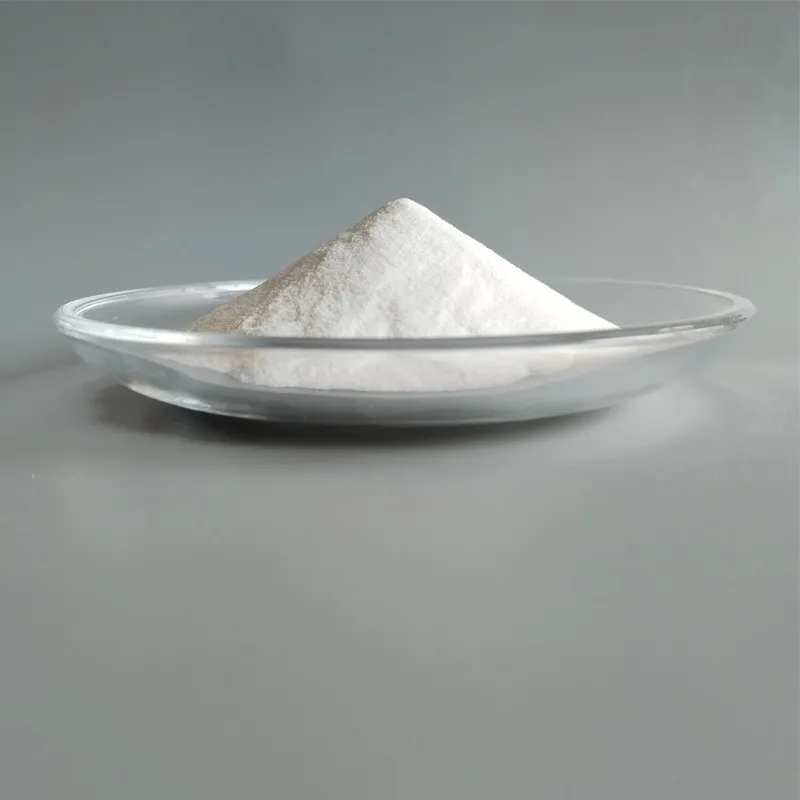
| Form | Free-flowing powder | Visual |
| Water reduction rate | 30–35% | ASTM C494 Type F/G; EN 934-2 |
| Recommended dosage | 0.10–0.30% of binder | Producer Method |
| Chloride ion content | ≤ 0.10% | EN 480-10 / GB/T 8076 |
| pH (20°C, 10% sol.) | 6.0–8.0 | EN 480-2 |
| Slump retention (60–120 min) | Good–Excellent | ASTM C143 (field) |
Process flow and QC
Materials: modified polyether macromonomer, carboxylate monomer, initiators, neutralizers, anti-caking aids. Method: controlled free-radical polymerization → filtration → concentration → spray drying (tight inlet/outlet temps to protect polymer architecture) → sieving → packaging. Testing: solid content, air content in mortar (EN 480-11), water reduction (ASTM C494), setting impact (EN 196-3), and compressive strength on standard mortars (ASTM C109). Service life: shelf ≈ 12 months in dry storage; concrete durability aligns with the host mix—admixture reduces w/c, typically improving freeze-thaw, chloride ingress, and carbonation resistance when mix design is sound.
Where it’s used
- Ready-mix SCC and pump mixes (urban high-rises, long haul times)
- Precast segments, sleepers, and architectural panels (fast strength gain)
- UHPC/binder-lean concretes aiming for CO2 cuts
- Shotcrete with low rebound, better adhesion
Advantages: high water cut, smoother rheology, consistent air, and travel-friendly powder. Actually, crews like the predictability—less mid-pour fiddling.
Field data snapshot
C30 mix (w/b from 0.52 → 0.36) with PC-733 Powder Polycarboxylate Water Reducing Agent at 0.20%: slump 220 mm at 10 min; 180 mm at 90 min (25°C). 7-day compressive +18%, 28-day +22% vs. control; air 2.0–2.5%. Compliance checked to ASTM C494 (Type F) and EN 934-2. One supervisor told me, “pump pressures dropped—our hose guys noticed immediately.”
Vendor snapshot (indicative, project-specific)
| Item | Yaguan PC-733 (Powder PCE) | Generic Powder PCE | Ligno/Melamine Blend |
|---|---|---|---|
| Water reduction | ≈30–35% | ≈25–30% | ≈10–20% |
| Slump retention (90 min) | Good–Excellent | Moderate–Good | Limited |
| Chloride content | Low (≤0.10%) | Low–Moderate | Low |
| Dosage window | 0.10–0.30% | 0.15–0.40% | 0.30–0.80% |
Customization and certifications
Formulation tweaking (side-chain length, molecular weight distribution) can target faster early strength or longer workability. Packaging: moisture-proof bags or big-bags. Typical compliance: ASTM C494, EN 934-2, GB/T 8076. Ask for COA, SDS, and batch curve; serious suppliers share full mortar/concrete data sets.
Case note: metro segment plant
Precast tunnel liners (w/b 0.34, steam-cured) switched to PC-733 Powder Polycarboxylate Water Reducing Agent at 0.22%. Demold time trimmed by ≈45 minutes; bugholes reduced visibly (operator’s words, not mine). Rejected panels dropped from 3.1% to 1.4% over two weeks. The plant ran recycled water—compatibility held after minor gypsum balance.
How to use (quick tips)
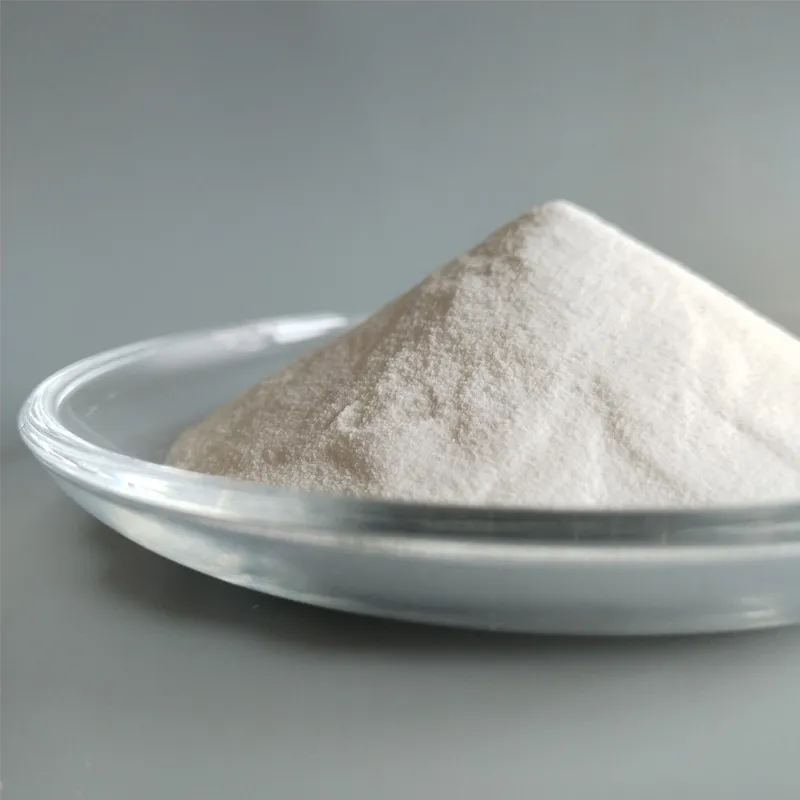
- Dry blend with cement or pre-dissolve in plant water (stir 3–5 min).
- Adjust dose to temperature and fines; retest slump after 15 min.
- For long hauls, consider split dosing (initial + top-up at site).
References
- ASTM C494/C494M – Standard Specification for Chemical Admixtures for Concrete.
- EN 934-2 – Admixtures for concrete, mortar and grout – Part 2: Concrete admixtures.
- GB/T 8076 – Concrete Admixtures (China National Standard).
- ACI 212.3R – Report on Chemical Admixtures for Concrete.