
Powder Superplasticizers Are Having a Moment: A Close Look at PC-733 Powder Polycarboxylate Water Reducing Agent
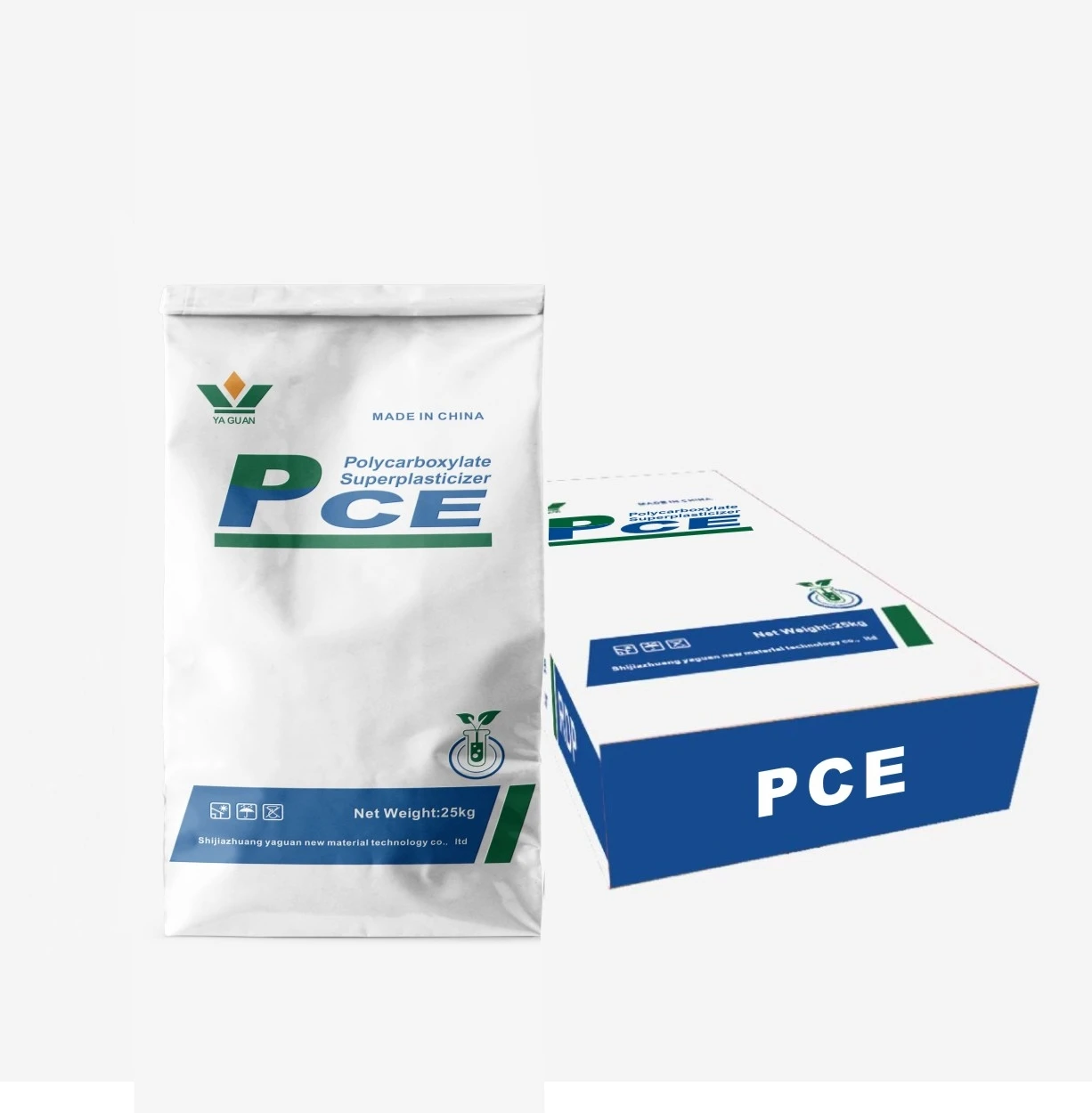
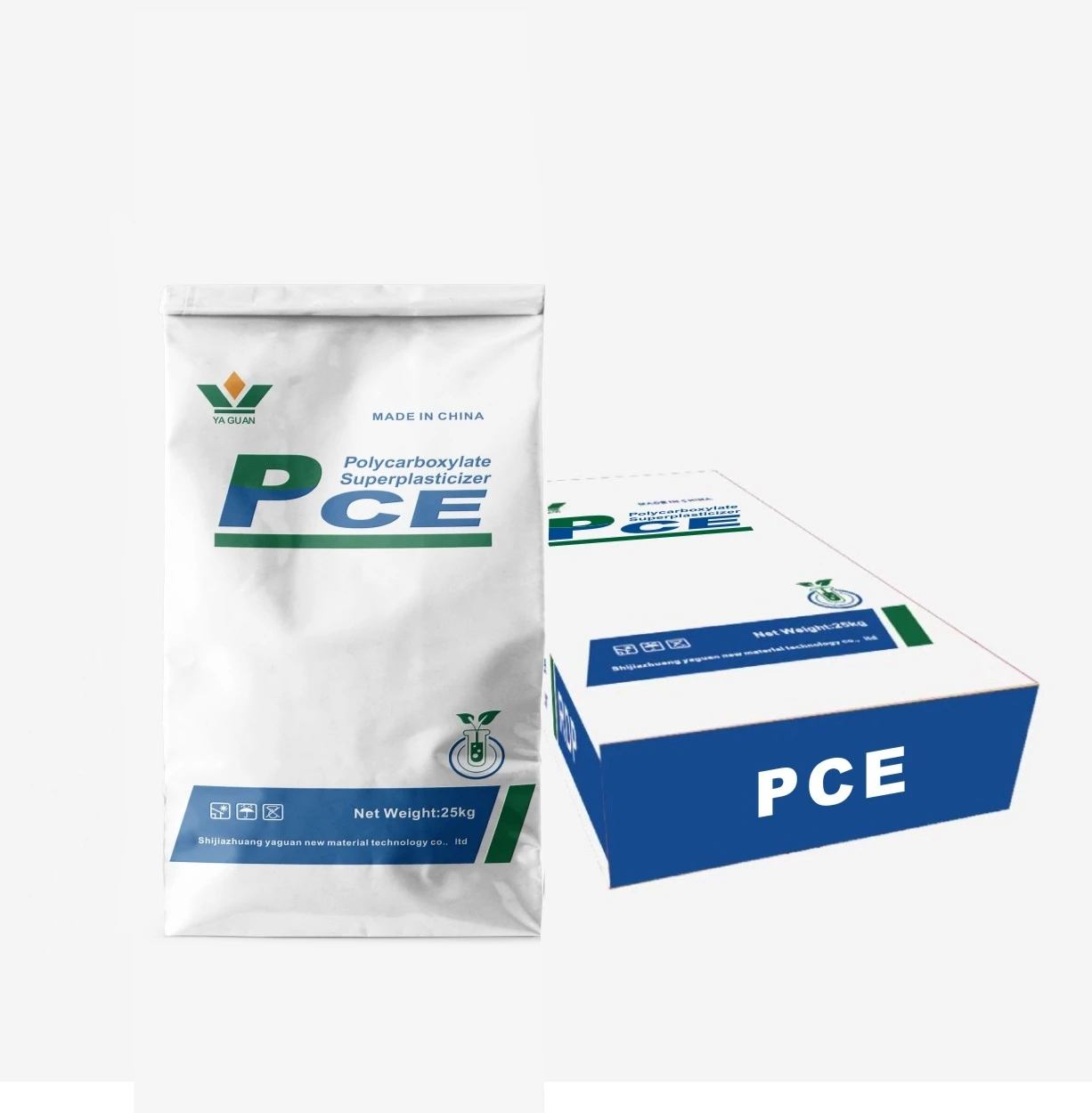
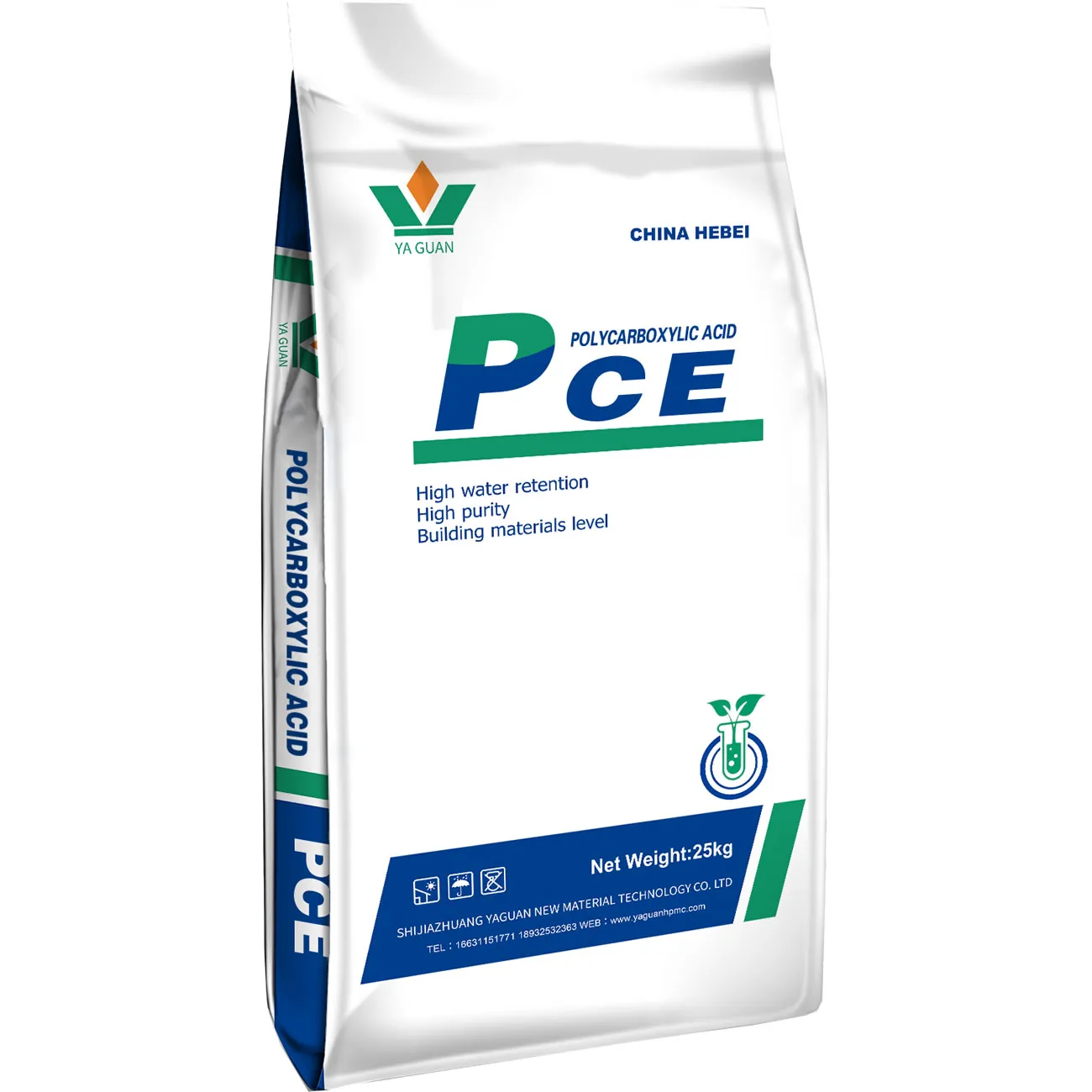
If you’ve been watching admixture trends, you’ve noticed the shift: more plants are asking for spray-dried polycarboxylates with consistent flow retention and clean compliance data. To be honest, it’s overdue. The market needs a powder that ships well, hydrates fast, and doesn’t turn concrete sticky. That’s the pitch for PC-733 Powder Polycarboxylate Water Reducing Agent—a powder PCE made by modified polyether polymerization and special spray drying. Origin: Room 1320, Block C, Dongsheng Plaza, Chang'an District, Shijiazhuang, Hebei Province.
Why powder now? Industry snapshot
Powder PCEs are rising with dry-mix exports, prefab growth, and stricter carbon accounting. Many customers say they prefer “one bag, one batch” dosing for jobsite reliability. Also, less water means lower cement factor over time—still the most effective CO₂ lever we’ve got.
Key specifications (lab values, real-world use may vary)
| Parameter | Typical Value |
|---|---|
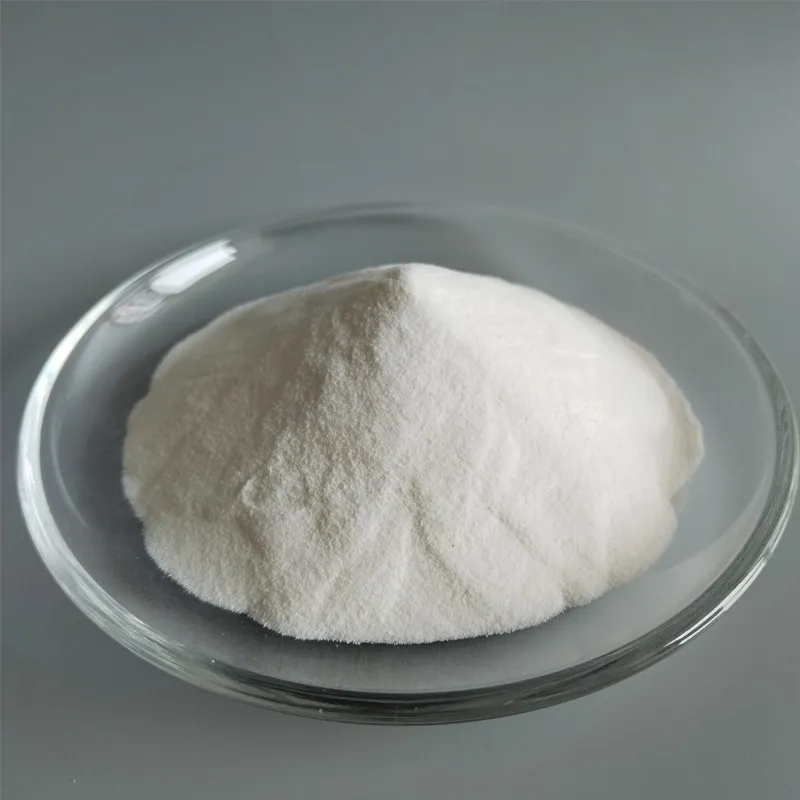
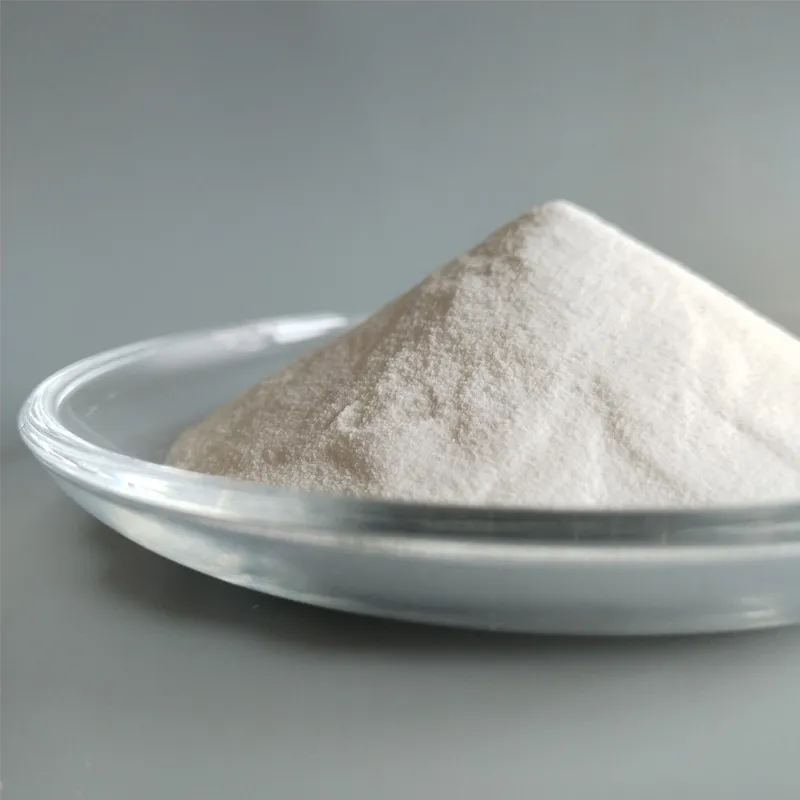
| Form / Color | Free-flowing powder, off‑white |
| Bulk density | ≈ 0.55 g/cm³ |
| Water-reduction rate | 25–35% (ASTM C494 Type F/G methods) |
| Slump/flow retention | 60–90 min at 20±2°C (mix dependent) |
| Chloride ion content | ≤ 0.1% |
| Na2Oeq (alkali) | ≤ 0.3% |
| Recommended dosage | 0.2–0.8% of binder, around 0.35% typical |
| pH (20% solution) | 6–8 |
| Shelf life | 12 months, dry and sealed |
How it’s made (short version)
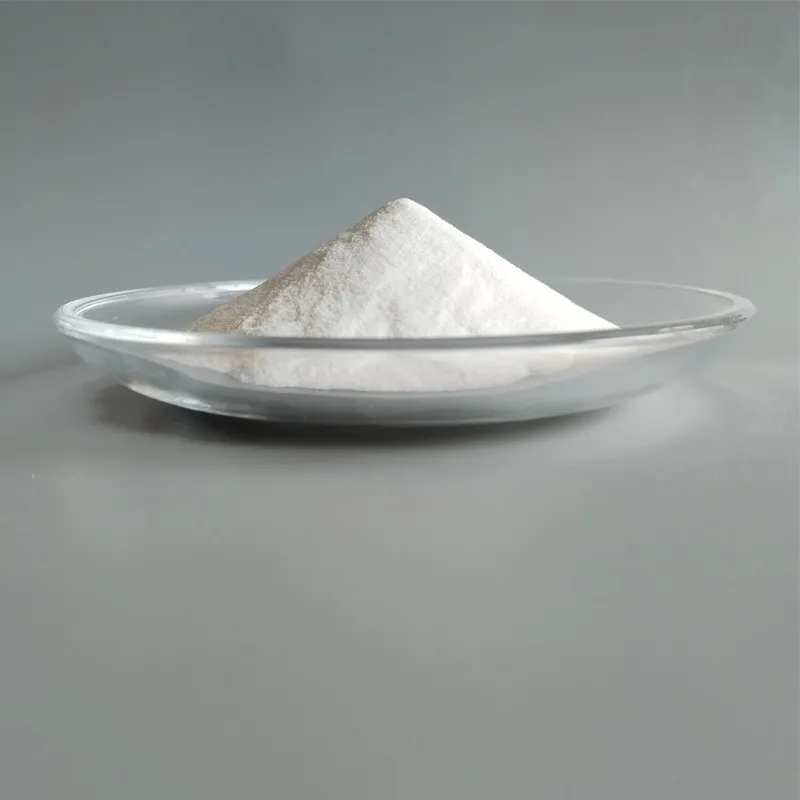
- Materials: modified polyether macromonomers, acrylic derivatives, initiators, protective colloids.
- Method: controlled free‑radical polymerization for comb‑like PCE; then low-temperature spray drying for re‑dispersibility.
- QC & testing: slump flow, water reduction, setting time per ASTM C494/EN 934‑2/GB/T 8076; ion content; moisture; sieve residue.
- Packaging: 25 kg bags or jumbo bags; keep away from humidity.
What you notice on site: faster wetting, strong initial dispersion, and—surprisingly—less stickiness in high fines mixes. It pairs well with fly ash, slag, silica fume, even LC3. Service-life wise, reducing w/c and permeability can support 50‑year design targets in urban exposures, provided curing is done right.
Applications and advantages
- RMC, precast, SCC, UHPC, dry‑mix grouts, 3D mortar.
- Lower w/c at equal slump; better early strength gain (often +10–20% at 24h).
- Clean chloride/alkali profile for steel protection and ASR risk management.
- Compliance: ASTM C494 Type F/G, EN 934‑2 Tables 11/12, GB/T 8076 [1–3].
Vendor comparison (my notes, field-driven)
| Vendor | Performance | Compliance | MOQ / Lead Time | Customization |
|---|---|---|---|---|
| Manufacturer A (PC‑733) | High water‑cut, stable retention | ASTM/EN/GB test reports | ≈ 1 ton / 10–15 days | Solid; can tune slump‑keep |
| Trader B | Variable batch quality | Partial | Low MOQ / unpredictable | Limited |
| Local Mixer C | OK for non‑critical jobs | Local only | Fast | Minimal |
Customization, certifications, and feedback
Custom grades for hot weather (extra slump‑keep) and UHPC are available, I’m told. ISO 9001 and, on request, EN/CE declarations and REACH data sheets. Field notes from a precast client: “dosage 0.35%, water cut ~28%, 24h strength up by 18%, demolding moved earlier.” Another ready‑mix operator said the powder handles humidity well if you keep bags off the floor—basic but important.
Quick case study
Southeast Asian precast yard, M40 concrete with 25% fly ash. Switching to PC-733 Powder Polycarboxylate Water Reducing Agent at 0.32% cut mixing water by 27% and shaved steam energy by roughly 12% in the first month. Slump loss at 60 min dropped from 60 mm to 25 mm (ambient 29–31°C). Not perfect science, but the trend was clear.
How to use (simple guide)
- Pre-dissolve in clean water (5–20%) or add as powder to mixer after initial wetting.
- Start at 0.3–0.4% of binder; adjust by trial per your fines and SCMs.
- Verify with ASTM C494/EN 934 slump, setting, strength; check air and bleeding.
References
- ASTM C494/C494M – Standard Specification for Chemical Admixtures for Concrete.
- EN 934‑2 – Admixtures for concrete, mortar and grout.
- GB/T 8076 – Concrete admixtures (China National Standard).