
PC-733 in the field: what pros really say about water reducers
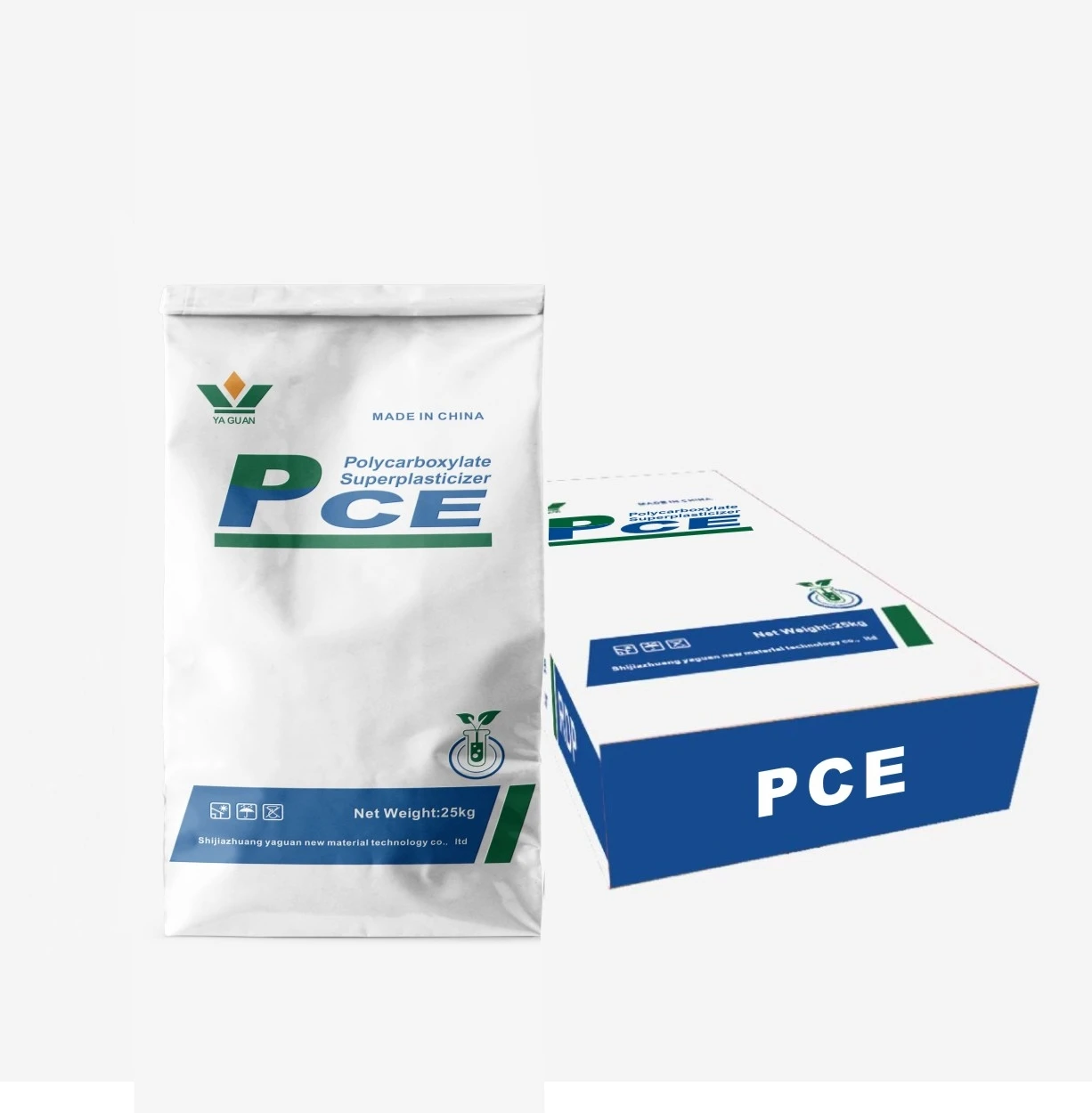
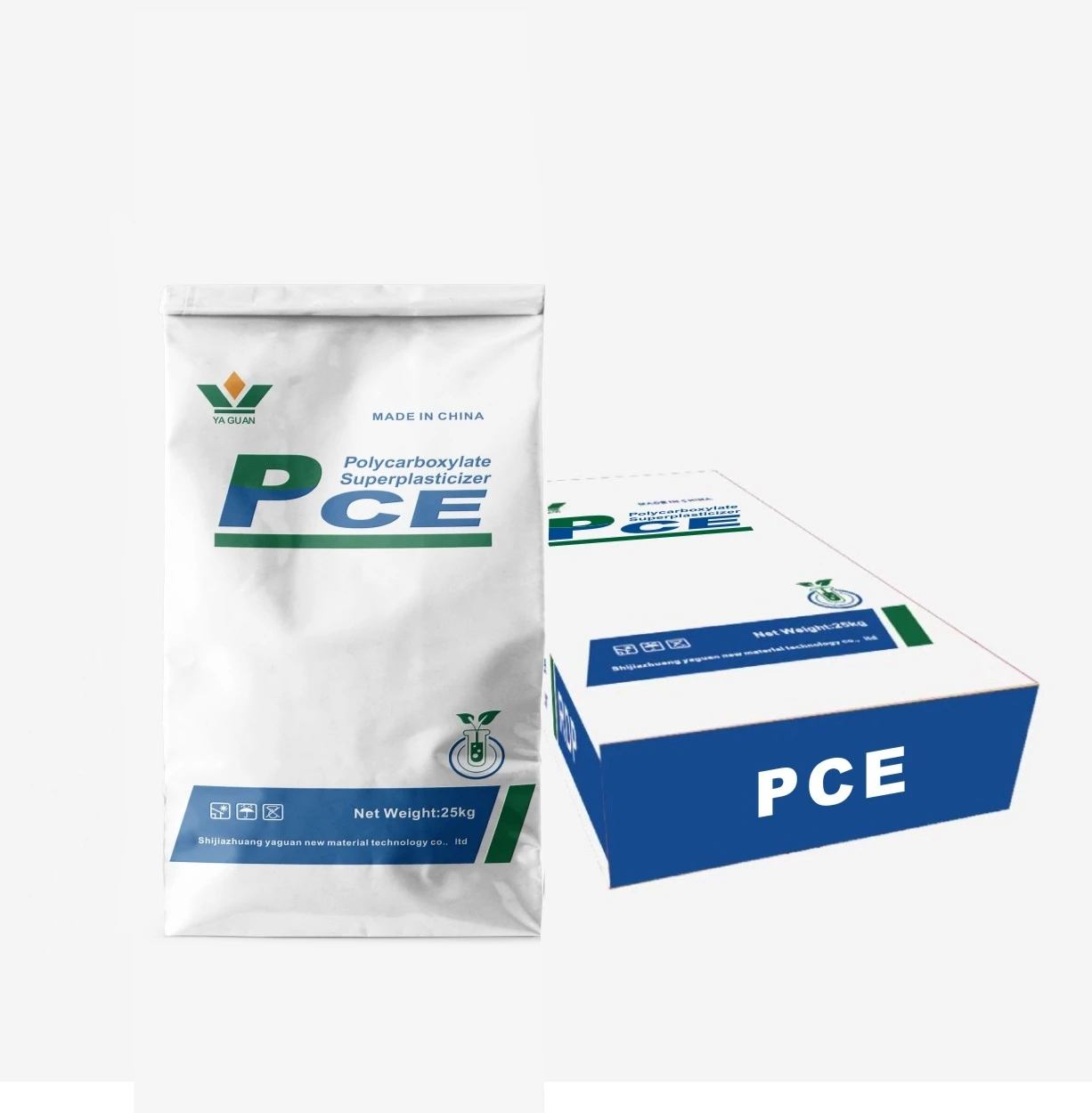
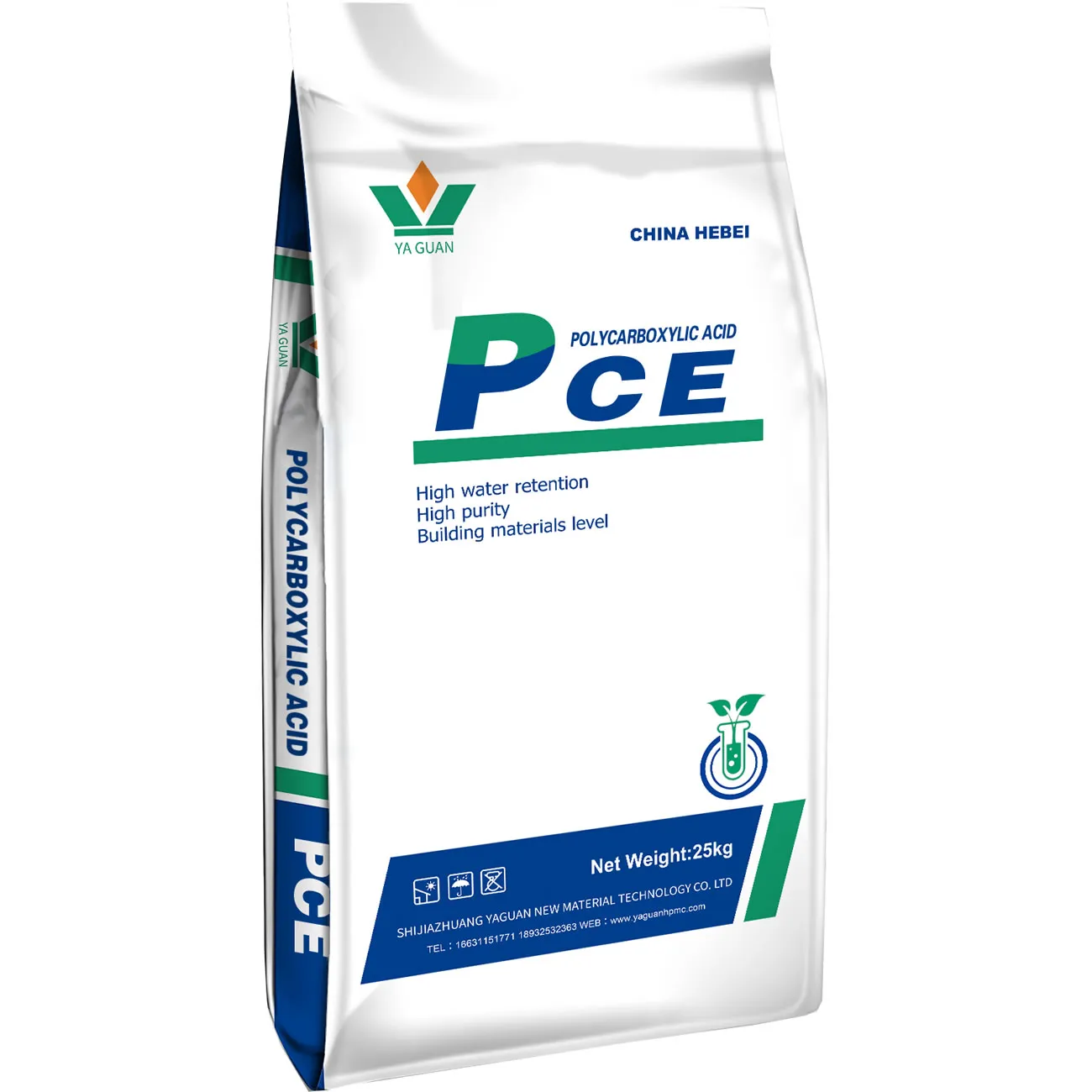
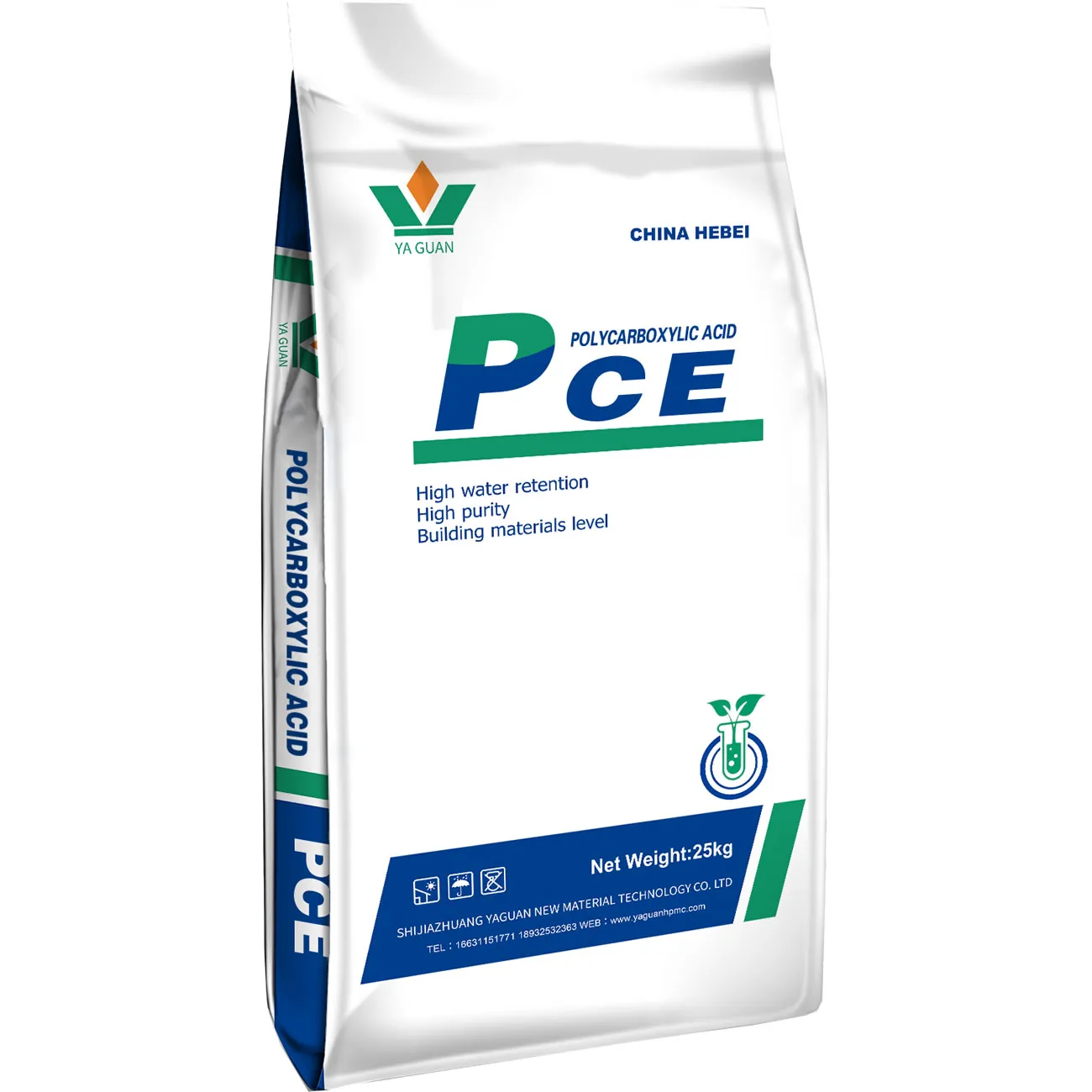
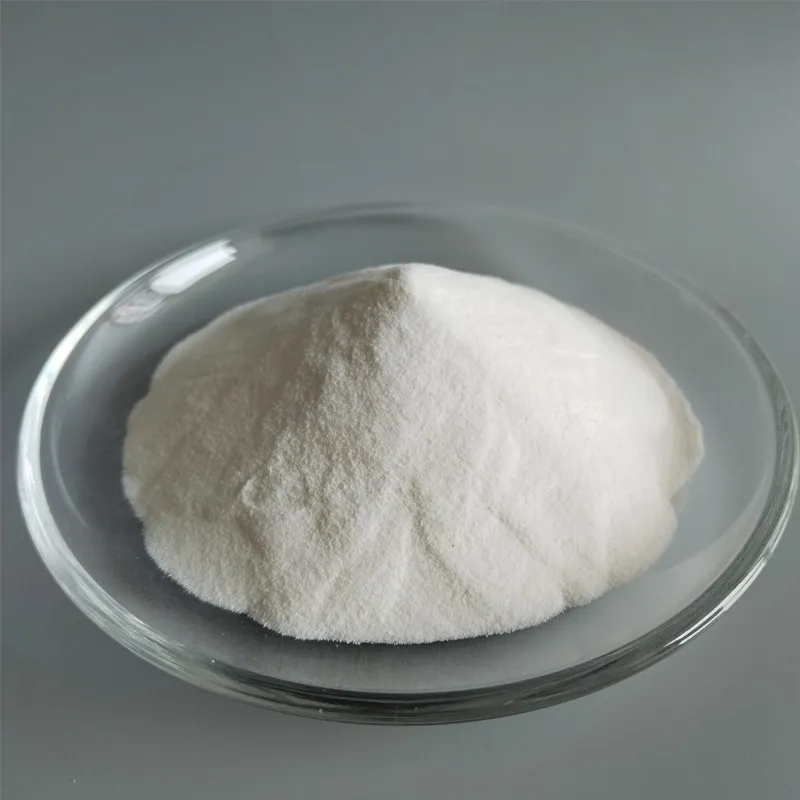
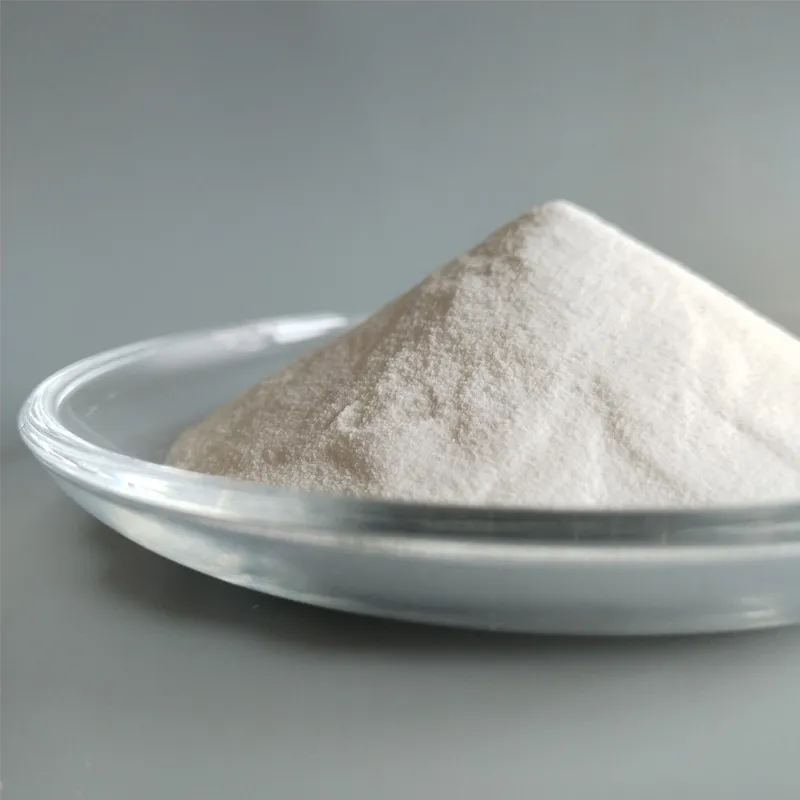
If you follow dry-mix and precast trends, you’ve probably bumped into PC-733 Powder Polycarboxylate Water Reducing Agent at some point. It’s a powder PCE born from modified polyether polymerization and spray-drying—frankly, a practical combo for people who care about stable dosing and low logistics burden. Origin-wise, it’s produced in Room 1320, Block C, Dongsheng Plaza, Chang'an District, Shijiazhuang, Hebei Province. Not a household name, sure, but in concrete plants, it gets nods.
Why powder PCE is gaining traction
The market is shifting toward low-alkali, low-chloride, high-efficiency admixtures that cut water and CO₂ at the same time. In fact, powder PCEs fit dry-mix mortar, UHPC packets, and remote projects where liquids are a pain to ship. Many customers say the handling is cleaner and, surprisingly, dosage repeatability is better when humidity control is in place.
Indicative specifications
| Parameter | Typical Value (≈) | Notes |
|---|---|---|
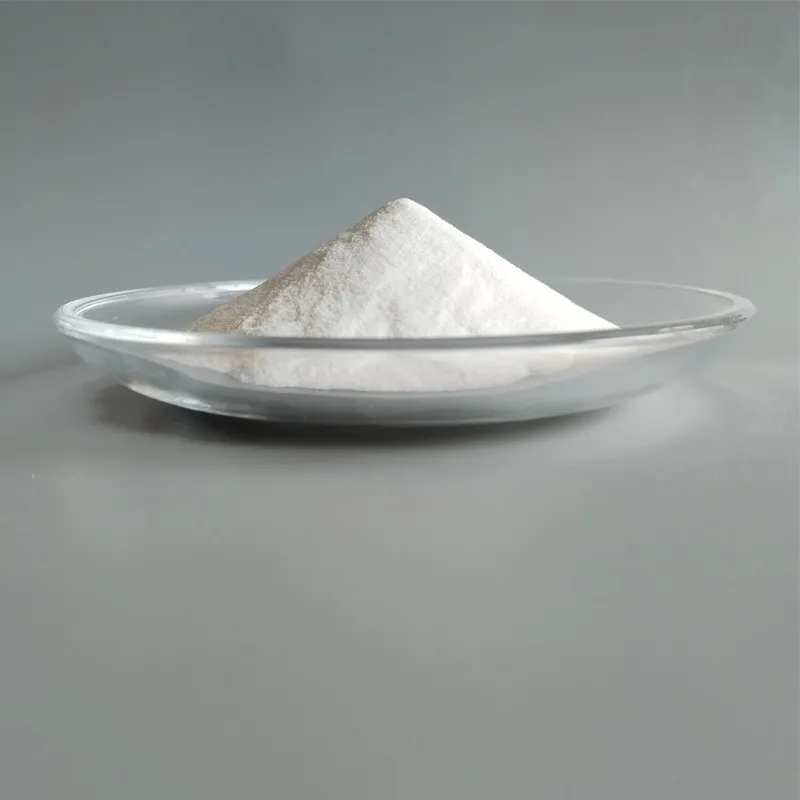
| Appearance | White to off-white powder | Free-flowing |
| Solid content | ≥ 95% | Spray-dried |
| Moisture | ≤ 3% | Real-world use may vary |
| pH (20% sol.) | 6–8 | Neutral to mildly alkaline |
| Chloride ion | ≤ 0.02% | Low-corrosion risk |
| Water reduction rate | 30–35% | ASTM C494 Type F/G style |
| Recommended dosage | 0.15–0.25% of binder | Lab optimize for best results |
How it’s made and validated
Materials: modified polyether macromonomers, acrylic monomers, initiators; then polymerization, neutralization, spray drying, and anti-caking screening. Methods follow modern PCE synthesis, with QC on solids, sieve fineness, and flow retention.
Testing standards include ASTM C494 (Type F/G), EN 934-2, and GB/T 8076. Slump by ASTM C143; compressive per ASTM C39. Typical lab data at 0.20% dosage: initial slump 210 mm, 60-min slump 190 mm, 24h strength +20% vs. control, w/c down from 0.42 to ≈0.34. Shelf life: 12 months sealed in dry conditions.
Where it shines
- Precast and SCC mixes needing consistent slump retention
- Dry-mix mortar, grouts, and repair compounds
- UHPC and low w/c ratio concrete (careful with fines and sand gradation)
- Shotcrete and 3D-printable mortars—yes, it’s being trialed
Advantages: high water cut, neat packaging, transport-friendly powder, and usually lower alkali than legacy naphthalene products. However, check cement compatibility—limestone-rich cements sometimes want a bit of retarder or a tweak in dosage.
Vendor snapshot (quick comparison)
| Vendor | Form | Solid Content | Slump Retention | Packaging |
|---|---|---|---|---|
| PC-733 (Yaguan) | Powder | ≈95% | 60–120 min (mix-dependent) | 25 kg bags / big-bag |
| Competitor A (Liquid PCE) | Liquid | 20–40% | Good | IBC / drums |
| Competitor B (SNF) | Powder | ≈92% | Moderate | Bags |
Customization options
Tailor the graft ratio, molecular weight, and side-chain length for faster wetting or longer slump life; choose particle size and anti-caking level for humid sites. Add air-control synergy if you’re chasing freeze–thaw durability.
Mini case notes
- Precast yard (Hebei): PC-733 Powder Polycarboxylate Water Reducing Agent at 0.18% cut w/c from 0.43→0.34; 28-day strength +12%; demold 1.5h earlier; slump after 90 min still pumpable.
- Self-leveling mortar (SE Asia): dosage 0.20% delivered 22% water reduction, flow ring 170→220 mm, surface bleeding minimized, bags stayed free-flowing in 35°C with desiccant liners.
How to use (quick)
- Dosage: 0.15–0.25% of total binder; lab-tune per cement and fines.
- Method: pre-dissolve in mixing water or dry-blend with powders; avoid overmixing foamy sand.
- Compatibility: cement, fly ash, slag; test with silica fume ratios >8%.
- Storage: cool and dry; keep bags sealed. Service life in pack: ~12 months.
- Certs: supplier reports ISO 9001/14001; compliance checked to ASTM C494, EN 934-2, GB/T 8076.
Final thought—honestly, PC-733 Powder Polycarboxylate Water Reducing Agent hits that sweet spot for dry-mix and precast teams who want powder convenience without sacrificing modern PCE performance. As always, run a plant trial; a 50–100 kg pilot tells the truth.
References
- ASTM C494/C494M – Standard Specification for Chemical Admixtures for Concrete.
- EN 934-2 – Admixtures for concrete, mortar and grout – Concrete admixtures.
- GB/T 8076 – Concrete Admixtures (China National Standard).
- ASTM C143/C143M – Standard Test Method for Slump of Hydraulic-Cement Concrete.