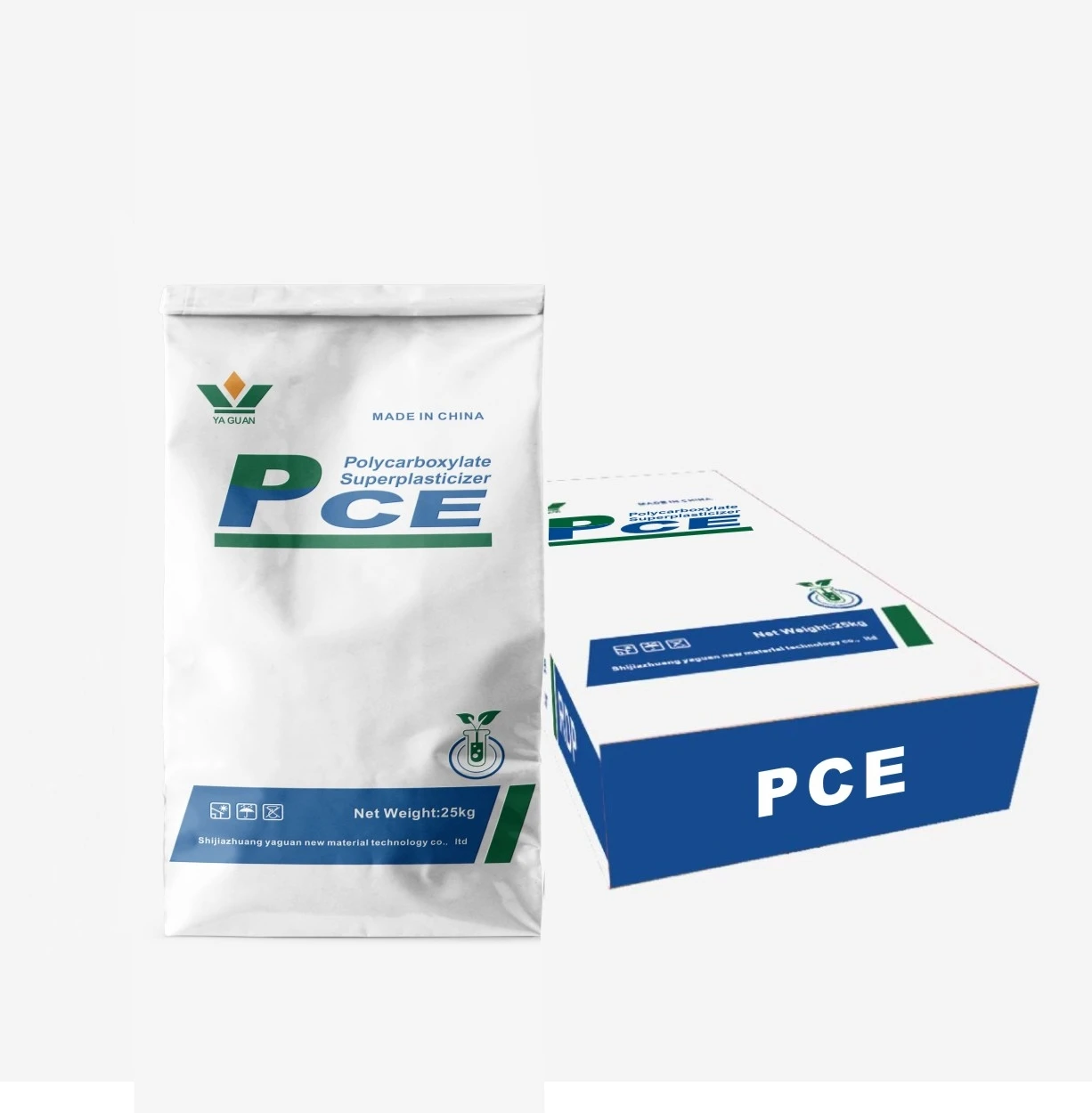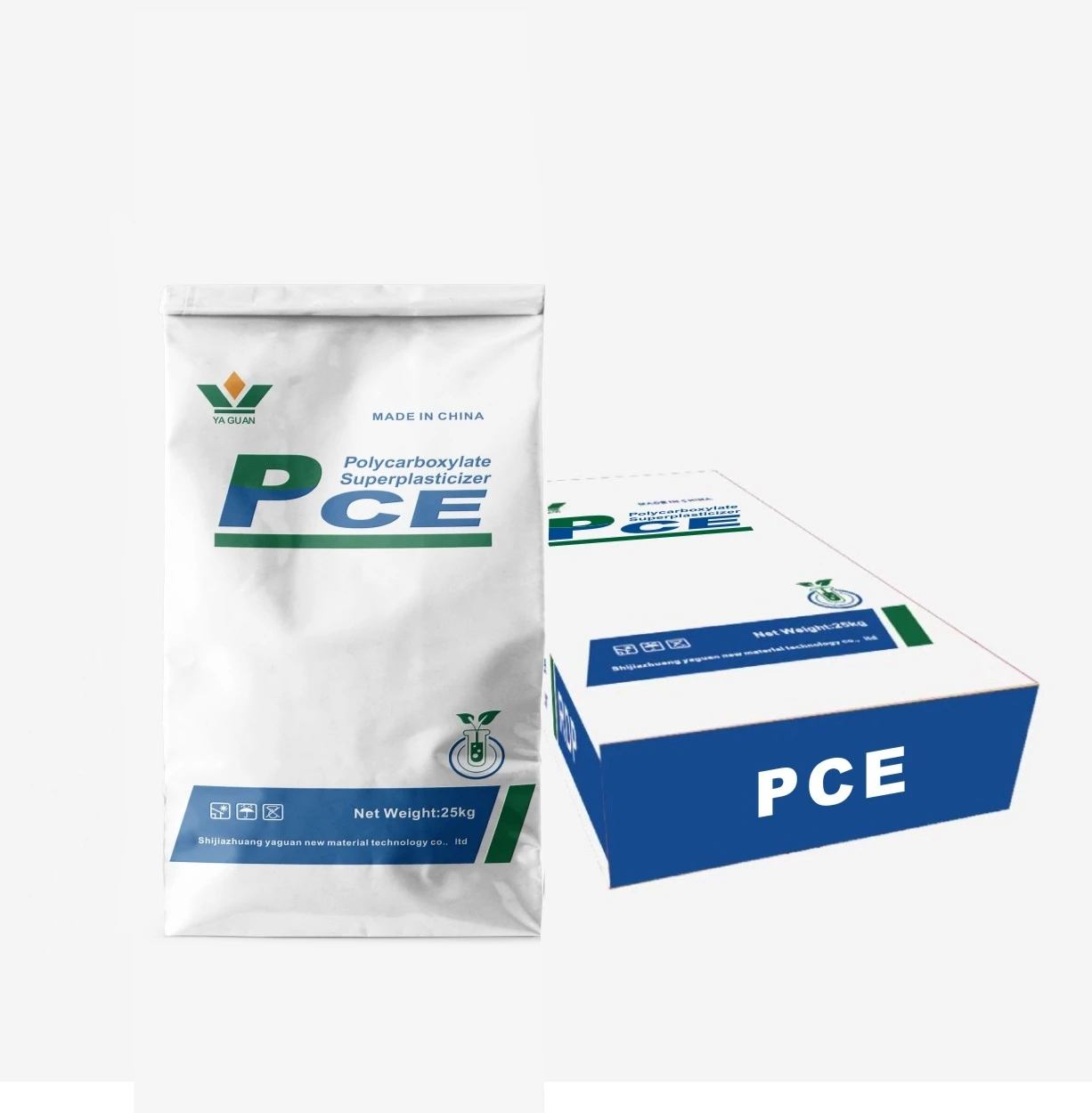

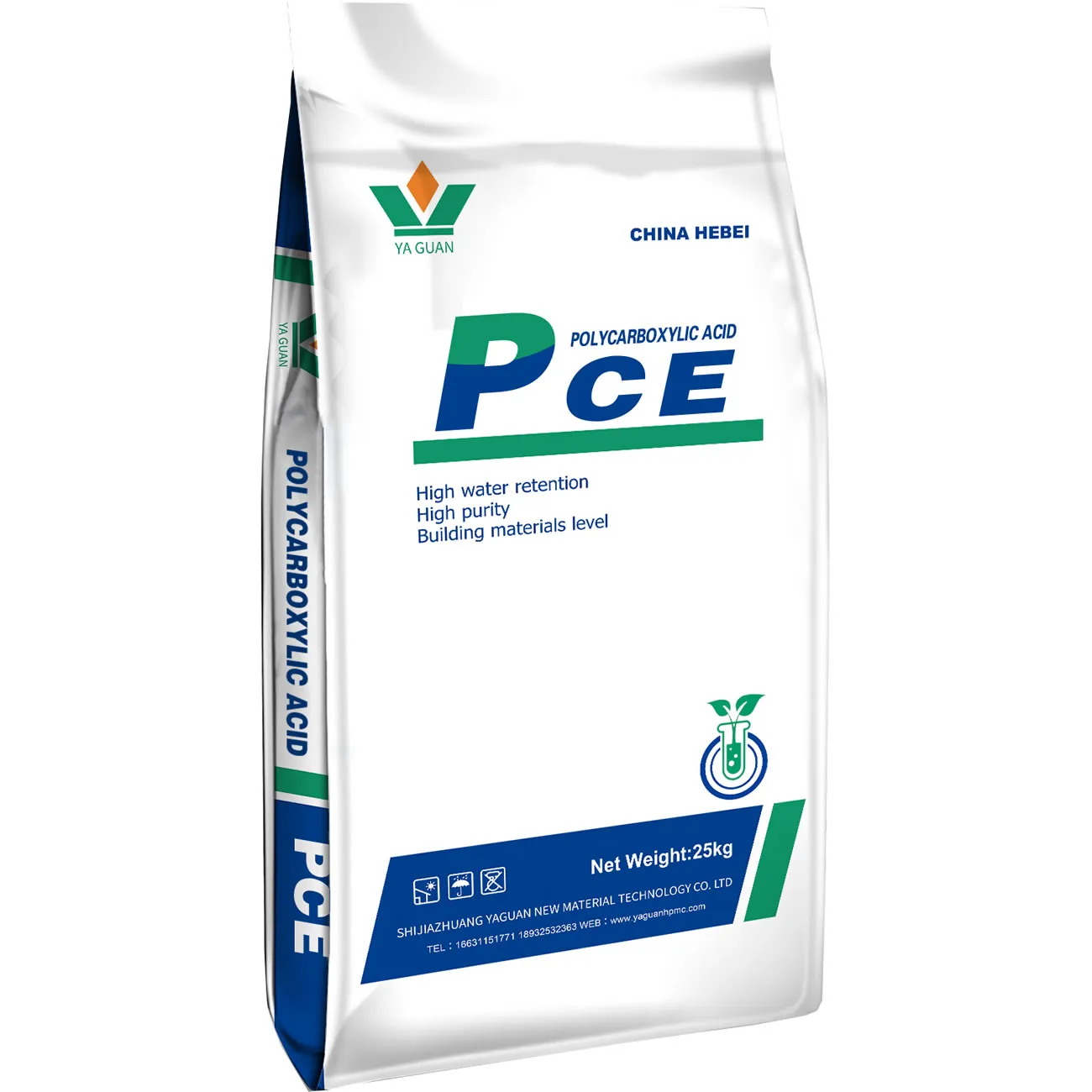
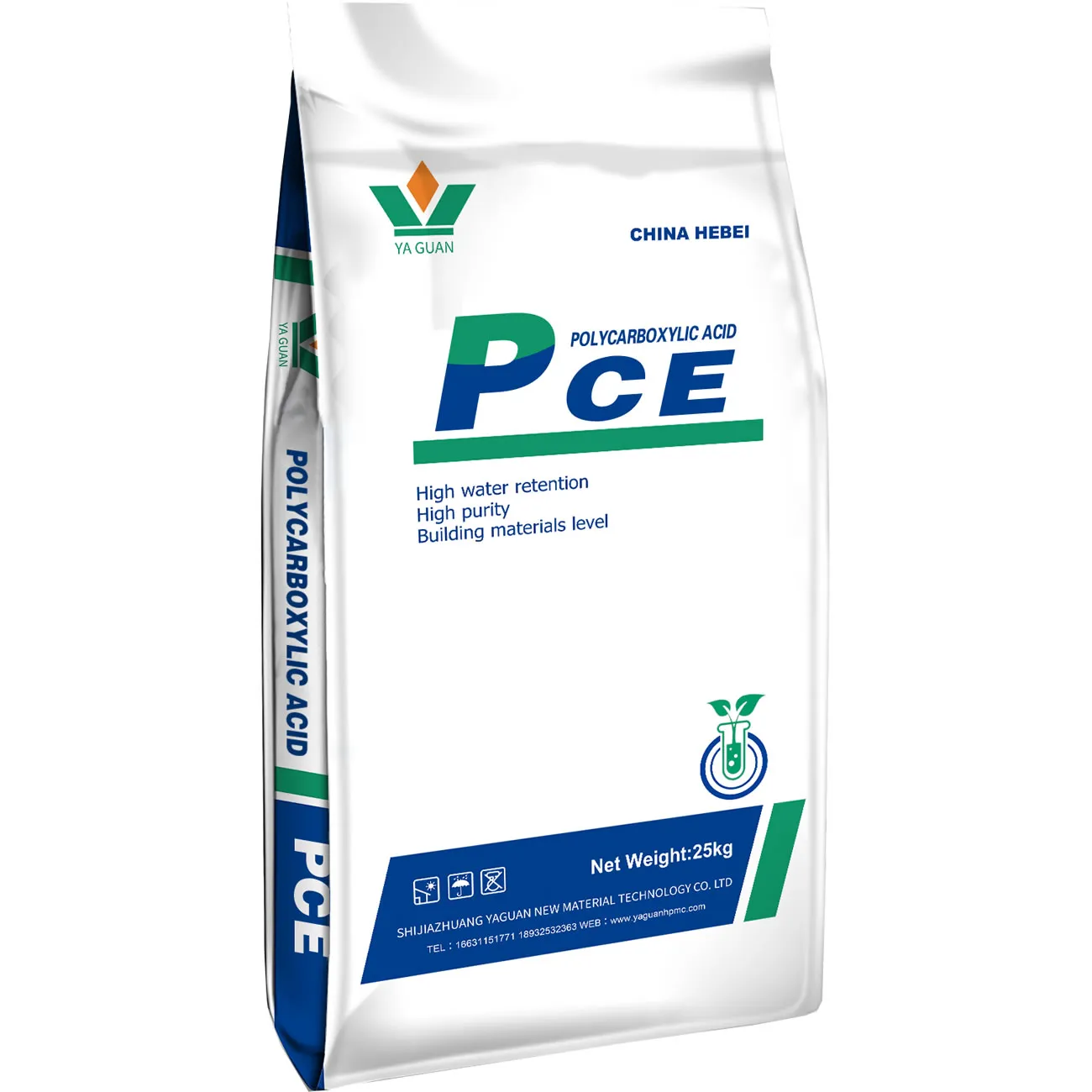
PC-826 Slump Retention Polycarboxylate Superplasticizer
If you pour concrete in hot weather, pump over long distances, or ship ready-mix through traffic (we’ve all been there), you quickly learn one lesson: slump waits for no one. That’s why PC-826 Slump Retention Polycarboxylate Superplasticizer has been turning heads. It’s a spray-dried, modified polyether-based PCE—born in Room 1320, Block C, Dongsheng Plaza, Chang’an District, Shijiazhuang, Hebei Province—engineered for plasticity that sticks around without over-retarding. To be honest, this is the balance many admixtures miss.
Industry pulse
- Shift to powder PCEs for easier logistics and stable dosing in remote projects.
- Higher-performance slump retention targets for hot climates and long-haul RMC.
- Standards-driven QC: ASTM C494, EN 934-2, and GB/T 8076 are now table stakes.
Technical snapshot
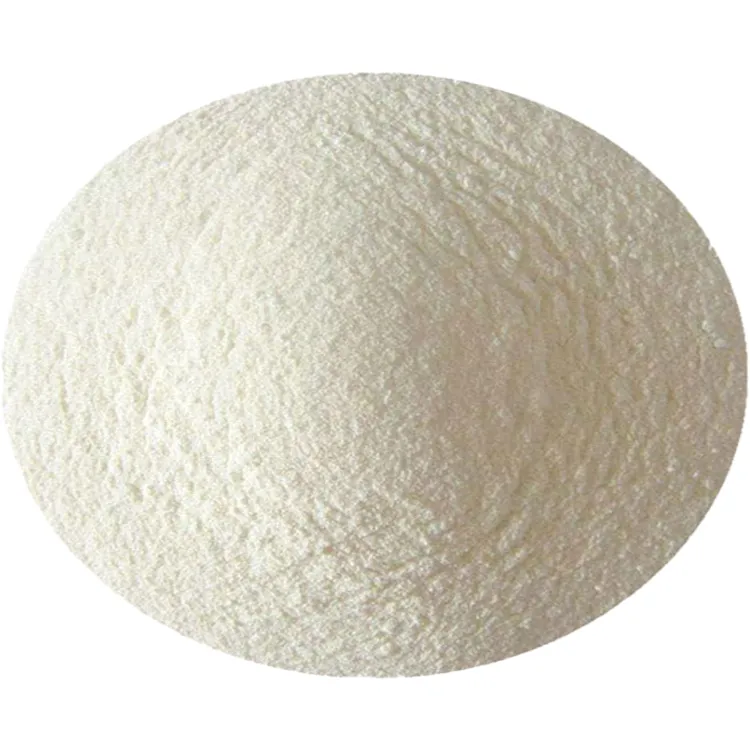
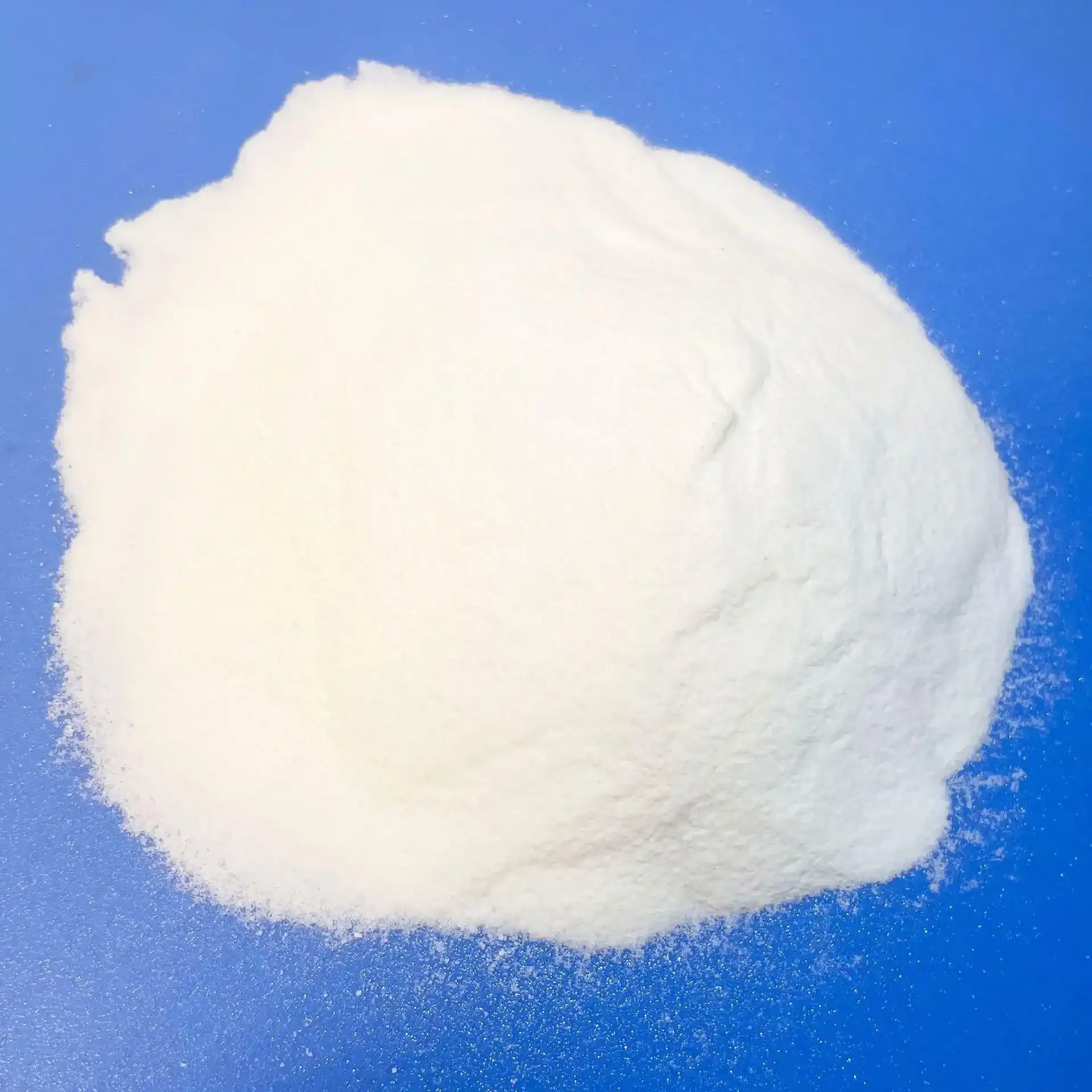
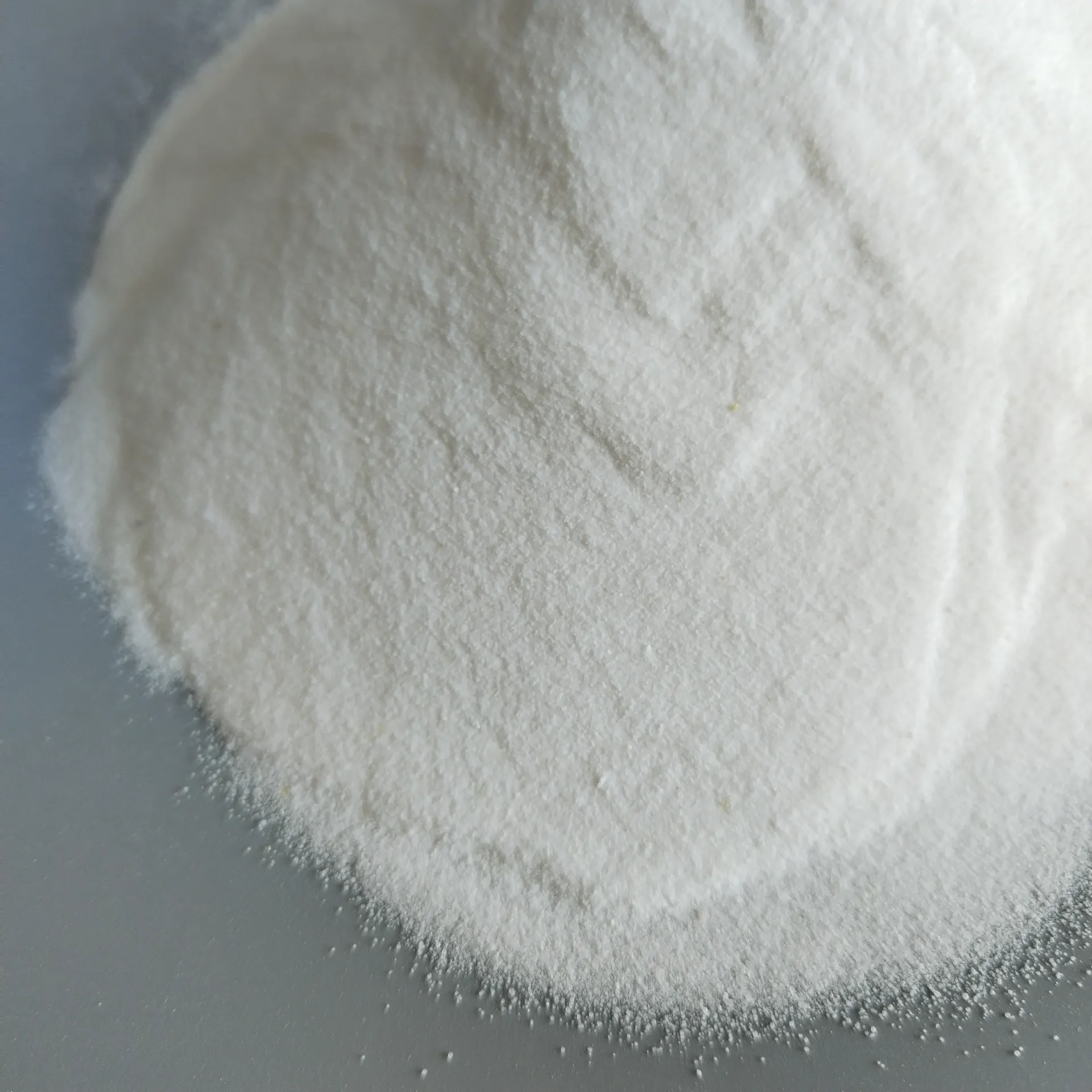
| Form | Free-flowing powder, spray-dried |
| Solid content | ≈ 95% (real-world may vary ±2%) |
| Recommended dosage | 0.08–0.25% of binder by weight (optimize by trial) |
| Water reduction | 20–30% under ASTM C494 protocols |
| Slump retention | 90–180 min at 20–30°C, mix dependent |
| Chloride ions | ≤ 0.02% (by mass) |
| Bulk density | ≈ 0.45–0.60 g/cm³ |
How it’s made (and why it matters)
Modified polyether macromonomers are polymerized with carboxylate backbones to form the classic comb-structure PCE. Then a special spray-drying step locks in re-dispersibility, so the powder dissolves fast without fisheyes. In practice, I’ve seen quicker wet-out than many liquid PCEs—surprising, but repeatable.
PC-826 Slump Retention Polycarboxylate Superplasticizer is typically dosed to the mixing water; verify compatibility with cement, SCMs, and other admixtures. Test to ASTM C494 (Types F/G), slump per ASTM C143, air per ASTM C231, setting by ASTM C191, or EN 934-2/GB/T 8076 equivalents.
Shelf life: around 12 months sealed, 5–35°C, dry conditions. Performance in concrete promotes lower w/c, which generally supports durability—still, jobsite trials are your best friend.
Where it shines
- Ready-mix with 1–3 hour delivery windows
- Pumped concrete, SCC, and high-strength mixes
- Hot weather pours and mass concrete with controlled set
- Precast lines needing stable workability without retempering
Vendor comparison (at a glance)
| Option | Form | Slump retention | Logistics | Certs |
|---|---|---|---|---|
| PC-826 Slump Retention Polycarboxylate Superplasticizer | Powder (≈95% solids) | Long (90–180 min) | Easy storage, lower freight | ISO 9001; COA/SDS available |
| Generic Powder PCE | Powder | Variable | Similar | Varies |
| Standard Liquid PCE | Liquid (20–40% solids) | Moderate | Higher freight, bulk tanks | Common |
Customization, trials, and feedback
Molecular architecture can be tuned (side-chain length, carboxyl density) to match local cement alkalinity and SCM blends. Many customers say they got better pumpability with a tad lower dosage—though I’d still run a full matrix: three dosages × two temperatures × your actual materials.
Case notes (internal lab and field logs): in a 30°C coastal RMC, w/c dropped from 0.48 to 0.40 with 150 mm slump held for ≈150 minutes; in a precast yard, the same mix kept spread for SCC without bumping air content. Results always depend on cement fineness and SCM type, of course.
Process checklist
- Materials: cement + SCMs (fly ash, slag, silica fume), aggregates at SSD, clean water, PC-826 Slump Retention Polycarboxylate Superplasticizer.
- Method: dissolve powder in batch water, then add to mixer; adjust final water to target slump/spread.
- Testing: ASTM C143/C1611, C231, C494; EN 934-2; GB/T 8076.
- Industries: RMC, precast, infrastructure, industrial floors, mass concrete.
Citations
- ASTM C494/C494M – Chemical Admixtures for Concrete.
- ASTM C143/C143M – Slump of Hydraulic-Cement Concrete; ASTM C1611 – Slump Flow of SCC.
- EN 934-2 – Admixtures for concrete, mortar and grout: Concrete admixtures.
- GB/T 8076 – Concrete Admixtures (China National Standard).