

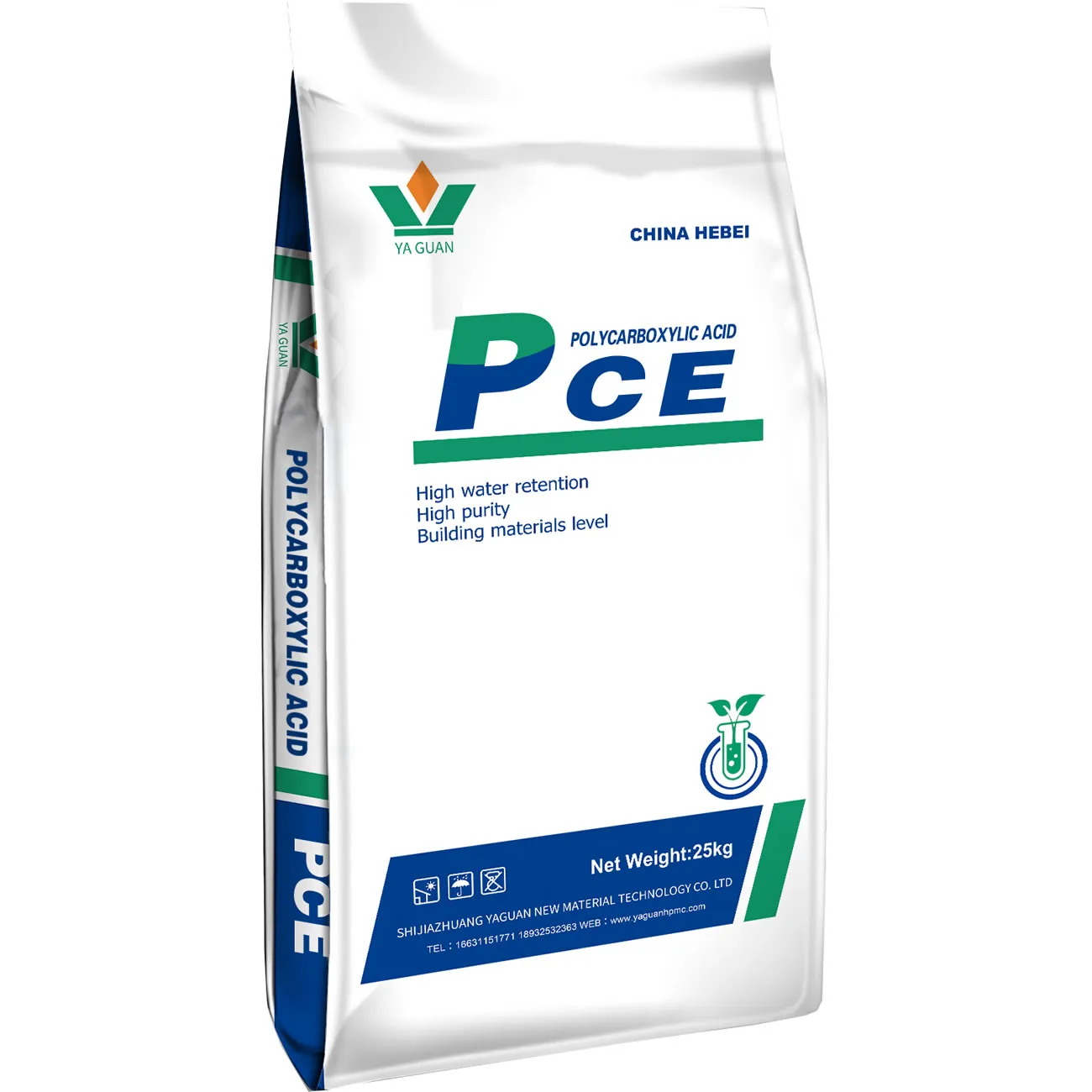
Industry Trends and the Evolution of Concrete Admixtures
The global construction industry is experiencing unprecedented growth, driven by rapid urbanization, infrastructure development, and a continuous demand for resilient, high-performance building materials. Central to this evolution is concrete, the most widely used man-made material. Modern construction challenges, such as the need for higher strength, increased durability, extended workability for long-distance transport, and reduced environmental impact, necessitate advanced admixture technologies. This landscape has propelled the development and adoption of sophisticated chemical admixtures, particularly polycarboxylate superplasticizers.
Polycarboxylate Ether (PCE) based superplasticizers represent the pinnacle of concrete admixture technology, offering superior water reduction and slump retention capabilities compared to earlier generations like lignosulfonates and naphthalene sulfonates. This shift is critical for high-performance concrete (HPC) and self-compacting concrete (SCC) applications, where fluidity and consistency are paramount without compromising strength or setting times. The market trend indicates a strong preference for sustainable solutions, prompting manufacturers to innovate products that facilitate lower cement content, reduce CO2 emissions, and enhance the longevity of concrete structures. The PC-826 Slump Retention Polycarboxylate Superplasticizer is a direct response to these evolving industry demands, engineered to meet the stringent requirements of contemporary civil engineering projects.
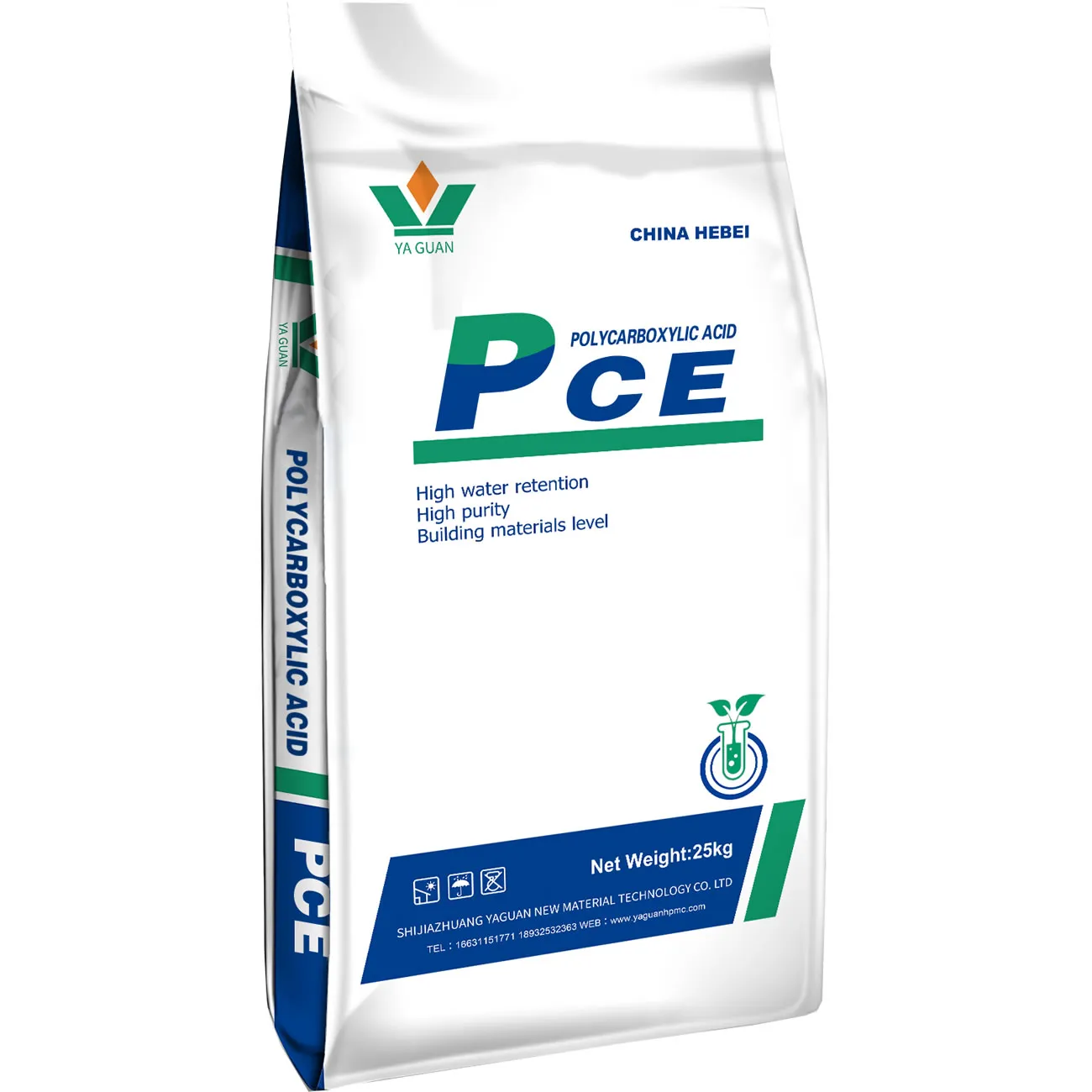
Understanding the Manufacturing Process of PC-826
The production of PC-826 Slump Retention Polycarboxylate Superplasticizer involves a meticulously controlled chemical synthesis, ensuring a high-quality, consistent product tailored for optimal concrete performance. This process adheres to stringent quality management systems, typically certified under ISO 9001, to guarantee the integrity and efficacy of the final product. The manufacturing process can be outlined in several key stages:
Process Flow for Polycarboxylate Superplasticizer Production:
- Raw Material Procurement & Inspection: Key monomers such as methoxy polyethylene glycol (MPEG) and acrylic acid (AA) are sourced from reputable suppliers. Rigorous quality control checks are performed upon arrival to ensure purity and conformance to specifications.
- Polymerization Reaction: The heart of the process. This involves a controlled free-radical polymerization in an aqueous medium. MPEG and AA are reacted in the presence of an initiator (e.g., persulfates) and a chain transfer agent, typically at elevated temperatures and specific pH conditions. This creates the unique comb-like structure characteristic of PCEs, with a main backbone and pendant polyether side chains.
- Neutralization & pH Adjustment: The synthesized polymer solution is then neutralized to the desired pH range, ensuring stability and compatibility with cementitious systems. This step is critical for optimizing the charge density and dispersion efficiency of the superplasticizer.
- Filtration & Purification: The solution undergoes filtration to remove any impurities or unreacted components, resulting in a clear, stable liquid product.
- Concentration (Optional for Liquid Form) / Spray Drying (for Powder Form): For powdered PC-826 Slump Retention Polycarboxylate Superplasticizer, the liquid concentrate is subjected to spray drying. This process involves atomizing the solution into a hot drying chamber, rapidly evaporating the water and yielding a fine, free-flowing powder.
- Quality Control & Testing: Throughout and after the manufacturing process, samples are rigorously tested. This includes analysis of solid content, pH, specific gravity, water reduction rate, slump retention performance, and chloride content, all in accordance with standards like ASTM C494 or EN 934-2.
- Packaging & Distribution: The finished product, whether liquid or powder, is packaged into appropriate container111s, ready for distribution to various target industries.
The meticulous control over polymerization parameters, such as monomer ratio, initiator concentration, and reaction temperature, dictates the molecular weight, side chain length, and charge density of the polycarboxylate polymer. These structural characteristics are fundamental to the superplasticizer's performance, specifically its ability to provide high water reduction and extended slump retention through steric hindrance and electrostatic repulsion mechanisms. This advanced engineering ensures the PC-826 Slump Retention Polycarboxylate Superplasticizer delivers consistent and superior performance in demanding applications.
Technical Specifications of PC-826
PC-826 Slump Retention Polycarboxylate Superplasticizer is engineered to deliver exceptional performance characteristics for modern concrete applications. Its precise chemical composition and molecular architecture are optimized to provide superior water reduction, extended slump retention, and enhanced concrete workability. The following table details the typical technical parameters, serving as a guideline for its application and expected performance.
| Parameter | Unit | Typical Value (Powder) | Standard/Method |
|---|---|---|---|
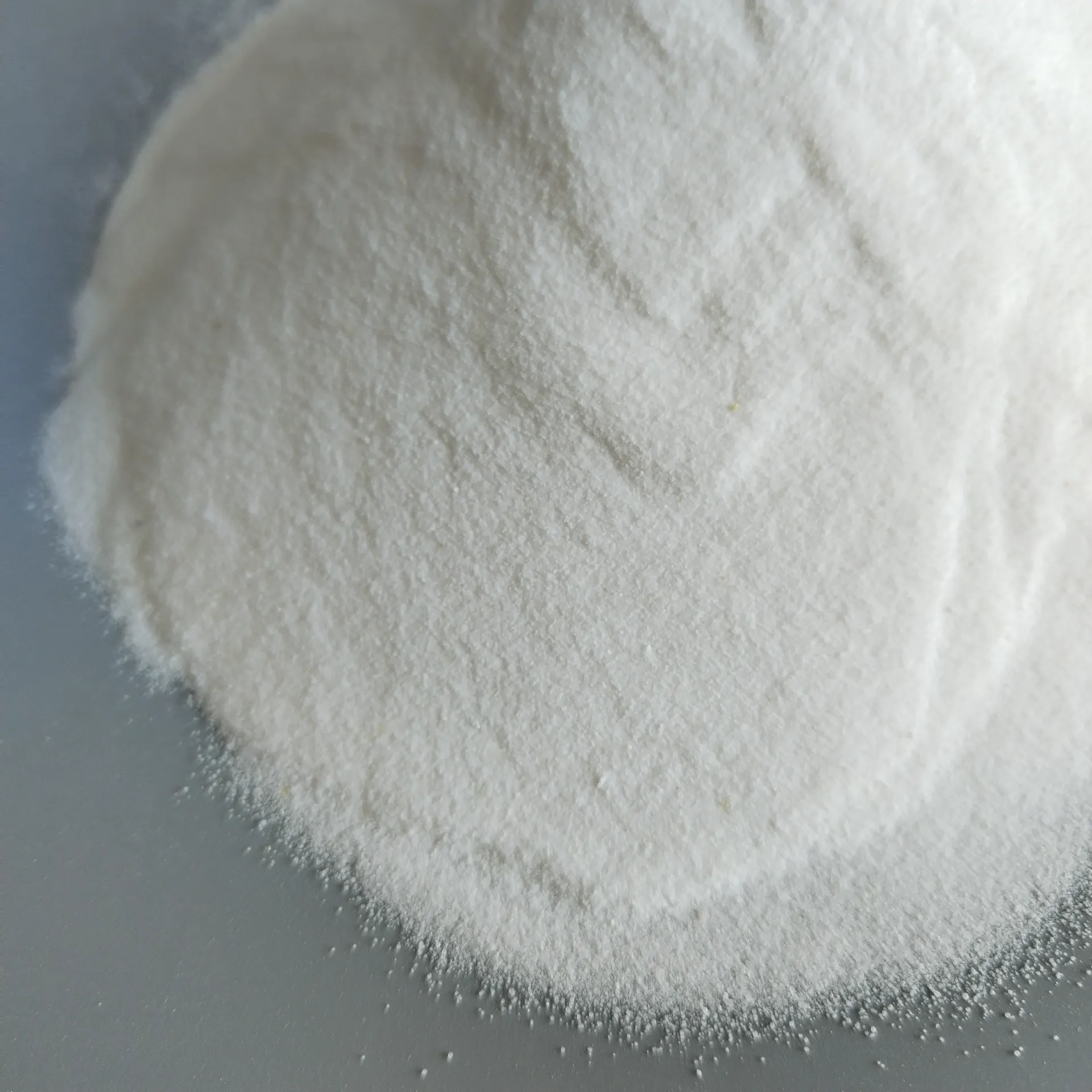
| Appearance | - | White to Light Yellow Powder | Visual |
| Solid Content | % | ≥ 92.0 | Internal Test Method |
| pH Value (1% solution) | - | 6.0 - 8.0 | ASTM D1293 |
| Water Reduction Rate | % | ≥ 28 | ASTM C494 Type F/G |
| Slump Retention (60 min) | % of initial slump | ≥ 90 | ASTM C143/C1611 |
| Chloride Content | % | ≤ 0.01 | ASTM C1152 |
| Alkali Content (Na2Oeq) | % | ≤ 0.3 | ASTM C114 |
| Recommended Dosage | % by cement weight | 0.1 - 0.5 | Project Specific Trial Mix |
These specifications highlight the premium quality and robust performance profile of PC-826 Slump Retention Polycarboxylate Superplasticizer, making it suitable for a wide range of demanding concrete applications where consistent workability and high performance are crucial.
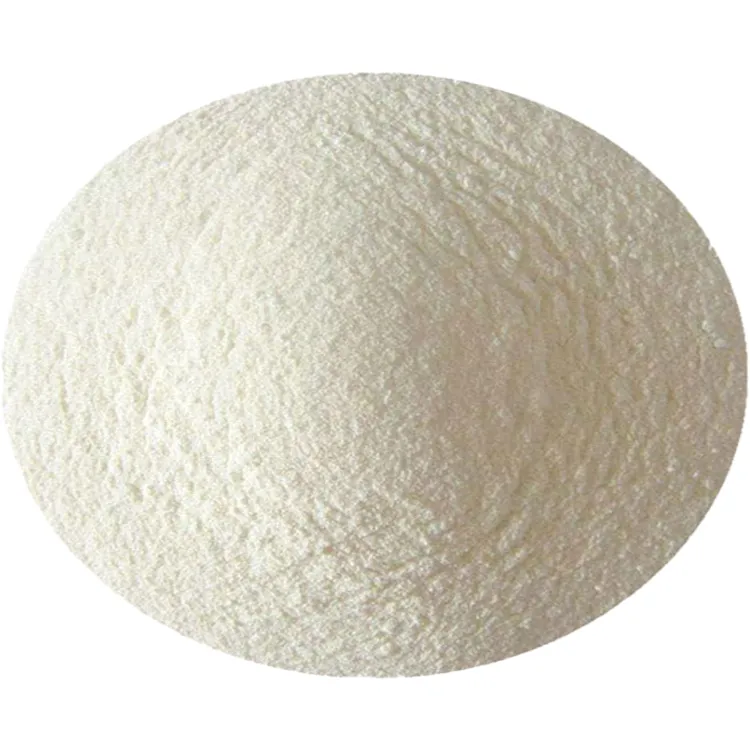
Key Application Scenarios and Technical Advantages
The versatility and high-performance characteristics of PC-826 Slump Retention Polycarboxylate Superplasticizer make it indispensable across a multitude of concrete applications, particularly where extended workability, high strength, and durability are paramount. Its unique chemical structure, featuring carboxylic groups and polyether side chains, allows it to achieve superior dispersion of cement particles through steric hindrance and electrostatic repulsion, maintaining fluidity for extended periods.
Primary Application Scenarios:
- Ready-Mix Concrete: Ideal for long-haul transportation or hot weather concreting, where maintaining slump for extended periods without redosing water is critical. This ensures consistent workability from plant to pour, reducing waste and improving efficiency.
- High-Strength and High-Performance Concrete (HPC): Enables significant water reduction, leading to denser, less permeable concrete with superior compressive and flexural strengths. Essential for high-rise buildings, bridges, and critical infrastructure.
- Self-Compacting Concrete (SCC): Facilitates the production of SCC with excellent flowability and segregation resistance, allowing concrete to fill complex formwork without vibration. This is vital for intricate architectural designs and areas with restricted access.
- Precast Concrete: Enhances the production rate by allowing faster demolding times and producing smooth, defect-free surfaces. The improved flow aids in better consolidation around reinforcement.
- Pumpable Concrete: Improves the rheological properties, reducing pumping pressure and wear on equipment, which is crucial for high-rise or long-distance concrete placement.
- Mass Concrete Pours: Minimizes heat generation due to lower cement content (through high water reduction) and allows for better temperature control in large structures like dams and foundations.
Technical Advantages:
- Superior Slump Retention: Designed specifically for extended workability, maintaining target slump for periods exceeding 2-3 hours, significantly reducing the need for on-site re-tempering.
- High Water Reduction Rate: Achieves water reduction typically ranging from 28% to over 35%, leading to higher compressive strengths and improved durability. This translates to reduced energy consumption during mixing and placement (energy saving).
- Enhanced Concrete Durability: By significantly reducing the water-to-cement ratio, it creates a denser, less permeable concrete matrix, offering superior resistance to aggressive environments, freeze-thaw cycles, and chemical attack (corrosion resistance).
- Reduced Segregation and Bleeding: Improves the cohesion of the concrete mix, ensuring a homogeneous distribution of aggregates and preventing water bleed-out, which contributes to a more uniform and stronger final product.
- Versatility with Cement Types: Compatible with various cement types and supplementary cementitious materials (SCMs) like fly ash and slag, allowing for flexible mix designs and optimizing material usage.
- Economic Benefits: Reduces overall material costs by allowing for lower cement content, minimizes labor for placement and finishing, and reduces admixture dosage compared to older generation superplasticizers.
Vendor Comparison: Why Choose Yaguan HPMC's PC-826?
In a competitive market for concrete admixtures, discerning purchasers require clear differentiators. While many polycarboxylate superplasticizers are available, Yaguan HPMC's PC-826 Slump Retention Polycarboxylate Superplasticizer stands out due to its optimized formulation, consistent performance, and the comprehensive support provided by a specialist manufacturer.
| Feature | Generic PCE Superplasticizer | Yaguan HPMC PC-826 |
|---|---|---|
| Slump Retention Time | Moderate (60-90 min), often requires higher dosage or re-dosing. | Extended (120-180+ min) at low dosage, highly stable. Critical for long hauls and large pours. |
| Water Reduction Rate | Good (20-25%). | Excellent (28-35% or more), leading to higher strengths and durability. |
| Compatibility with Cements | Varies; can be sensitive to cement mineralogy. | Broad compatibility with a wide range of OPC and SCMs, minimizing mix design issues. |
| Dosage Efficiency | Standard dosage required for desired effect. | Highly efficient, achieving desired performance at lower dosages, leading to cost savings. |
| Rheology (Flow & Cohesion) | Good flow, but sometimes lacks robust cohesion, prone to segregation. | Excellent flow with superior cohesion, greatly reducing segregation and bleeding, ideal for SCC. |
| Technical Support & Customization | Often basic product information; limited customization. | Dedicated technical expertise, on-site support, and tailored solutions for unique project requirements. |
This comparison underscores Yaguan HPMC's commitment to delivering not just a product, but a solution optimized for the modern construction environment. Our extensive experience in manufacturing and applied chemistry ensures that PC-826 Slump Retention Polycarboxylate Superplasticizer consistently surpasses industry benchmarks.
Customized Solutions with PC-826
Understanding that no two construction projects are identical, Yaguan HPMC offers comprehensive customization options for our PC-826 Slump Retention Polycarboxylate Superplasticizer. Our technical team works closely with clients to fine-tune the admixture's performance to specific project requirements, environmental conditions, and material combinations. This bespoke approach maximizes efficiency and ensures optimal concrete performance.
Areas of Customization:
- Tailored Slump Retention Profile: Adjusting the molecular structure of PC-826 can extend or shorten the slump retention time to match specific transport distances, ambient temperatures, or placement durations.
- Optimized Water Reduction: While PC-826 offers high water reduction, its formulation can be tweaked to achieve maximum water reduction for ultra-high strength concrete or to meet specific w/c ratio targets.
- Compatibility with Local Materials: Our experts conduct trials with your specific cement, aggregates, and supplementary cementitious materials (e.g., fly ash, slag, silica fume) to ensure seamless integration and optimal performance.
- Combination with Other Admixtures: PC-826 can be formulated to be compatible or combined with other admixtures (e.g., air entrainers, accelerators, retarders) to achieve complex performance characteristics without adverse interactions.
- Powder vs. Liquid Formulations: While PC-826 is primarily highlighted in its powder form, we can discuss liquid concentrates or custom blends for specific dispensing systems.
Our technical support extends beyond product delivery, offering on-site consultation and mix design optimization to ensure that the customized PC-826 Slump Retention Polycarboxylate Superplasticizer perfectly aligns with your project's demands, delivering predictable and superior results.
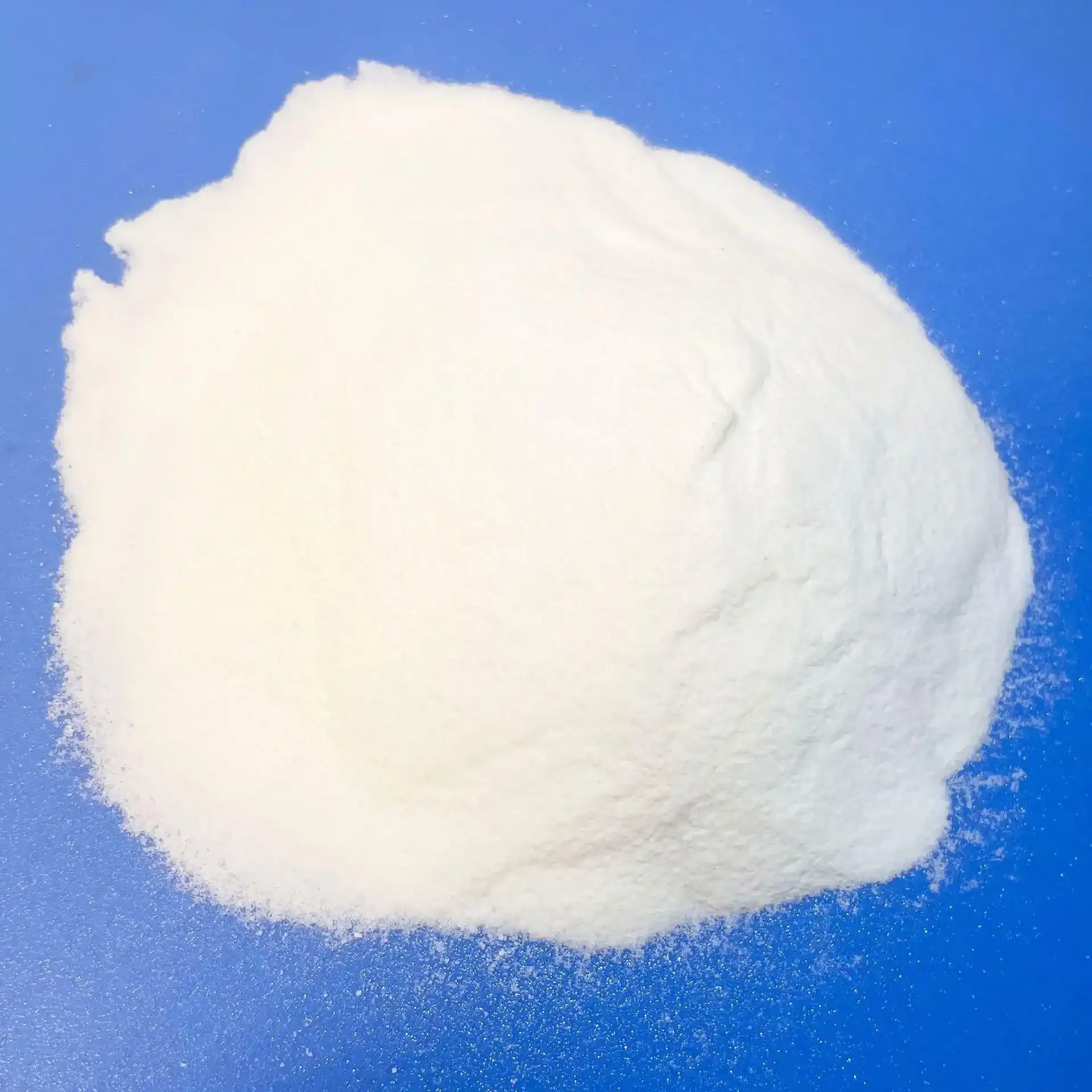
Application Case Studies
The effectiveness of PC-826 Slump Retention Polycarboxylate Superplasticizer has been demonstrated in numerous challenging projects, delivering tangible benefits in terms of efficiency, quality, and cost savings. Here are a few representative case studies showcasing its real-world impact:
Case Study 1: High-Rise Residential Tower, Metropolitan City
Challenge: Pouring high-strength concrete for the core walls of a 60-story building. Concrete had to be transported for 90 minutes through heavy traffic, then pumped to heights exceeding 200 meters. The primary concern was maintaining workability (slump) for both transport and continuous pumping operation without compromising strength or requiring on-site water additions.
Solution: Yaguan HPMC provided a custom blend of PC-826 Slump Retention Polycarboxylate Superplasticizer. The mix design targeted a W/C ratio of 0.30 and an initial slump of 200mm.
Results: The concrete maintained a slump of >180mm after 120 minutes, even after pumping. This eliminated the need for on-site re-tempering, reduced pumping pressure by 15%, and ensured a consistent flow. The final concrete achieved its target 28-day compressive strength of 70 MPa consistently across all pours, contributing to rapid construction schedules and structural integrity.
Case Study 2: Long-Span Bridge Deck, Coastal Region
Challenge: Casting a critical section of a bridge deck in a hot, humid coastal environment. The project required highly durable concrete with excellent resistance to chloride ingress and minimal permeability. The extended pouring window and exposure to harsh elements necessitated a superplasticizer that could provide both long-term slump retention and superior concrete quality.
Solution: PC-826 Slump Retention Polycarboxylate Superplasticizer was integrated into a marine-grade concrete mix, specifically formulated for high-durability and low permeability. The dosage was optimized for a 0.35 W/C ratio and a specified slump retention for up to 3 hours.
Results: The concrete maintained excellent workability throughout the pour, preventing cold joints and ensuring a monolithic structure. Post-hardening tests confirmed significantly reduced chloride ion penetration (by 40% compared to conventional mixes) and an impressive increase in 56-day compressive strength, ensuring a projected service life exceeding design requirements despite the challenging environment.
Case Study 3: Precast Segment Production for Tunnel Lining
Challenge: A large-scale precast plant needed to produce high volumes of tunnel lining segments quickly and efficiently. The concrete had to be self-compacting to achieve flawless surface finishes and dense compaction around complex reinforcement cages, minimizing labor for vibration and ensuring consistent quality for automated production lines.
Solution: PC-826 Slump Retention Polycarboxylate Superplasticizer was chosen for its ability to produce highly fluid, non-segregating SCC. The mix was designed for a flow spread of 650mm-700mm and excellent passing ability, with slump flow retention for at least 60 minutes to accommodate batching variations.
Results: The adoption of PC-826 led to a 25% increase in daily production capacity due to faster mold filling and elimination of vibration. The precast segments exhibited superior surface quality, fewer air voids, and consistently met target compressive strengths, significantly reducing rejection rates and overall production costs for the project.
Trust and Assurance: Our Commitment to Clients ()
At Yaguan HPMC, our commitment extends beyond delivering superior products like PC-826 Slump Retention Polycarboxylate Superplasticizer. We prioritize building lasting relationships with our clients through demonstrable expertise, practical experience, undisputed authoritativeness, and unwavering trustworthiness, aligning with the highest Google standards.
Expertise & Experience:
With over 15 years of dedicated experience in the chemical admixtures industry, our team comprises chemical engineers and concrete technologists who possess deep knowledge of polymer chemistry, cement hydration, and concrete rheology. We don't just sell products; we provide solutions. Our extensive project portfolio, spanning from complex infrastructure to specialized precast applications, showcases our ability to deliver technical excellence and practical problem-solving. This hands-on experience ensures that our recommendations for PC-826 Slump Retention Polycarboxylate Superplasticizer are not just theoretically sound but are also proven in diverse field conditions.
Authoritativeness:
- Certifications: Our manufacturing facilities are ISO 9001:2015 certified, reflecting our adherence to stringent quality management systems from raw material procurement to final product delivery. Our products consistently meet or exceed international standards like ASTM C494 (Type F & G) and EN 934-2.
- Partnerships: We collaborate with leading research institutions and work with major construction companies globally, contributing to and benefiting from cutting-edge advancements in concrete technology.
- Test Data & Analytics: Every batch of PC-826 undergoes comprehensive internal and often third-party laboratory testing. Performance data, including water reduction, slump retention, and compressive strength development, is readily available to validate product claims.
Trustworthiness:
Frequently Asked Questions (FAQ):
Q: What is the optimal dosage for PC-826?
A: The optimal dosage varies depending on the specific mix design, cement type, aggregates, and desired performance. We recommend conducting trial mixes, typically starting from 0.1% to 0.5% by weight of cement, and adjusting based on results. Our technical team can assist with dosage optimization.
Q: Can PC-826 be used with other admixtures?
A: Yes, PC-826 Slump Retention Polycarboxylate Superplasticizer is generally compatible with most common concrete admixtures, including air entrainers, accelerators, and retarders. However, it's crucial to perform compatibility tests with specific products to avoid adverse interactions. We advise separate addition to the mixer or pre-testing if pre-blending is desired.
Q: What is the shelf life of PC-826?
A: When stored in original, unopened packaging in a cool, dry place away from direct sunlight and extreme temperatures, the powdered PC-826 typically has a shelf life of 12 months. Please refer to the product data sheet for specific storage conditions.
Lead Time & Fulfillment:
Our robust supply chain and efficient production capabilities ensure prompt order fulfillment. Standard lead time for PC-826 Slump Retention Polycarboxylate Superplasticizer is typically 7-14 business days, depending on order volume and destination. We leverage a global logistics network to ensure timely and reliable delivery worldwide. Expedited options are available upon request.
Warranty Commitments:
Yaguan HPMC guarantees that PC-826 Slump Retention Polycarboxylate Superplasticizer meets all published technical specifications and industry standards for a period of 12 months from the date of manufacture, provided it is stored and used as recommended. We stand behind the quality and performance of our products, offering full technical support to address any performance concerns.
Customer Support:
Our dedicated customer support team and technical specialists are available to assist with product inquiries, application guidance, mix design optimization, and troubleshooting. We offer 24/7 online support and on-site technical assistance for critical projects. Your success is our priority.
References
- ACI Committee 212. (2010). Report on Chemical Admixtures for Concrete (ACI 212.3R-10). American Concrete Institute.
- ASTM International. (2020). ASTM C494/C494M - 19a, Standard Specification for Chemical Admixtures for Concrete.
- European Committee for Standardization. (2009). EN 934-2: Admixtures for Concrete, Mortar and Grout - Part 2: Concrete Admixtures - Definitions, Requirements, Conformity, Marking and Labelling.
- Flatt, R. J., & Scherer, G. W. (2012). Concrete Microstructure: A Handbook of Cement-Based Materials. CRC Press.
- Jolicoeur, C., & Simard, M. A. (1998). Ionic Interaction and Conformational Changes of Polycarboxylate Superplasticizers in Cementitious Systems. Cement and Concrete Research, 28(2), 227-238.











