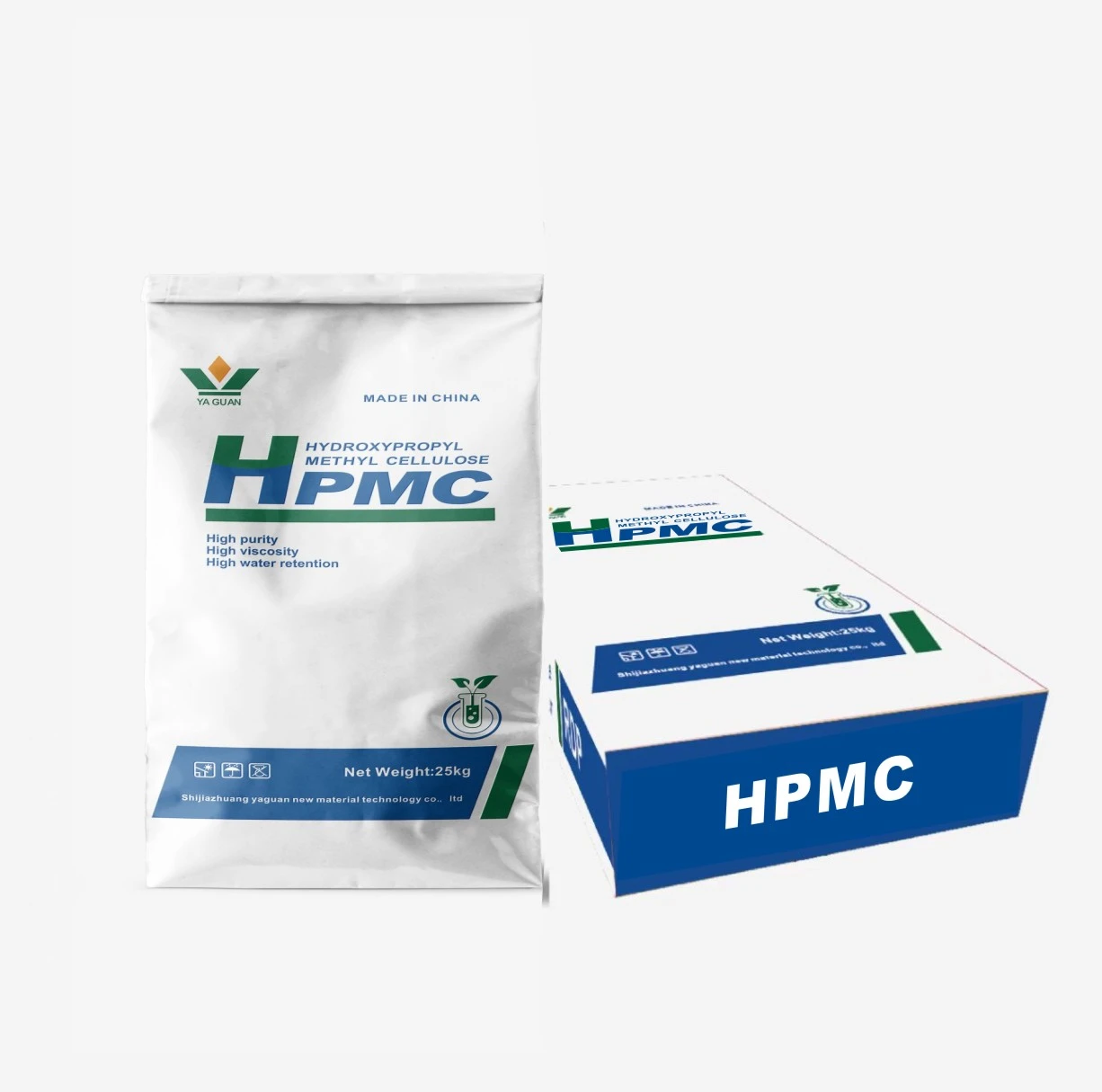


Industry Trends Shaping Hydroxypropyl Methyl Cellulose (HPMC) Market
The global market for Hydroxypropyl Methyl Cellulose( HPMC) is experiencing robust growth, driven by escalating demand across diverse industries. As a versatile non-ionic cellulose ether, HPMC is indispensable in applications ranging from construction and pharmaceuticals to food and personal care. Current industry trends highlight a significant push towards sustainable and high-performance additives, propelling innovations in HPMC production and application. The construction sector, in particular, remains a dominant consumer, with increasing urbanization and infrastructure development necessitating advanced building materials that offer enhanced workability, water retention, and adhesion.
Technological advancements in manufacturing processes are leading to the development of specialized HPMC grades with tailored properties, addressing specific challenges in high-end applications such as self-leveling compounds, crack-resistant renders, and controlled-release drug formulations. Furthermore, growing environmental consciousness is accelerating the adoption of bio-based and biodegradable additives, positioning HPMC as a preferred choice due to its natural origin from purified cotton cellulose. This trend is reinforced by stringent regulatory frameworks promoting eco-friendly building practices and pharmaceutical excipients.
The Asia-Pacific region, spearheaded by burgeoning economies, is projected to witness the fastest growth, primarily due to expanding construction activities and a burgeoning pharmaceutical industry. Manufacturers are focusing on R&D to optimize molecular weight distribution, degree of substitution, and viscosity profiles, ensuring superior product performance and cost-effectiveness. The market is also seeing consolidation and strategic partnerships aimed at expanding global reach and enhancing supply chain resilience.
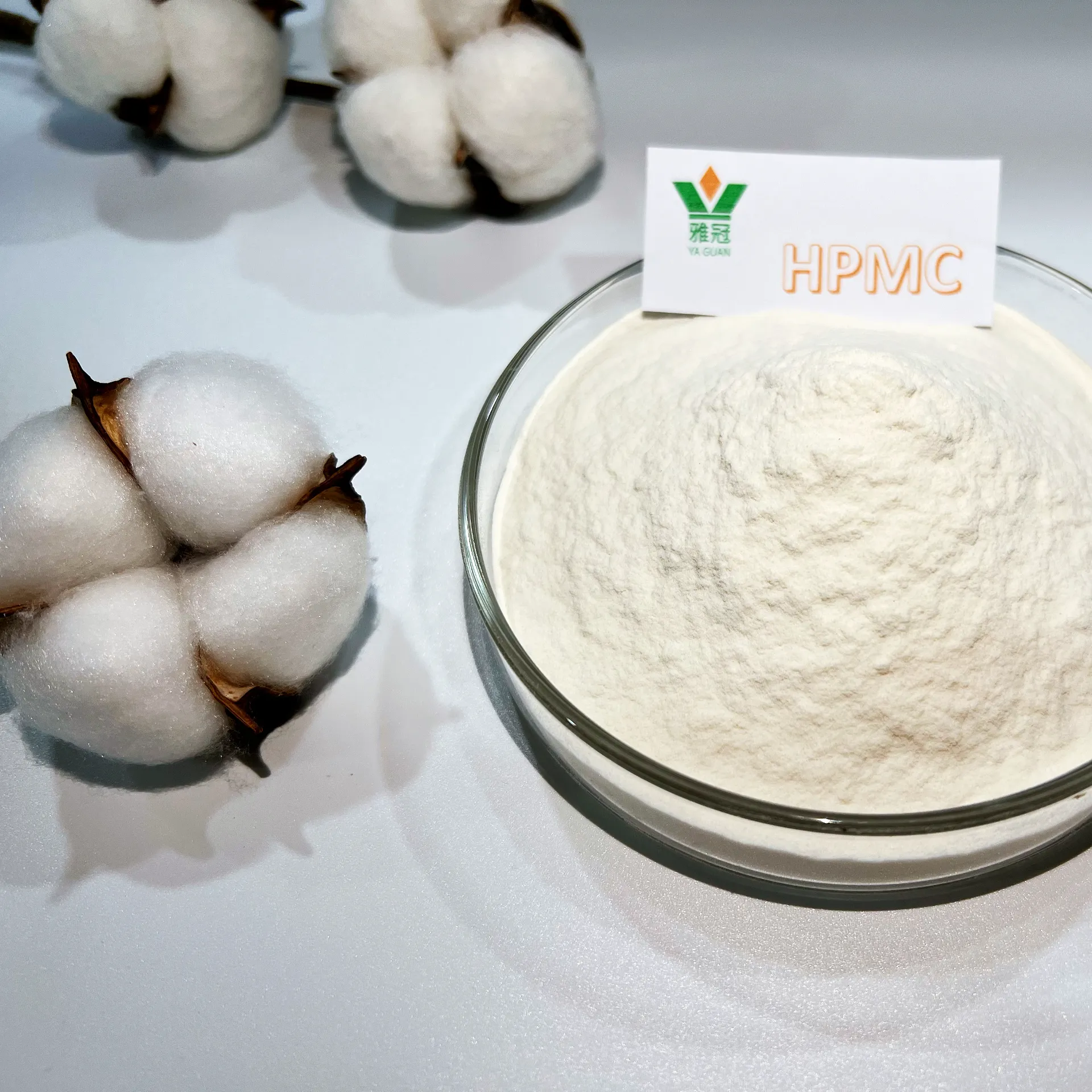
Figure 1: HPMC's critical role in modern construction materials.
Understanding Hydroxypropyl Methyl Cellulose (HPMC): A Technical Deep Dive
Hydroxypropyl Methyl Cellulose( HPMC) is a semi-synthetic, inert, viscoelastic polymer used as an ophthalmic lubricant, as well as an excipient and controlled-delivery component in oral medicaments. Chemically, it is derived from cellulose, a natural polymer, through a series of chemical reactions involving alkalization and etherification. The base material, purified cotton cellulose, undergoes reaction with propylene oxide and methyl chloride in a controlled environment. This process introduces hydroxypropyl and methoxy groups onto the cellulose backbone, altering its properties significantly.
The structural modification confers unique characteristics to HPMC, including excellent water solubility (forming clear, viscous solutions), thermal gelation properties (gelling upon heating and returning to liquid upon cooling), surface activity, and film-forming capabilities. Its non-ionic nature ensures compatibility with a wide range of other polymers and additives. The degree of substitution (DS) and molar substitution (MS) of methoxy and hydroxypropyl groups, respectively, critically determine the properties such as solubility, gelation temperature, and viscosity.
These intrinsic properties make HPMC an invaluable additive for enhancing consistency, stability, and performance across various industrial formulations. For instance, in construction, it acts as a thickener, binder, and water retention agent. In pharmaceuticals, it serves as a binder, disintegrant, film-former, and excipient for sustained-release formulations. Its ability to form a stable, protective film and its inertness make it ideal for use in sensitive applications.
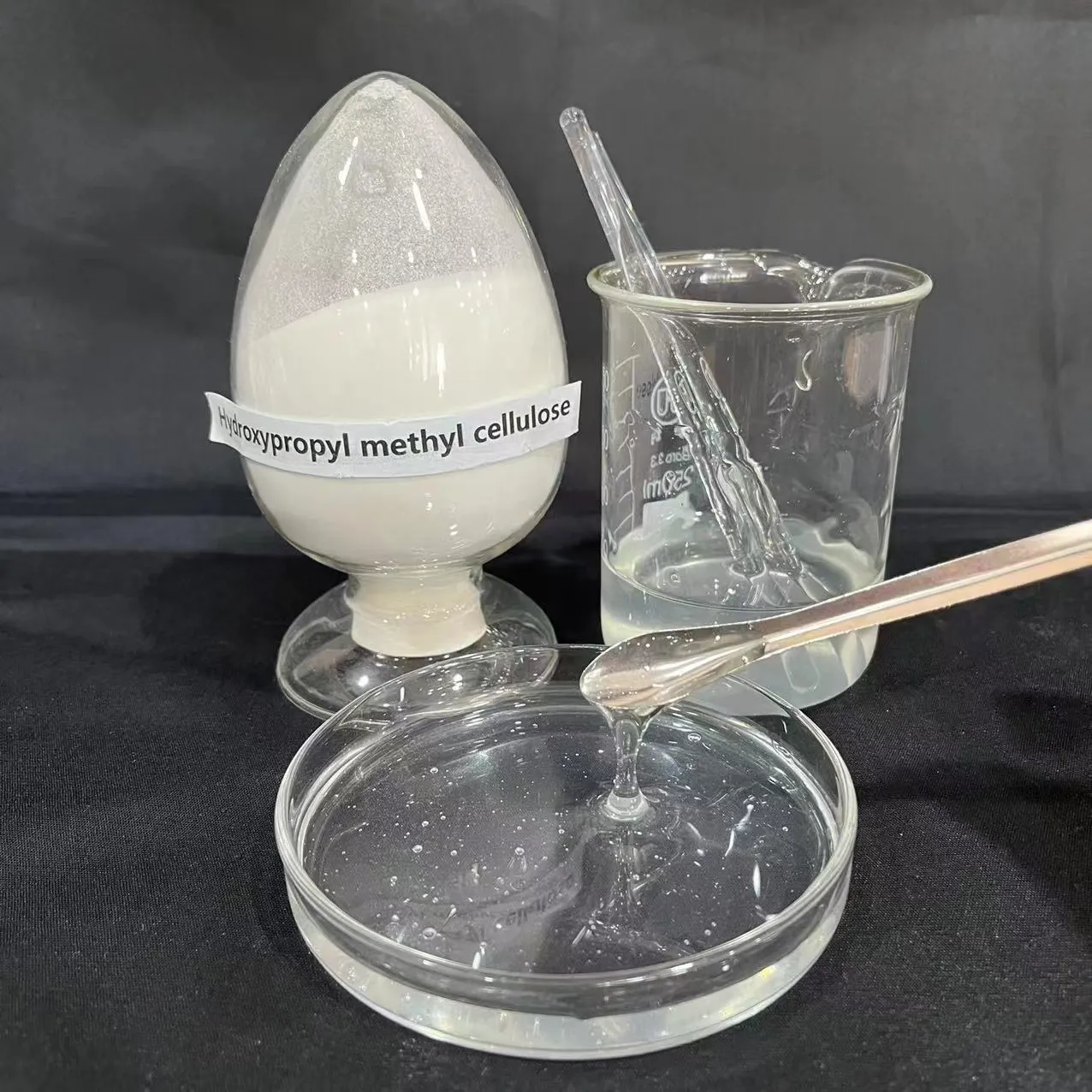
Figure 2: Microscopic view illustrating the uniform particle distribution of HPMC powder.
The Manufacturing Process Flow of Hydroxypropyl Methyl Cellulose (HPMC)
The production of Hydroxypropyl Methyl Cellulose( HPMC) involves a sophisticated multi-stage chemical synthesis designed to yield a high-purity, consistent product. The process begins with carefully selected raw materials, primarily purified cotton cellulose, known for its high alpha-cellulose content.
- 1. Raw Material Preparation: Purified cotton cellulose is first alkalized by steeping it in a concentrated sodium hydroxide (NaOH) solution. This step activates the cellulose, breaking down hydrogen bonds and making it more reactive for subsequent etherification. The quality of the cellulose and the alkali treatment parameters are critical for the final product's properties.
- 2. Etherification: The alkalized cellulose is then reacted with methyl chloride (CH₃Cl) and propylene oxide (C₃H₆O) in a high-pressure reactor under precisely controlled temperature and pressure conditions. This is the core etherification step, where methoxy (-OCH₃) and hydroxypropyl (-OCH₂CH(OH)CH₃) groups are introduced onto the cellulose chain. The reaction efficiency and the ratio of these groups dictate the final HPMC grade's viscosity, thermal gelation, and solubility.
- 3. Neutralization: After etherification, the reaction mixture is neutralized with an acidic solution (e.g., hydrochloric acid) to remove excess alkali and stabilize the pH.
- 4. Washing & Purification: The crude HPMC is extensively washed with hot water to remove by-products such as sodium chloride, propylene glycol, and unreacted reagents. This purification step is crucial for achieving high purity and low ash content, essential for pharmaceutical and food-grade applications.
- 5. Drying: The purified HPMC slurry is then dewatered and dried using methods like fluid-bed drying or rotary drying. Precise control over drying temperature and duration prevents degradation and ensures consistent moisture content.
- 6. Grinding & Sieving: The dried HPMC is ground to a fine powder and sieved to achieve specific particle size distributions. This step determines the dissolution rate and workability of the product in various applications.
- 7. Packaging & Quality Control: The final product is packaged in multi-ply paper bags with an inner polyethylene liner, ensuring protection from moisture. Throughout the entire process, rigorous quality control measures are implemented, adhering to international testing standards such as ISO 9001 for quality management, and specific ASTM or pharmacopoeial standards (USP, EP, BP) for product specifications.
This meticulous process ensures a service life optimized for demanding target industries including petrochemical, metallurgy, water supply & drainage, and various construction segments. For instance, the use of high-quality HPMC in cement-based products significantly improves their resistance to harsh chemical environments and extends their structural integrity, demonstrating advantages in corrosion resistance and overall durability.

Figure 3: Advanced manufacturing facility for HPMC production, emphasizing quality control.
Key Technical Specifications and Performance Parameters of HPMC
The performance of Hydroxypropyl Methyl Cellulose( HPMC) in any application is directly linked to its specific technical parameters. Understanding these specifications is critical for selecting the appropriate grade for optimal results. Key parameters include viscosity, degree of substitution (DS), molar substitution (MS), particle size, pH, and moisture content. These are meticulously controlled during manufacturing and verified through rigorous testing.
| Parameter | Unit | Standard Range (Typical) | Method / Standard |
|---|---|---|---|
| Viscosity (2% solution, 20℃) | mPa·s | 400 – 200,000 | Brookfield RVT |
| Methoxy Content | % | 19.0 – 24.0 | USP / EP |
| Hydroxypropoxy Content | % | 4.0 – 12.0 | USP / EP |
| pH (1% solution) | - | 5.0 – 8.0 | Electrometric |
| Loss on Drying (Moisture Content) | % | ≤ 5.0 | Pharmacopoeial |
| Ash Content | % | ≤ 2.0 | ASTM D3516 |
| Particle Size (> 125µm) | % | ≤ 5.0 | Wet Sieve |
Viscosity: This is arguably the most critical parameter, directly impacting thickening, water retention, and anti-sag properties. It is measured for a 2% solution at 20℃ using a rotational viscometer (e.g., Brookfield RVT). Higher viscosity grades provide superior water retention and improved open time for mortars and adhesives.
Degree of Substitution (DS) & Molar Substitution (MS): These values quantify the number of methoxy and hydroxypropoxy groups per anhydroglucose unit. They influence HPMC's solubility, thermal gelation point, and surface activity. Customized DS/MS ratios are developed for specific applications, for example, to optimize film formation or reduce tackiness.
Particle Size: A finer particle size generally leads to quicker dissolution and better dispersion in aqueous systems, crucial for rapid-setting formulations. However, extremely fine particles can lead to dusting issues. Optimized particle size distribution ensures homogeneous mixing and consistent performance.
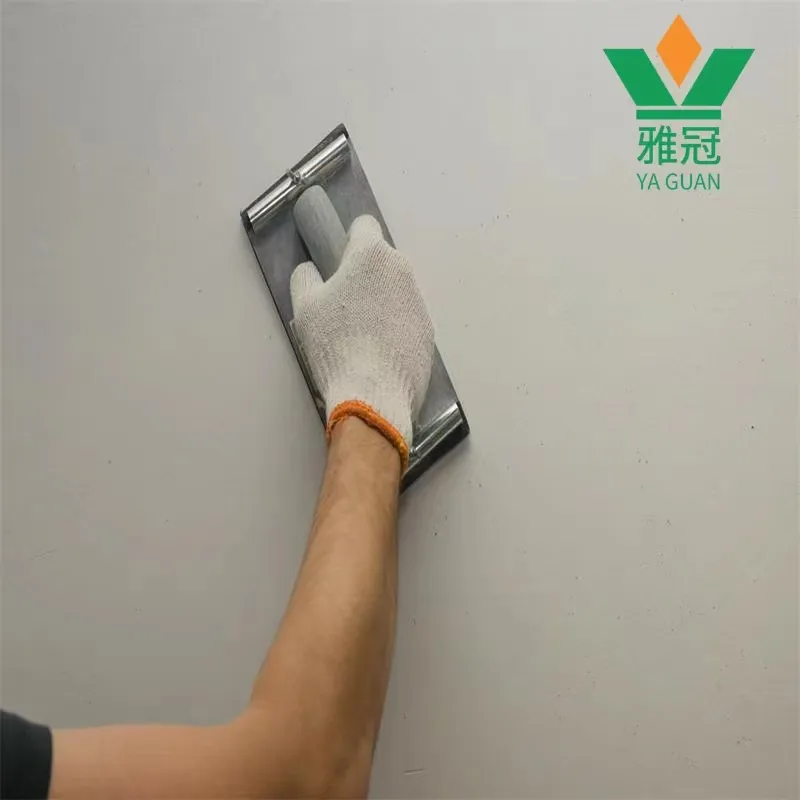
Figure 4: Lab-scale testing to verify HPMC viscosity and other critical parameters.
Versatile Application Scenarios and Technical Advantages of HPMC
The extensive range of applications for Hydroxypropyl Methyl Cellulose( HPMC) is a testament to its multifaceted technical advantages. From improving the workability of construction materials to enabling controlled drug release in pharmaceuticals, HPMC delivers superior performance characteristics.
-
Construction Industry: HPMC is a critical additive in dry-mix mortars, tile adhesives, renders, plasters, and self-leveling compounds. Its primary advantages here include:
- Excellent water retention, preventing premature drying and ensuring full cement hydration, which leads to higher bond strength and durability.
- Improved workability and open time, allowing contractors more time to adjust and apply materials, crucial for large-scale projects and hot climates.
- Enhanced sag resistance and slip resistance, particularly in tile adhesives, preventing tiles from slipping on vertical surfaces.
- Increased cohesion and plasticity, contributing to easier mixing and smoother application, reducing labor costs.
- Energy saving through improved insulation properties in renders and plasters, contributing to building energy efficiency.
-
Pharmaceutical Industry: HPMC serves as a pharmaceutical excipient for various drug delivery systems. Key advantages include:
- Controlled drug release via matrix tablets and film coatings, crucial for sustained-release formulations and reducing dosing frequency.
- Tablet binder and disintegrant properties, ensuring tablet integrity during manufacturing and proper breakdown in the body.
- Viscosity enhancer and stabilizer in liquid formulations, suspensions, and ophthalmic solutions.
- Non-toxic, inert, and bio-compatible, meeting stringent regulatory requirements (FDA, EP, USP).
- Food Industry: Utilized as a thickener, emulsifier, stabilizer, and film-forming agent in various food products, particularly in vegetarian and vegan formulations.
- Personal Care & Cosmetics: Acts as a rheology modifier, emulsifier, and film-former in shampoos, lotions, creams, and detergents, enhancing texture, stability, and sensory properties.
- Paints & Coatings: Improves thickening, anti-sag properties, and pigment suspension in water-based paints, contributing to better application and finish.
In corrosive environments, such as those found in petrochemical or metallurgical industries, the addition of specific HPMC grades to protective coatings can enhance film integrity and provide a more robust barrier against chemical attack, thus contributing to corrosion resistance and extending the lifespan of critical infrastructure.

Figure 5: HPMC enabling high-performance, easy-to-apply tile adhesives.
Vendor Comparison and Customized Solutions for HPMC
Selecting the right supplier for Hydroxypropyl Methyl Cellulose( HPMC) is paramount for ensuring consistent product quality and optimizing application performance. The market features numerous vendors, each with varying capabilities in terms of production scale, R&D, quality control, and customer support. A thorough vendor comparison goes beyond price, focusing on long-term value, reliability, and the ability to offer tailored solutions.
| Criterion | Leading/Specialized Vendor (e.g., Yaguan) | Generic / Volume-focused Vendor |
|---|---|---|
| Product Consistency | High, batch-to-batch uniformity, critical for performance. | Moderate to variable, may require frequent formulation adjustments. |
| Technical Support & R&D | Dedicated R&D, application labs, expert technical assistance. | Limited to basic product data sheets. |
| Customization Options | Extensive, tailor-made viscosity, substitution, particle size, surface treatment. | Standard grades only, limited flexibility. |
| Certifications & Compliance | ISO 9001, REACH, Kosher, Halal, GMP (pharmaceutical). | Basic quality control, fewer specialized certifications. |
| Lead Time & Logistics | Reliable, flexible, global distribution network. | Potentially longer or less reliable, local focus. |
Customized Solutions: A key differentiator for leading HPMC manufacturers is their capability to provide customized solutions. Recognizing that standard grades may not always perfectly meet unique application demands, these manufacturers offer:
- Tailored Viscosity: Adjusting the molecular weight during synthesis to achieve specific viscosity ranges, optimizing flow properties and thickening power for bespoke formulations.
- Optimized Substitution Degrees: Fine-tuning the ratio of methoxy and hydroxypropoxy groups to influence characteristics like thermal gelation temperature, solubility, and compatibility with other ingredients.
- Specific Particle Size Distribution: Grinding and sieving processes are adjusted to achieve a narrow or broad particle size range, impacting dissolution speed and dispersibility in a particular matrix.
- Surface Treatment: Modifying the HPMC powder surface to improve dispersibility in cold water, prevent lump formation, or enhance compatibility with specific organic solvents.
These customized options are invaluable for clients developing innovative products or facing specific processing challenges, ensuring that the HPMC integrates seamlessly into their formulations and delivers maximum performance.
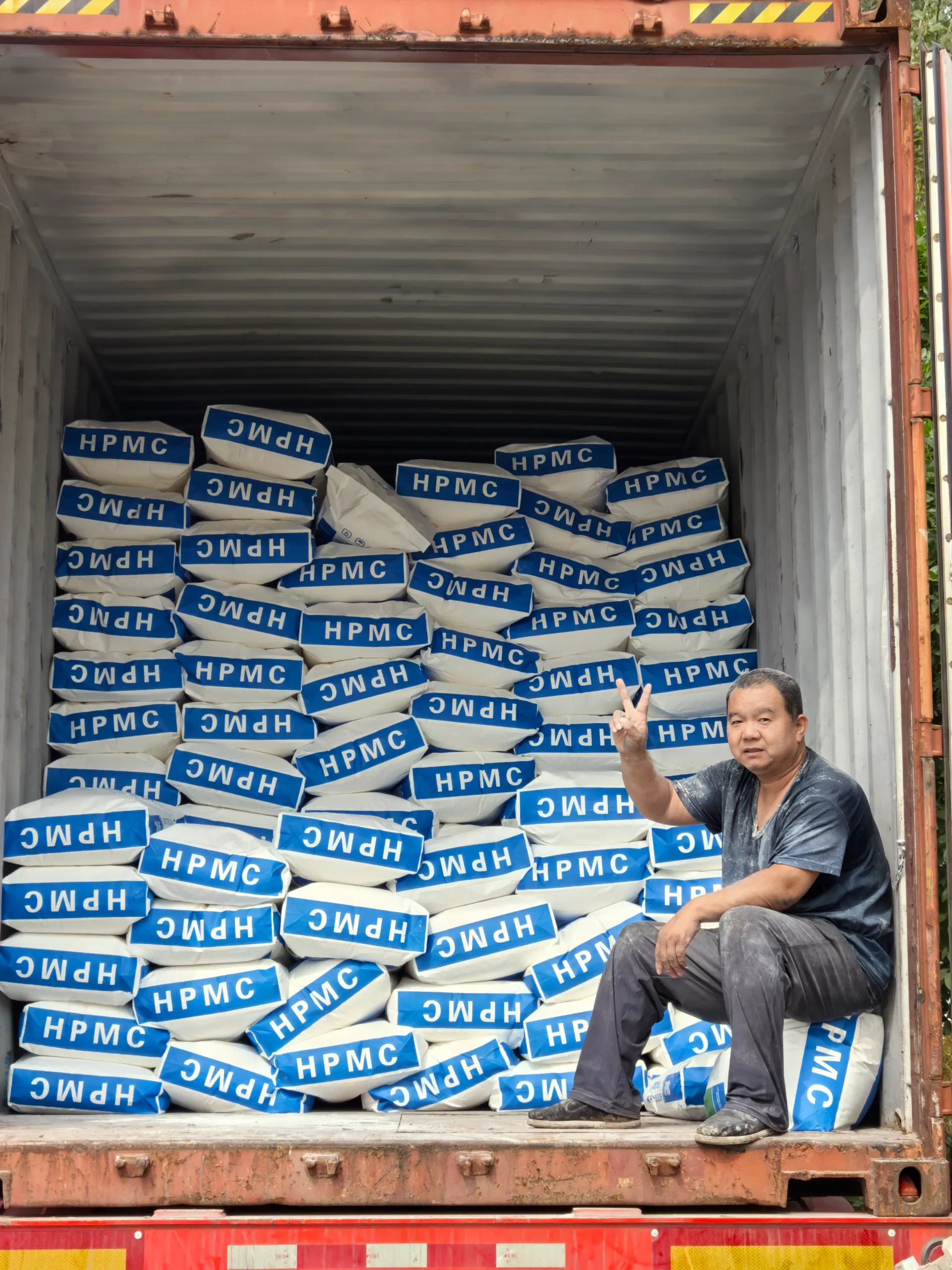
Figure 6: R&D facility focusing on HPMC customization for specific client needs.
Application Case Studies and Customer Experience with HPMC
Real-world application case studies vividly demonstrate the transformative impact of high-quality Hydroxypropyl Methyl Cellulose( HPMC) on product performance and operational efficiency. These examples highlight how tailored HPMC solutions address complex industry challenges and deliver measurable improvements.
-
Case Study 1: High-Rise Building Exterior Insulation and Finish System (EIFS)
A leading construction material manufacturer faced challenges with traditional EIFS mortars, specifically regarding sag resistance on tall buildings and insufficient open time in warm climates. By integrating a high-viscosity, modified HPMC grade, they observed a 30% increase in sag resistance, allowing for thicker application layers without slippage. The improved water retention extended the open time by 25 minutes, significantly enhancing workability and reducing material waste during application on a 30-story residential tower. This led to a 15% reduction in project completion time and improved overall finish quality. Customer feedback lauded the "unprecedented workability" and "flawless adhesion" of the new mortar formulation.
-
Case Study 2: Sustained-Release Ibuprofen Tablets
A pharmaceutical company developing a new sustained-release ibuprofen formulation required a polymer that could precisely control drug dissolution rates over a 12-hour period. After trials with several excipients, a specific HPMC grade with a tailored degree of substitution and molecular weight was identified. This grade formed a robust hydrogel matrix upon hydration, allowing for predictable and consistent drug release kinetics, meeting the stringent pharmacopoeial requirements (USP Dissolution). This innovation allowed the company to reduce patient dosing frequency from three times daily to twice daily, significantly improving patient compliance and market competitiveness. The client praised the technical support provided, which "expedited formulation development by months."
-
Case Study 3: Eco-Friendly Waterborne Architectural Paint
A paint manufacturer aimed to launch a new line of low-VOC, high-solids waterborne paints. Their existing thickeners caused undesirable spatter and poor leveling. Collaborating with an HPMC specialist, they incorporated a medium-viscosity, surface-treated HPMC. This resulted in a paint formulation with significantly improved rheology: reduced spatter during roller application, excellent leveling properties for a smooth finish, and enhanced pigment suspension stability. The paint also showed improved washability. The new product line was successfully launched, gaining market share due to its superior application properties and environmental profile, directly attributable to the optimized HPMC additive.
These case studies underscore the importance of material science expertise and the ability to customize HPMC solutions to achieve specific performance goals, leading to enhanced product quality, operational efficiencies, and stronger market positions for our partner clients.
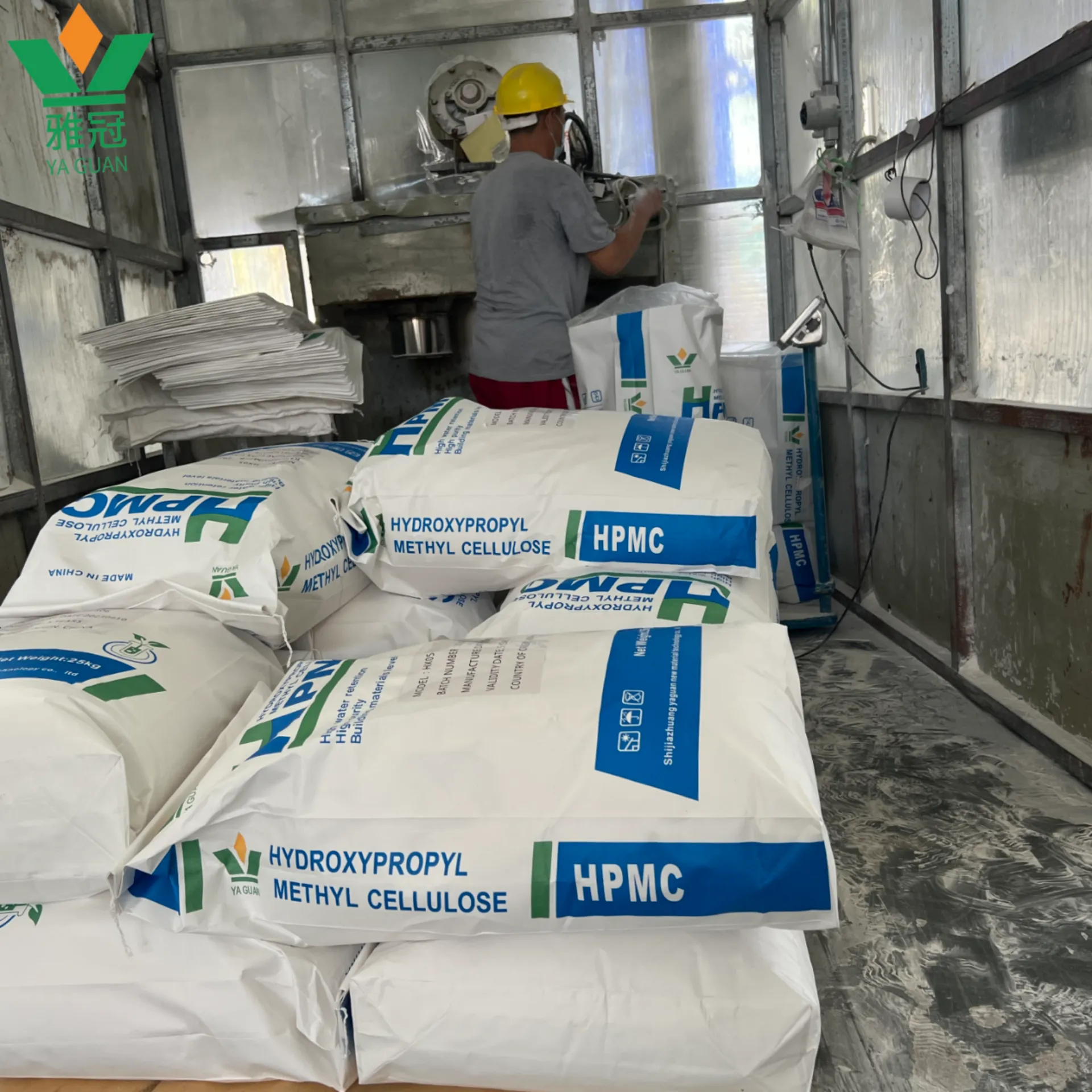
Figure 7: Performance testing of HPMC-enhanced mortar for improved workability and adhesion.
Trust & Assurance: Certifications, Lead Time, Warranty, and Support
Building trust and ensuring client satisfaction are cornerstones of our operations. We adhere to the highest industry standards for product quality, operational transparency, and robust customer support for our Hydroxypropyl Methyl Cellulose( HPMC) products. Our commitment is backed by comprehensive certifications, reliable logistics, and unwavering after-sales service.
Authoritative Certifications and Compliance
Our HPMC products are manufactured under strict quality management systems and are compliant with global regulatory requirements. This includes:
- ISO 9001:2015: Certified quality management system ensuring consistent product quality from raw material sourcing to final delivery.
- REACH Compliance: Registration, Evaluation, Authorisation and Restriction of Chemicals (EU) ensures chemical safety and environmental responsibility.
- HALAL & KOSHER: Certifications for specific HPMC grades, catering to diverse dietary and religious requirements in food and pharmaceutical applications.
- USP/EP/BP Standards: Pharmaceutical-grade HPMC strictly adheres to the specifications outlined in the United States Pharmacopeia, European Pharmacopoeia, and British Pharmacopoeia.
- FDA DMF (Drug Master File): Available for pharmaceutical grades, simplifying regulatory submissions for our clients.
Lead Time and Fulfillment Details
We operate an efficient supply chain and logistics network to ensure timely delivery worldwide.
- Standard Orders: Typical lead time for standard HPMC grades is 7-14 business days, depending on order volume and destination.
- Customized Orders: Lead times for custom formulations may vary from 3-6 weeks, inclusive of R&D and pilot batch production, with a clear timeline communicated at the outset.
- Logistics: We partner with reputable global shipping providers, offering flexible Incoterms (EXW, FOB, CIF, DDU) to meet client preferences. Express shipping options are available for urgent requirements.
Warranty Commitments
We guarantee the quality and performance of our HPMC products against stated specifications.
- Product Quality: All HPMC shipments are accompanied by a Certificate of Analysis (CoA) verifying adherence to specified parameters. We offer a 12-month warranty from the date of shipment for products stored under recommended conditions.
- Defect Resolution: In the rare event of a product not meeting agreed specifications, we commit to prompt investigation, replacement, or credit, ensuring minimal disruption to client operations.
Dedicated Customer Support and Technical Service
Our support extends beyond product delivery, offering a complete partnership experience.
- Technical Assistance: A team of experienced chemical engineers and application specialists is available to provide guidance on product selection, formulation optimization, and troubleshooting.
- R&D Collaboration: We actively engage with clients on R&D projects, offering laboratory facilities and expertise to co-develop innovative solutions.
- After-Sales Service: Dedicated account managers ensure continuous communication and support, addressing any post-purchase queries or operational needs.

Figure 8: A dedicated team member assisting a client with HPMC technical specifications.
Frequently Asked Questions (FAQ) about Hydroxypropyl Methyl Cellulose (HPMC)
Q1: What is the primary difference between HPMC and other cellulose ethers like CMC or MC?
A1: HPMC (Hydroxypropyl Methyl Cellulose) is a non-ionic cellulose ether with both methoxy and hydroxypropoxy groups. Its key distinctions include thermal gelation (gelling upon heating), excellent enzymatic resistance, and broad pH stability. CMC (Carboxymethyl Cellulose) is an anionic cellulose ether, which means it carries a negative charge and is generally more soluble in cold water but sensitive to salt. MC (Methyl Cellulose) is also non-ionic but typically exhibits lower thermal gelation temperatures and different solubility profiles compared to HPMC. HPMC's unique combination of properties makes it highly versatile for various applications, especially in construction, pharmaceuticals, and personal care.
Q2: How does HPMC contribute to water retention in cement-based mortars?
A2: HPMC enhances water retention in cement-based mortars primarily through its hydrophilic nature and high viscosity. When mixed with water, HPMC dissolves to form a viscous colloidal solution that effectively entraps water molecules within the mortar matrix. This prevents rapid evaporation and absorption of water by porous substrates (like bricks or concrete blocks), ensuring that the cement has sufficient water for complete hydration over an extended period. Improved water retention leads to higher bond strength, reduced shrinkage, and extended open time and adjustability of the mortar.
Q3: Is HPMC safe for use in food and pharmaceutical products?
A3: Yes, specific grades of HPMC are widely recognized as safe for use in food and pharmaceutical products. It is approved by regulatory bodies worldwide, including the FDA (as a generally recognized as safe, GRAS, substance) and the European Food Safety Authority (EFSA), often listed as E464. Pharmaceutical grades comply with strict pharmacopoeial standards (USP, EP, BP) and are manufactured under GMP (Good Manufacturing Practices) conditions, ensuring high purity, low impurity levels, and consistent performance suitable for human consumption and drug formulations.
Q4: What factors should be considered when selecting an HPMC grade?
A4: Key factors for selecting an HPMC grade include:
- Viscosity: Dictates thickening and water retention. Higher viscosity for better sag resistance and open time; lower viscosity for sprayable applications.
- Degree of Substitution (DS) / Molar Substitution (MS): Influences thermal gelation temperature, solubility, and compatibility.
- Particle Size: Affects dissolution rate and dispersion. Finer particles dissolve faster; coarser particles reduce dusting.
- Surface Treatment: Can prevent lump formation and improve dispersion in cold water.
- Application Specifics: Requirements vary greatly between construction, pharma, food, and personal care. Always align with specific product needs and regulatory standards.
Q5: How should HPMC be stored to maintain its quality?
A5: HPMC should be stored in its original, unopened packaging in a cool, dry place, away from direct sunlight and heat sources. The optimal storage temperature is typically below 30°C (86°F), and humidity should be controlled to prevent moisture absorption, which can lead to caking and reduced performance. Proper storage helps maintain its stability and effectiveness for the recommended shelf life, usually 12 to 24 months from the manufacturing date.
Conclusion
Hydroxypropyl Methyl Cellulose( HPMC) stands as a cornerstone in modern industrial formulations, offering unparalleled versatility and performance across critical sectors such as construction, pharmaceuticals, and food. Its unique combination of water retention, thickening, and film-forming properties, along with its non-ionic and bio-compatible nature, makes it an indispensable additive for enhancing product quality, efficiency, and sustainability. As industry trends continue to emphasize high-performance, environmentally conscious materials and specialized solutions, the demand for meticulously engineered HPMC grades will only intensify. Choosing a reliable, technically proficient vendor capable of delivering consistent quality and customized solutions is paramount for leveraging the full potential of HPMC in complex applications.
Authoritative References
- U.S. Pharmacopeial Convention. (2020). United States Pharmacopeia and National Formulary (USP 43-NF 38). Rockville, MD: U.S. Pharmacopeial Convention.
- European Directorate for the Quality of Medicines & HealthCare. (2020). European Pharmacopoeia 10.0. Strasbourg, France: Council of Europe.
- ASTM International. (2021). ASTM D3516-08(2018) Standard Test Method for Ashing in Cellulose. West Conshohocken, PA: ASTM International.
- Food and Drug Administration. (2022). 21 CFR Part 172.872 Hydroxypropyl methylcellulose. U.S. Government Publishing Office.
- Thoorens, G., Klose, A., & Siepmann, F. (2018). Cellulose Ethers: Pharmaceutical Applications and Mechanisms. CRC Press.
- Li, Z., & Gao, D. (2019). Applications of Cellulose Ethers in Building Materials. Elsevier Science.