
Understanding PCE based superplasticizer: The Backbone of Modern Concrete
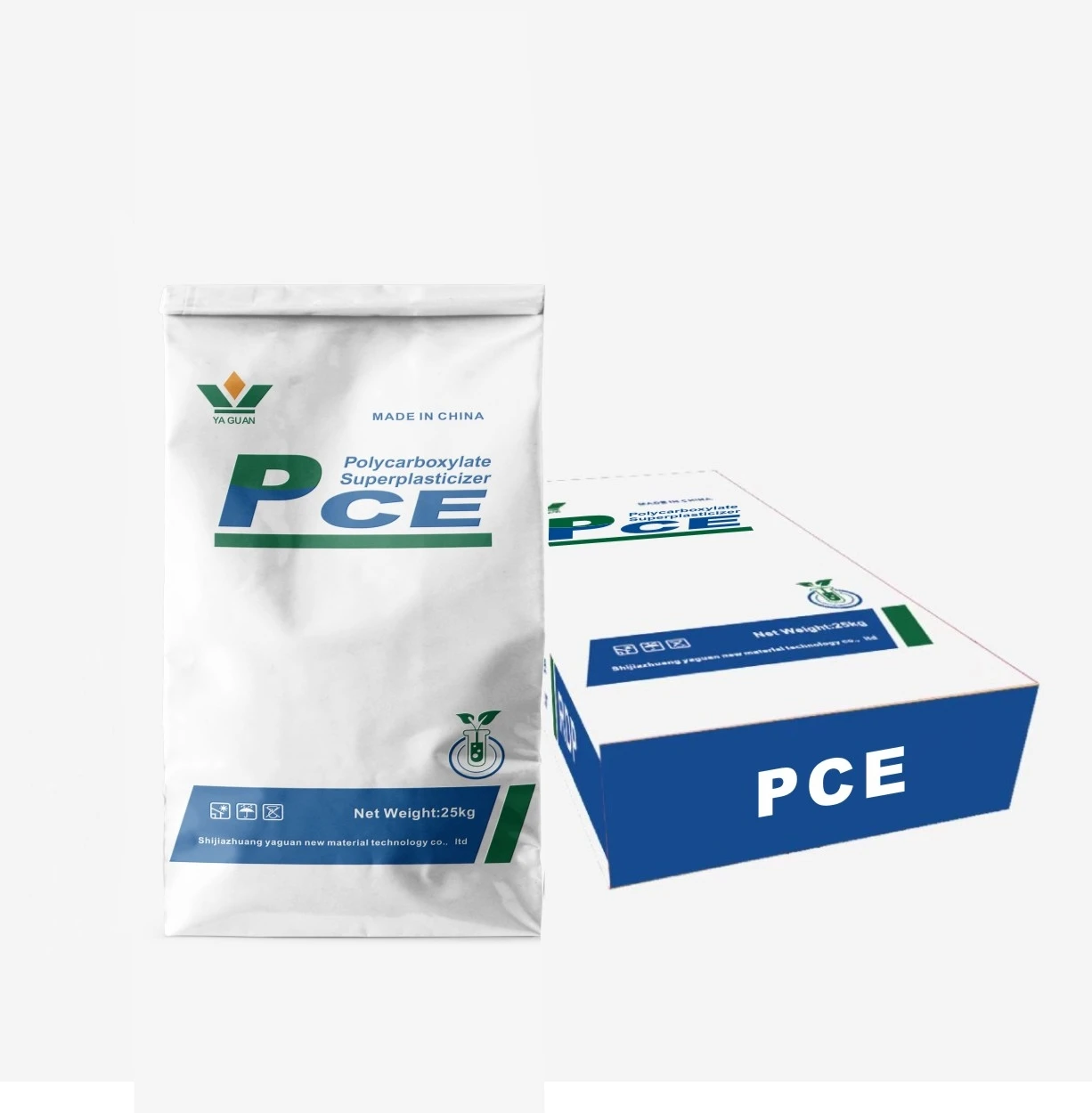
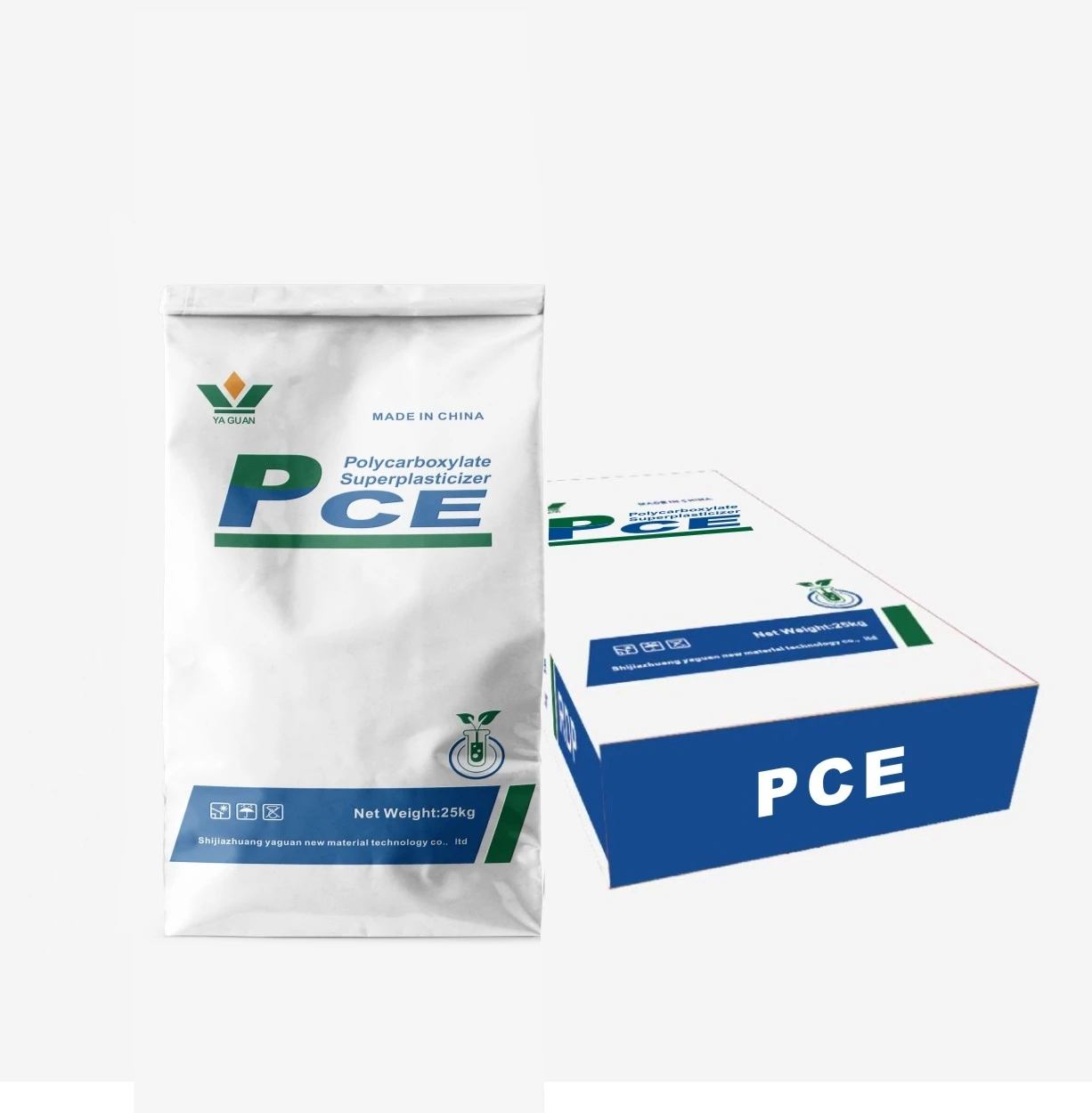
Having spent over a decade in the industrial equipment sector, I’ve seen technologies come and go, but some products quietly transform entire industries. One such unsung hero? The PCE based superplasticizer. If you’ve ever marveled at the fluidity and strength of ready-mix concrete or admired ultra-thin concrete sections holding up skyscrapers, chances are this remarkable additive was involved.
Now, superplasticizers based on polycarboxylate ether (PCE) technology have steadily replaced older sulfonate or naphthalene-based types in the last decade. Why? Well, it boils down to performance and adaptability. PCE molecules have that brush-like side chain architecture which, frankly, provides superior dispersion of cement particles — the key to achieving high slump without increasing water content. Less water means stronger, durabler concrete.
Oddly enough, when I first came across PCE superplasticizers during a plant visit in 2012, the results blew my mind. The concrete mix was so fluid it poured almost like syrup but cured with impressive compressive strength. It felt like magic but was really solid chemistry.
PCE Based Superplasticizer: Product Specifications
| Parameter | Typical Value | Unit |
|---|---|---|
| Active Content | 30–40 | % |
| pH Value | 6–8 | - |
| Density | 1.07–1.12 | g/cm³ |
| Chloride Ion Content | ≤0.2 | % |
| Setting Time Impact | Minimal | - |
Why Industry Leaders Prefer PCE Based Superplasticizers
From my perspective, the shift towards PCE superplasticizers wasn’t just about better fluidity. It’s about customization. These additives can be tailored to suit various cement types and environmental conditions — a lifesaver in multi-climate projects. I've personally worked on projects in both damp coastal and arid inland regions where varying the PCE structure made all the difference.
Also, the environmental angle is worth mentioning. Less water means less portland cement required to achieve given strength, translating directly into lower CO2 emissions. Many engineers I know highlight this synergy between performance and sustainability — which is quite the win-win.
| Vendor | Active Content (%) | Customization Options | Typical Applications | Price Range (USD/kg) |
|---|---|---|---|---|
| Yaguan HPMC | 35–40 | High (various side-chain lengths) | Ready-mix, precast, infrastructure | 1.0–1.5 |
| Competitor A | 30–38 | Medium | General concrete | 0.9–1.3 |
| Competitor B | 32–36 | Low | Mass concrete, shotcrete | 0.8–1.2 |
To be honest, one of the best things about working with PCE-based superplasticizers is how consistent they are. Even small dosage tweaks translate to predictable slump retention and strength gains. A longtime colleague once shared how swapping out their old admixture for a high-quality PCE additive saved their team a couple thousand dollars per cubic meter in wasted materials — remarkable, right?
Testing, by the way, is fundamental. Most reputable suppliers including Yaguan HPMC run their admixtures through vigorous ASTM C494 tests and customize based on local cement chemistry. So, whenever you’re evaluating suppliers, don’t overlook lab credentials and in-field trial data.
Overall, if you're in construction, infrastructure, or precast manufacturing, I'd say a quality PCE based superplasticizer is not optional — it’s essential. It’s the kind of product that feels quietly revolutionary because it lets engineers shape concrete exactly how we imagine it, with strength and sustainability side by side.
Quick takeaway: Investing time in selecting and testing the right PCE superplasticizer pays dividends in every metric engineers care about — flow, strength, durability, and cost.
References:
1. ASTM International, ASTM C494-19 Standard Specification for Chemical Admixtures for Concrete.
2. Neville, A.M., Properties of Concrete, 5th ed., 2011.
3. Personal field notes and experience during mixture design and plant visits, 2010–2023.