
Understanding the Nuances Behind Polycarboxylate Superplasticizer Price
Having spent a decade or so knee-deep in the industrial equipment and construction chemicals scene, I’ve seen quite a few waves come and go when it comes to polycarboxylate superplasticizer price. Oddly enough, despite all the buzz around high-performance concrete and green building practices, price remains the anchor question for many — whether you’re specifying on paper or balancing project budgets on the ground. There’s more beneath the sticker than most expect.
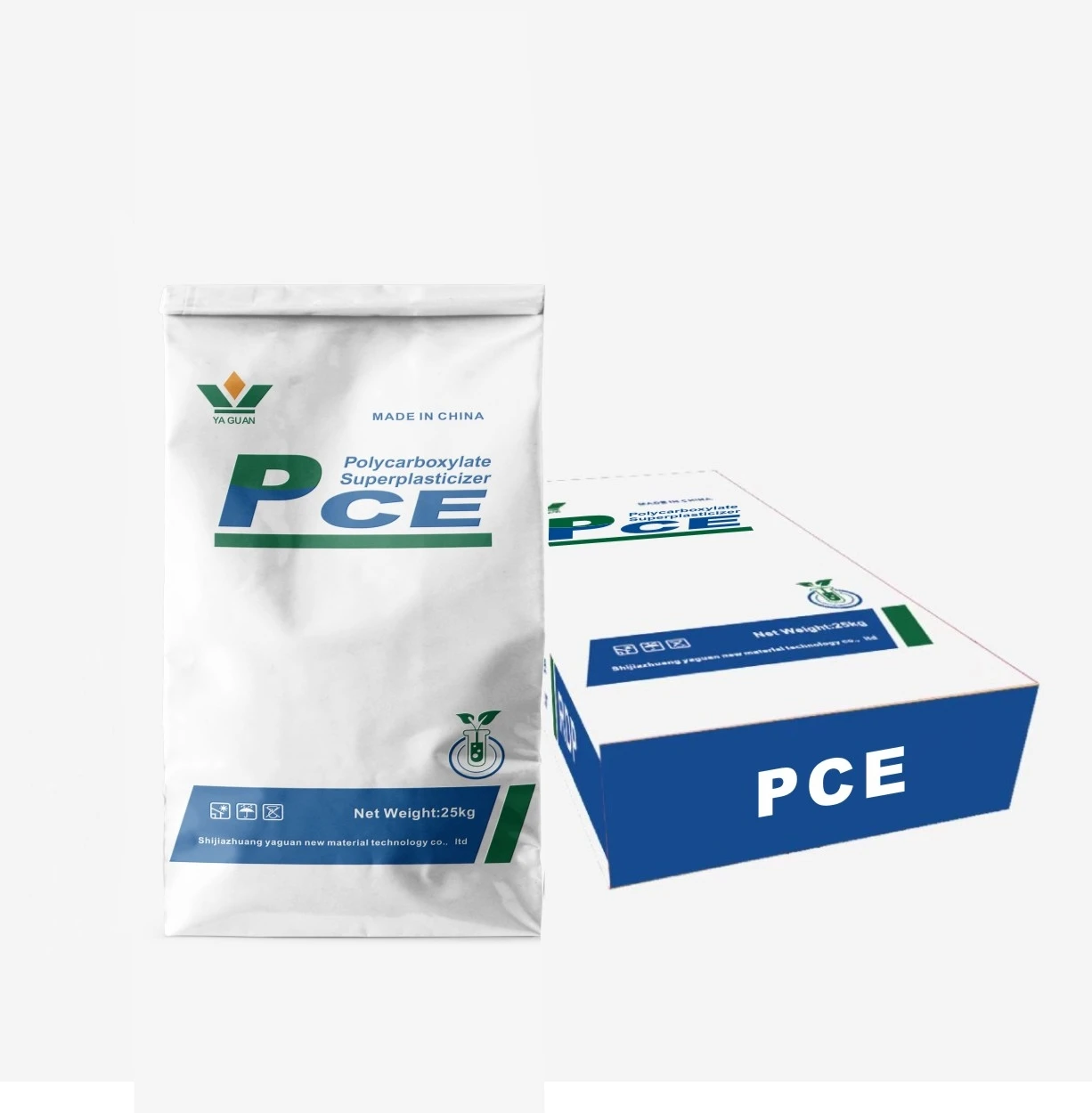
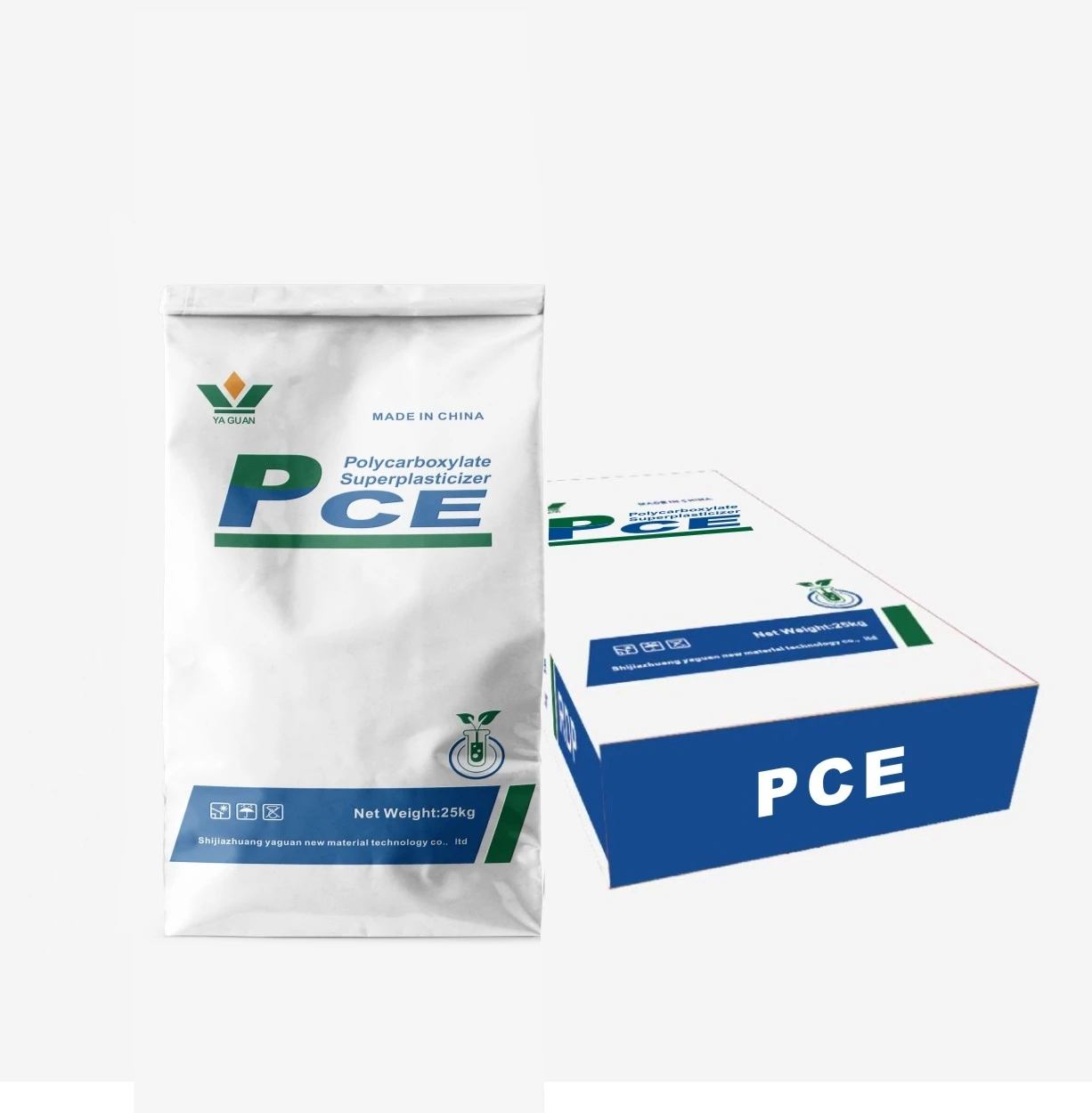
Firstly, polycarboxylate superplasticizers, or PCEs for short, aren’t just a single formula you can slap into concrete; they’re a family of complex polymers designed to make concrete more workable at lower water content. This means better strength, durability, and faster setting under some conditions — but that complexity affects everything from raw material sourcing to manufacturing processes, which inevitably trickles down to the price.
In my experience, demand fluctuations also play a big role. Construction booms in emerging markets can cause sharp upticks in prices—as suppliers scramble to meet surge requests, raw materials like acrylic acid derivatives get more expensive. Conversely, a slow season or increased competition can drive prices down. It’s essentially supply and demand, but with a technical twist.
Key Product Specifications That Impact Pricing Decisions
When you get down to it, not all PCEs are created equal. I remember a client who initially went for the cheapest option, only to realize after a few pours that the slump retention wasn’t up to their schedule requirements. Paying a bit more upfront for a tailored polycarboxylate superplasticizer saved them headaches (and money) in the long run.
| Specification | Typical Range | Reason It Matters |
|---|---|---|
| Solid Content (%) | 40-50% | Affects dosage and consistency |
| Water Reduction (%) | 15-30% | Improves strength and durability |
| pH Value | 6-8 | Ensures chemical stability |
| Viscosity (mPa·s) | 40-120 | Affects pumping and mixing |
Comparing Leading Vendors: Quality vs. Price Dynamics
Finding the right balance between cost and quality reminds me of an old saying: “You buy cheap, you buy twice.” Sure, in tight budget scenarios, this can sting — but trust me, it pays off to pick well-reviewed suppliers who offer customization and consistent quality. From my chats with suppliers and site managers, here’s roughly how some vendors stack up in terms of price transparency, quality consistency, and after-sales support.
| Vendor | Price Range (USD/ton) | Quality Rating | Customization | Support & Service |
|---|---|---|---|---|
| Vendor A | $1,200 - $1,500 | High | Tailored solutions available | 24/7 technical support |
| Vendor B | $950 - $1,200 | Medium | Limited customization | Standard office hours |
| Vendor C | $800 - $1,050 | Basic | None | Email support only |
Honestly, while Vendor A might cost a bit more upfront, the fewer troubleshooting calls and delays you’ll experience in the field often justify that padding in the budget. I remember a project last year where switching to a premium supplier improved concrete pumpability during a critical pour — saved hours, maybe days.
Lastly, I can’t stress enough how important local supply chains and lead times are. A cheaper superplasticizer that takes weeks longer to arrive? Sometimes the delay costs you beyond the product price. So, it feels like the price question isn’t just “what’s the number” but “what do I really get for that number.”
Hope this gives you some practical insight on navigating the polycarboxylate superplasticizer price landscape. In the end, the goal is clear — reliable, high-performance concrete without breaking the bank or the schedule.
References & Quick Thoughts
- Industry reports on concrete admixtures and cost trends, 2023.
- Conversations with production managers and chemical suppliers over the past five years.
- On-site experience managing supply logistics for large-scale infrastructure projects.
– Always more to explore, but that’s the gist from someone who's been there.