
Polypropylene Fiber: field notes, specs, and what users actually care about
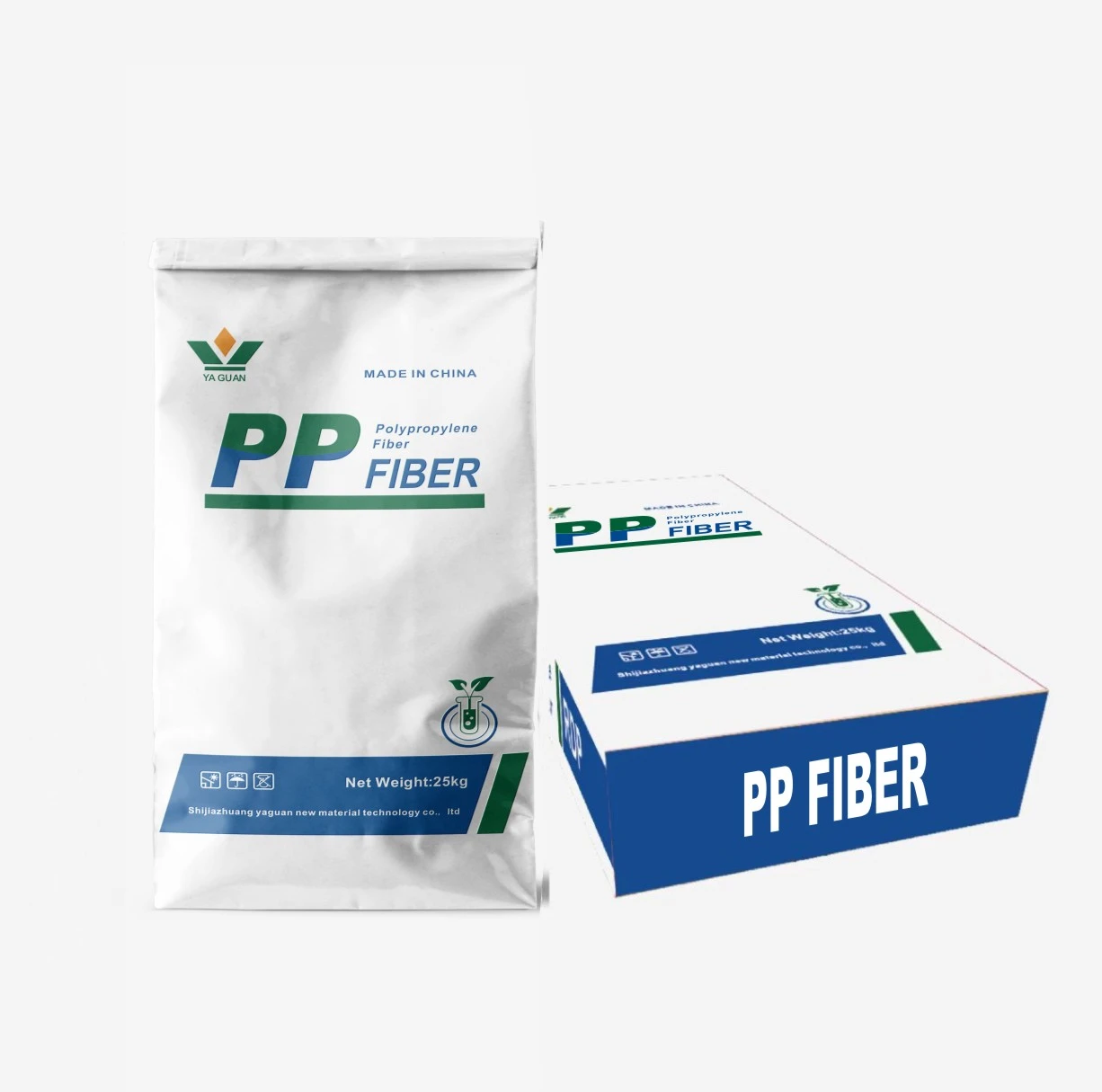
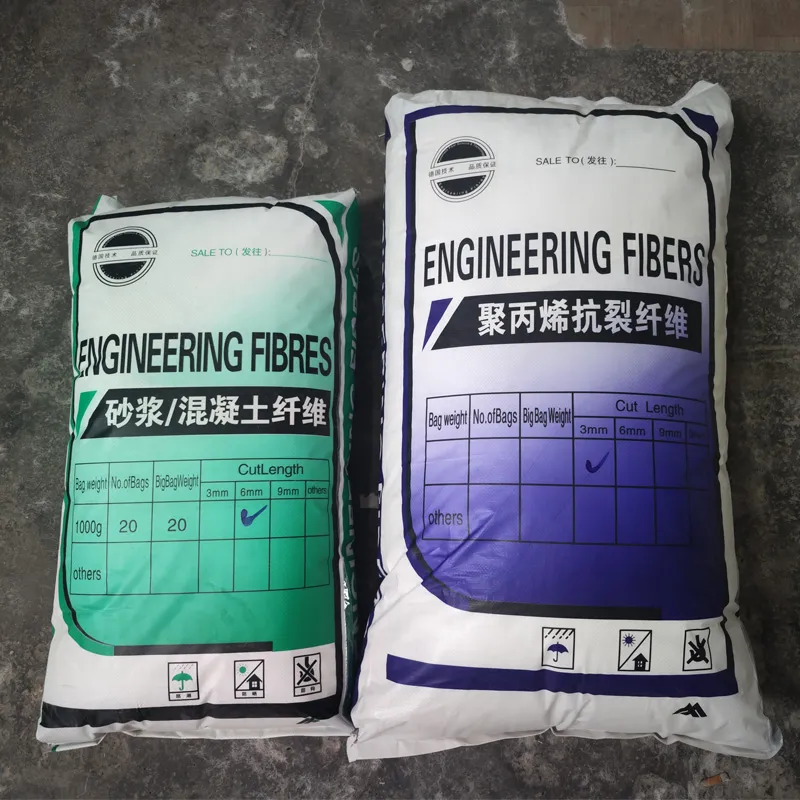
If you work with concrete or mortar, you’ve probably heard the term Polypropylene Fiber. I’ve been in enough jobsite trailers to know: crews want fewer cracks, better finish, and no drama with pumps. That’s exactly the niche these micro synthetic fibers fill—especially for plastic shrinkage control and spalling mitigation. The product from YAGUAN (Origin: Room 1320, Block C, Dongsheng Plaza, Chang'an District, Shijiazhuang, Hebei Province) has been making quiet waves in precast and municipal work, and I’ll explain why.
What it is (and why it’s trending)
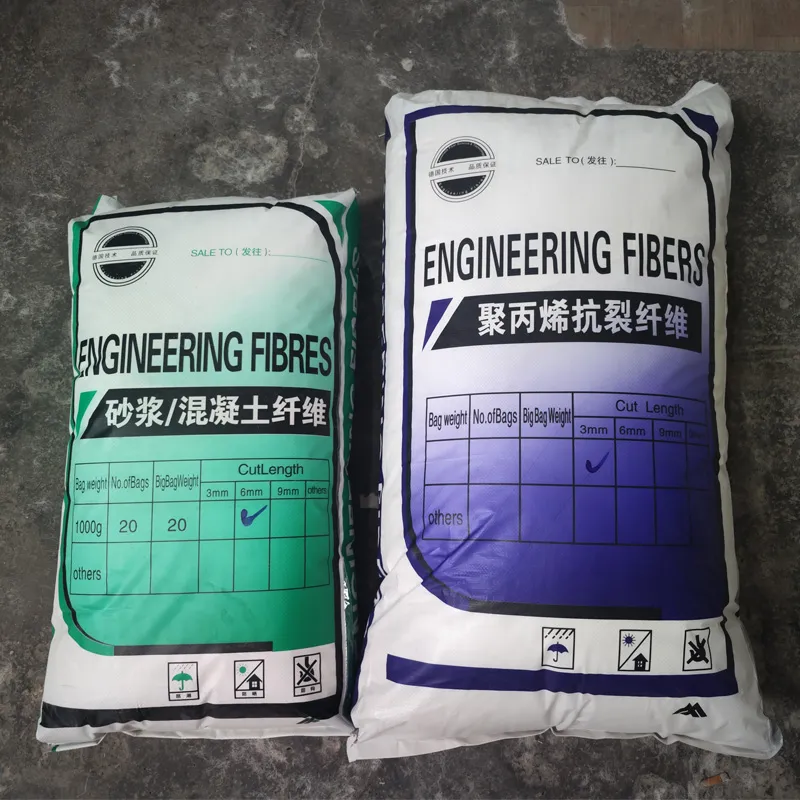
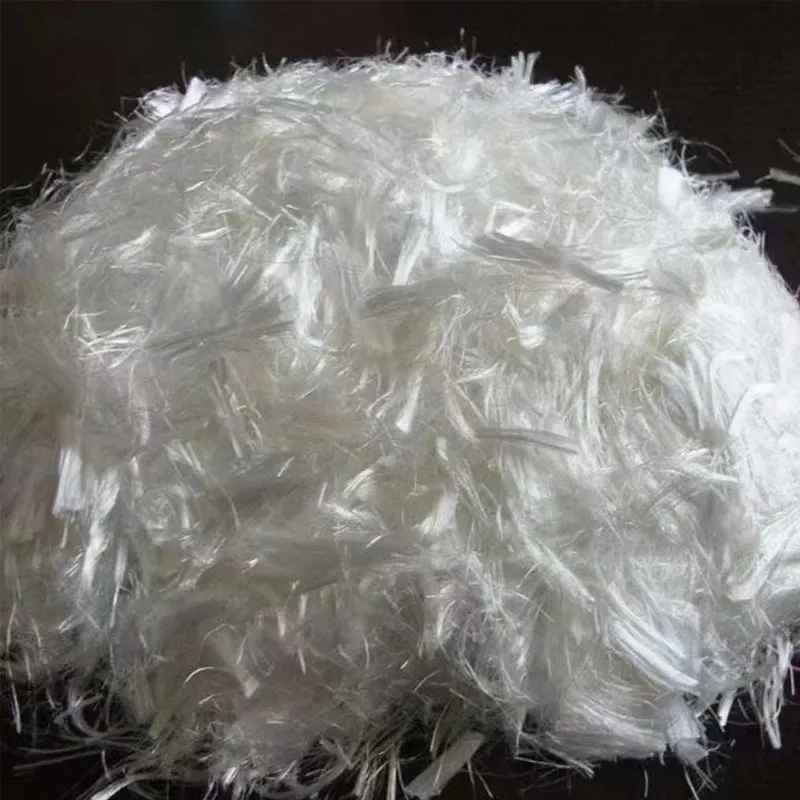
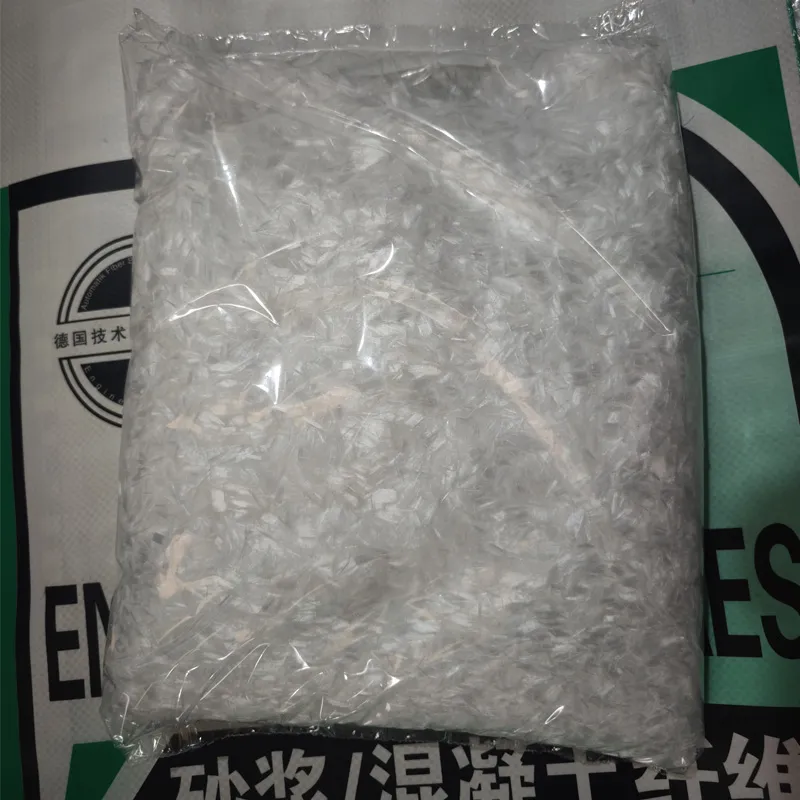
YAGUAN’s Polypropylene Fiber is a bundled monofilament—often called “anti-cracking” or PP microfiber—designed to control micro-cracks from plastic shrinkage. Industry-wide, there’s a steady pivot from welded wire fabric to microfibers for early-age crack control, and in tunnels or high-performance concrete, PP microfibers help limit explosive spalling by melting around 160–170°C to create vapor escape paths. Honestly, many contractors say it’s cheap insurance.
Typical specifications
| Fiber type | Bundled monofilament PP |
| Length options | 3–19 mm (custom up to ≈60 mm for macro use) |
| Diameter (dtex) | ≈1.5–3.5 dtex (real-world may vary) |
| Tensile strength | ≈350–650 MPa |
| Elastic modulus | ≈3–10 GPa |
| Density | ≈0.91 g/cm³ |
| Melting point | ≈160–170°C |
| Dosage (typ.) | 0.6–1.0 kg/m³ for plastic shrinkage control |
| Standards | ASTM C1116; EN 14889-2; ACI 544 guidance |
Process, testing, and service life
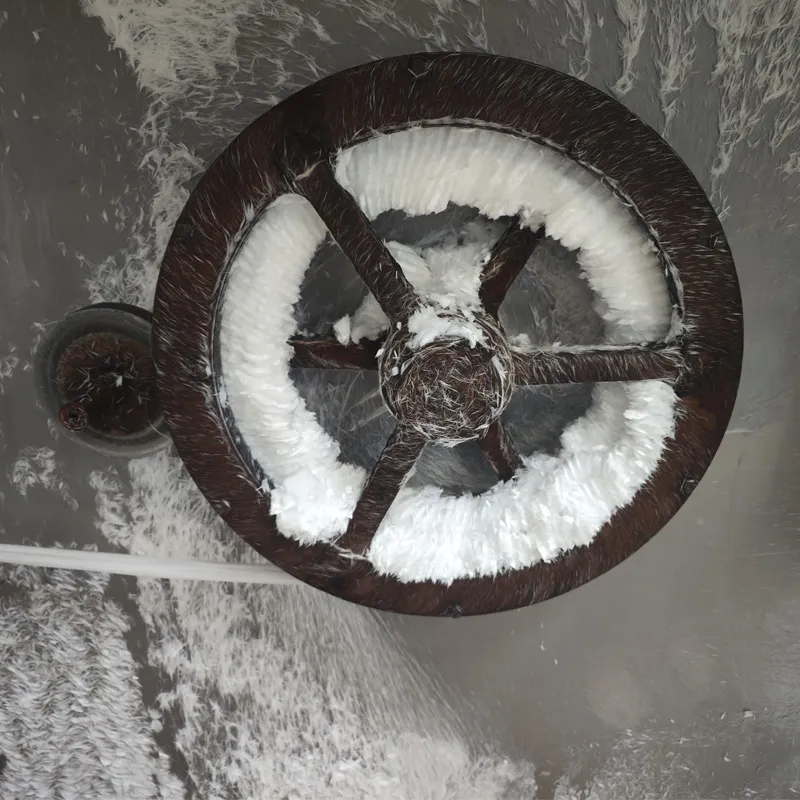
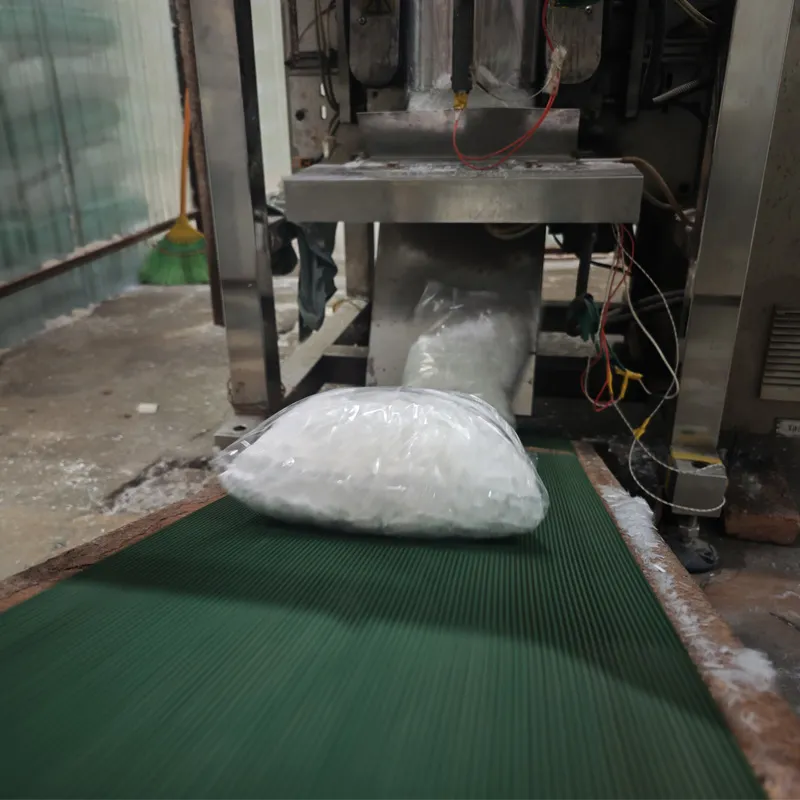
Process flow, in short: polypropylene resin → melt spinning → stretching → precision cutting → surface finishing/antistatic treatment → bagging and QC. QC typically includes single-fiber tensile checks (ASTM D3822), dimensional uniformity, and concrete performance per ASTM C1579 (plastic shrinkage). Service life? In non-UV environments (i.e., within concrete), Polypropylene Fiber is chemically inert and designed to last the life of the concrete element.
Example test data from jobs I’ve seen: crack area reduction in ASTM C1579 panels by 70–90%; negligible effect on compressive strength; modest improvements in impact resistance and surface integrity. Pumpability remains smooth if you don’t overdose—always follow your mix design.
Where it’s used
- Slabs-on-ground, screeds, toppings, overlays
- Precast elements and architectural panels
- Shotcrete (tunnels, mining) for spalling mitigation
- Mortars, renders, and repair systems
- Industrial floors and parking decks
Advantages I hear repeatedly: fewer early-age cracks, better edge durability, and peace of mind in hot/windy pours.
Vendor comparison (quick look)
| Vendor | Certifications | Customization | Notes |
|---|---|---|---|
| YAGUAN | ISO 9001; CE per EN 14889-2 (on request) | Length, dtex, packaging, color | Consistent bundles; quick lead times |
| Vendor A | ISO 9001 | Limited length range | Good for standard mixes |
| Vendor B | CE only | Pre-set SKUs | Availability varies |
Customization and practical tips
- Lengths: 6–12 mm are common; go shorter for fine renders, longer for slabs.
- Dosage: start at 0.9 kg/m³ for aggressive climates; adjust after mockups.
- Mixing: add Polypropylene Fiber last, disperse 3–5 minutes; avoid clumping.
- Pairing: works with SCMs, accelerators, and water reducers; check compatibility.
Mini case studies
Municipal sidewalks: A coastal city trialed Polypropylene Fiber at 0.9 kg/m³. Inspector feedback: visible plastic shrinkage cracks dropped dramatically, fewer callbacks after heatwaves.
Tunnel shotcrete: Using 1.2 kg/m³, crews reported better cohesion and, per post-fire drill, reduced spalling—aligning with what EN 14889-2 users often report.
Standards and references
Compliant projects typically reference ASTM C1116 for fiber-reinforced concrete, ACI 544 for design guidance, EN 14889-2 for polymer fibers, and ASTM C1579 for plastic shrinkage testing. Always validate with your spec and lab.
- ASTM C1116/C1116M – Standard Specification for Fiber-Reinforced Concrete
- EN 14889-2 – Fibres for concrete – Polymer fibres
- ACI 544.1R – Report on Fiber-Reinforced Concrete
- ASTM C1579 – Evaluating Plastic Shrinkage Cracking of Concrete