
Polypropylene Fiber: insider notes from the jobsite and the lab
I’ve watched the mix trucks queue in dawn light, crews chasing slump and finish times. And quietly doing the unglamorous work in many of those slabs and screeds? Polypropylene Fiber—the tiny, tough strands that head off plastic-shrinkage cracking before it ruins the day. To be honest, the turn in demand has been obvious: contractors want predictable crack control without the hassle of wire mesh, and they want it now.
What it is (and why it’s winning)
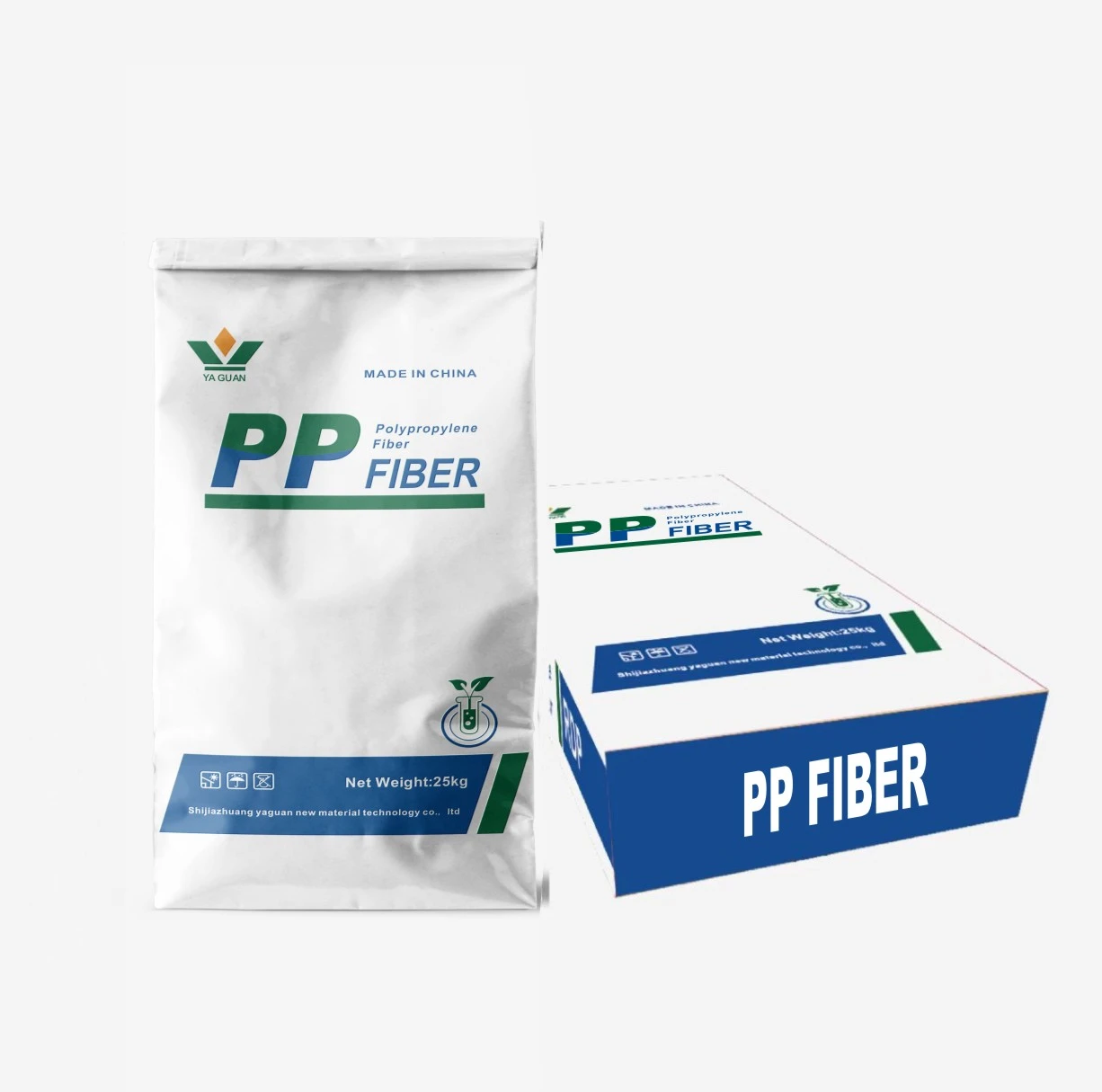
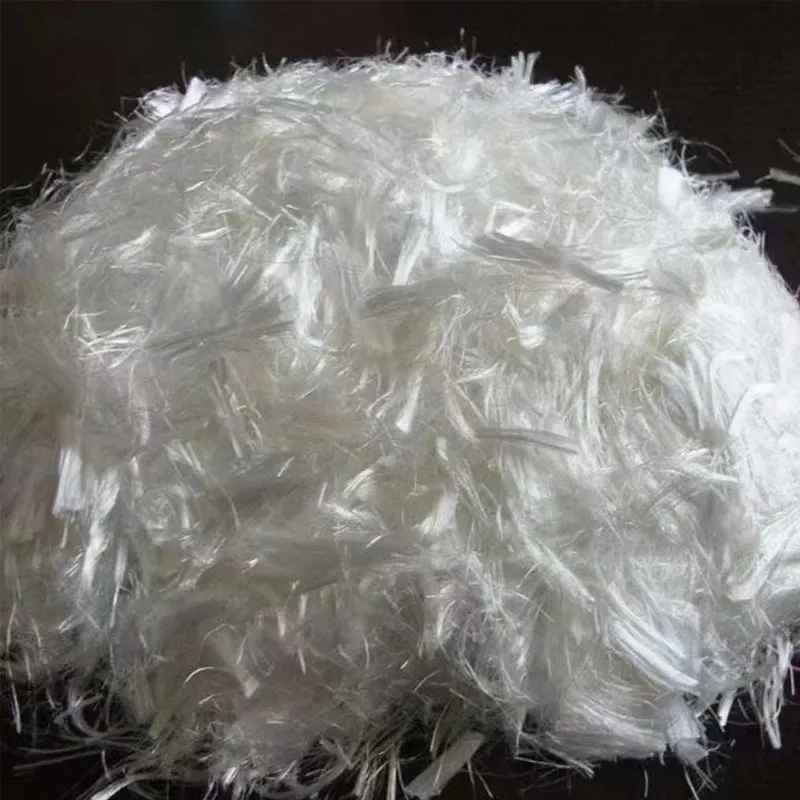
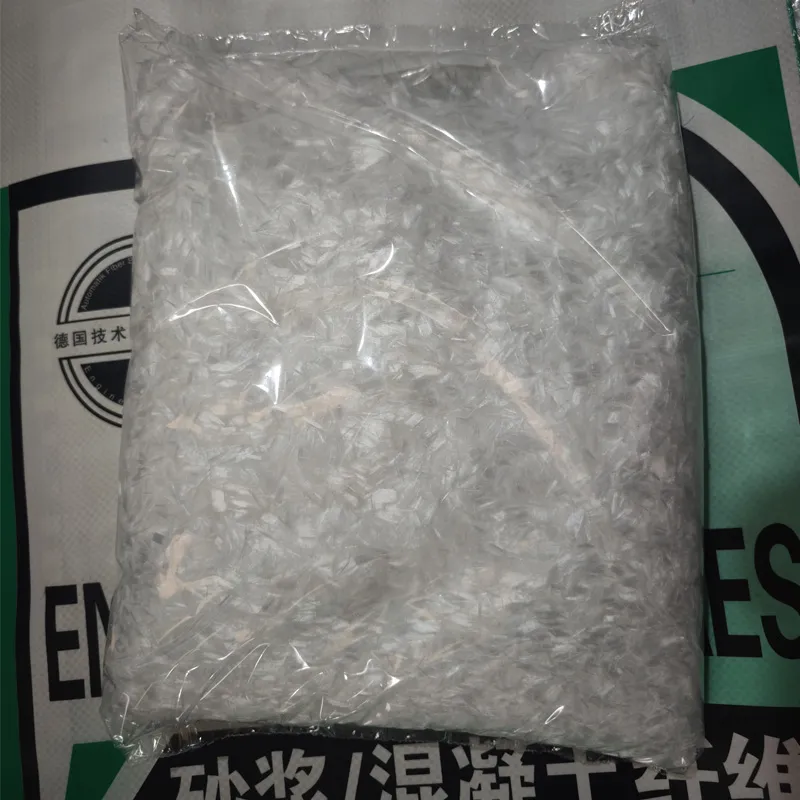
YAGUAN’s Polypropylene Fiber—also called anti-cracking PP microfibers—is a high-strength bundled monofilament designed for mortar and concrete. It disperses fast (no “hairballs,” as many customers say) and limits the micro-cracks driven by plastic shrinkage. In fact, on fresh slab pours, crews tell me finishability is unchanged when dosed smartly.
Typical specifications
| Property | Typical Value (≈, real-world use may vary) |
|---|---|
| Material | 100% virgin polypropylene |
| Form | Bundled monofilament microfibers |
| Length options | 6 / 12 / 19 mm (custom 3–54 mm) |
| Equivalent diameter | ≈ 18–40 μm |
| Tensile strength | ≥ 400–600 MPa |
| Elastic modulus | ≈ 3–5 GPa |
| Melting point / Density | 160–170°C / 0.91 g/cm³ |
| Recommended dosage | 0.6–1.5 kg/m³ (0.9 kg/m³ common) |
| Chemical resistance | Excellent vs. alkali, salts; non-corrosive |
Process, QA, and standards
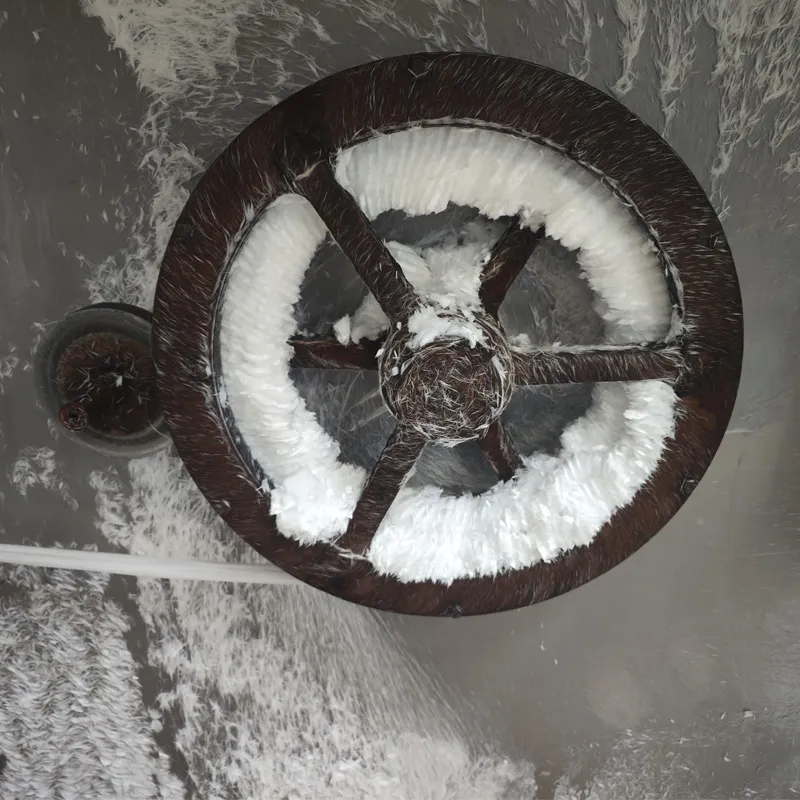
From virgin PP chips to finished Polypropylene Fiber, the flow is disciplined: melt-spinning → multi-stage drawing for strength → surface treatment for dispersion → precision cutting → bundling and water-soluble or PE bag packaging. QC checks include diameter/length tolerance, bundle dispersibility, alkali soak, and performance verification per ASTM/EN methods.
Standards and test alignment: ASTM C1116, ASTM C1579 (plastic-shrinkage cracking), EN 14889-2 (polymer fibres for concrete), EN 14845 methods, and ISO 9001:2015 for factory QA. Service life generally tracks the concrete design life; PP is hydrophobic and non-corrosive, so spalling risk stays low.
Where pros are using it
- Industrial floors and slabs-on-grade (mesh substitution for plastic-shrinkage control)
- Shotcrete tunnels and slope stabilization (lower rebound, safer than steel fibres)
- Screeds, mortars, plaster, renders (hairline crack reduction)
- Precast panels, pipes, blocks; overlays; topping mixes; 3D-printed mortar
Advantage snapshot: faster placement (no mesh), fewer early-age cracks, improved impact resistance, and no corrosion. In one lab set, 0.9 kg/m³ of Polypropylene Fiber cut ASTM C1579 crack area by ≈70–85% and pushed first-crack time noticeably later; slump change was near zero to minor (project-specific).
Vendor comparison (quick take)
| Vendor | Strengths | Notes |
|---|---|---|
| YAGUAN (Polypropylene Fiber) | Fast dispersion, stable tensile range, ISO 9001; packaging in 0.6–1.0 kg water-soluble bags | Lead time often 7–15 days; customization on length/surface |
| Vendor A (generic PP micro) | Competitive pricing, broad stock | May lack EN 14889-2 declaration or detailed test data |
| Vendor B (macro+micro line) | Portfolio breadth; project engineering | MOQ higher; pricing premium |
Customization and logistics
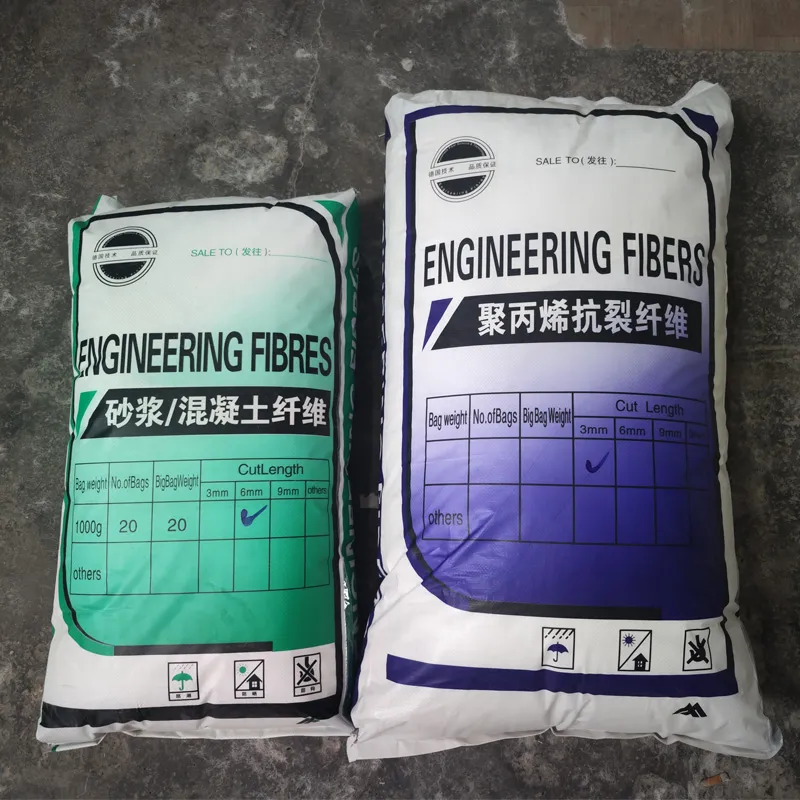
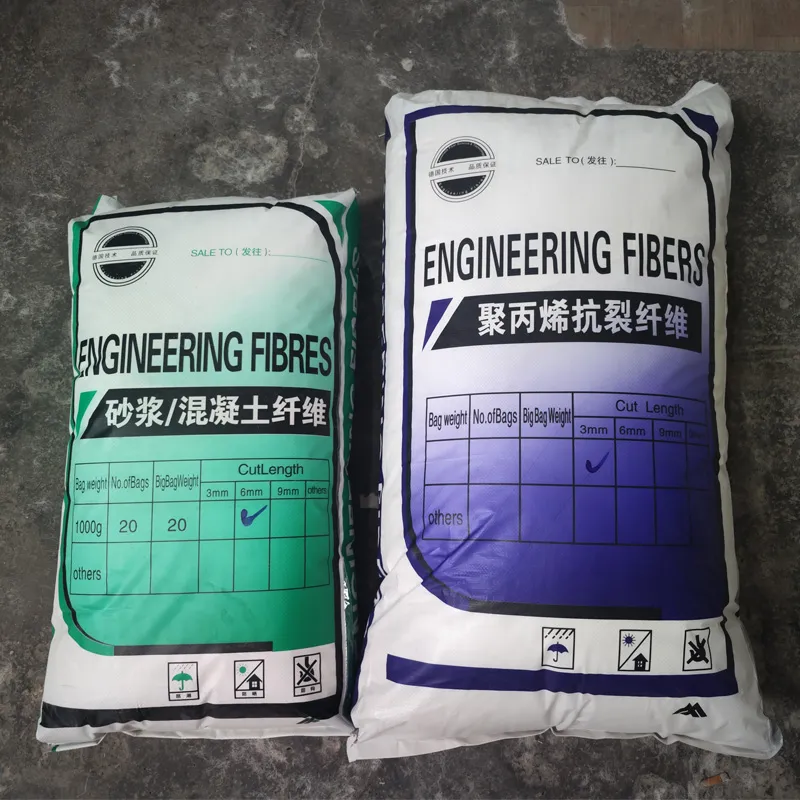
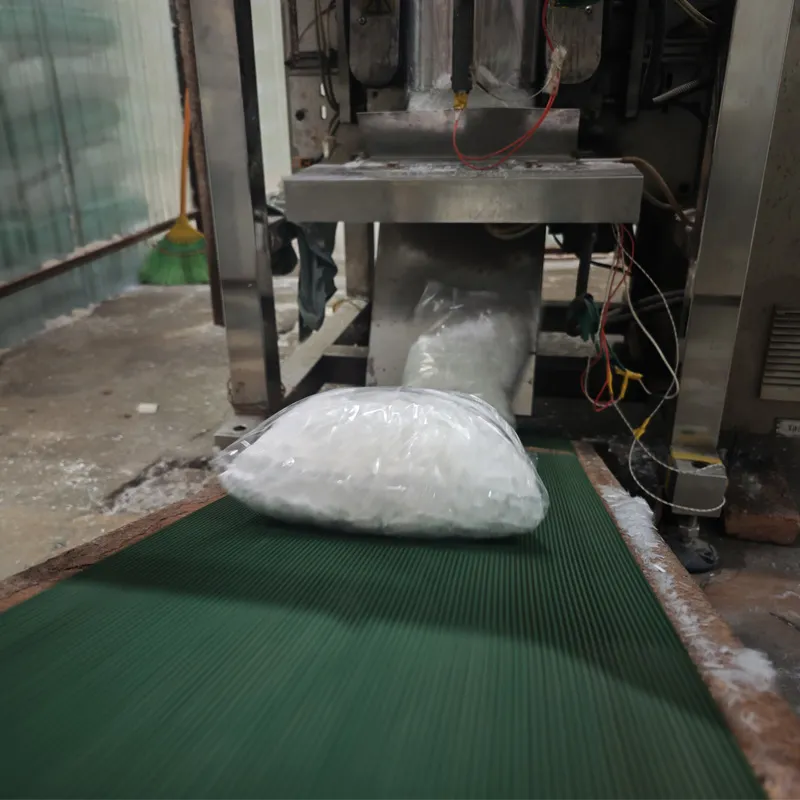
Lengths from 3–54 mm, bundle size and surface treatment (e.g., enhanced dispersion) are configurable. Private label available. Origin: Room 1320, Block C, Dongsheng Plaza, Chang'an District, Shijiazhuang, Hebei Province. Packaging: 0.6–1.0 kg soluble bags or 20–25 kg cartons, palletized.
Mini case: municipal pavement, North China
On a 12,000 m² pavement rehab, the contractor swapped welded wire for 0.9 kg/m³ of Polypropylene Fiber. Results after 28 days: visible plastic-shrinkage cracking dropped by ≈60–75%; finishing crew reported “no fuzz” and normal trowel feel; schedule shaved by ~15% due to simpler placement. Total installed cost decreased ≈4–6% compared with mesh, mostly labor.
Testing and certifications cited
- Product conformance: ASTM C1116; EN 14889-2 (polymer fibres)
- Crack control verification: ASTM C1579; restrained ring per ASTM C1581 (project-dependent)
- Factory QA: ISO 9001:2015; CE marking where applicable
Citations
- ASTM C1116/C1116M – Standard Specification for Fiber-Reinforced Concrete.
- EN 14889-2 – Fibres for concrete – Polymer fibres – Definitions, specifications and conformity.
- ASTM C1579 – Test Method for Evaluating Plastic Shrinkage Cracking of Restrained Fiber Reinforced Concrete.
- ASTM C1581 – Test Method for Age at Cracking and Induced Tensile Stress in Restrained Concrete Ring Specimens.
- ACI 544 Reports on Fiber-Reinforced Concrete (informational guidance and best practices).