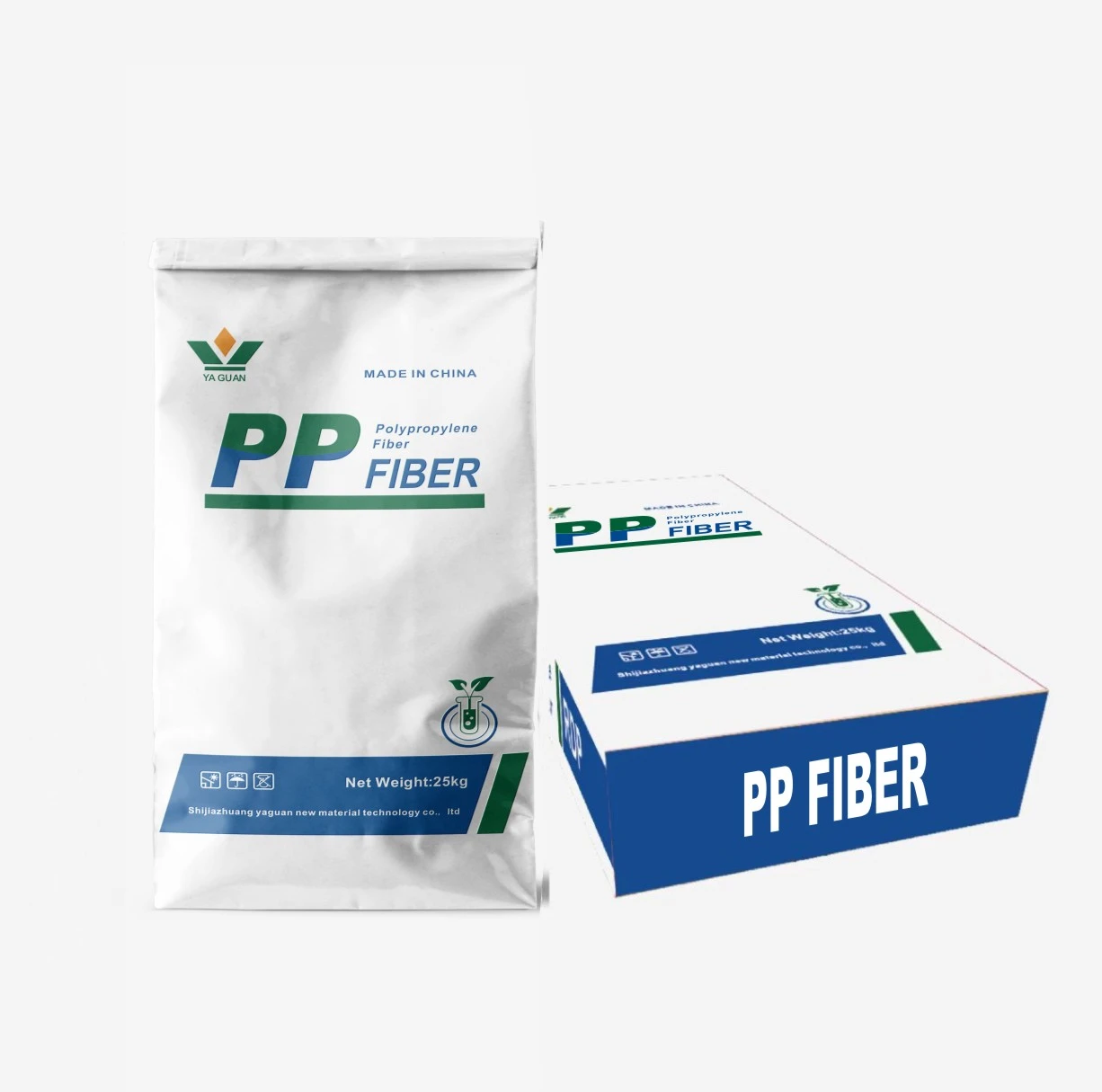

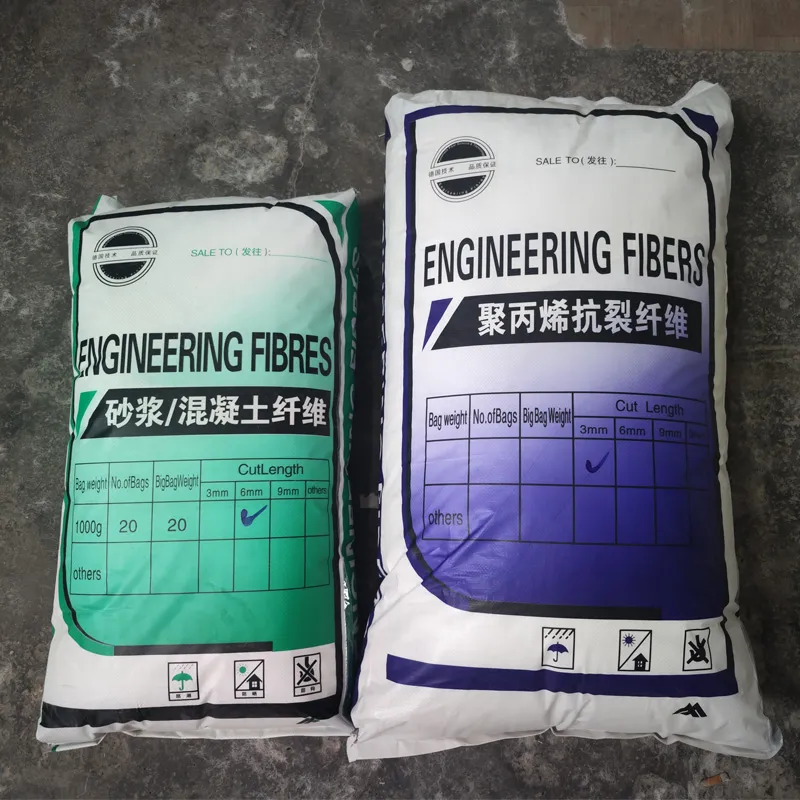
[Polypropylene Fiber] for Crack Control, Durability and Real-World Productivity
I’ve walked enough job sites to know: tiny cracks turn into big headaches. That’s why contractors keep coming back to Polypropylene Fiber. It’s a small line item with outsized impact—especially in early-age crack control for concrete and mortar. In fact, many customers say it’s the cheapest insurance they buy all year.
What’s Changing in the Industry
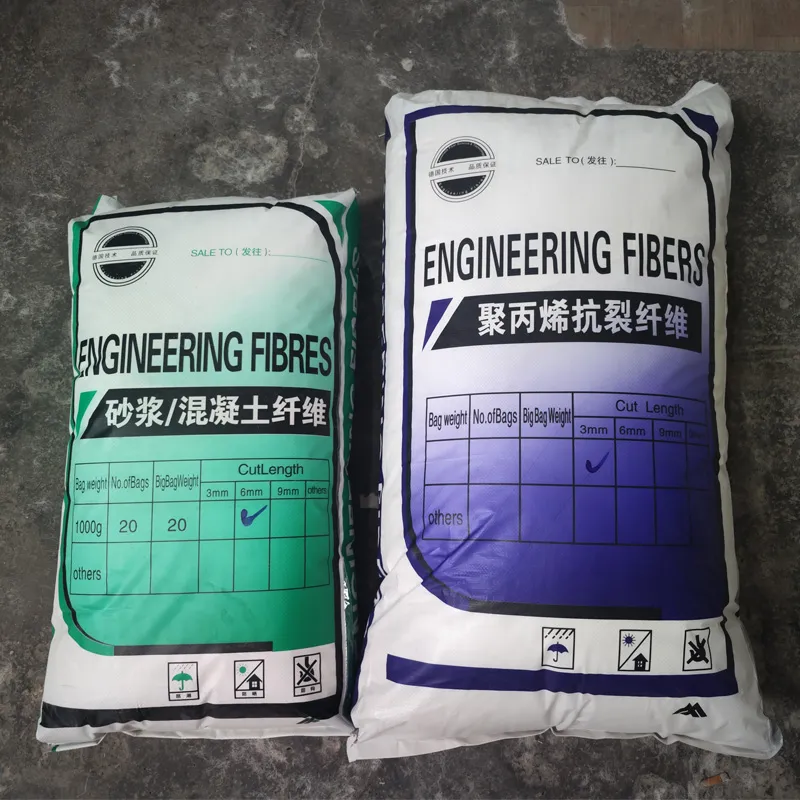
Trend-wise, we’re seeing: higher performance specs in public works; EN/ASTM-compliant fibers on submittals; and a shift from welded mesh to microfibers for plastic shrinkage control. Sustainability-wise, fibers help reduce crack-related rework—less waste, fewer callbacks. Honestly, it’s practical decarbonization.
How It’s Made (Process Flow)
- Polymer selection: isotactic PP resin with controlled MFI.
- Extrusion and spin–draw: monofilaments oriented for tensile strength.
- Surface finish: light texturing for dispersion and bond.
- Bundling and precision cutting: typical 3–19 mm cut lengths.
- Quality control: denier, length tolerance, tensile, alkali resistance, and dispersion tests.
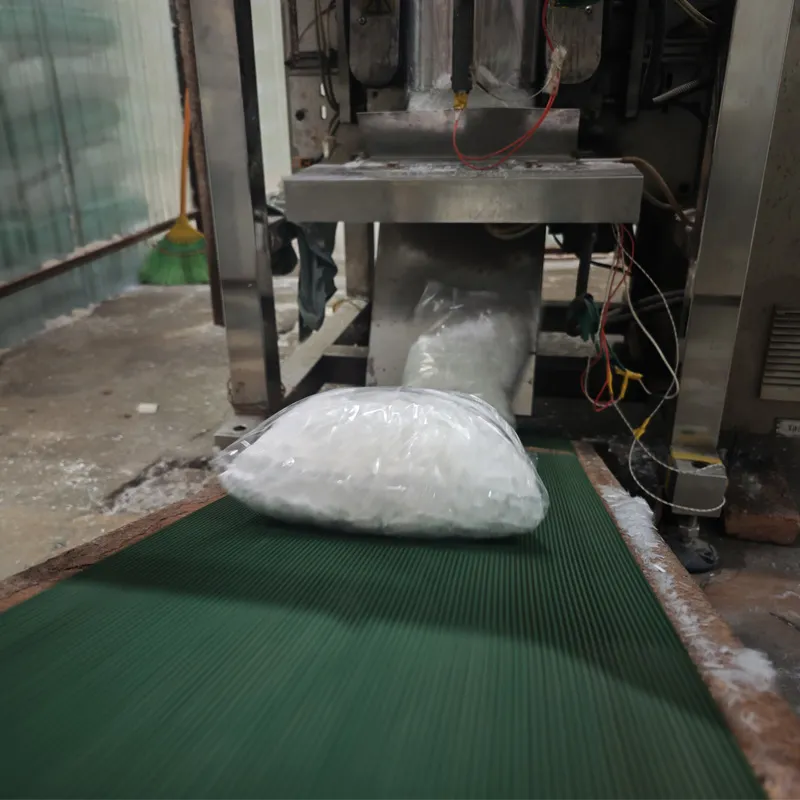
- Packing: water-dispersible bags for easy batching.
Typical Specifications
| Parameter | Nominal Value (≈) / Notes |
| Material | 100% polypropylene, alkali-stable |
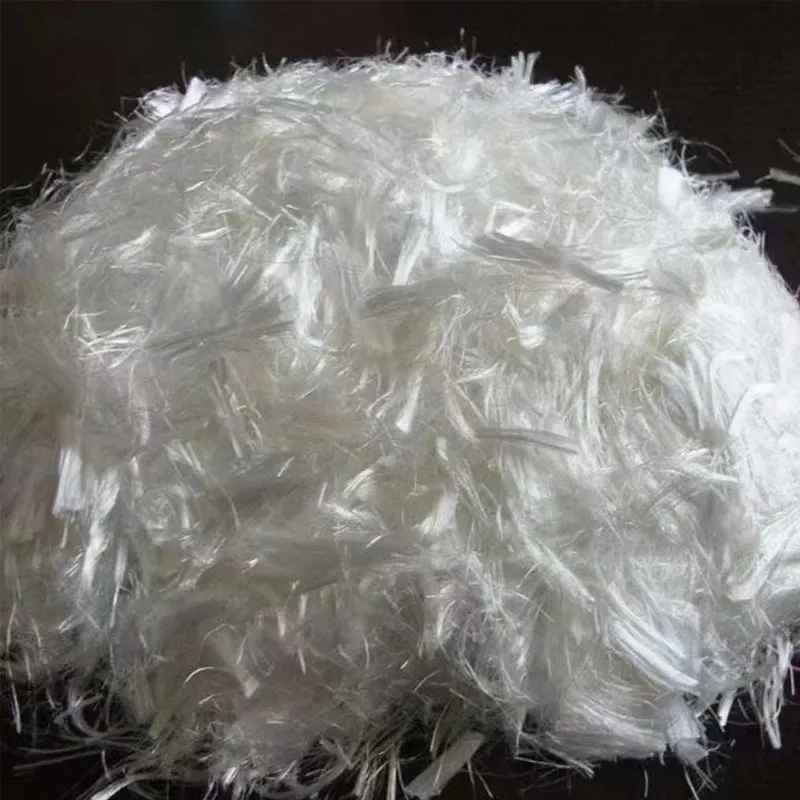
| Fiber type | Bundled monofilament microfibers |
| Cut length | 3, 6, 12, 19 mm (custom on request) |
| Diameter | ≈18–40 µm; aspect ratio 100–600 |
| Tensile strength | ≥400 MPa (real-world use may vary) |
| Elastic modulus | ≈3–5 GPa |
| Density | ≈0.91 g/cm³ (floats in water) |
| Melting point | ≈160–170°C |
| Dosage (guideline) | 0.6–1.0 kg/m³ mortar/concrete for plastic-shrinkage crack control |
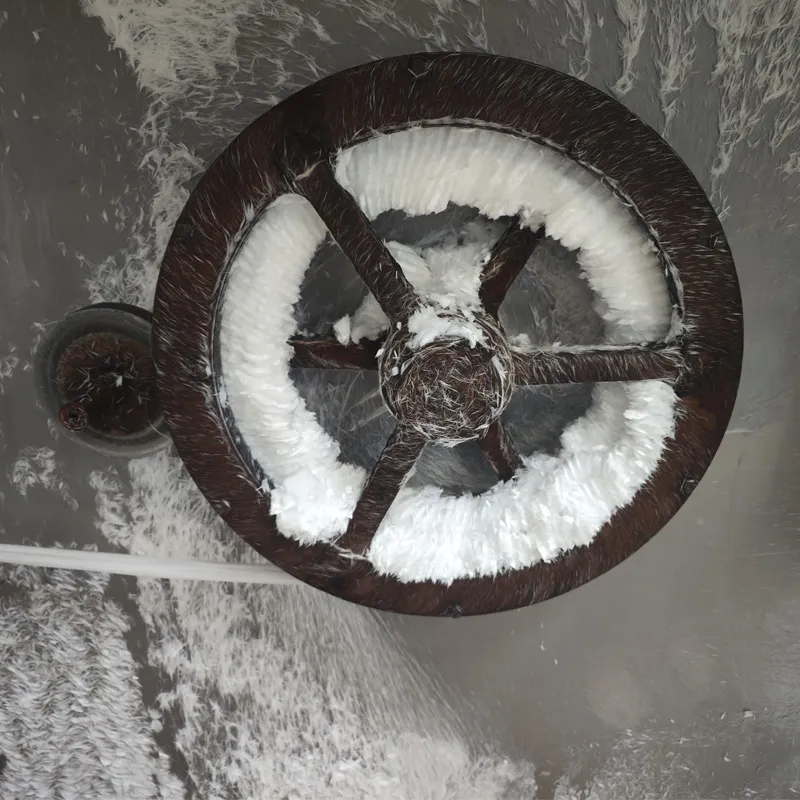
Testing standards often referenced: ASTM C1116, ASTM C1609 (flexural performance), ASTM C157 (shrinkage), EN 14889-2 (Class I microfibres). Service life? Embedded in concrete, Polypropylene Fiber is non-corrosive with a design life ≈ 50 years+
Where It Works Best
- Ready-mix slabs, industrial floors, toppings
- Precast panels, blocks, pipes (spalling resistance)
- Shotcrete linings and tunnel work (rebound reduction)
- Plaster/mortar for facades and renders
- Road overlays, UHPC pre-dosing with other fibers
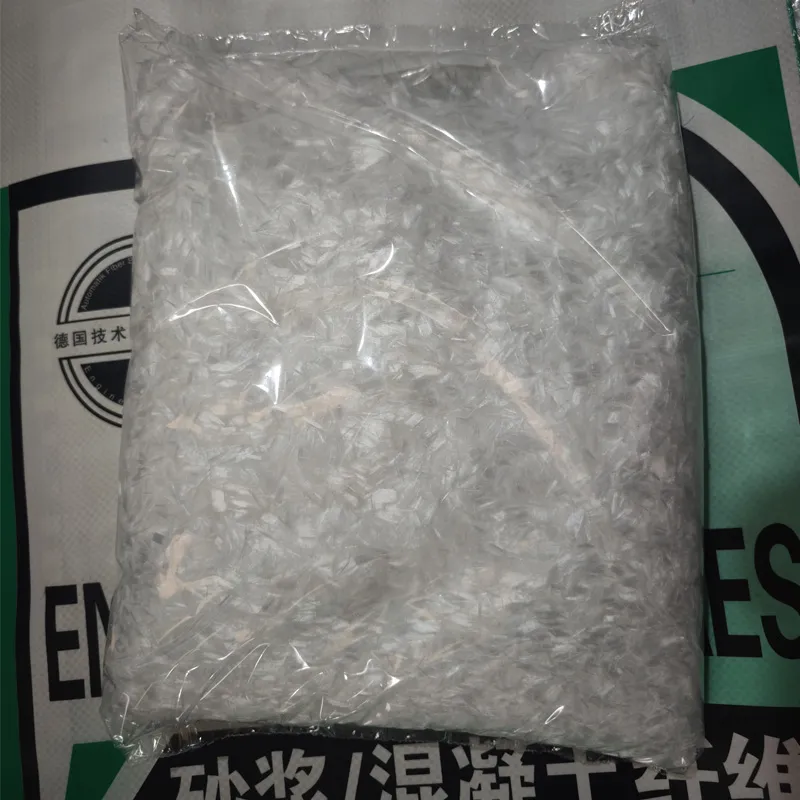
One contractor told me, “we don’t pour warehouse slabs without it anymore”—early crack maps just… didn’t show up like they used to.
Vendor Snapshot (Comparison)
| Vendor | Standards/Certs | Custom Length | Lead Time | Docs |
| YAGUAN (Origin: Room 1320, Block C, Dongsheng Plaza, Chang'an District, Shijiazhuang, Hebei Province) | ASTM C1116 / EN 14889-2 alignment; ISO 9001 | Yes (3–19 mm, others on request) | ≈7–15 days | CoA, MSDS, test reports |
| Vendor A | EN 14889-2 | Limited | ≈2–3 weeks | Basic CoC |
| Vendor B | ASTM C1116 | Yes | ≈10–20 days | CoA + SDS |
Customization & Submittals
Options include cut length, denier, bundled vs. loose, water-soluble packaging, and dosage guidance. Submittal packs typically contain: product data sheet, ASTM/EN conformity, internal QC data (e.g., tensile per ASTM D3822), and mix recommendations.
Case Study (Industrial Floor, APAC)
A 12,000 m² logistics floor used Polypropylene Fiber at 0.9 kg/m³ with a 30 MPa mix. According to the site QA notes, plastic shrinkage cracking was negligible versus a similar bay poured last year without fibers. Finishers also reported easier troweling than expected—surprisingly smooth, considering the dosage. It’s not magic, just sound engineering.
Practical Tips
- Batching: add fibers slowly into the mixer with part of the water; mix 3–5 minutes for dispersion.
- Use with air entrainers and superplasticizers is common; always trial mix.
- For structural post-crack capacity, pair with macro-synthetic or steel fibers per design.
Referenced Standards & Reading
- ASTM C1116/C1116M – Standard Specification for Fiber-Reinforced Concrete.
- EN 14889-2 – Fibres for concrete – Polymer fibres – Definitions, specifications, conformity.
- ASTM C1609/C1609M – Flexural Performance of Fiber-Reinforced Concrete.
- ACI 544.1R – Report on Fiber-Reinforced Concrete.