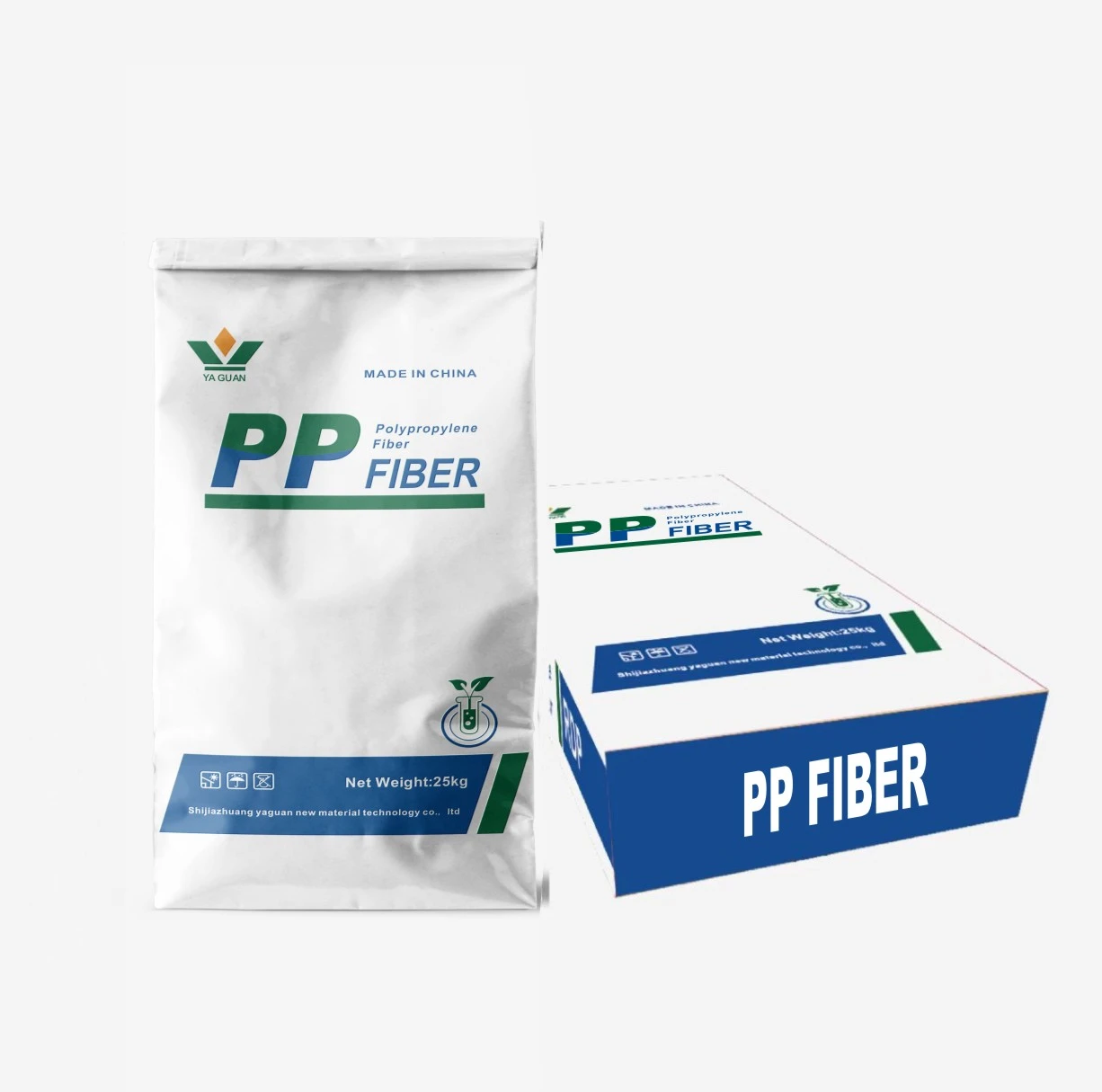

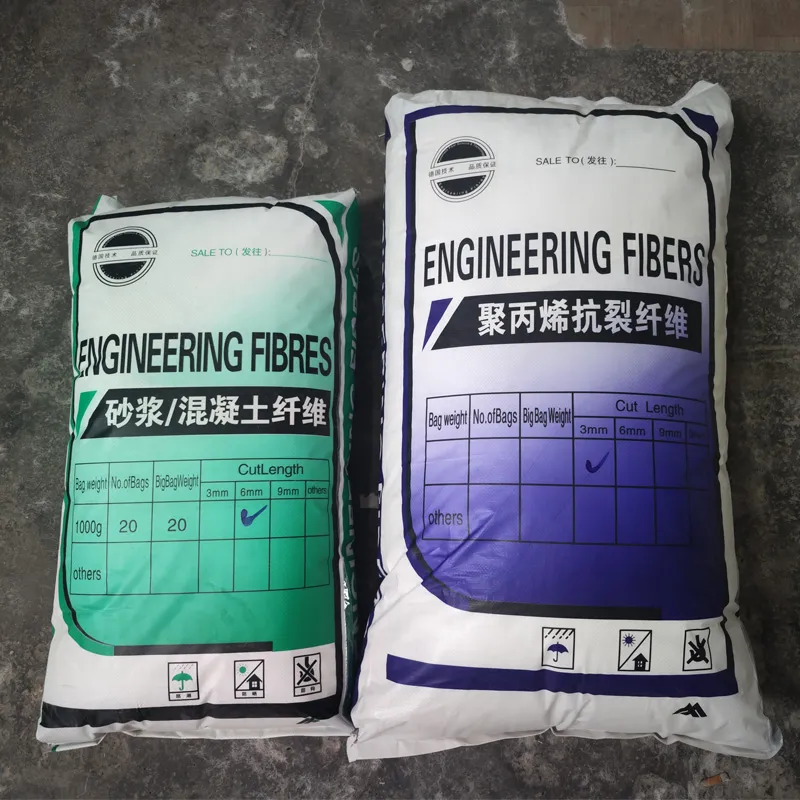
Introduction to Advanced Polypropylene Fiber Solutions
In the realm of advanced material engineering, Polypropylene Fiber stands as a cornerstone for enhancing the performance and durability of a vast array of industrial and construction materials. Known for its exceptional chemical resistance, high tensile strength-to-weight ratio, and hydrophobic properties, it plays a critical role in reinforcing concrete, asphalt, and various composite structures. This synthetic fiber, derived from polypropylene polymer, offers a cost-effective yet high-performance solution for demanding applications across diverse sectors.
The global market for synthetic fibers is experiencing sustained growth, driven by increasing demand from the construction, automotive, and textile industries. For Polypropylene Fiber, specific industry trends indicate a surge in its adoption for infrastructure projects where crack resistance, impact strength, and reduced permeability are paramount. Innovations in fiber geometry and surface treatments are continually expanding its utility, making it an indispensable component for engineers and material scientists seeking to push the boundaries of material performance. We observe a clear trajectory towards more specialized fiber solutions, tailored to address unique challenges in extreme environments and high-stress applications.
This article delves into the technical intricacies, manufacturing processes, diverse applications, and inherent advantages of modern Polypropylene Fiber, providing B2B decision-makers and technical professionals with comprehensive insights into its value proposition.
Manufacturing Process Flow of Polypropylene Fiber
The production of high-quality Polypropylene Fiber involves a meticulously controlled multi-stage process, ensuring consistent properties and optimal performance. This process begins with the selection of high-purity polypropylene resin pellets, which serve as the fundamental raw material. The precise control over each step is crucial for achieving the desired fiber characteristics, such as denier, length, and surface morphology.
- Raw Material Preparation: High-grade polypropylene polymer pellets are loaded into an extruder. These pellets often undergo a drying process to remove any moisture that could impact fiber quality.
- Melt Extrusion (Spinning): The pellets are melted at a controlled temperature (typically 200-280°C) and then extruded through a spinneret, which is a die containing numerous small holes. This forms continuous filaments (multi-filament spinning) or single monofilaments. The design of the spinneret determines the initial cross-sectional shape of the fiber.
- Cooling and Solidification: The extruded filaments are rapidly cooled, often in a quenching air chamber, to solidify them. The cooling rate affects the crystallization and orientation of the polymer chains within the fiber.
- Drawing (Stretching): The solidified fibers are then subjected to a drawing process, where they are stretched over heated rollers at high speeds. This stretching aligns the polymer molecules along the fiber axis, significantly increasing tensile strength, modulus, and reducing elongation. The draw ratio is a critical parameter.
- Crimping (Optional): For specific applications, fibers may be crimped to impart bulk, softness, and improved interlocking properties, particularly in textile or non-woven applications.
- Cutting and Finishing: The continuous filaments are cut into precise lengths, ranging from a few millimeters to several centimeters, depending on the end-use. Surface treatments or sizing agents may be applied to enhance dispersion in matrices like concrete or to improve adhesion.
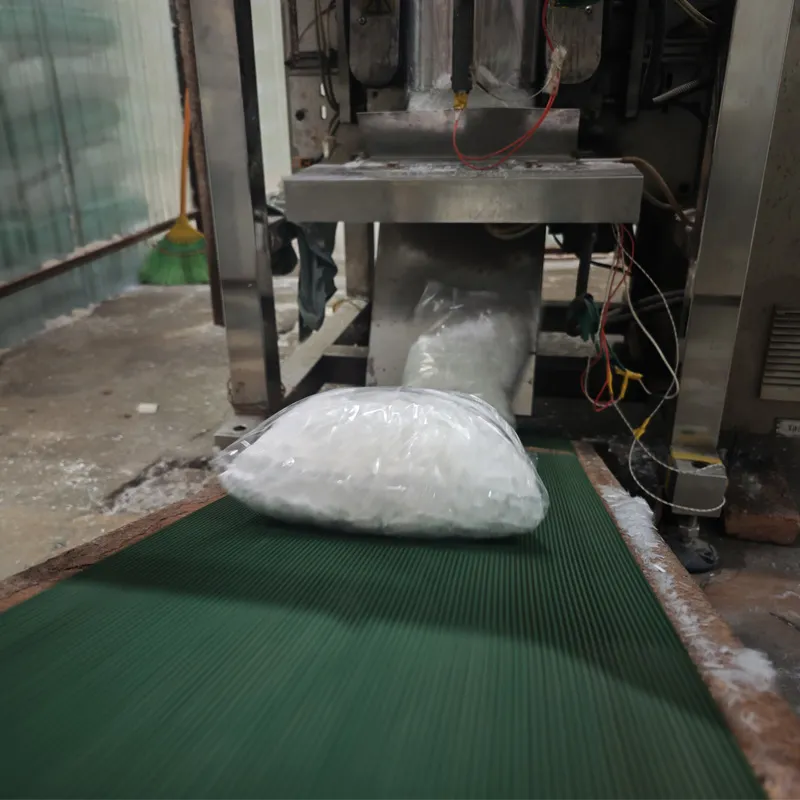
- Quality Control and Packaging: Throughout the process, rigorous testing standards, often conforming to ISO 9001 and industry-specific tensile strength (e.g., ASTM D3822), elongation, and denier standards, ensure product consistency. Fibers are then packaged for distribution to target industries such as construction, petrochemical, metallurgy, and water supply & drainage.
The meticulous adherence to these stages ensures the resulting Polypropylene Fiber exhibits superior properties for a service life spanning decades in its intended applications. For instance, in concrete reinforcement, its inherent corrosion resistance significantly outperforms steel fibers in environments exposed to moisture and chemicals, thereby contributing to long-term structural integrity and energy saving through extended material lifecycles.
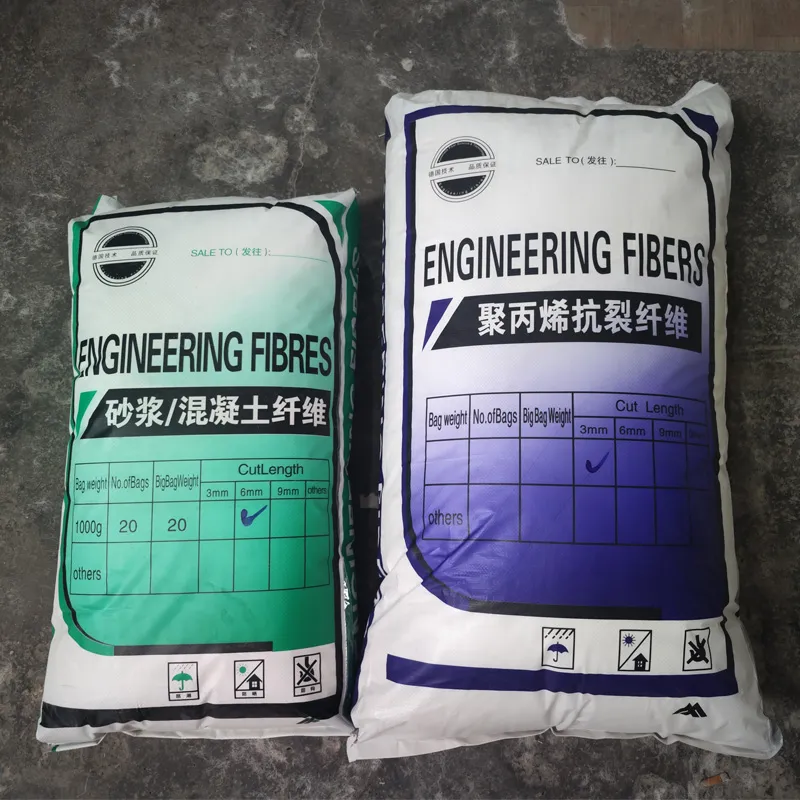
Technical Specifications and Parameters
Understanding the precise technical specifications of Polypropylene Fiber is paramount for engineers and procurement specialists to ensure optimal material selection for specific project requirements. These parameters directly influence the fiber's interaction with the matrix material and its overall performance in the intended application.
Key Physical and Chemical Properties:
- Tensile Strength: Typically ranging from 300 to 700 MPa, critical for crack resistance.
- Modulus of Elasticity: 3.5 to 8.0 GPa, indicating its stiffness.
- Elongation at Break: 15-30%, providing ductility.
- Specific Gravity: 0.90-0.91 g/cm³, making it one of the lightest commercial fibers.
- Melting Point: Approximately 160-170°C.
- Chemical Resistance: Excellent resistance to acids, alkalis, and many organic solvents.
- Water Absorption: Essentially zero, ensuring dimensional stability and freeze-thaw durability.
Typical Product Specification Table:
| Property | Value/Range | Test Standard |
|---|---|---|
| Fiber Type | Monofilament/Fibrillated | Internal Classification |
| Material | 100% Virgin Polypropylene | ASTM D36 |
| Length | 3mm, 6mm, 12mm, 19mm (customizable) | ASTM D5100 |
| Equivalent Diameter | 20-40 microns | Microscopic Analysis |
| Tenacity | ≥ 450 MPa | ASTM D3822 |
| Melting Point | 160-170°C | ISO 3146 |
| Acid/Alkali Resistance | Excellent | ASTM D543 |
| Ignition Point | 360°C | Internal Method |
These specifications underline the robust engineering properties of Polypropylene Fiber, making it suitable for applications requiring high performance under various environmental and mechanical stresses. The precise control over parameters like fiber length and diameter allows for tailored solutions that optimize dispersion and reinforcement efficiency in diverse matrices.
Key Technical Advantages of Polypropylene Fiber
The inherent material properties of Polypropylene Fiber translate into a host of significant technical advantages that make it a preferred choice over traditional reinforcement materials in numerous demanding B2B applications. These advantages contribute directly to enhanced product longevity, reduced maintenance, and improved operational efficiency.
- Superior Crack Control and Impact Resistance: By forming a multi-dimensional network within concrete or mortar, polypropylene fibers effectively limit the propagation of micro-cracks caused by plastic shrinkage, thermal expansion, or impact loads. This leads to significantly improved toughness and ductility, critical for durable infrastructure.
- Enhanced Freeze-Thaw Durability: With virtually zero water absorption, polypropylene fibers prevent internal ice formation and the associated expansive pressures, thereby protecting the matrix from freeze-thaw damage in cold climates. This translates to extended service life and reduced repair costs.
- Excellent Chemical Resistance: Unlike steel, polypropylene is highly resistant to acids, alkalis, salts, and many industrial chemicals. This makes it indispensable in aggressive environments such as wastewater treatment plants, chemical storage facilities, and coastal structures, ensuring long-term corrosion resistance without degradation.
- Reduced Permeability: The presence of fibers in a cementitious matrix helps to reduce capillary action and micro-pore connectivity, leading to lower permeability. This is vital for protecting reinforcing steel from corrosive agents and for creating water-resistant barriers in structures like tunnels and basements.
- Lightweight and Easy to Handle: With a specific gravity less than water, polypropylene fibers are lightweight, facilitating easier transport, handling, and uniform dispersion during mixing processes. This contributes to operational efficiency and energy saving in construction logistics.
- Non-Corrosive and Non-Magnetic: The inert nature of polypropylene eliminates concerns about rust stains or magnetic interference, making it suitable for applications where electromagnetic neutrality is required, such as in specialized medical facilities or sensitive instrumentation areas.
These collective advantages position Polypropylene Fiber as a superior choice for projects demanding high-performance, long-lasting material solutions, particularly where conventional reinforcement methods face limitations due to environmental exposure or specific structural requirements.
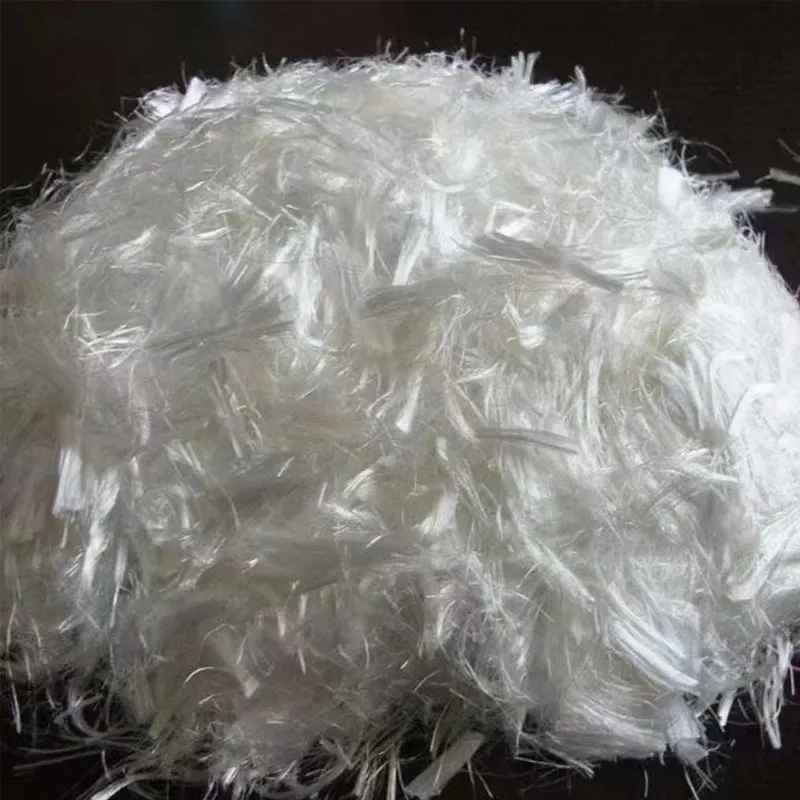
Application Scenarios and Case Studies
The versatility and robust performance characteristics of Polypropylene Fiber enable its widespread application across a multitude of industries. Its ability to enhance material properties has led to significant advancements in construction, infrastructure, and specialized industrial sectors.
Typical Application Scenarios:
- Concrete Reinforcement: Used in slabs-on-ground, precast elements, shotcrete, and thin overlays to control plastic shrinkage cracking and improve impact/abrasion resistance. Essential in industrial flooring, airport pavements, and bridge decks.
- Asphalt Pavements: Stabilizes asphalt mixes, reducing rutting, fatigue cracking, and improving resistance to thermal cracking in roads, highways, and parking lots.
- Mining and Tunneling: Incorporated into shotcrete applications for ground support, enhancing ductility and post-crack residual strength, crucial for worker safety and structural integrity.
- Water Supply & Drainage Systems: Employed in pipes, manholes, and containment structures where corrosion resistance and crack control are critical for long-term operational efficiency and prevention of leaks.
- Precast Concrete Products: Improves the durability and handling strength of elements like septic tanks, utility vaults, and wall panels, reducing damage during transportation and installation.
- Industrial Mortars and Renders: Enhances the cohesive properties, reduces cracking, and improves the workability and durability of specialized mortars for repairs and protective coatings.
Illustrative Case Studies:
Case Study 1: Large-Scale Industrial Flooring
A major logistics hub required 100,000 m² of high-performance industrial flooring capable of withstanding heavy forklift traffic and dynamic loading. Traditional steel mesh reinforcement presented challenges with installation time and cost, as well as susceptibility to corrosion in areas exposed to occasional moisture. By incorporating 6mm monofilament Polypropylene Fiber at a dosage of 0.9 kg/m³, the project achieved superior plastic shrinkage crack control, improved impact resistance, and a significantly faster pour rate. Post-construction evaluations revealed minimal surface cracking and exceptional wear resistance, contributing to lower maintenance costs over its projected 20-year service life. Customer feedback highlighted the ease of use and the consistent quality of the concrete surface.
Case Study 2: Wastewater Treatment Facility Tanks
For a series of primary and secondary clarification tanks in an urban wastewater treatment plant, the challenge was to ensure long-term structural integrity against aggressive chemical environments and hydrostatic pressures. Here, 12mm fibrillated Polypropylene Fiber was specified for the concrete mix. Its inherent chemical inertness provided unparalleled resistance to sulfates and other corrosive agents prevalent in wastewater. The fibers mitigated drying shrinkage cracking, preventing potential pathways for chemical ingress and ensuring the impermeability of the tank walls. This strategic material choice resulted in a robust, leak-free solution with a significantly extended design life compared to conventional steel-reinforced concrete in such conditions.
Vendor Comparison and Customized Solutions
Selecting the right supplier for Polypropylene Fiber is as crucial as understanding the fiber's technical merits. A comprehensive vendor evaluation should consider not only product specifications but also manufacturing consistency, logistical capabilities, technical support, and the ability to provide tailored solutions for unique project demands.
Key Factors in Vendor Comparison:
- Product Quality & Consistency: Verify adherence to international standards (e.g., ISO, ASTM, CE) and consistent batch-to-batch quality. Look for documented quality control procedures.
- Technical Expertise & Support: Assess the vendor's ability to provide detailed technical data, application guidance, and troubleshoot site-specific challenges.
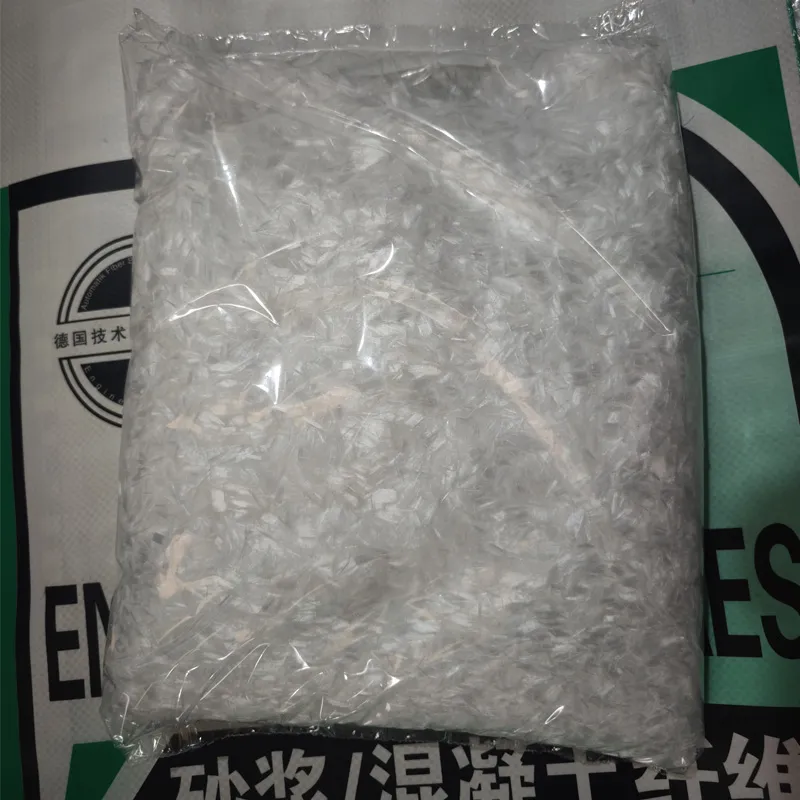
- Customization Capabilities: A leading vendor should offer options for varying fiber lengths, deniers, surface treatments (e.g., specific coatings for enhanced bond), and packaging to meet bespoke project requirements.
- Supply Chain Reliability: Evaluate lead times, logistics, and inventory management to ensure timely delivery, especially for large-scale or time-sensitive projects.
- Cost-Effectiveness & Value Proposition: Beyond unit price, consider the overall value, including performance benefits, reduced labor costs, and extended service life.
- Certifications & Authoritative References: Look for company certifications (e.g., ISO 14001, OHSAS 18001), years of industry service, and partnerships with reputable clients.
Tailored Solutions for Specific Project Needs:
Recognizing that no two projects are identical, we specialize in developing customized Polypropylene Fiber solutions. This includes:
- Optimized Fiber Lengths: From ultra-short fibers (e.g., 3mm for renders) to longer variants (e.g., 19mm for heavy-duty concrete), ensuring optimal dispersion and performance in diverse matrices.
- Variable Denier (Fiber Fineness): Adjusting fiber thickness to balance strength, flexibility, and surface area for specific crack control or aesthetic requirements.
- Specialized Surface Treatments: Applying proprietary coatings to enhance bonding with specific cementitious systems or to improve dispersion in challenging mixes.
- Custom Packaging: Offering bulk bags, dissolvable bags, or specific weight configurations to streamline on-site handling and dosage control.
Commitment to Trust and Authority
Establishing trust and demonstrating authority are paramount in the B2B sector. Our commitment to excellence in Polypropylene Fiber solutions is underpinned by stringent quality assurance, transparent operational practices, and robust customer support.
Quality Assurance & Certifications:
- All our Polypropylene Fiber products are manufactured under strict ISO 9001:2015 certified quality management systems, ensuring consistent product specifications and performance.
- Our fibers meet relevant industry standards such as ASTM C1116 for fiber-reinforced concrete and shotcrete, as well as CE marking for European market compliance, validating our product's suitability for critical applications.
- We leverage advanced laboratory testing, including SEM analysis for fiber morphology, tensile testing, and dispersion analysis, to guarantee that every batch meets or exceeds published data sheets.
Frequently Asked Questions (FAQ):
- Q: What is the optimal dosage rate for Polypropylene Fiber in concrete?
- A: Dosage rates vary based on application and desired performance, typically ranging from 0.6 kg/m³ to 1.8 kg/m³ for concrete. Our technical team can provide precise recommendations for your specific project.
- Q: Does Polypropylene Fiber affect concrete workability?
- A: When properly dispersed, our fibers have a minimal impact on concrete workability. Higher dosages may require minor adjustments to superplasticizer content, which our technical support can advise on.
- Q: Can Polypropylene Fiber replace steel reinforcement?
- A: For controlling plastic shrinkage and thermal cracking, and improving impact resistance, Polypropylene Fiber is highly effective and can often replace secondary steel reinforcement (e.g., mesh). However, it does not typically replace structural steel reinforcement for primary load-bearing applications. Consult with our engineers for specific design recommendations.
Lead Time, Fulfillment & Warranty:
- Lead Time: Standard orders typically ship within 5-7 business days, with expedited options available for urgent requirements. Customized orders may require additional production time, details of which are provided at the quotation stage.
- Fulfillment: We maintain a robust inventory and efficient logistics network to ensure reliable and on-time delivery globally, supported by strategic warehousing.
- Warranty: All our products are backed by a comprehensive warranty against manufacturing defects and adherence to published specifications, ensuring peace of mind for our clients. Specific warranty details are available upon request.
Dedicated Customer Support:
Our expert technical support team is available to assist with product selection, application guidance, dosage recommendations, and any post-sales inquiries. We believe in fostering long-term partnerships through continuous support and problem-solving expertise.
Conclusion
Polypropylene Fiber represents a pivotal advancement in materials engineering, offering unparalleled benefits in enhancing the durability, strength, and longevity of various construction and industrial applications. From mitigating plastic shrinkage cracks in concrete to providing superior chemical and freeze-thaw resistance, its technical advantages are profound and directly contribute to more resilient and sustainable infrastructure. As industries continue to seek high-performance, cost-effective, and environmentally conscious solutions, the role of advanced synthetic fibers like polypropylene will only expand. Our commitment to quality, innovation, and client-centric solutions ensures that partners receive not just a product, but a strategic advantage in their material specifications.
Authoritative References:
- American Concrete Institute (ACI) Committee 544. "State-of-the-Art Report on Fiber-Reinforced Concrete." ACI 544.1R-96.
- Mindess, S., Young, J.F., and Darwin, D. "Concrete." 2nd ed., Prentice Hall, 2003.
- Bentur, A., and Mindess, S. "Fiber Reinforced Cementitious Composites." 2nd ed., CRC Press, 2006.
- International Organization for Standardization (ISO) Standards for Plastics and Textiles.