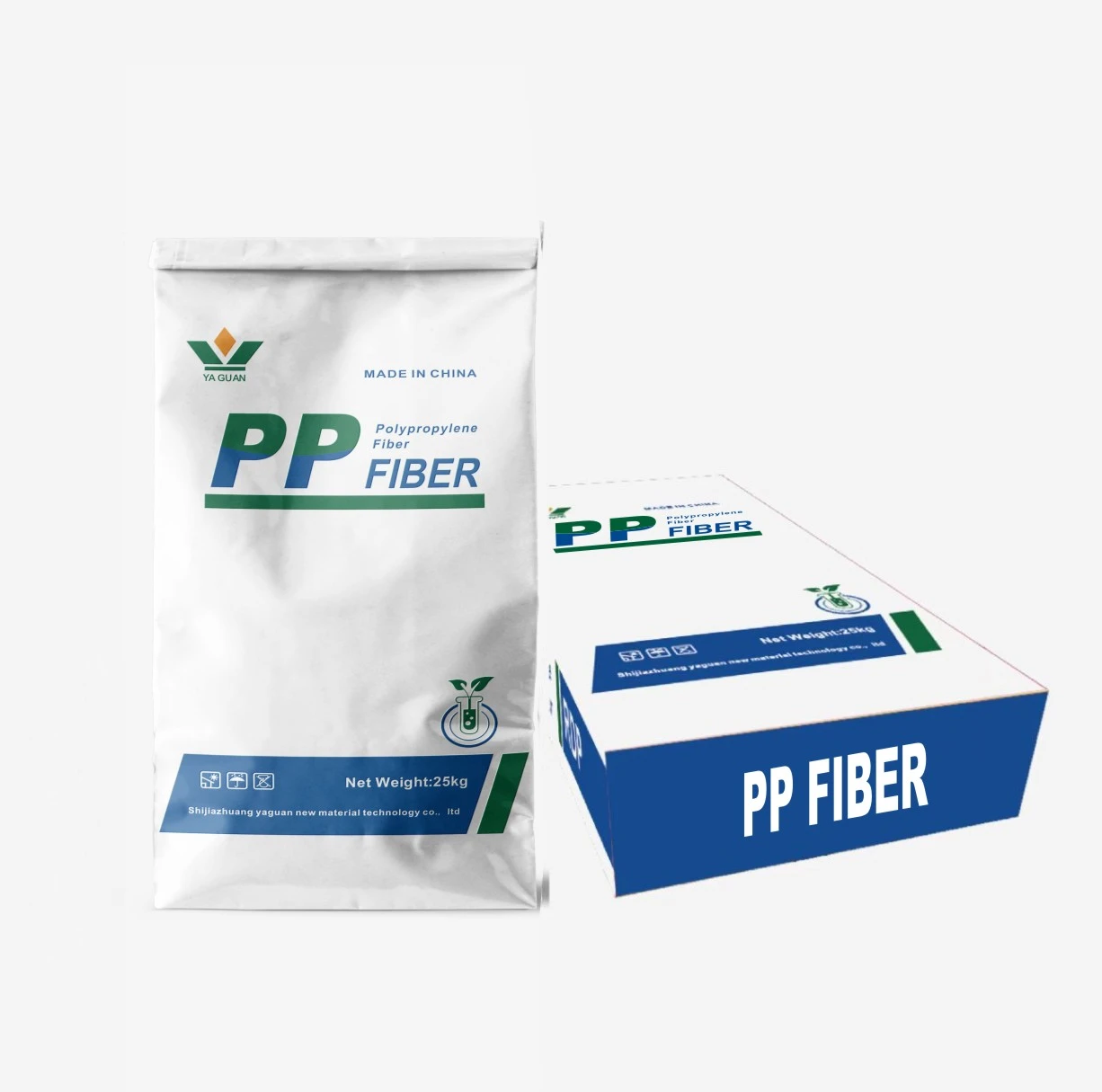

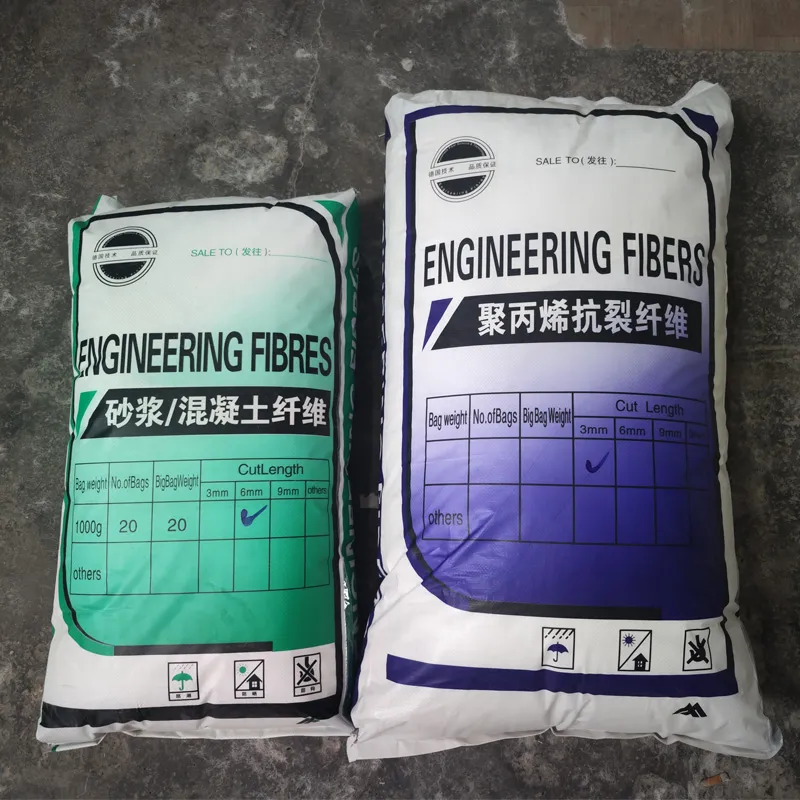
Navigating the Landscape of Polypropylene Fiber Technology
In the rapidly evolving industrial landscape, the demand for high-performance materials that offer unparalleled durability, chemical resistance, and cost-effectiveness is consistently growing. Among these, Polypropylene Fiber stands out as a versatile and indispensable component across numerous sectors. Its unique properties, derived from the polymerization of propylene, make it a material of choice for reinforcing concrete, enhancing filtration systems, and providing stability in geotextile applications. This introduction delves into the contemporary trends shaping the Polypropylene Fiber market, highlighting its increasing adoption due to advancements in manufacturing processes and a heightened focus on sustainable and efficient construction practices globally. The industry is witnessing a significant shift towards specialized fiber modifications to meet nuanced application requirements, pushing the boundaries of material science and engineering.
Current trends indicate a robust expansion in the use of Polypropylene Fiber in civil engineering, particularly for preventing shrinkage cracks in concrete and improving its post-crack residual strength. Furthermore, its role in non-woven fabrics for medical and hygiene products, as well as in automotive interiors, is expanding. The market is also being driven by increased infrastructure spending worldwide and a greater emphasis on disaster-resilient construction. Manufacturers are continually innovating, focusing on improving fiber dispersion, optimizing surface treatments for better bonding with matrices, and developing fibers with enhanced UV resistance and thermal stability. These innovations underscore the material's strategic importance in modern engineering and manufacturing.
The Precision Engineering Behind Polypropylene Fiber Production
The manufacturing of Polypropylene Fiber is a sophisticated process that transforms raw polypropylene polymer chips into high-strength, durable filaments. The primary method employed is melt spinning, a highly controlled extrusion process. Initially, virgin polypropylene resin pellets are fed into an extruder, where they are melted at precise temperatures (typically between 200°C and 280°C) to form a viscous liquid. This molten polymer is then forced through a spinneret, a device containing numerous fine holes, creating continuous filaments. The diameter of these holes, along with the extrusion speed, determines the denier (linear mass density) of the fiber, a critical parameter influencing its end-use performance.
Fig 1. Schematic of Polypropylene Fiber Production Flow.
Following extrusion, the filaments are cooled, often by air, and then subjected to a drawing process. Drawing involves stretching the fibers at controlled temperatures and speeds, which aligns the polymer molecules along the fiber axis. This molecular orientation significantly enhances the fiber's tensile strength and reduces its elongation at break, making it suitable for demanding applications. Post-drawing, the fibers may undergo further treatments such as crimping for improved bulk and hand, or surface finishing to enhance bonding characteristics with other materials. Throughout this entire process, stringent quality control measures, adhering to standards like ISO 9001, are implemented to monitor parameters such as fiber length, diameter uniformity, tensile strength, and melt flow index (MFI), ensuring consistent product quality and reliability for industries such as construction, filtration, and geotextiles, where product integrity is paramount.
Technical Specifications and Performance Parameters of Polypropylene Fiber
Understanding the precise technical specifications of Polypropylene Fiber is crucial for its effective deployment in diverse engineering and industrial applications. These parameters directly influence its performance characteristics, such as its ability to reinforce materials, resist chemical degradation, or function efficiently in various environmental conditions. The table below details typical ranges for key properties of high-quality Polypropylene Fiber, offering a snapshot of its robust capabilities.
| Parameter | Typical Range | Unit | Description/Significance |
|---|---|---|---|
| Fiber Length | 3 - 19 | mm | Optimized for dispersion in concrete, mortar, or specific textile applications. |
| Fiber Diameter / Denier | 15 - 40 µm / 3 - 200 | µm / Denier | Influences surface area, flexibility, and reinforcing efficiency. Denier is mass per unit length (g/9000m). |
| Tensile Strength | 400 - 650 | MPa | Resistance to breaking under tension. Critical for reinforcement. |
| Elongation at Break | 15 - 35 | % | Measure of ductility; important for energy absorption and impact resistance. |
| Melting Point | 160 - 170 | °C | Defines thermal stability and processing temperature limits. |
| Specific Gravity / Density | 0.90 - 0.91 | g/cm³ | Lowest density among common fibers, contributing to lightweight solutions. |
| Alkali Resistance | Excellent | - | Crucial for applications in concrete and other alkaline environments. |
| Hydrophilicity | Hydrophobic | - | Repels water, resisting moisture absorption and rotting. |
These parameters are meticulously controlled during the manufacturing process to ensure that the Polypropylene Fiber meets specific performance criteria required by various industries. For instance, in concrete reinforcement, a specific fiber length and tensile strength are critical for preventing plastic shrinkage cracking. In filtration, the fiber diameter and surface characteristics determine filtration efficiency and flow rates. Our commitment to adhering to international standards like ASTM D1033 (Standard Test Methods for Fibers in Concrete) and ASTM D3822 (Standard Test Method for Tensile Properties of Single Textile Fibers) ensures that every batch of fiber produced delivers consistent, high-grade performance.
Unlocking Superior Performance: Key Technical Advantages of Polypropylene Fiber
The adoption of Polypropylene Fiber in critical applications stems from its inherent technical advantages, which translate directly into enhanced product performance and long-term cost efficiencies for B2B clients. One of its most significant benefits is its superior crack resistance, especially in concrete applications. By providing a three-dimensional network within the concrete matrix, polypropylene fibers effectively reduce plastic shrinkage cracking and improve resistance to impact and abrasion, thereby extending the service life of structures.
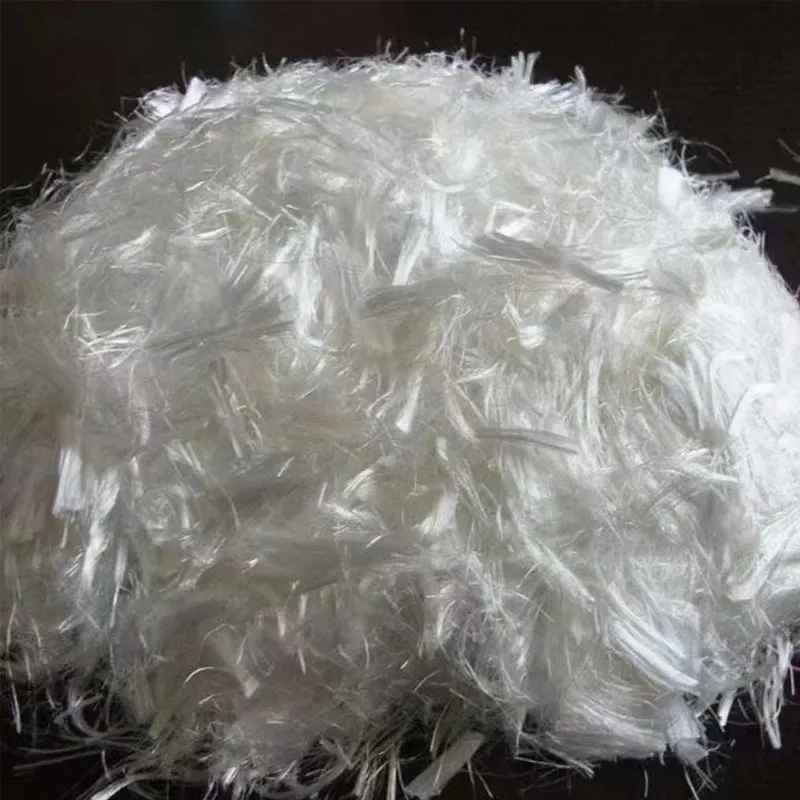
Fig 2. Polypropylene Fiber dispersed in concrete to prevent cracking.
Furthermore, Polypropylene Fiber exhibits excellent chemical inertness, making it highly resistant to acids, alkalis, and many organic solvents. This property is crucial in harsh industrial environments, such as chemical processing plants or wastewater treatment facilities, where conventional materials might rapidly degrade. Its hydrophobic nature ensures minimal water absorption, preventing issues like rotting, mildew, and dimensional instability, which is particularly beneficial in geotextiles and damp environments. The lightweight nature of polypropylene (with a specific gravity less than water) also contributes to easier handling, reduced transportation costs, and a lighter end product without compromising strength. These combined advantages make it a robust and economical choice for enhancing the durability and performance of various composite materials and products.
Diverse Application Scenarios of Polypropylene Fiber Across Industries
The versatility of Polypropylene Fiber allows it to be integrated into a broad spectrum of industries, providing tailored solutions that address specific functional requirements. In the construction sector, it is extensively used in concrete and mortar mixtures for floors, roads, tunnels, and precast elements to control plastic shrinkage and thermal cracking. This application dramatically enhances the service life and structural integrity of civil engineering projects. Its ability to provide secondary reinforcement is vital for minimizing micro-cracks before they propagate into macroscopic fissures.
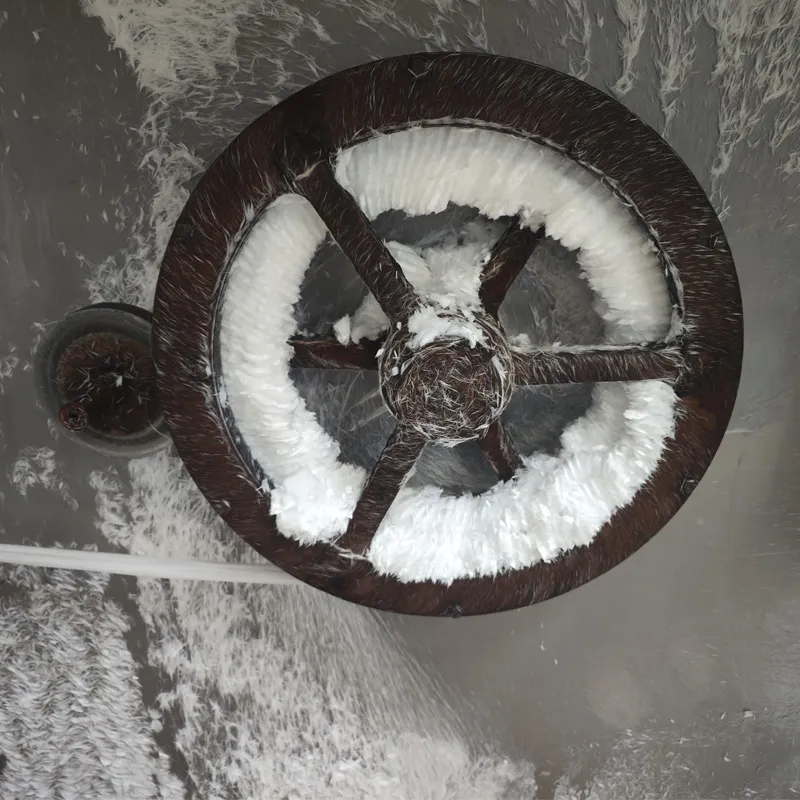
Fig 3. Polypropylene Fiber application in civil engineering and construction.
Beyond construction, Polypropylene Fiber finds significant utility in the filtration industry, where its fine denier and consistent quality make it ideal for liquid and air filtration media in industrial processes, HVAC systems, and even medical applications. Its chemical resistance ensures longevity in corrosive environments. In the textiles and non-wovens sector, polypropylene fibers are utilized for disposable hygiene products, geotextiles for soil stabilization and drainage, automotive interior components, and ropes, offering durability and moisture resistance. The material's sound absorption properties also make it useful in acoustic applications. Its adaptability across such varied fields underscores its value as a high-performance material, consistently meeting rigorous industry standards for performance and reliability.
Custom Solutions & Collaborative Development for Polypropylene Fiber
Recognizing that standard products may not always meet the unique challenges of specialized applications, we offer comprehensive custom solutions for Polypropylene Fiber. Our approach involves a collaborative process, working closely with clients to understand their specific performance requirements, material interactions, and processing parameters. This allows us to tailor fiber characteristics such as length, denier, cross-section, and surface treatments to optimize performance for their distinct needs. Whether it's a specific fiber length for shotcrete applications or a unique surface modification to enhance bonding in composite materials, our engineering team possesses the expertise to deliver.
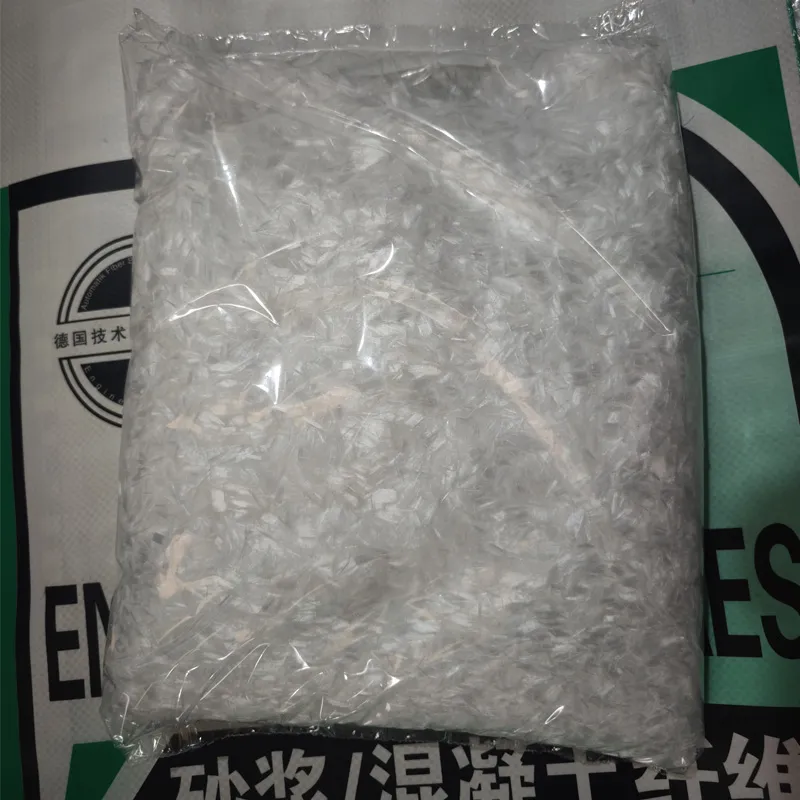
Fig 4. Tailored Polypropylene Fiber solutions for unique industrial needs.
Our R&D department is equipped with state-of-the-art testing facilities to conduct rigorous evaluations, including tensile strength tests, melt flow index analysis, and dispersion performance assessments, ensuring that customized fibers meet or exceed the desired specifications. This commitment to innovation and customer-centric development has positioned us as a trusted partner for industries seeking advanced material solutions. We pride ourselves on rapid prototyping and efficient scale-up, ensuring that bespoke Polypropylene Fiber solutions are delivered within projected timelines, facilitating seamless integration into client production lines and projects. Our long-standing commitment to quality and technical support ensures client satisfaction from concept to delivery.
Real-World Impact: Application Case Studies of Polypropylene Fiber
The practical effectiveness of Polypropylene Fiber is best illustrated through real-world application case studies, demonstrating its tangible benefits in diverse scenarios. One notable example is its deployment in the construction of a large-scale industrial floor for a logistics hub. Prior to the project, the client faced significant challenges with concrete cracking and surface wear due to heavy vehicle traffic. By integrating specific quantities of our high-modulus polypropylene fibers into the concrete mix, the project achieved a remarkable reduction in plastic shrinkage cracking by over 80% and a significant improvement in abrasion resistance, validated by subsequent wear tests. This resulted in a floor with extended service life and reduced maintenance costs, exceeding client expectations.
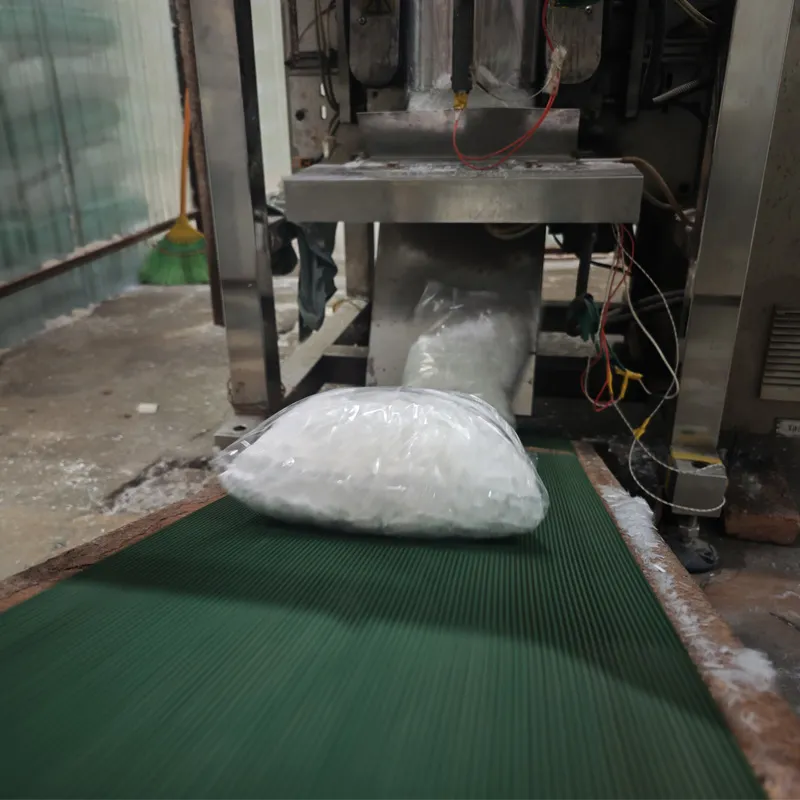
Fig 5. Successful integration of Polypropylene Fiber in construction projects.
Another compelling case involved a municipal wastewater treatment plant, which required a filtration media capable of resisting highly corrosive chemicals and bio-fouling, while maintaining high flow rates. Our chemically inert, finely-denier Polypropylene Fiber was chosen for the filter bags. Post-installation analysis showed that the polypropylene-based filters demonstrated superior longevity, resisting chemical degradation for significantly longer than previously used materials, and maintaining filtration efficiency despite aggressive chemical exposure. This led to substantial operational savings due to reduced replacement frequency and improved wastewater treatment efficiency, underscoring the fiber's robust performance in challenging industrial environments and its capacity to deliver long-term value.
Polypropylene Fiber: Comparative Advantages Across Grades
While Polypropylene Fiber offers universal benefits, its specific characteristics can vary significantly between different grades and types, often tailored by manufacturers for distinct applications. Understanding these nuances is key for B2B decision-makers. Here, we present a comparison of two common types: Monofilament Polypropylene Fiber and Fibrillated Polypropylene Fiber, highlighting their strengths in various scenarios.
| Feature | Monofilament Polypropylene Fiber | Fibrillated Polypropylene Fiber |
|---|---|---|
| Structure | Single, solid strand with circular or multi-lobal cross-section. | Net-like structure formed by slitting and stretching polypropylene film. |
| Primary Reinforcement | Effective against plastic shrinkage cracking. | Provides excellent mechanical anchorage and post-crack strength. |
| Dispersion in Concrete | Excellent, separates easily. | Good, forms a dense network. |
| Surface Area & Bonding | Lower surface area, good for basic crack control. | High surface area due to netting, enhancing mechanical bond with matrix. |
| Typical Applications | Slabs on ground, precast elements, mortar. | Industrial floors, pavements, shotcrete, tunnels. |
The choice between these types often depends on the specific project requirements, the desired level of reinforcement, and the budget. Monofilament fibers are generally more cost-effective for basic shrinkage control, while fibrillated fibers offer superior mechanical performance and post-crack integrity due to their unique network structure. We advise our clients on the optimal Polypropylene Fiber type and dosage based on thorough analysis of their application and performance goals, ensuring the most effective and efficient material solution. This expertise is backed by years of field experience and adherence to international performance standards.
Frequently Asked Questions about Polypropylene Fiber
Q1: What is the primary function of Polypropylene Fiber in concrete?
The primary function of Polypropylene Fiber in concrete is to control plastic shrinkage cracking. By uniformly dispersing throughout the concrete matrix, it creates a microscopic reinforcing network that inhibits the propagation of micro-cracks during the curing process, significantly improving the concrete's durability and reducing surface imperfections.
Q2: Is Polypropylene Fiber resistant to chemicals and moisture?
Yes, Polypropylene Fiber exhibits excellent resistance to a wide range of chemicals, including acids, alkalis, and many organic solvents, making it highly suitable for use in harsh industrial environments. Furthermore, it is inherently hydrophobic, meaning it does not absorb water, which prevents issues such as rotting, mildew growth, and dimensional instability in damp conditions.
Q3: What are the typical delivery times for custom Polypropylene Fiber orders?
Delivery times for custom Polypropylene Fiber orders can vary depending on the complexity of the customization and the order volume. Typically, after finalizing specifications, initial samples can be provided within 2-4 weeks, with full production orders processed and shipped within 4-8 weeks. We maintain a flexible manufacturing schedule to accommodate urgent project requirements and ensure timely delivery.
Q4: What quality assurance standards does your Polypropylene Fiber meet?
Our Polypropylene Fiber products adhere to stringent international quality standards, including ISO 9001 for quality management systems. We also comply with relevant ASTM standards for fiber properties and performance in specific applications, such as ASTM D1033 for concrete fibers. Every batch undergoes rigorous internal testing to ensure consistent quality and performance.
Assurance of Excellence: Quality Control and Timely Delivery
Our commitment to delivering superior Polypropylene Fiber is underpinned by a robust quality control framework that spans the entire manufacturing process, from raw material inspection to final product packaging. We implement a multi-stage quality assurance protocol, beginning with the meticulous selection of virgin polypropylene resins from certified suppliers. During production, continuous monitoring of parameters such as temperature, pressure, and drawing speed ensures uniformity and consistent fiber properties. Post-production, each batch undergoes comprehensive laboratory testing for critical specifications including fiber length distribution, tensile strength, elongation, and dispersion characteristics, adhering to international standards like ISO and relevant ASTM guidelines.
This rigorous testing regime is complemented by our proactive customer support and transparent communication regarding delivery schedules. We understand the critical nature of timely supply in B2B operations. Our sophisticated logistics and supply chain management ensure efficient processing and dispatch of orders, typically within specified lead times. For standard orders, this is often 1-2 weeks, while custom solutions, as detailed previously, might require 4-8 weeks for development and production. We stand by the quality of our Polypropylene Fiber with a comprehensive product warranty, covering manufacturing defects and ensuring that our materials consistently perform as promised for their intended service life, fostering long-term trust and reliability with our global clientele.
Conclusion: The Indispensable Role of Polypropylene Fiber in Modern Engineering
In summation, Polypropylene Fiber has firmly established itself as an indispensable material in modern engineering and manufacturing. Its versatile properties—including exceptional chemical resistance, hydrophobic nature, high tensile strength-to-weight ratio, and ability to mitigate cracking—make it a preferred choice across a multitude of applications from enhancing concrete durability in civil infrastructure to optimizing filtration media in industrial processes and providing stability in advanced geotextiles. As industries continue to seek materials that offer both performance and cost-efficiency, the innovation within polypropylene fiber technology will undoubtedly drive further advancements, expanding its already broad utility. Our commitment to rigorous quality control, adherence to international standards, and proactive R&D ensures that we continue to provide high-performance, customized polypropylene fiber solutions that meet the evolving demands of our global partners, fostering resilience and efficiency in critical industrial applications.
References
- ACI 544.1R-96 (Reapproved 2002). Report on Fiber Reinforced Concrete. American Concrete Institute.
- Bentur, A., & Mindess, S. (2007). Fibre Reinforced Cementitious Composites. CRC Press.
- Ohama, Y. (1998). Handbook of Polymer-Modified Concrete and Mortars: Properties and Processing. Noyes Publications.
- Wang, R., & Mo, Y. L. (2018). Fundamental characteristics of synthetic fibers and their applications in concrete. Construction and Building Materials, 178, 429-440.
- ASTM D1033 - 90(2021) Standard Test Methods for Fibers in Concrete. ASTM International.