Delving into Polyvinyl Alcohol (PVA): An Overview of Industry Trends and Technological Prowess
In the rapidly evolving landscape of advanced materials, Polyvinyl Alcohol (PVA) stands out as a versatile, water-soluble synthetic polymer with a profound impact across numerous industrial sectors. Its unique combination of excellent film-forming, adhesive, and emulsifying properties, coupled with high tensile strength and flexibility, positions it as an indispensable component in a myriad of applications, from intricate textile finishes to robust construction materials and sophisticated packaging solutions. The global market for Polyvinyl Alcohol (PVA) is experiencing robust growth, driven by escalating demand in the construction industry, particularly for redispersible polymer powders, and significant expansion in packaging due to its barrier properties and environmental considerations. Emerging trends indicate a strong emphasis on developing specialized grades of Polyvinyl Alcohol (PVA) with enhanced biodegradability and specific functional characteristics to meet stringent regulatory requirements and evolving consumer preferences for sustainable materials. Furthermore, advancements in polymerization techniques are continually refining its quality and broadening its application spectrum, ensuring that this polymer remains at the forefront of material innovation. As industries worldwide increasingly seek high-performance, cost-effective, and environmentally responsible solutions, the importance of Polyvinyl Alcohol (PVA) is set to expand further, cementing its role as a foundational material in modern manufacturing and product development.
The Manufacturing Process of Polyvinyl Alcohol (PVA): From Monomer to Polymer
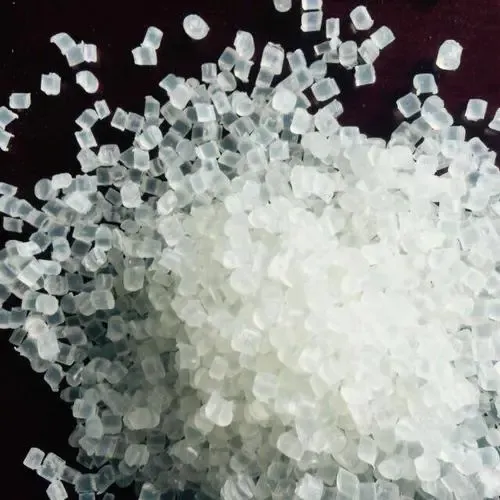
The production of Polyvinyl Alcohol (PVA) is a sophisticated multi-stage chemical process that begins with the polymerization of vinyl acetate monomer (VAM) to create polyvinyl acetate (PVAc), followed by a crucial saponification (hydrolysis) step. Initially, vinyl acetate monomer is polymerized using various methods, including emulsion polymerization, solution polymerization, or suspension polymerization, to yield polyvinyl acetate. This intermediate product, PVAc, is essentially the precursor to Polyvinyl Alcohol (PVA). The subsequent and defining step in PVA synthesis is the partial or complete hydrolysis of the polyvinyl acetate. During this stage, ester groups of polyvinyl acetate are converted into hydroxyl groups through a reaction with an alkaline catalyst, typically sodium hydroxide, or an acid catalyst, in the presence of methanol. The degree of hydrolysis, which dictates the percentage of acetate groups converted to hydroxyl groups, is a critical parameter influencing the final properties of the Polyvinyl Alcohol (PVA), such as its water solubility, adhesive strength, and film-forming characteristics. Post-saponification, the resulting Polyvinyl Alcohol (PVA) solution undergoes a series of purification and drying steps, including precipitation, filtration, and drying, to obtain the desired powdered or granular form. Throughout this entire manufacturing journey, stringent quality control measures are implemented at every stage. Products are rigorously tested against international standards such as ISO 9001 for quality management and ANSI standards where applicable for specific industrial uses, ensuring consistency in properties like viscosity, degree of hydrolysis, and ash content. This meticulous process guarantees a high-quality product with predictable performance and a long service life, optimizing its utility across diverse industrial applications, including the petrochemical, textile, and construction sectors, where its robust binding and protective properties contribute to energy efficiency and enhanced corrosion resistance.
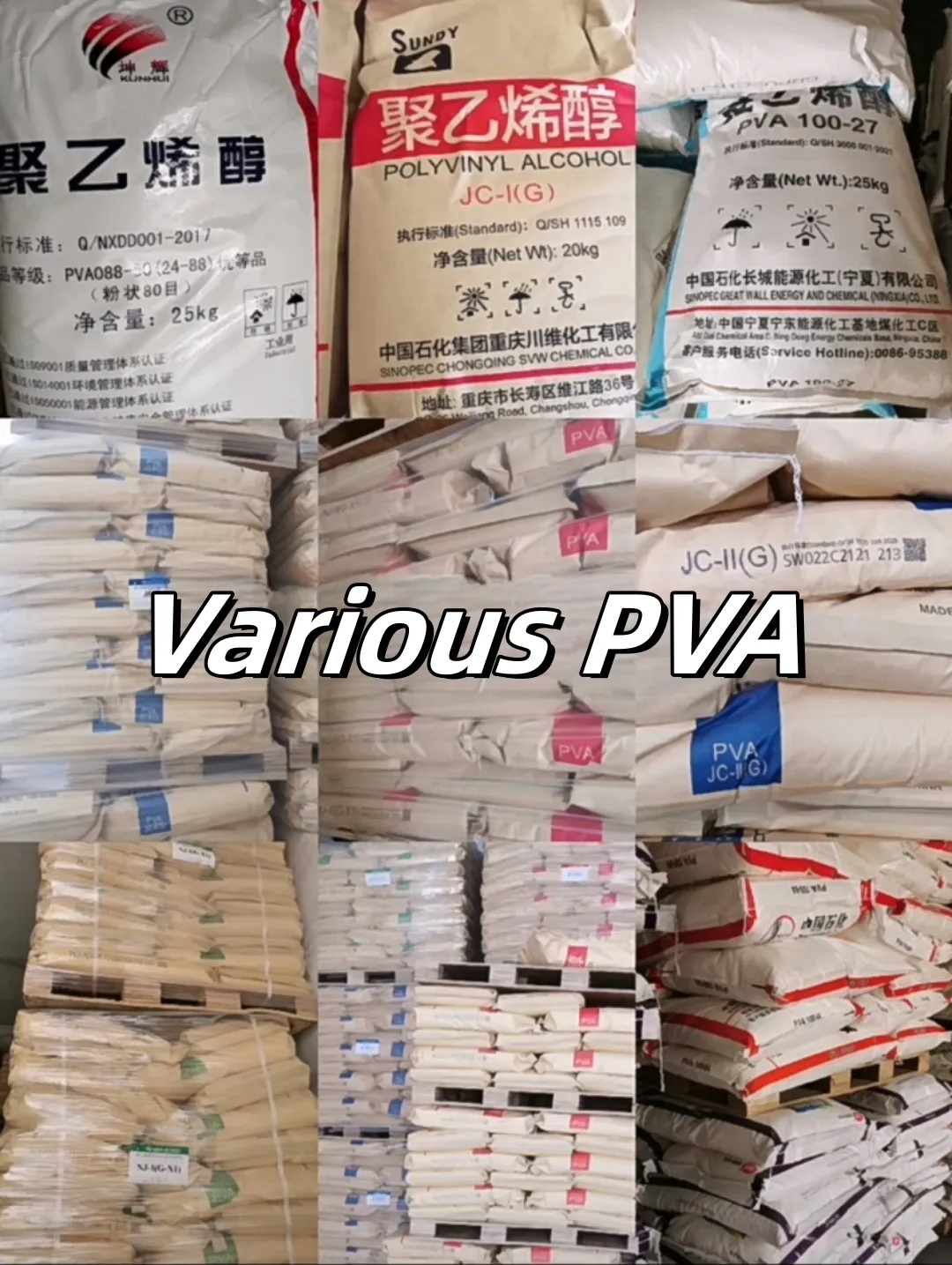
Key Technical Parameters and Specifications of Polyvinyl Alcohol (PVA)
Understanding the technical specifications of Polyvinyl Alcohol (PVA) is paramount for selecting the appropriate grade for specific industrial applications, ensuring optimal performance and cost-efficiency. The critical parameters defining different grades of Polyvinyl Alcohol (PVA) include its degree of polymerization, which correlates directly with its molecular weight and solution viscosity, and its degree of hydrolysis, indicating the percentage of acetate groups that have been converted to hydroxyl groups. These two primary factors largely determine the polymer's water solubility, adhesion strength, and film-forming capabilities. For instance, fully hydrolyzed Polyvinyl Alcohol (PVA) (typically 98-99% hydrolyzed) exhibits excellent water resistance after film formation and higher tensile strength, making it ideal for applications requiring robust barriers or strong bonding, such as in paper sizing or adhesives for wood and textiles. Conversely, partially hydrolyzed Polyvinyl Alcohol (PVA) (around 87-89% hydrolyzed) dissolves more readily in cold water and offers superior surface activity, rendering it suitable for uses as an emulsifier or protective colloid in emulsion polymerization processes. Other vital parameters include volatile content, ash content, and pH value, all of which contribute to the overall purity, stability, and compatibility of the Polyvinyl Alcohol (PVA) with other components in a formulation. Manufacturers adhere to strict quality control protocols, often leveraging advanced analytical techniques like GPC (Gel Permeation Chromatography) for molecular weight distribution and NMR (Nuclear Magnetic Resonance) for hydrolysis degree, ensuring each batch meets defined specifications and guarantees consistent performance in demanding industrial environments.
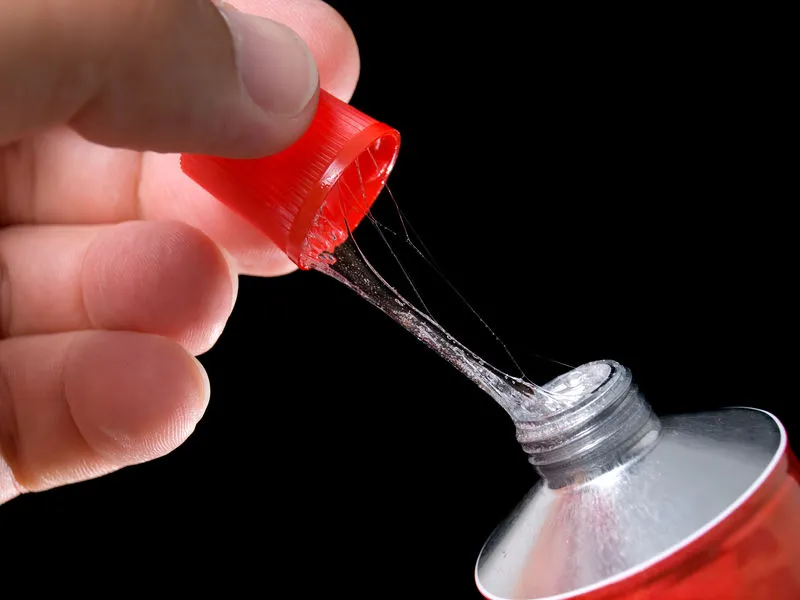
Versatile Applications of Polyvinyl Alcohol (PVA) Across Industries
The unparalleled versatility of Polyvinyl Alcohol (PVA) makes it a critical material across a broad spectrum of industries, owing to its distinct properties such as high tensile strength, excellent adhesive qualities, superior film-forming capability, and water solubility. In the construction sector, for instance, Polyvinyl Alcohol (PVA) is widely used as a redispersible polymer powder in dry-mix mortars, tile adhesives, self-leveling compounds, and wall putties. It enhances workability, adhesion to various substrates, crack resistance, and overall durability of construction materials, contributing significantly to the longevity and performance of modern buildings. The textile industry utilizes Polyvinyl Alcohol (PVA) as a warp sizing agent to improve yarn strength and abrasion resistance during weaving, and also as a binder for non-woven fabrics, offering a biodegradable alternative to other sizing agents. In the paper industry, Polyvinyl Alcohol (PVA) serves as a surface sizing agent, enhancing paper strength, smoothness, and oil/grease resistance, which is crucial for high-quality printing papers and specialty papers. Furthermore, its excellent barrier properties against oxygen and oil make Polyvinyl Alcohol (PVA) films ideal for food packaging, extending shelf life and ensuring product integrity. In the medical and pharmaceutical fields, specific grades of Polyvinyl Alcohol (PVA) are employed in drug delivery systems, contact lenses, and artificial organs due to its biocompatibility and non-toxicity. Its role extends to the chemical industry as a protective colloid in emulsion polymerization for the production of PVAc emulsions, which are themselves widely used in paints, adhesives, and coatings. This wide array of applications underscores Polyvinyl Alcohol (PVA)'s adaptability and its integral role in driving innovation and efficiency across various industrial landscapes, offering both high performance and often, an environmentally conscious choice.
Technical Advantages and Performance Superiority of Polyvinyl Alcohol (PVA)
The inherent technical advantages of Polyvinyl Alcohol (PVA) distinguish it as a high-performance polymer in numerous demanding applications. One of its most significant benefits is its remarkable film-forming capability, producing films that exhibit exceptional tensile strength, elasticity, and abrasion resistance. These films also possess superior barrier properties against gases like oxygen and nitrogen, and against oils, greases, and solvents, which is critical for packaging and protective coatings. Furthermore, the adjustable degree of hydrolysis allows for precise control over its water solubility and adhesive properties, enabling manufacturers to tailor Polyvinyl Alcohol (PVA) grades for specific cold or hot water solubility requirements, from fast-dissolving grades for agricultural films to highly durable, water-resistant films for industrial use. Polyvinyl Alcohol (PVA) also acts as an excellent adhesive, bonding effectively to a wide range of substrates including paper, textiles, wood, and various plastics, making it a preferred choice in the adhesive industry for both permanent and temporary bonding solutions. Its robust emulsifying and dispersing capabilities are invaluable in paint and coating formulations, ensuring pigment stability and uniform dispersion, which contributes to the aesthetic quality and functional performance of the final product. Moreover, certain grades of Polyvinyl Alcohol (PVA) are noted for their biodegradability, particularly those with lower degrees of hydrolysis, offering an environmentally friendlier alternative to traditional synthetic polymers, aligning with global sustainability initiatives. The polymer's excellent chemical resistance to most organic solvents and oils further broadens its application scope, ensuring product longevity and reliability in harsh industrial environments. These multifaceted advantages underscore why Polyvinyl Alcohol (PVA) remains a material of choice for engineers and product developers seeking optimized performance and sustainability.
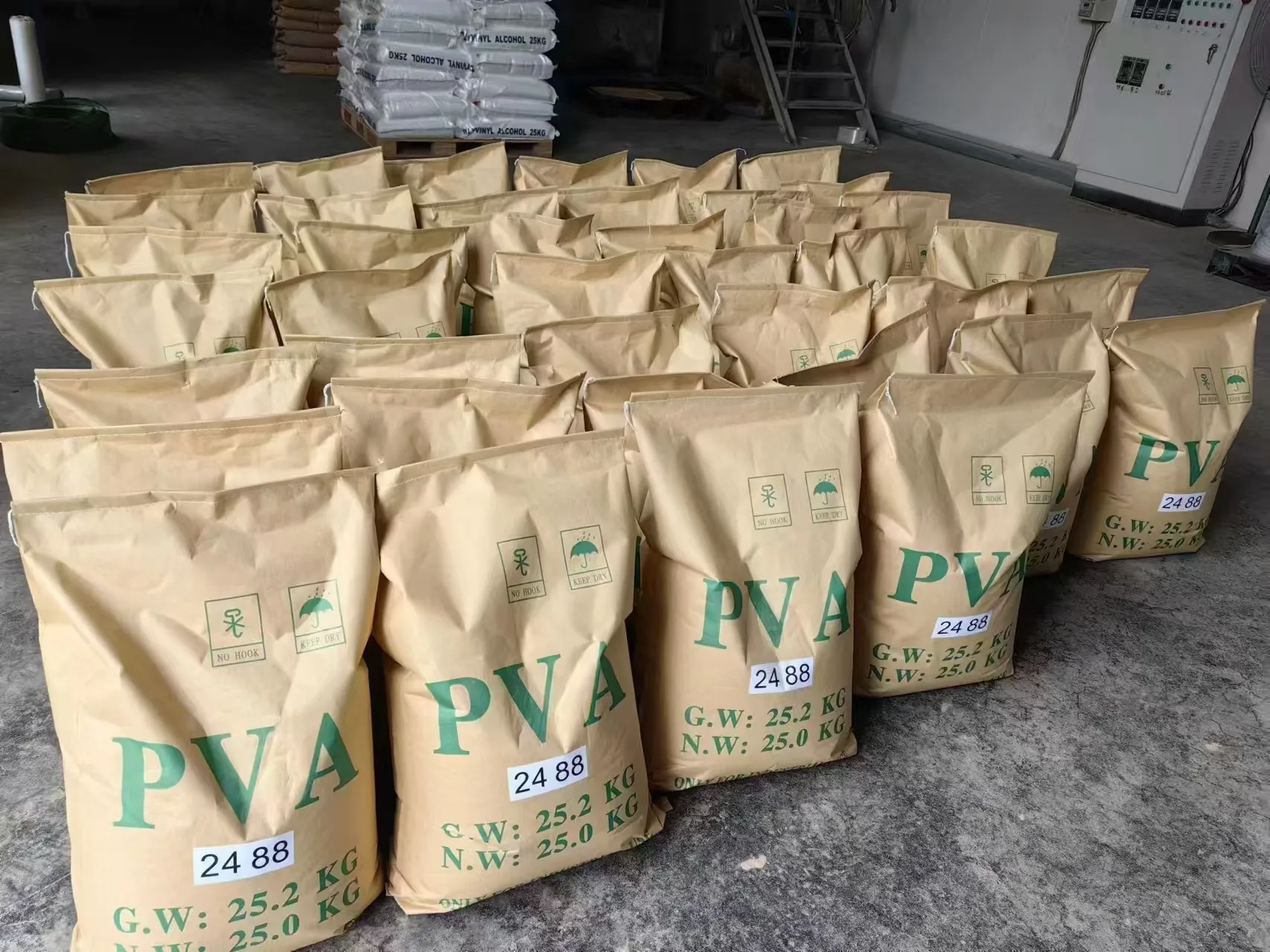
Navigating the PVA Market: Manufacturer Comparison and Custom Solutions
The global market for Polyvinyl Alcohol (PVA) features a diverse array of manufacturers, each offering various grades and specialized formulations. When evaluating potential suppliers, discerning B2B buyers and technical professionals typically consider factors such as the supplier's production capacity, consistency in quality (often verified through ISO certifications and batch testing), research and development capabilities for new grades, and critically, their ability to provide tailored solutions. While numerous large-scale producers offer standard grades of Polyvinyl Alcohol (PVA), the true value for specific applications often lies in the ability to customize parameters like molecular weight, degree of hydrolysis, purity, and particle size distribution. For example, a client in the construction chemicals sector might require a specific viscosity and dissolution rate for their dry-mix mortars, while a pharmaceutical company demands ultra-high purity and specific particle morphology for tablet coatings. Leading manufacturers distinguish themselves by their robust R&D departments, capable of developing bespoke Polyvinyl Alcohol (PVA) solutions that precisely meet unique performance criteria and processing needs. This involves close collaboration with clients, understanding their end-use applications in detail, and leveraging extensive technical expertise to formulate a customized product. Furthermore, established suppliers often provide comprehensive technical support, ranging from initial sample testing and formulation guidance to troubleshooting and process optimization. This level of partnership ensures that the selected Polyvinyl Alcohol (PVA) not only meets technical specifications but also integrates seamlessly into the client's existing production processes, optimizing efficiency and product quality. A strong service history, verifiable client testimonials, and adherence to international quality standards such as ISO 9001 and environmental standards further differentiate a reliable partner in the competitive Polyvinyl Alcohol (PVA) market, ensuring a long-term, trustworthy supply chain relationship.
Successful Implementations: Polyvinyl Alcohol (PVA) Application Case Studies
The practical effectiveness of Polyvinyl Alcohol (PVA) is best exemplified through its successful implementation in diverse real-world scenarios, showcasing its transformative impact on product performance and manufacturing efficiency. One compelling case involves a major European construction chemical company that sought to improve the adhesion and flexibility of their tile adhesives for challenging substrates. By incorporating a customized grade of partially hydrolyzed Polyvinyl Alcohol (PVA) with specific viscosity characteristics, they achieved a significant increase in bond strength and reduced cracking in their final product, leading to a 15% reduction in customer complaints and enhanced market competitiveness. In another instance, a leading textile manufacturer leveraged Polyvinyl Alcohol (PVA) as an eco-friendly warp sizing agent. Previously, they faced challenges with traditional sizing agents that left difficult-to-remove residues and contributed to wastewater pollution. Switching to a water-soluble Polyvinyl Alcohol (PVA) enabled them to achieve superior yarn protection during high-speed weaving, resulting in fewer yarn breakages and a 10% increase in production efficiency. Crucially, the easy removability of Polyvinyl Alcohol (PVA) with water significantly reduced their environmental footprint and operational costs associated with wastewater treatment. Furthermore, a global player in the food packaging industry successfully integrated Polyvinyl Alcohol (PVA) films into their multi-layered packaging solutions for oxygen-sensitive foods. The exceptional oxygen barrier properties of Polyvinyl Alcohol (PVA) extended the shelf life of their products by an average of 25%, drastically cutting down on food waste and maintaining product freshness, thereby boosting consumer satisfaction and brand reputation. These cases vividly illustrate how tailored Polyvinyl Alcohol (PVA) solutions, developed through expert collaboration and rigorous testing, translate into tangible benefits, reinforcing its status as a vital material for innovation and operational excellence across various industrial landscapes.
Frequently Asked Questions (FAQ) about Polyvinyl Alcohol (PVA)
For B2B buyers and technical personnel, clarifying common queries about Polyvinyl Alcohol (PVA) is essential for effective procurement and application. This FAQ section addresses some of the most pressing questions concerning its properties, usage, and environmental impact.
-
Q1: What is the difference between fully hydrolyzed and partially hydrolyzed Polyvinyl Alcohol (PVA)?
A1: The difference lies in the percentage of acetate groups converted to hydroxyl groups during synthesis. Fully hydrolyzed Polyvinyl Alcohol (PVA) (98-99% hydrolysis) has superior water resistance after film formation, higher tensile strength, and better adhesion to hydrophilic surfaces. It requires hotter water for dissolution. Partially hydrolyzed Polyvinyl Alcohol (PVA) (87-89% hydrolysis) dissolves more easily in cold water and acts as a better protective colloid and emulsifier, often used in emulsion polymerization and temporary adhesives.
-
Q2: Is Polyvinyl Alcohol (PVA) biodegradable?
A2: Yes, Polyvinyl Alcohol (PVA) is generally recognized as biodegradable under aerobic conditions, especially in wastewater treatment plants, due to its unique chemical structure that allows microorganisms to break it down. The rate and extent of biodegradation can vary depending on the degree of hydrolysis and environmental conditions, with partially hydrolyzed grades typically showing faster degradation.
-
Q3: How does the viscosity of Polyvinyl Alcohol (PVA) relate to its molecular weight?
A3: The viscosity of a Polyvinyl Alcohol (PVA) solution is directly proportional to its molecular weight. Higher molecular weight Polyvinyl Alcohol (PVA) grades result in higher viscosity solutions for a given concentration. This parameter is crucial for applications requiring specific rheological properties, such as thickeners in adhesives or binders in coating formulations, impacting film strength and processing characteristics.
-
Q4: What are the typical storage conditions for Polyvinyl Alcohol (PVA)?
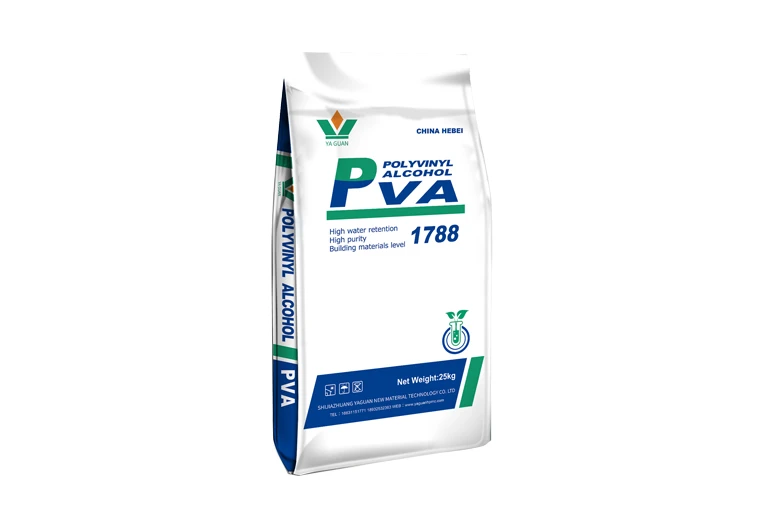
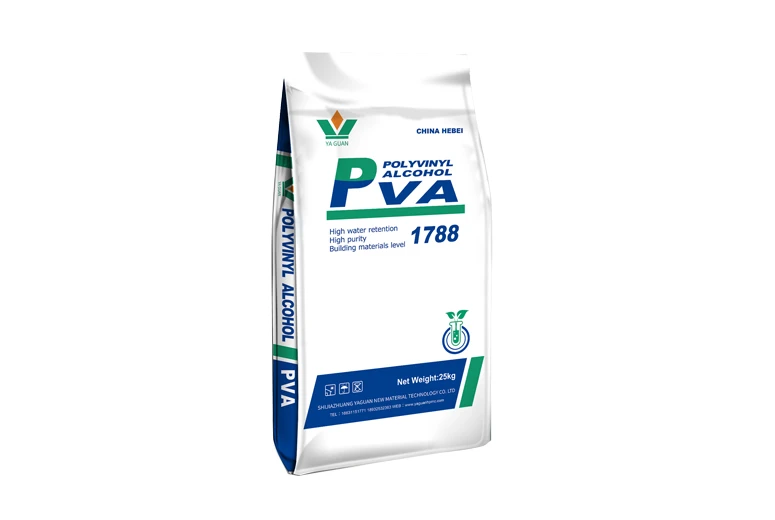
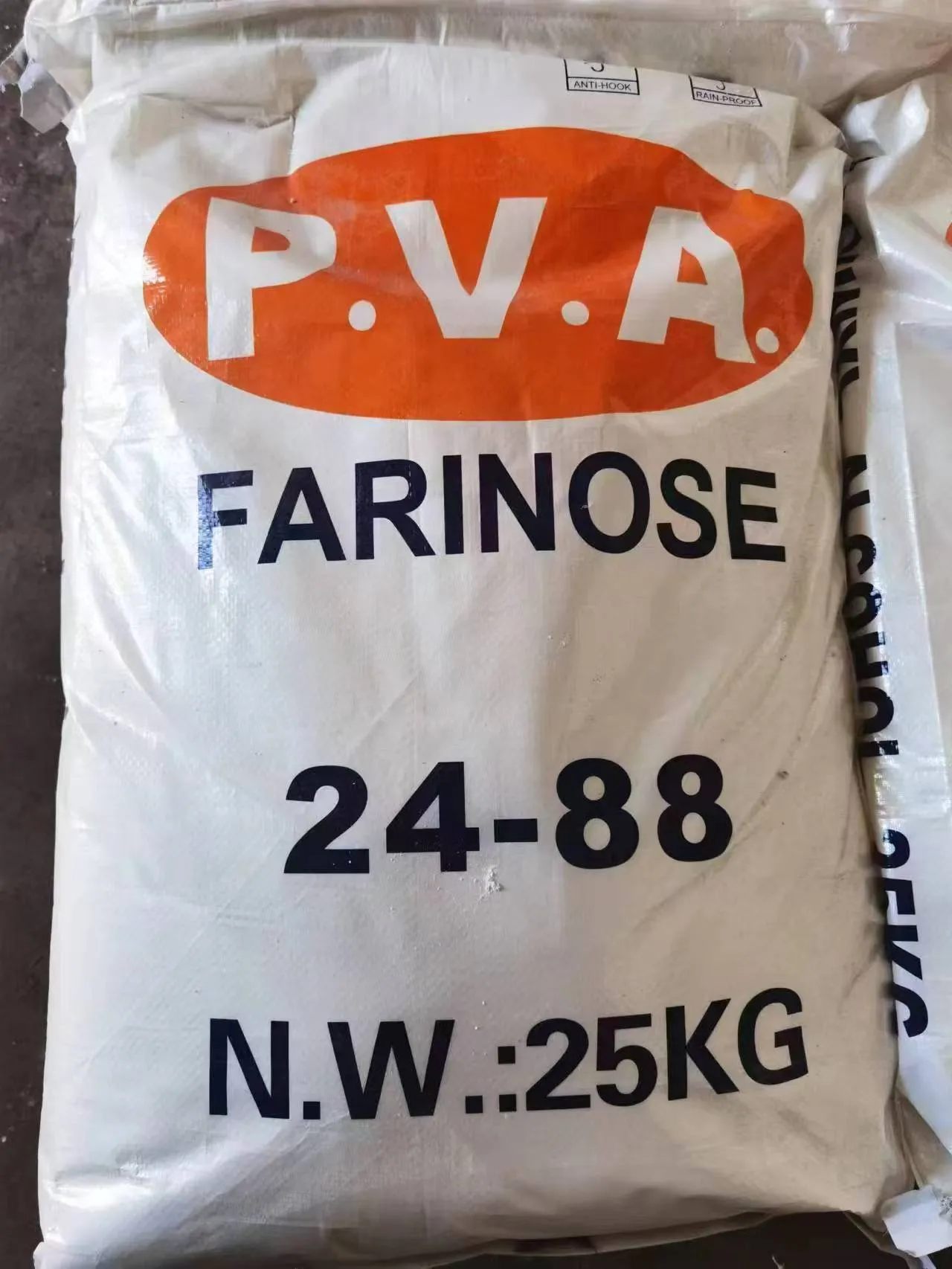
A4: Polyvinyl Alcohol (PVA) should be stored in a cool, dry place, away from direct sunlight and sources of moisture. It is usually supplied in sealed bags to prevent moisture absorption, which can lead to caking and affect its dissolution properties. Proper storage ensures its stability and maintains its performance characteristics over its shelf life.
Ensuring Trust: Quality Assurance, Delivery, and Customer Support
Establishing trust with B2B clients extends beyond merely supplying high-quality Polyvinyl Alcohol (PVA); it encompasses comprehensive quality assurance, transparent delivery logistics, and robust customer support. Reputable suppliers adhere to stringent quality management systems, often certified to ISO 9001, ensuring that every batch of Polyvinyl Alcohol (PVA) meets the precise technical specifications and purity levels demanded by industrial applications. This commitment to quality is backed by comprehensive Certificates of Analysis (CoA) for each shipment, providing detailed test results for parameters like viscosity, degree of hydrolysis, and volatile content. Furthermore, reliable partners understand the critical importance of timely delivery in maintaining seamless production lines for their clients. They implement sophisticated supply chain management systems, offering clear communication regarding lead times, shipment tracking, and proactive solutions to potential logistical challenges, typically ensuring delivery cycles that align with client production schedules. Our standard delivery lead time for common grades of Polyvinyl Alcohol (PVA) is typically within 7-14 business days, with expedited options available for urgent requirements. Beyond delivery, robust after-sales support is a cornerstone of trust. This includes dedicated technical support teams available to assist with formulation issues, processing challenges, and product optimization. A clear quality assurance policy, including a warranty against manufacturing defects and a commitment to address any performance discrepancies, provides clients with the confidence that they are partnering with a responsible and accountable supplier. Long-term partnerships are built on reliability, transparency, and a mutual commitment to excellence, which is why investing in superior quality control, efficient logistics, and responsive customer service is paramount for any leading Polyvinyl Alcohol (PVA) provider in the B2B landscape.
Conclusion: The Enduring Value of Polyvinyl Alcohol (PVA) in Modern Industry
In summation, Polyvinyl Alcohol (PVA) continues to be a cornerstone material for a vast array of industrial applications, demonstrating remarkable adaptability and performance characteristics that are critical in today's demanding markets. From its meticulously controlled manufacturing process, which guarantees consistent quality and customizable properties, to its widespread adoption across construction, textiles, paper, and advanced packaging, Polyvinyl Alcohol (PVA) consistently delivers superior functional benefits. Its inherent advantages, including exceptional film-forming capabilities, adhesive strength, barrier properties, and increasing biodegradability, position it as a preferred choice for innovation and sustainable development. As industries continue to evolve, driven by technological advancements and environmental imperatives, the demand for high-performance and eco-conscious materials will only escalate. Polyvinyl Alcohol (PVA), with its versatile grades and the potential for tailored solutions, is poised to meet these challenges, supporting product development and enhancing efficiency across the global industrial landscape. The commitment to quality, backed by rigorous testing, transparent logistics, and dedicated customer support, ensures that Polyvinyl Alcohol (PVA) remains a trusted and invaluable component in countless industrial formulations, driving progress and delivering enduring value.
Authoritative References
- Polymer Science and Technology: Properties and Applications, by J.R. Fried, Prentice Hall.
- Handbook of Polymer Synthesis, edited by Hans R. Kricheldorf, G. Lohden, Wiley-VCH.
- Polymer Chemistry: An Introduction, by Malcolm P. Stevens, Oxford University Press.
- Water-Soluble Polymers: Solution Properties and Applications, by S. W. Shalaby, American Chemical Society.
- Polyvinyl Alcohol: Materials Science and Engineering, by C. A. Finch, John Wiley & Sons.