
Understanding Fondant Tylose: What It Is and Why It Matters Globally
Fondant tylose might sound like a niche baking ingredient or an uncommon material, but its importance stretches far beyond the pastry world. In fact, for industries ranging from confectionery to pharmaceuticals, understanding fondant tylose—and its versatile derivatives—unlocks significant benefits. Globally, its role in product stability and texture uniformity touches on everything from patient safety to consumer satisfaction, making it a quiet hero in many manufacturing dialogues.
Why should you care? Because fondant tylose offers a pragmatic solution to a universal challenge: how to stabilize products in highly variable conditions while maintaining quality and cost efficiency. It's a compound that journeyed from traditional confectionery to modern industrial applications, proving its worth in countless global supply chains and innovation pipelines.
The Global Impact of Fondant Tylose: Beyond the Basics
If you’ve ever wondered how industries keep their products consistent regardless of climate, transport rigors, or shelf life, fondant tylose plays a subtle, but pivotal role. According to the International Organization for Standardization (ISO), materials that ensure uniform application in pharmaceuticals and food manufacturing uphold quality control on a global scale. Roughly speaking, the global fondant market grows by 4-5% annually, driven by innovations in texture-modifying agents like tylose.
The challenge was, and still is, finding compounds that withstand heat, moisture, and shear forces without compromising the end product's flavor, consistency, or integrity. Fondant tylose answers this by improving elasticity and moisture retention while being easy to handle on an industrial scale. That’s why manufacturers from Europe to Asia rely on it, especially when producing high-quality confectionery or tablets for mass distribution.
Defining Fondant Tylose: A Simple Explanation
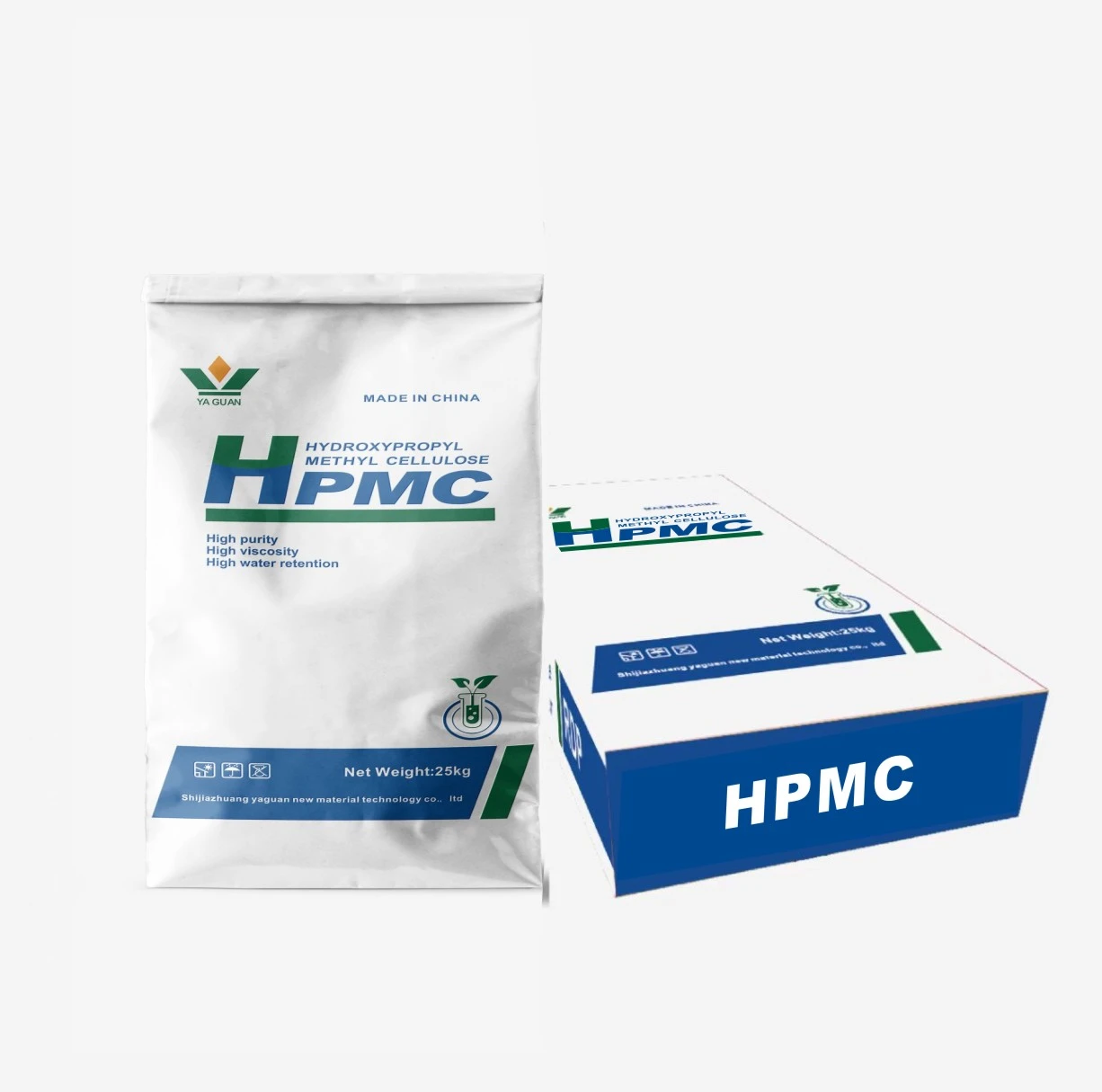
So, what exactly is fondant tylose? Simply put, it is a hydroxypropyl methylcellulose (HPMC) derivative—a water-soluble cellulose ether—commonly used as a thickener, stabilizer, and binder in fondants and other edible coatings. It differs from plain fondant in that it increases viscosity and elasticity, allowing the mixture to remain flexible yet stable.
Think of it as the secret ingredient that keeps fondants smooth, pliable, and resistant to drying out or cracking. Beyond baking, its film-forming properties find uses in controlled-release pharmaceutical tablets, reducing the need for synthetic additives. It’s a fascinating overlap of food science and industrial chemistry.
Key Aspects of Fondant Tylose and Their Practical Roles
1. Moisture Retention and Durability
One of the foremost reasons fondant tylose is prized is its remarkable ability to hold moisture. In practical terms, this prevents fondant toppings from drying too quickly or becoming brittle, which is critical when shipping products over long distances or storing them in fluctuating climates.
2. Flexibility and Elasticity
Unlike traditional sugar-based fondant, tylose-enhanced fondant remains stretchable. This elasticity is a boon for intricate cake designs or pharmaceutical coatings that must endure handling without cracking.
3. Ease of Handling and Processing
Manufacturers appreciate fondant tylose for how effortlessly it blends and gels, speeding up production lines while minimizing waste. It’s kind of like the unsung hero on assembly lines—working quietly but efficiently.
4. Safety and Food-Grade Compliance
Given its wide use in consumables and medicines, fondant tylose meets strict international standards for non-toxicity and hypoallergenic properties. This regulatory support helps it stay relevant across various sectors.
Mini Takeaway: Fondant tylose balances moisture, elasticity, and safety—qualities that manufacturers worldwide find indispensable for stable, high-quality production.
Global Applications: Where Fondant Tylose Makes a Difference
It’s tempting to think fondant tylose belongs only in candy shops, but its applications are strikingly diverse. In post-disaster relief operations, for instance, tylose derivatives help create edible coatings for emergency rations that can maintain freshness without refrigeration. Meanwhile, pharmaceutical manufacturers in North America and Europe rely on it to craft tablet coatings that ensure proper release timing and patient compliance.
Industrially, fondant tylose variants have broader usage in cosmetics and even construction—where cellulose ethers improve texture and durability of plasters and adhesives. The versatility is impressive, really.
| Specification | Value | Unit |
|---|---|---|
| Viscosity Range | 1500–10000 | mPa·s (2% solution) |
| Solubility | Water-soluble | N/A |
| pH Stability | 4 – 11 | pH units |
| Purity (Cellulose %) | >99 | % |
| Shelf Life | 24 | Months |
Advantages and Long-Term Value of Using Fondant Tylose
Here’s the heart of the matter: fondant tylose isn’t just about technical specs. It’s about delivering real-world benefits. Cost-wise, it reduces raw ingredient usage due to its thickening efficiency—meaning you get more for less. Socially, it helps ensure food and medicine quality that maintains safety and dignity for millions every day.
Emotionally, one might underestimate how much trust is tied to the texture and appearance of products—fondant tylose plays a leading role in making those qualities consistent. Plus, its sustainable sourcing from cellulose—an abundant natural resource—adds an eco-friendly touch to manufacturing.
Vendor Overview: Comparing Leading Suppliers of Fondant Tylose
| Vendor | Price Range | Quality Certification | Lead Time |
|---|---|---|---|
| Yaguan HPMC | $$ | ISO 9001, FDA Approved | 2 weeks |
| CelluBond Inc. | $$$ | ISO 14001 | 4 weeks |
| PureCellulose Ltd. | $ | BRC Certified | 3 weeks |
Emerging Trends and Innovations in Fondant Tylose
The future looks bright—and slightly sweeter—for fondant tylose. Ongoing research aims to reduce its environmental footprint further by using bio-based cellulose sources and improving biodegradability. Meanwhile, digital manufacturing technologies enable precise rheology adjustments, so each batch perfectly fits specific texture criteria.
Automation in processing lines, paired with green chemistry protocols, suggests that the supply chains for fondant tylose will not only become faster and cheaper, but also kinder to our planet. Oddly enough, what started as a humble gelatin substitute is stepping into an era of smart materials tailored for personalized healthcare and gourmet food!
Challenges Facing Fondant Tylose and How They’re Addressed
Of course, not everything is perfect. Like many cellulose ethers, fondant tylose's performance can suffer with extreme pH or very high heat, limiting some industrial formulations. Batch variations during production can also cause inconsistency, though advanced quality controls have minimized this in recent years.
To tackle these issues, manufacturers invest in enhanced blending technology and rigorous testing regimens—plus custom formulations that tweak molecular properties. For users, partnering with trusted suppliers like fondant tylose vendors helps ensure predictability and support.
FAQ: Practical Questions About Fondant Tylose
-
Q: What makes fondant tylose better than traditional fondant?
A: Fondant tylose offers improved elasticity, moisture retention, and stability, meaning less cracking or drying compared to regular fondants. This makes it ideal for intricate cake decorations or pharmaceutical coatings. -
Q: How long does fondant tylose last in different storage conditions?
A: Typically, fondant tylose can remain stable for up to 24 months when stored in a cool, dry place away from direct sunlight. However, exposure to extreme heat or humidity can shorten its shelf life. -
Q: Is fondant tylose safe for use in food and medicine?
A: Yes, fondant tylose meets stringent food-grade and pharmaceutical regulatory standards such as FDA and ISO certifications, ensuring it’s safe for human consumption. -
Q: Can fondant tylose be customized for specific industrial needs?
A: Absolutely. Suppliers can adjust viscosity grades and purity levels to match particular product requirements, making it highly versatile across industries.
Conclusion: Why Fondant Tylose Deserves a Place in Your Next Project
When you think about it, fondant tylose quietly supports a lot of the products and medicines we rely on daily, ensuring they look and feel just right. Its blend of technical excellence, global availability, and sustainability makes it a smart choice for manufacturers big and small. If you want to explore how fondant tylose can elevate your production processes or product quality, why not start with trusted suppliers? Visit our website: fondant tylose to learn more and request samples.
In real terms, embracing fondant tylose could be the sweet solution your manufacturing challenges have been waiting for.