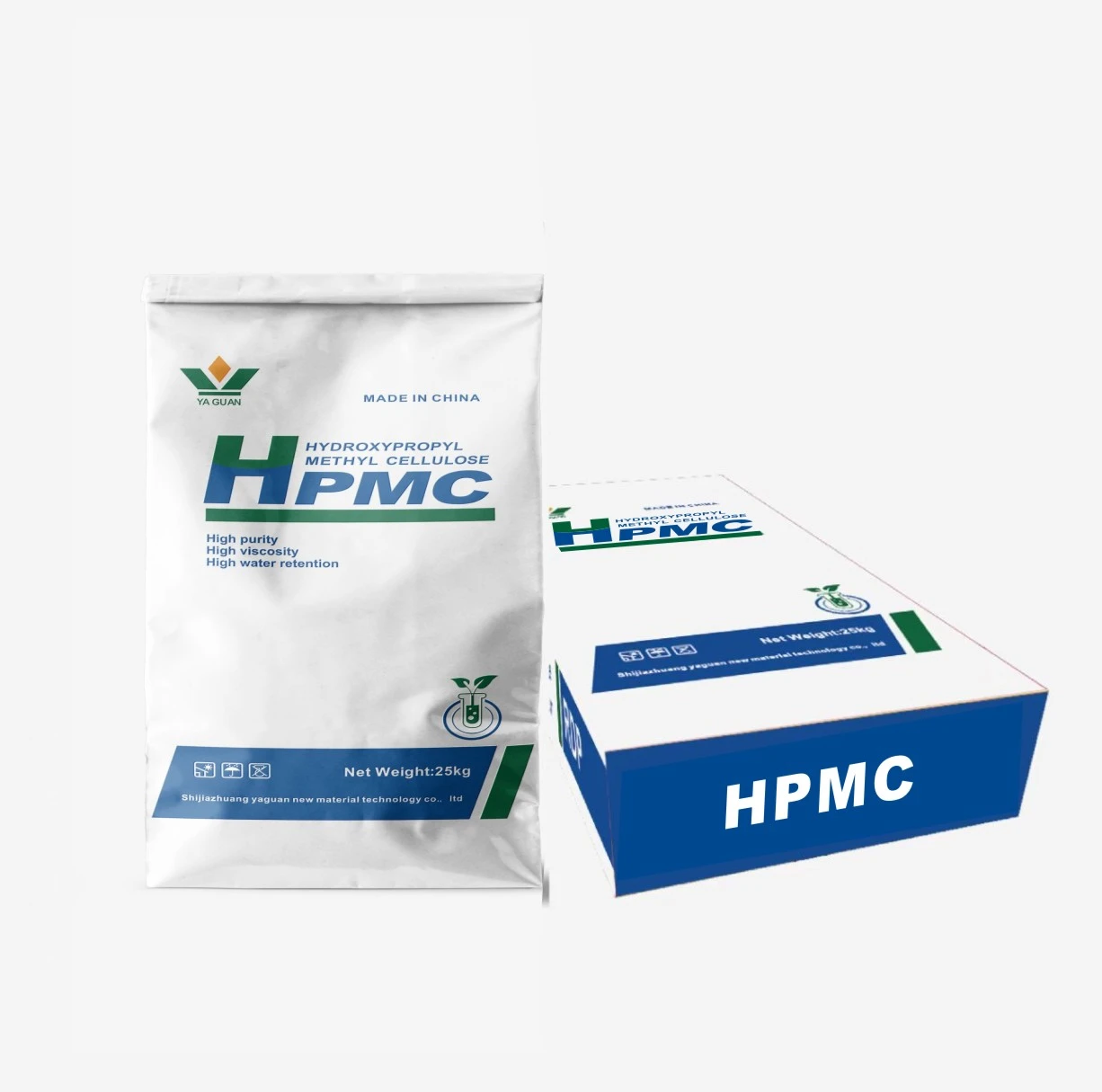

Unlocking the Potential of HEMC Cellulose: Why It Matters
Hemc cellulose — or hydroxyethyl methylcellulose — may sound like a mouthful, but it quietly influences so many products and industries worldwide. From building materials to pharmaceuticals, understanding hemc cellulose's properties opens doors to sustainable innovation. On a global scale, as industries scramble to find greener, more reliable additives and thickeners, this unique cellulose derivative is becoming a key player.
Why does it matter? Simply put, hemc cellulose improves durability, enhances efficiency, and promotes environmental stewardship in ways many overlook. Knowing about it not only benefits manufacturers but also governments, NGOs, and even consumers seeking better, more resilient goods.
Mini takeaway: Hemc cellulose represents a vital ingredient bridging sustainability and performance across sectors – a quiet multitasker deserving attention.
Hemc Cellulose in Today's Global Landscape
Globally, demand for bio-based additives is on the rise. According to the United Nations Environment Programme, over 60% of industrial cellulose derivatives like hemc cellulose originate from renewable resources, reinforcing the shift towards a circular economy. With industries such as construction, food, and cosmetics evolving rapidly post-pandemic, hemc cellulose plays a pivotal role addressing challenges like material stability, water retention, and safe chemical use.
Take the construction industry, for instance: concrete mixtures require fine-tuned viscosity and hydration control. Hemc cellulose enhances these properties, reducing cracks and extending lifespan — critical for infrastructure resilience, especially in climate-vulnerable regions.
Yet, challenges persist. In emerging markets, supply-chain fragmentation affects hemc cellulose’s availability, impacting everything from product quality to cost. This is why global collaboration and innovation in sourcing and production remain necessary.
Mini takeaway: Hemc cellulose is unmistakably embedded in essential industries worldwide, helping tackle big-picture issues like sustainability and durability — but supply logistics can still be a hurdle.
What Is Hemc Cellulose? Breaking It Down Simply
At its core, hemc cellulose is a modified natural polymer made by chemically treating cellulose, the stuff plants use to stay sturdy. It’s a non-ionic, water-soluble polymer that forms gels and thickens liquids, offering texture, stability, and binding properties.
Practically, it’s like the secret sauce in formulations where consistency and moisture control are critical. Whether you’re spreading plaster or mixing a topical lotion, hemc cellulose ensures the material behaves predictably under stress, temperature changes, or long storage periods.
This connection to both nature and industry is what makes hemc cellulose especially valuable—bridging biological origin with high-tech application.
Mini takeaway: Hemc cellulose is a versatile, plant-derived polymer that thickens, binds, and stabilizes — giving confidence to products that need to perform consistently.
Core Components and Key Factors of HEMC Cellulose Use
1. Durability
Engineers often praise HEMC cellulose for boosting product longevity. It resists chemical breakdown and maintains integrity even in tough conditions — which is why it’s common in cement and plaster formulations where cracking can cause failures.
2. Water Retention
This might seem mundane but controlling how a product holds water is crucial. Hemc cellulose optimizes moisture retention for better workability in building materials and improves shelf-life in cosmetics and pharmaceuticals by preventing drying.
3. Compatibility & Non-Toxicity
Because it’s non-ionic and biocompatible, HEMC cellulose blends well with a broad range of chemicals without reacting negatively. This makes it ideal in foods, pharmaceuticals, and personal care products where safety standards are high.
4. Scalability
Interestingly, manufacturers can tailor hemc cellulose properties by adjusting chemical substitution, meaning it can be scaled for varied industry needs — from fine cosmetics to industrial coatings without reinventing the wheel.
5. Cost Efficiency
Compared to synthetic alternatives, hemc cellulose offers a more affordable, eco-friendly solution that often performs better, especially for companies conscious of long-term sustainability and consumer safety.
Mini takeaway: The strength of hemc cellulose lies not only in its natural origin but also in how it delivers durability, moisture management, compatibility, scalability, and cost benefits.
Global Applications & Practical Use Cases of Hemc Cellulose
Hemc cellulose’s reach is surprisingly broad:
- Construction: Improves surface finish and durability in plasters and mortars. In India and Southeast Asia, where rapid urbanization demands quick, reliable building materials, it’s indispensable.
- Pharmaceuticals: Acts as a controlled-release agent in tablets and creams, widely used in Europe and North America for drug delivery innovations.
- Food Industry: Used as a thickener and stabilizer in gluten-free and dairy products, supporting health-conscious consumers worldwide.
- Cosmetics: Provides texture and moisture retention. Leading skincare brands in Japan and South Korea implement it regularly.
- Disaster Relief Efforts: In remote or crisis-hit areas, hemc cellulose-based materials help create fast-setting, durable shelters and sanitation products. NGOs leverage this in Africa and Latin America.
Mini takeaway: From bustling megacities to enclaves of humanitarian aid, hemc cellulose quietly supports an array of practical uses that impact millions.
Advantages & Long-Term Benefits of Using Hemc Cellulose
Cost savings is often the first advantage mentioned, but the story goes deeper. Companies report fewer product failures, enhanced product appeal (think smoother lotions or crack-resistant walls), and a significantly smaller environmental footprint thanks to biodegradable origins.
The social impact is noteworthy. Products containing hemc cellulose tend to be safer for users and workers alike, boosting trust and comfort. Plus, the sustainability angle resonates with consumers tired of synthetic additives.
In short, hemc cellulose delivers tangible ROI through performance improvement while aligning with ethical production trends. That combination feels spot-on in today's market.
Future Trends & Innovations Shaping Hemc Cellulose
Looking ahead, expect hemc cellulose to evolve alongside biotech and green chemistry innovations. Researchers are experimenting with nano-cellulose hybrids to improve mechanical strength while retaining flexibility.
There’s also a push toward integrating hemc cellulose in 3D-printed materials, especially in customized construction and medical implants, which could revolutionize how we think about on-demand manufacturing.
On the policy side, tightening regulations on VOCs (volatile organic compounds) make hemc cellulose an even more attractive additive, since it enables lower chemical emissions.
Challenges & Clever Solutions in Using Hemc Cellulose
Of course, nothing’s perfect. Processing hemc cellulose requires precise moisture and temperature control — small deviations can spoil batches or lead to inconsistent viscosity.
Another challenge is sourcing sustainably at scale without price hikes. Luckily, industry leaders are investing in local cellulose feedstock cultivation and green processing.
One neat workaround I've seen at trade shows is combining hemc cellulose with other bio-polymers to tailor properties while reducing cost—kind of like blending a smoothie.
Frequently Asked Questions About Hemc Cellulose
Q: What makes hemc cellulose preferable to synthetic thickeners in construction?
A: Hemc cellulose is plant-based, biodegradable, and offers excellent water retention and binding without harmful VOCs. This results in longer-lasting materials with improved environmental safety.
Q: Can hemc cellulose be used in drug formulations safely?
A: Absolutely. It is non-toxic, inert, and widely approved in pharmaceutical-grade applications for tablets and topical products ensuring controlled release and texture.
Q: How do climate variations affect hemc cellulose performance?
A: While generally stable, extreme humidity or temperature changes can influence viscosity. Proper formulation and storage mitigate these challenges effectively.
Q: Is hemc cellulose cost-effective for small-scale manufacturers?
A: Yes, its scalability and compatibility make it suitable for businesses of all sizes, offering competitive pricing and improved product consistency.
Q: Where can I source high-grade hemc cellulose sustainably?
A: Reputable suppliers like hemc cellulose vendors focus on green supply chains and rigorous quality controls to ensure sustainability and performance.
In Closing: Why Hemc Cellulose Will Keep Rising
If there’s one takeaway, it’s this: hemc cellulose blends environmental responsibility with practical performance — a rare feat in chemical additives. Its use worldwide across sectors shows just how flexible and forward-looking this material really is.
For manufacturers, NGOs, and innovators alike, investing time and resources to understand hemc cellulose pays off long-term — in durability, compliance, and trust.
Curious? Check out more at our website and see for yourself how hemc cellulose can improve your products or projects.
Product Specification Table
| Specification | Parameter | Typical Range |
|---|---|---|
| Appearance | Fine White Powder | - |
| Moisture Content | % | 5–7% |
| Viscosity (2% Solution) | mPa·s (Brookfield) | 1000–4000 |
| pH (2% Solution) | - | 6–8 |
| Substitution Degree (DS) | - | 1.8–2.2 |
Vendor Comparison Table
| Vendor | Product Grade | Typical Viscosity Range (mPa·s) | Sustainability Certifications | Lead Time (Days) |
|---|---|---|---|---|
| Yaguan HPMC | Standard / Premium | 1000–3500 | ISO 14001, FSC | 7-14 |
| Global Cellulose Corp. | Industrial Grade | 1500–4000 | ISO 9001 | 10-20 |
| EcoFibers Ltd. | Eco Certified | 1200–3000 | FSC, Green Seal | 14-21 |