Understanding RDP Powder China: A Global Overview
When you hear “RDP powder China,” it might sound like one of those technical materials tucked away in the recesses of industrial jargon. But actually, this stuff plays a surprisingly vital role in a range of industries, from construction materials to food additives and pharmaceuticals. Globally, demand has been on the rise, partially driven by China’s massive production and export capacity. But why does it matter beyond just the supply chain? RDP powder stands out for its versatility, cost efficiency, and quality consistency — qualities that echo through both manufacturing floors and humanitarian efforts.
The term itself crops up more often than expected in industry reports. According to sources like the ISO and various trade databases, China supplies a dominant share of the world’s demand for RDP-related powders, especially in sectors that require highly processed, functional polymers or starch derivatives. Challenges like rising raw material costs and sustainability pressures mean exploring RDP powder China is not just about sourcing — it’s about innovation and adaptation.
Mini takeaway: Understanding RDP powder China opens a lens into how a single versatile product can ripple through global supply chains, industries, and even social impact projects.
What Exactly Is RDP Powder China?
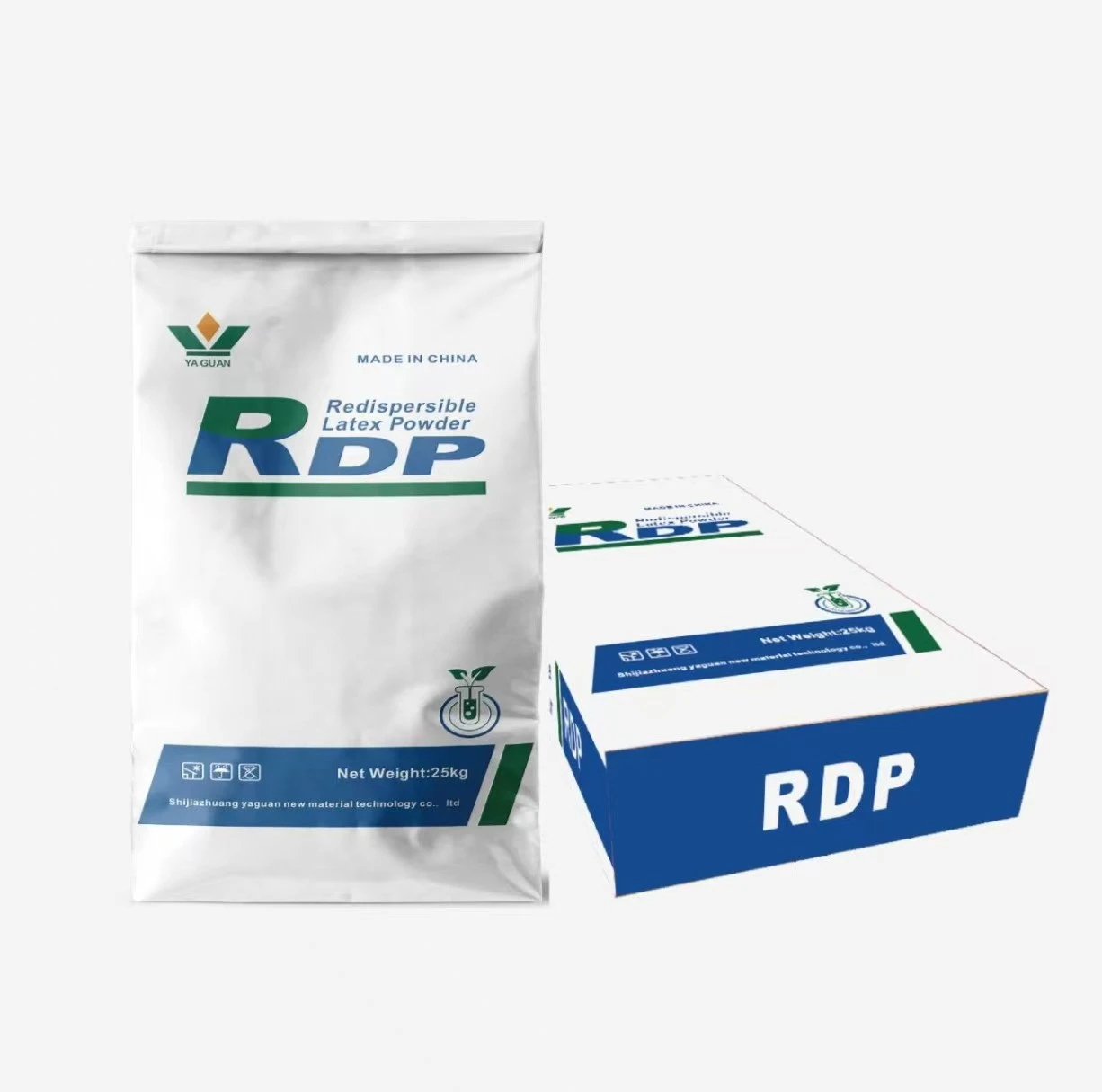
To keep things simple, RDP powder (short for Redispersible Polymer powder) is a kind of dry, finely milled polymer powder produced primarily in China that can be easily reconstituted in water. When mixed, it acts as a binder and adhesion enhancer in cement, mortar, adhesives, paints, and more. It’s a staple ingredient for improving flexibility, water retention, and durability in construction materials.
But it’s not limited to building sites — RDP powder’s unique properties also find their way into food-grade variants and pharmaceuticals, where they can stabilize emulsions or act as carriers for sensitive compounds. So even if it sounds dry and technical, its effects are anything but.
Mini takeaway: RDP powder is essentially a multifunctional additive that boosts performance across various materials, and China is a key player in its global production.
The Core Components: What Makes RDP Powder Tick?
1. Adhesion and Binding Capabilities
At the heart of RDP powder is its ability to improve how surfaces and materials stick together. Many engineers point out that adding this polymer powder to cementitious mixtures significantly enhances bond strength, reducing cracking and increasing lifespan.
2. Water Retention and Workability
One of the quirks about cement application is moisture loss — it can wreck the curing process. RDP powders help retain water, keeping mixtures workable longer, which leads to better application results especially in hot or dry climates.
3. Flexibility and Crack Resistance
Unlike rigid traditional materials, those modified with RDP powder resist micro-cracks, a tough ask for concrete and plaster. This means structures, facades, and floors stay intact longer, saving maintenance headaches.
4. Compatibility with Various Materials
A big win here is how well RDP powders blend with different cements, sands, and fillers without causing instability. This versatility is why so many builders prefer powders from China — they’re consistent and adaptable.
5. Sustainability Potential
China’s RDP powders are increasingly made with environmentally conscious processes, aiming to lower carbon footprints compared to older polymers. This aligns well with global sustainability trends in building design.
| Property | Value / Range | Unit |
|---|---|---|
| Appearance | Fine white to off-white powder | – |
| Dry Polymer Content | 40–60 | % |
| Particle Size | microns | |
| Water Retention | > 90 | % |
| Bulk Density | 450–650 | kg/m³ |
Mini takeaway: RDP powder is quite the all-rounder by design: strong bonding, flexibility, and surprisingly good water retention — all critical for building and manufacturing challenges.
Global Applications: Where Does RDP Powder Shine?
Think global, and you think diversity in terrain, culture, and infrastructure. RDP powder China bridges these divides. Here’s how:
- Construction in Asia-Pacific: Rapid urbanization pushes massive demand for polymers that improve mortar and adhesives. Countries like India, Vietnam, and Indonesia rely on Chinese RDP powder for strong yet flexible buildings.
- Disaster Relief Housing: After calamities, quick and durable setups are necessary. NGOs and governments use RDP-based materials to build shelters that withstand shifting conditions.
- Industrial Flooring in Europe: Factories and warehouses require floors resistant to constant wear and tear; RDP powders help create resilient coatings.
- Food and Pharma Packaging: Specialty grades from China serve food stabilizers and pharmaceutical encapsulation, particularly in Southeast Asia.
Mini takeaway: From city high-rises to makeshift shelters, RDP powder’s footprint is large and surprisingly human-centered.
Advantages and Long-Term Value of Choosing RDP Powder China
OK, here’s the real talk: why bother with RDP powder from China rather than local options? It comes down to a few factors, in my view:
- Cost Efficiency: China’s production scale and mature supply chains often mean better price points without sacrificing quality.
- Material Consistency: Many suppliers comply with ISO standards, guaranteeing predictable results batch after batch.
- Sustainability: Newer production methods try to reduce VOC emissions and energy usage, aligning with green construction goals.
- Social Impact: In disaster-prone regions, reliable RDP powders make housing safer and protect livelihoods — that’s invaluable.
- Innovation: Chinese R&D centers keep pushing the envelope on polymer properties, resulting in powders tailored for next-gen materials.
Mini takeaway: Beyond price, the real value lies in quality, safety, and aligning with future industry directions — a blend that makes RDP powder China a solid bet.
The Horizon: Future Trends and Innovations
Industry insiders say the next decade will be vibrant for RDP powders, spurred by bigger trends:
- Eco-Friendly Polymers: Using bio-based monomers and recyclable polymer blends.
- Digital Quality Control: Smart sensors and AI inspections leading to ultra-consistent batches.
- Customization: Tailor-made powders for niche markets like ultra-lightweight concrete or high thermal resistance paints.
- Automation in Production: Greater precision and less waste in manufacturing.
I noticed many producers list “green chemistry” and “carbon neutrality” as core goals — all positive signs for an industry that’s had its share of environmental questions.
Challenges and How to Overcome Them
Frankly, RDP powder production and application face a few hurdles:
- Raw Material Price Volatility: Imported petro-based feedstocks can be unpredictable. Some companies hedge with alternative biomass sources.
- Quality Variability from New Entrants: China’s big market has many suppliers; selecting reliable vendors is crucial.
- Environmental Regulations: Stricter rules require process adaptation and investment.
Expert recommendations include deep vetting suppliers, investing in quality control, and embracing emerging eco-materials to stay ahead.
| Vendor | Quality Standard | Price Range (USD/ton) | Sustainability Efforts | Delivery Capabilities |
|---|---|---|---|---|
| Guangdong Polychem | ISO 9001, ISO 14001 | 900–1100 | Yes, bio-based R&D | Worldwide |
| Sichuan Polymer Tech | ISO 9001 | 850–1000 | Limited | Asia-Pacific focus |
| Zhejiang PolyPowders | ISO 9001, REACH Compliant | 950–1150 | Active in CO2 reduction | Global |
FAQ: Common Questions About RDP Powder China
Q1: How can I ensure the quality of RDP powder imported from China?
Quality assurance starts with choosing certified suppliers who follow ISO standards. Requesting samples and performing third-party lab testing before bulk purchases is wise. Also, verify batch-to-batch consistency and compliance documentation to avoid surprises.
Q2: What industries benefit most from RDP powders?
Primarily construction, especially for cement and plaster improvement. But food packaging, pharma emulsions, and adhesives also rely on RDP powders for their unique binding and stabilizing traits.
Q3: Are there eco-friendly alternatives to traditional RDP powders?
Yes, many Chinese manufacturers are developing bio-based RDP powders using renewable raw materials, reducing reliance on petrochemical polymers and lowering environmental impacts.
Q4: Can RDP powders be customized for specific project needs?
Absolutely. Suppliers often tailor polymer types, particle size, and water retention depending on whether the powder is used for flexible coatings, tile adhesives, or food industry applications.
Q5: What are the logistical considerations when buying RDP powder from China?
Check for reliable shipping partners, customs compliance, and packaging that prevents moisture exposure during transit. Planning ahead mitigates delays and product damage.
Wrapping It Up: Why RDP Powder China Should Be on Your Radar
To sum it all up, RDP powder sourced from China isn’t just another commodity. It’s a product with layers of complexity and global impact — touching everything from skyscraper facades to lifesaving shelter solutions. Its advantages stretch across economics, innovation, and sustainability, making it a smart choice for forward-thinking businesses.
If you’re looking to dive deeper or source high-quality RDP powder China specialists recommend, don’t hesitate to visit rdp powder china. It’s a world of science and supply that’s surprisingly accessible.
Sometimes the smallest powders hold the biggest impacts — I suppose that’s just the fascinating paradox of materials science.