
Understanding RDP Powder: A Modern Industrial Marvel with Global Impact
If you've ever wandered through the corridors of industrial manufacturing or glanced at innovations in materials science, you may have bumped into the term rdp powder. It’s one of those technical phrases that quietly underpins everything from construction materials to cutting-edge humanitarian relief efforts. Grasping what rdp powder is and why it’s becoming a staple in various fields isn't just for chemists or engineers — it’s relevant worldwide for addressing sustainability, efficiency, and even disaster recovery challenges.
Globally, industries are striving to be smarter and more sustainable. According to the International Organization for Standardization (ISO), material innovation like rdp powders plays a critical role in meeting stringent environmental and performance standards. In an age when resource optimization matters more than ever, understanding this often-overlooked compound feels... essential.
Mini takeaway: RDP powder is a quietly powerful material gaining traction for its versatility and role in improving industrial and humanitarian responses worldwide.
Setting the Stage: Why RDP Powder Matters Globally
What gives rdp powder its global appeal? Well, here’s a snapshot: data from the World Bank points to rising demand for lightweight, durable materials in everything from infrastructure projects to emergency shelters — and rdp powder fits right into that niche. One of the biggest challenges worldwide is balancing cost-efficiency with reliable quality, especially in developing regions or disaster zones.
That’s where rdp powder enters the scene, a solution that addresses supply chain constraints, environmental impact, and functional design all at once. In many ways, rdp powder is a response to global pressures — rapid urbanization, climate change, and shifting industrial protocols. Without such materials, industries would struggle to keep up.
Mini takeaway: RDP powder isn’t just a technical product; it’s a strategic asset in tackling global logistics, sustainability, and industry standards.
Defining RDP Powder: What Exactly Is It?
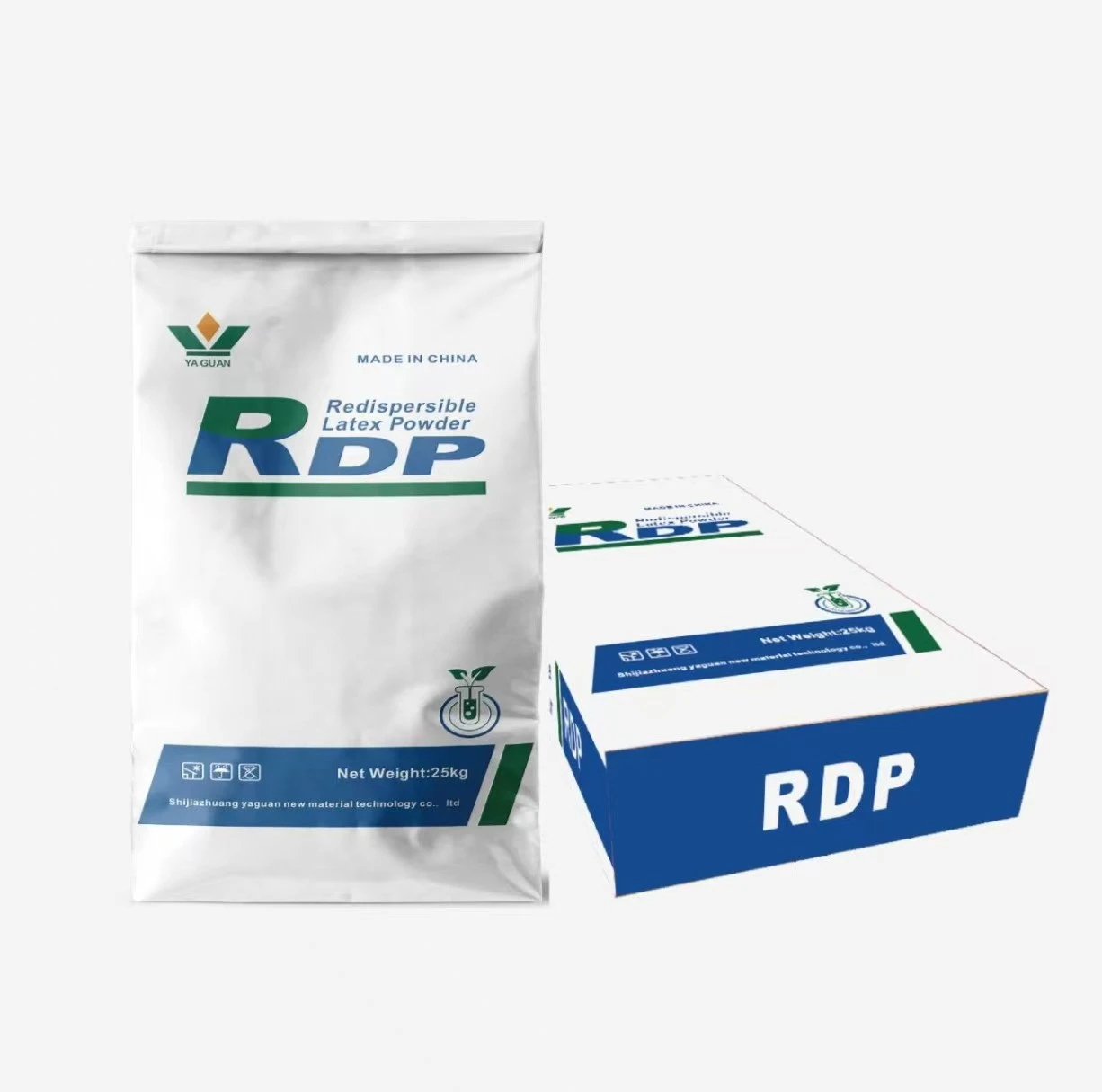
At its core, rdp powder stands for Redispersible Polymer Powder — yes, that mouthful! Simply put, it’s a powdered polymer that, when mixed with water or adhesives, redisperses into a flexible binder. Think of it like a secret ingredient that revitalizes cement, mortar, or plaster mixes, drastically improving their performance.
Industrially, it provides enhanced adhesion, elasticity, and durability for construction materials, meaning buildings withstand cracks and environmental stresses better. Beyond construction, it’s increasingly used in specialized coatings, tile adhesives, and even packaging sectors. Oddly enough, it bridges the gap between chemistry and practical, boots-on-the-ground solutions.
Mini takeaway: RDP powder transforms basic industrial compounds into smarter, more flexible materials — it’s a little helper with a big punch.
Key Characteristics of RDP Powder
1. Durability and Flexibility
Many engineers swear by the enhanced crack resistance rdp powder affords to cementitious products. By providing elasticity, it helps materials absorb structural movements without breaking apart — crucial in earthquake-prone or climate-challenged areas.
2. Water Resistance
The powder confers water repellency that keeps the materials from degrading due to moisture. This means longer lifespan for facades and improved performance in wet conditions.
3. Compatibility & Redispersibility
As its name suggests, rdp powder can be “awakened” by water, making it a flexible additive across numerous applications. Its versatility means industries can integrate it without significant equipment changes.
4. Ease of Storage & Transport
Because it’s a dry powder, it’s lightweight and easy to ship globally, making it especially valuable for remote or disaster-affected areas.
5. Environmental Benefits
RDP powders can reduce the energy and raw material footprint compared to alternatives — a key factor in green building certifications like LEED.
Mini takeaway: RDP powder’s durability, water resistance, and versatility make it an industrial Swiss army knife for modern material needs.
Global Applications of RDP Powder: Real-World Use Cases
In real terms, rdp powder shows up in surprising places:
- Post-disaster reconstruction: NGOs utilize materials containing rdp powder to quickly erect durable, weather-resistant shelters in places like Southeast Asia and Central America.
- Infrastructure projects: European and Middle Eastern construction firms rely on rdp-enhanced mortars to improve roadworks and building facades, protecting investments from wear.
- Industrial coatings: In manufacturing hubs, such as those in China’s coastal provinces, rdp powder contributes to coatings that resist chemical corrosion, extending equipment life.
- Consumer packaging: Some eco-conscious brands incorporate rdp polymers for flexible films that are lighter and more recyclable.
Mini takeaway: RDP powder's flexibility means it supports a wide range of industries, from emergency relief to everyday manufacturing.
Advantages and Long-Term Value of RDP Powder
Let’s be honest: when you’re buying or specifying materials, you want solid facts and a bit of reassurance. RDP powder delivers on multiple fronts.
- Cost efficiency: By improving product longevity and reducing repair needs, it saves money over time.
- Sustainability: Lesser raw material consumption and longer-lasting products translate into a smaller environmental footprint.
- Social impact: Durable shelters and infrastructure mean safer, more dignified living for vulnerable populations.
- Reliability: Its consistent performance builds trust for architects, builders, and NGOs alike.
I find it fascinating how something as humble as powder can hold such promise — embodying engineering innovation and a kind of optimism for future challenges.
Future Trends and Innovations in RDP Powder Technology
The story of rdp powder isn’t static. Manufacturers are pushing boundaries, integrating nanotechnology to further enhance adhesion and water resistance. There’s also a clear move toward bio-based polymers to improve biodegradability, reflecting global sustainability goals.
Automation in mixing and applying rdp-infused products is on the rise as well — speeding up construction, lowering labor demands, and improving precision. Digital monitoring of material performance in real-time is another emerging innovation, allowing engineers to tweak applications on the fly.
Mini takeaway: The future of rdp powders lies at the intersection of green tech, automation, and smart construction materials.
Common Challenges and How to Overcome Them
Of course, no solution is perfect. Some challenges persist, like ensuring consistent quality across batches or educating users on the correct mixing ratios. Logistics in extremely remote regions can still pose supply difficulties.
Industry leaders recommend rigorous quality assurance and tailored training for end-users. Some innovative companies now provide pre-blended kits and offer virtual guidance to reduce errors. Also, advances in packaging design are helping to preserve powder quality during transport.
Mini takeaway: By combining tech and education, the industry is proactively minimizing the hurdles associated with rdp powder use.
Frequently Asked Questions About RDP Powder
- Q: How does rdp powder improve the lifespan of tile adhesives?
A: The powder enhances flexibility and water resistance in adhesives, preventing cracks and detachment caused by temperature changes or moisture, which extends tile durability. - Q: Is rdp powder suitable for outdoor construction projects?
A: Absolutely. Its improved resistance to water and environmental stress makes it an excellent additive for outdoor mortars and plasters, ensuring longer-lasting structures. - Q: Can rdp powder reduce the carbon footprint of building materials?
A: Yes, by improving material durability and reducing the need for replacements or repairs, rdp powder indirectly lowers carbon emissions over a building's lifetime. - Q: How do I store rdp powder to maintain its quality?
A: Store in a cool, dry place within sealed packaging to avoid moisture exposure. Proper storage ensures the powder redisperses properly when used. - Q: Are there alternatives to rdp powder for improving construction materials?
A: There are, such as liquid polymers, but rdp powders offer advantages in transport and shelf life, making them often more practical, especially for remote applications.
Product Specification Table
| Specification | Value | Unit |
|---|---|---|
| Polymer Type | Vinyl Acetate Ethylene (VAE) | - |
| Particle Size | 10-30 | microns |
| Bulk Density | 400-600 | kg/m³ |
| Redispersibility | >98% | - |
| Water Absorption | % | |
| Shelf Life | 12 | months |
Vendor Comparison: Choosing the Right RDP Powder Supplier
| Vendor | Purity (%) | MOQ | Lead Time | Global Shipping | Price Range (USD/kg) |
|---|---|---|---|---|---|
| Yagua HPMC Co. | 99.5 | 500 kg | 7-10 days | Yes | 1.2 - 1.5 |
| Polymers Inc. | 98.0 | 1000 kg | 14 days | Limited | 1.0 - 1.4 |
| Global Chem Supplies | 97.5 | 200 kg | 10-12 days | Yes | 1.3 - 1.6 |
Final Thoughts: Why RDP Powder Could Be Your Next Best Material Choice
From strengthening urban infrastructure to enabling quicker, safer disaster relief solutions, rdp powder is quietly shaping industries and communities alike. Its technical perks translate into real-world impact — something anyone following global trends can appreciate. Frankly, this powder is more than just an additive; it’s a vital player in meeting tomorrow’s challenges.
If you’re considering incorporating rdp powder into your projects or supply chain, it’s worth exploring trusted vendors like Yagua HPMC Co.. They deliver quality, transparency, and global service — which in this business, is everything.
Curious? Dive deeper and stay ahead of the curve with practical materials that don’t just hold things together but build a more resilient world.