
The Essential Guide to Re Dispersible Polymer Powder: What It Is and Why It Matters
Re dispersible polymer powders (RDPs) might sound like specialized jargon, but they quietly underpin many of the construction and repair materials that keep our cities and infrastructures running smoothly. Understanding RDPs isn’t just for chemists or industrial types — it’s about grasping a key ingredient in modern construction that impacts everything from housing durability to sustainable development worldwide.
Globally, demand for durable, flexible, and eco-friendly building materials is surging. As urban areas explode in population and industries stretch into fragile environments, materials like RDPs help solve serious challenges. Whether it’s improving the performance of cement or boosting wall coatings’ elasticity, RDPs add remarkable versatility.
Understanding the Global Relevance of Re Dispersible Polymer Powder
Worldwide, construction sectors contribute over 13% of global GDP, according to the World Bank data. However, traditional materials often struggle with durability, especially in extreme climates or disaster-prone regions. That’s where re dispersible polymer powders come in — offering improved adhesion, water resistance, and flexibility.
In fact, the ISO standards for cement additives increasingly recognize RDPs as essential enhancers. Yet, despite these advances, many building projects face setbacks due to material failures—pushing demand for better-performing additives globally.
Mini takeaway: RDPs play a silent but critical role in a booming global industry seeking solutions for durability and sustainability.
What Is Re Dispersible Polymer Powder?
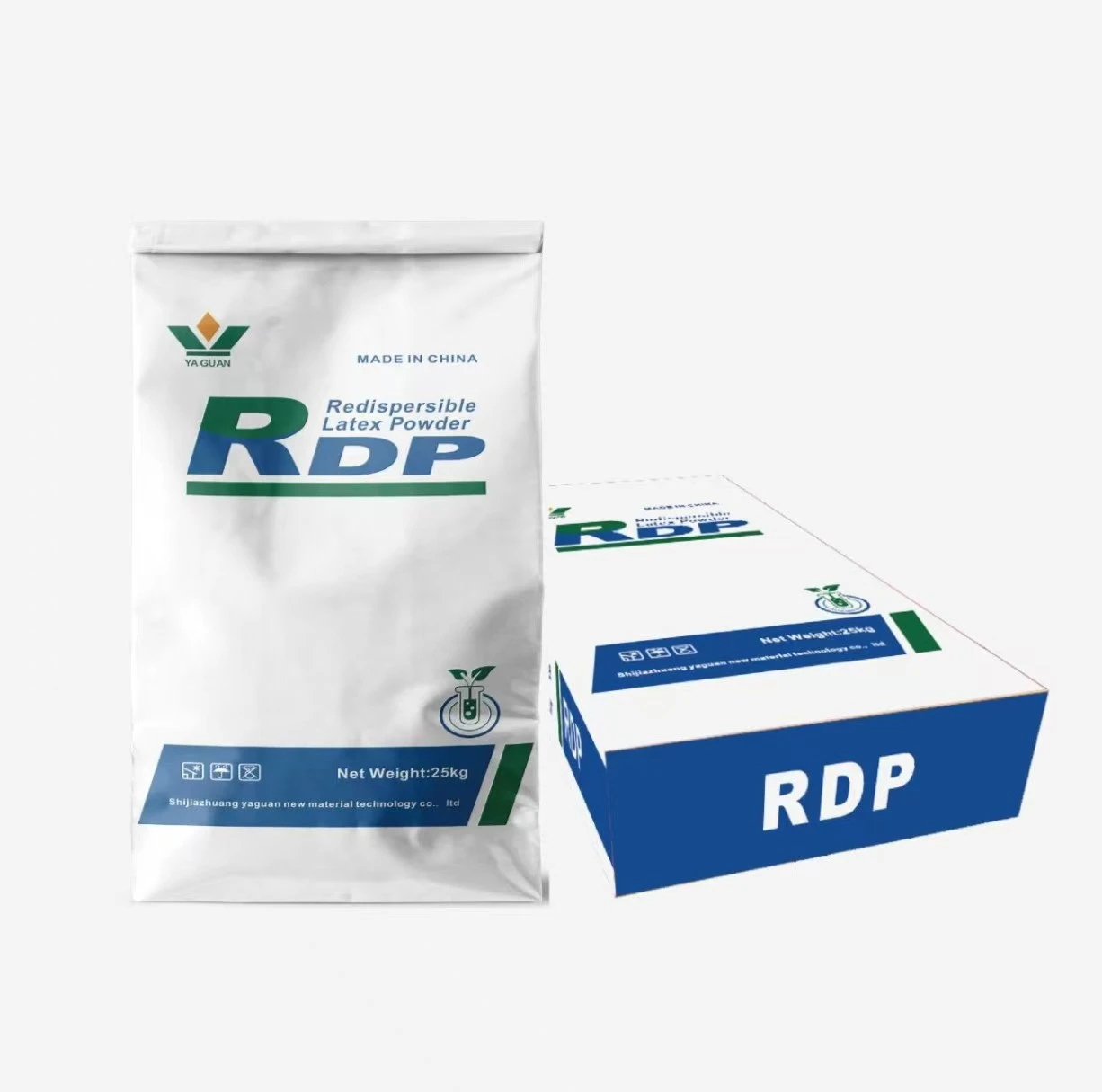
Simply put, re dispersible polymer powder is a dry powder form of polymer particles that, once mixed with water, re-form into a polymer dispersion. Imagine a powdered paint that, when rehydrated, acts like the liquid original – that’s the principle. This characteristic means polymers can be transported and stored in a stable form, then reactivated on-demand during construction or repair processes.
Industrially, these powders are mostly used as additives in cement, mortar, and tile adhesives to improve flexibility, adhesion, and water resistance. They’re often based on vinyl acetate or ethylene copolymers, crafted so they can re-disperse evenly without clumping.
On a humanitarian level, RDPs contribute to building shelters and infrastructure quickly and reliably in disaster-hit zones, where ease of transport and storage are vital.
Core Components That Make Re Dispersible Polymer Powder Work
1. Durability
The polymers add elasticity and toughness to brittle dry mixes, reducing cracks and extending lifespan. Many engineers say RDPs essentially create a flexible network inside cementitious mixes.
2. Water Resistance
Thanks to polymer films formed upon curing, materials become less permeable to water — a huge deal in humid climates or external facades.
3. Adhesion Enhancement
Bond strength improves, meaning materials adhere better to substrates, cutting down failures caused by peeling or delamination.
4. Workability & Ease of Use
Because powders re-disperse effortlessly, they can be integrated without significant process changes — a convenience valued in on-site construction work.
5. Cost Efficiency
While adding RDPs adds some upfront expense, reduced failures and lower repair needs translate to better life-cycle economics.
Mini takeaway: Think of RDPs as the secret sauce that upgrades ordinary building mixes into long-lasting, resilient solutions.
Real-World Applications: Where Does Re Dispersible Polymer Powder Get Used?
Across sectors, RDPs have become a go-to additive:
- Construction Industry: From tile adhesives in Europe to exterior renders in Asia, RDPs boost the quality and reliability of myriad products.
- Disaster Relief Efforts: In recent years, NGOs building temporary shelters in earthquake zones have relied on polymer-modified mortars that use RDPs for ease of transport and fast curing — for instance, in Nepal post-2015 earthquake.
- Industrial Flooring: Factories needing chemical resistance and crack-free concrete often specify polymer powders to extend floor life.
- Waterproof Coatings: Paint manufacturers employ RDPs to improve adherence and flexibility.
Interestingly, regions with harsh winters or tropical climates find polymer powders especially valuable because of their performance under temperature extremes and humidity.
Product Specification Table: Typical Characteristics of Re Dispersible Polymer Powder
| Property | Typical Value | Unit |
|---|---|---|
| Polymer Type | Vinyl acetate ethylene copolymer | – |
| Average Particle Size | 40–60 | microns |
| Minimum Film Formation Temperature (MFFT) | 0–5 | °C |
| Solids Content | 94–98 | % |
| Bulk Density | 350-450 | kg/m³ |
| Water Solubility | Re dispersible | – |
Comparing Leading Vendors of Re Dispersible Polymer Powder
| Vendor | Product Range | Typical MFFT (°C) | Main Application | Strengths |
|---|---|---|---|---|
| Yaguan Chemicals | Vinyl acetate & EVA powders | 0–3 | Mortars, adhesives, coatings | High purity, customizable grades |
| PolyChem Solutions | Ethylene-vinyl acetate blends | 2–5 | Tile adhesives, waterproofing | Consistent batch performance |
| BuildForm Polymers | Vinyl acetate & acrylic blends | 1–4 | Exterior renders, flooring | Wide product portfolio |
Advantages and Long-Term Value of Using Re Dispersible Polymer Powder
This powder isn’t just a nifty additive; it fundamentally transforms the way materials behave:
- Cost savings come not only from improved material performance but also less waste and fewer repairs.
- Sustainability becomes more attainable since RDP-enhanced products often allow use of lower amounts of cement, reducing carbon footprint.
- Social impact: Safer, more resilient buildings mean communities better withstand natural disasters.
- Reliability: Users gain trust in materials that perform predictably, whether in scorching deserts or freezing mountain regions.
Frankly, it’s a classic win-win situation marrying economics with environmental stewardship.
Innovations Shaping the Future of Polymer Powders
The future looks equally promising. Researchers are actively developing bio-based polymers to replace petroleum-derived ones, aligning with global green energy goals. Automation technology is enabling precise dosing of RDPs in production lines, enhancing consistency. Digital platforms too, are helping distributors and customers select tailored polymer powders via online tools.
We see increasing emphasis on compatibility with emerging cement alternatives like geopolymer cements, offering sustainable and high-performance mixes powered by RDPs. It’s like the building blocks of tomorrow’s world literally reshaping themselves.
The Challenges Around Re Dispersible Polymer Powder—and How Experts Address Them
No product is perfect, and RDPs face their share of hurdles:
- Storage Sensitivity: Although stable as powders, humidity and temperature fluctuations can cause lumping if not stored properly.
- Cost Constraints: In some developing markets, upfront costs may discourage adoption despite longer-term savings.
- Compatibility Issues: Polymer powders sometimes don’t mix well with certain additives without careful formulation.
Innovative packaging, flexible pricing tiers, and close R&D partnerships with clients help mitigate these. Some companies even offer on-site technical support to ensure smooth integration.
FAQ: Your Key Questions About Re Dispersible Polymer Powder
Q1: How does re dispersible polymer powder improve tile adhesive performance?
A: By forming a flexible polymer film upon hydration, the powder enhances adhesion strength and water resistance, reducing tile detachment and increasing durability in wet areas.
Q2: Can re dispersible polymer powder be used in cold climates?
A: Absolutely. Their Minimum Film Formation Temperature (MFFT) can be quite low, allowing them to cure properly even at temperatures close to freezing, which is crucial for outdoor applications in chilly regions.
Q3: Is using re dispersible polymer powder cost-effective in the long run?
A: While initial costs may be higher than traditional additives, improved performance lessens repair and maintenance expenses, offering better life-cycle value and savings.
Q4: How should I store re dispersible polymer powder to keep it viable?
A: Store it in a cool, dry place, avoiding moisture exposure and extreme temperatures to prevent clumping and maintain dispersibility.
Q5: Are there eco-friendly versions of re dispersible polymer powder?
A: Yes, manufacturers are increasingly producing bio-based and low-VOC options to address sustainability and environmental impact concerns.
Wrapping Up: Why Re Dispersible Polymer Powder Remains Vital
In real terms, polymer powders quietly power some of the most resilient, adaptable, and sustainable construction materials of our time. Whether you’re a building professional, a distributor, or simply curious about the materials shaping our built environment, knowing the role of re dispersible polymer powder offers insight into a field that’s often overlooked but fundamentally important.
Interested in exploring tailored polymer powder solutions? Visit our website: https://www.yaguanhpmc.com — where innovation meets durability.
Reflection & References
It’s always impressive how a few grams of polymer powder can change the fate of entire buildings. The quest for sustainability and resilience nowadays makes such products priceless. If you dive into the ISO or World Bank links, you’ll see how standards and data back up these facts — kind of reassuring that science and industry march together.