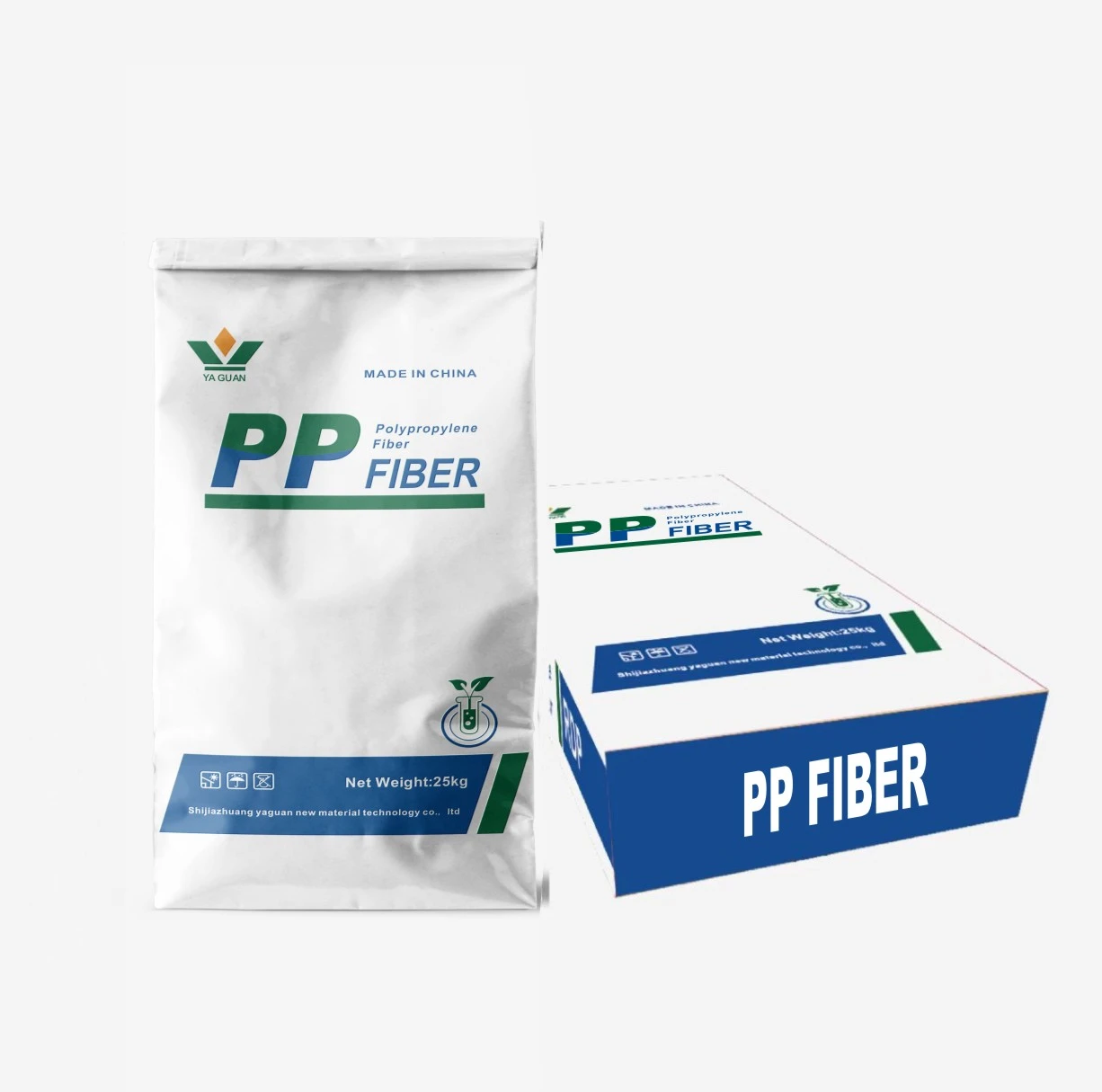

What Is Redispersible Polymer Powder (RDP) and Why Does It Matter Worldwide?
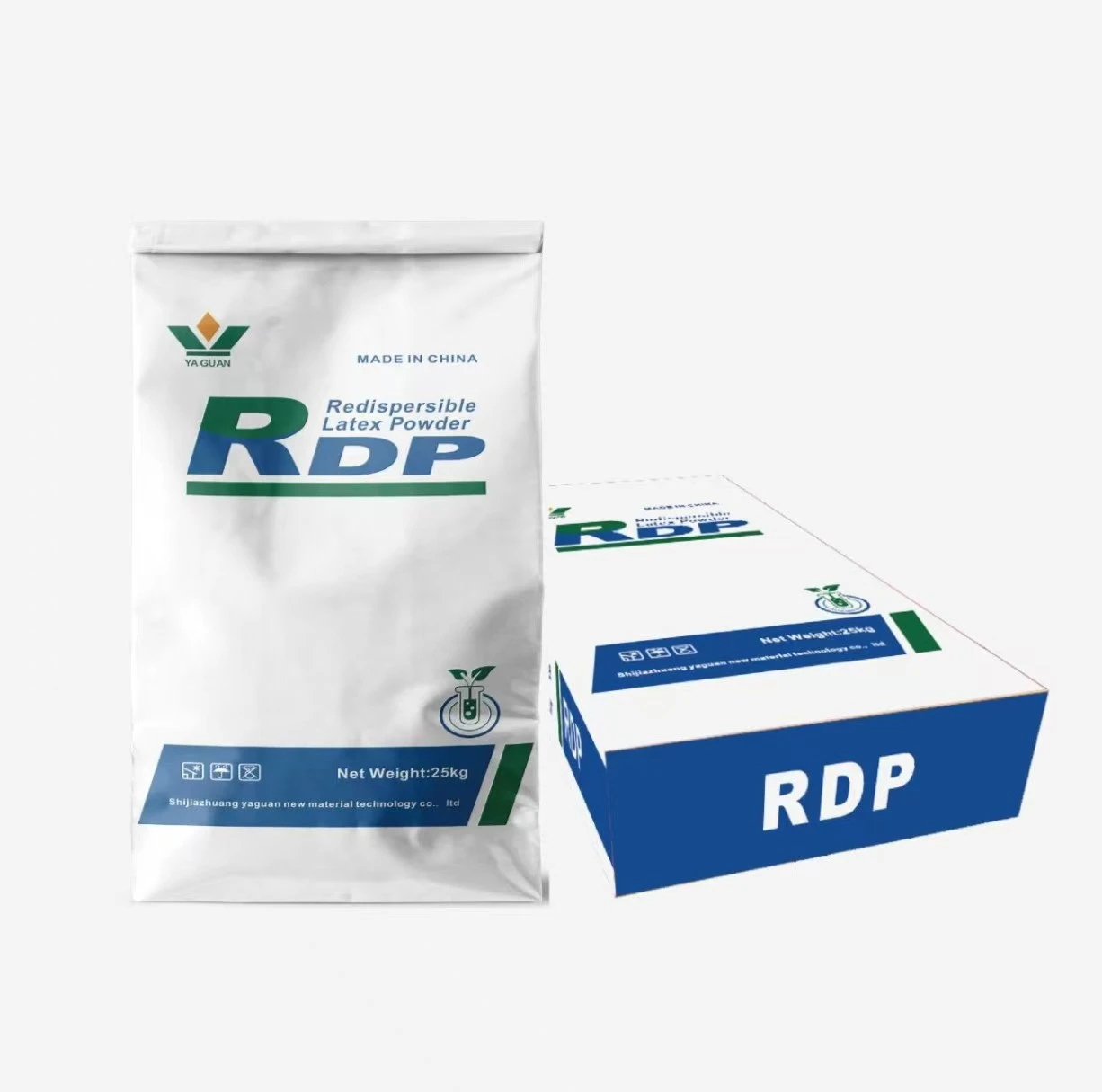
Perhaps you've come across the term redispersible polymer powder (RDP) without fully knowing what it entails or why it’s becoming such a buzzword in construction and industrial circles globally. In simple terms, RDP is a finely milled polymer powder used mainly to enhance the properties of cementitious and mortar mixes. It acts sort of like a high-tech ingredient — it improves flexibility, adhesion, water retention, and durability of building materials.
Globally, with urban growth and infrastructure demands soaring (the UN estimates that by 2050, nearly 68% of the world population will live in cities), mastering materials like RDP is crucial. Understand it well, and you’re holding a key to sustainable construction, resilient buildings, and efficient manufacturing. It's a topic that, frankly, is shaping how we craft and rebuild our environments all over the world.
The Global Context: Why Is RDP So Relevant Today?
Across continents, from bustling metropolises in Asia to post-disaster rebuilding zones in Africa and Latin America, there's a pressing need for materials that can withstand tough conditions and accelerate construction timelines. The World Bank reported that infrastructure investment needs will reach trillions by 2030, pushing demand for innovative building science solutions.
Redispersible polymer powder addresses several of these challenges head-on — improving materials without adding environmentally harmful substances. It helps reduce water usage, enhances adhesion (critical for retrofitting older structures or creating rapid repairs), and supports longer-lasting buildings.
A real-world problem RDP tackles is the brittleness and cracking susceptibility of traditional cement mortars, especially in harsh climates. This powder enables mixes that remain more elastic and better bonded, which is crucial in places prone to temperature extremes or seismic activity.
So, What Exactly Is Redispersible Polymer Powder?
At its core, RDP is a polymer-based powder derived by drying aqueous polymer emulsions. When mixed with water again (hence “redispersible”), it swells and forms a flexible, continuous film within cement or mortar matrices. Think of it like adding a secret sauce that binds everything more effectively and shields against moisture loss.
This attribute makes RDP incredibly valuable not just in building blocks and plasters but also in modern applications like tile adhesives, dry-mix mortars, and even waterproofing formulations.
Oddly enough, though it sounds technical, RDP’s function is remarkably straightforward: it boosts adhesion, prevents cracking, and helps materials better cope with physical stresses — improving longevity in industrial as well as humanitarian projects, like refugee shelter construction.
Key Properties That Define Quality in RDP
1. Durability
The polymer film formed by RDP significantly enhances resistance to mechanical stress, making structures less prone to damage over time. This durability makes it highly sought-after in infrastructure projects that demand long service lives.
2. Water Retention Capability
One somewhat underappreciated trait is RDP’s ability to improve the water retention of mortars, helping the cement continue to hydrate properly. This translates directly into fewer cracks and better surface finishes.
3. Flexibility and Adhesion
By improving flexibility, RDP avoids the brittle failures that plague many traditional cement-based products, especially under thermal fluctuations. Its adhesion qualities also mean better bonding to a variety of substrates.
4. Compatibility and Scalability
RDP is compatible with a wide range of cement types and admixtures, making it scalable from small DIY projects to massive commercial builds.
5. Cost-Effectiveness
While not necessarily the cheapest additive, the long-term savings via enhanced longevity, reduced repair frequency, and improved performance make RDP a cost-saving investment.
Mini takeaway: These characteristics collectively make redispersible polymer powder a versatile, effective option for modern construction challenges—something many engineers continuously praise for its reliability.
Redispersible Polymer Powder in Action: Real-World Applications
Globally, RDP finds use in:
- Tile adhesives and grouts in Europe’s retrofit market
- Mortar mixes for post-disaster housing in Southeast Asia, enabling faster, safer rebuilding
- Waterproofing membranes used in North American infrastructure projects
- Mortar repair and restoration in historic site conservation in the Middle East
In remote industrial zones, where supply chains are strained, using RDP-enhanced dry mixes cuts down logistics and extends shelf life — vital in places where delays could mean stopped production or unsafe living conditions for workers.
One case from South Asia involved a construction firm upgrading a hospital facility with RDP-modified plasters. The end result? Faster curing times and noticeably stronger walls — crucial where patient safety and hospital uptime aren’t negotiable.
Advantages and Long-Term Benefits You Can’t Ignore
Using RDP-enhanced products not only boosts material performance but also resonates emotionally with stakeholders. Imagine a home built with materials that actually “breathe” and endure decades rather than decades-plus of patch jobs. Safety feels real, dignity gets preserved, and innovation meets tradition.
- Environmental impact: By improving mix properties, RDP supports lower cement usage and less water waste — small but significant steps toward sustainability.
- Cost reduction: Fewer repairs, longer lifespan, and faster project cycles translate to real budget wins.
- Social good: Durable materials mean safer housing, especially in disaster-prone regions.
Looking Ahead: Trends and Innovations Around RDP
RDP isn’t standing still. Green chemistry is influencing its formulation — think bio-based polymers and lower carbon footprints. Digital tools are helping labs tailor particle sizes and blends to perfectly fit client needs.
Automation in manufacturing lets producers scale faster without sacrificing quality. Plus, given the rising push for eco-conscious materials, expect RDPs to increasingly align with green building certifications like LEED and BREEAM.
Tackling the Challenges & Emerging Solutions
Despite many perks, it’s not all perfect. Currently, RDP's hydrophobic tendencies can sometimes interfere with setting times or require precise dosing. Additionally, market transparency around polymer types varies, making quality control critical.
Innovations like nanotech-enhanced polymers and better emulsifier blends promise to address these limits. Industry consensus is growing that close collaboration between material scientists and builders is the key to unlocking RDP’s full potential.
Frequently Asked Questions About Redispersible Polymer Powder (RDP)
- Q: What makes redispersible polymer powder better than other cement additives?
A: RDP uniquely disperses evenly in water to form a flexible film within cement, improving adhesion and flexibility without major formulation changes—something few additives match. - Q: How long can RDP-enhanced materials last in harsh environments?
A: When properly applied, they can last several decades longer than standard mixes, thanks to improved resistance against cracking and moisture damage. - Q: Is RDP environmentally friendly?
A: While polymers are synthetic, advances in bio-based polymers and reduced cement consumption via RDP contribute to better sustainability metrics compared to traditional methods. - Q: Can small businesses easily incorporate RDP into their products?
A: Yes, RDP is compatible with various cement types and doesn’t require special equipment—just proper dosing and mixing techniques. - Q: Where can I find quality redispersible polymer powder suppliers?
A: Make sure to check vendor certifications, purity specs, and track records. Reliable suppliers often provide technical support to optimize product use.
Quick Overview of Typical Product Specifications
| Specification | Typical Value | Remarks |
|---|---|---|
| Appearance | Fine white powder | Consistent particle size 5-30 μm |
| Polymer Type | Vinyl acetate ethylene (VAE) | Common for construction use |
| Minimum Solids Content | 95% | Ensures performance consistency |
| Water Retention | ≥95% | Enhances mortar workability |
| Bulk Density | 350-450 kg/m³ | Affects mix design |
| pH Value | 6-8 | Neutral to slightly alkaline |
Comparison of Leading Redispersible Polymer Powder Vendors
| Vendor | Polymer Base | Typical Use Case | Price Range (per kg) | Global Reach |
|---|---|---|---|---|
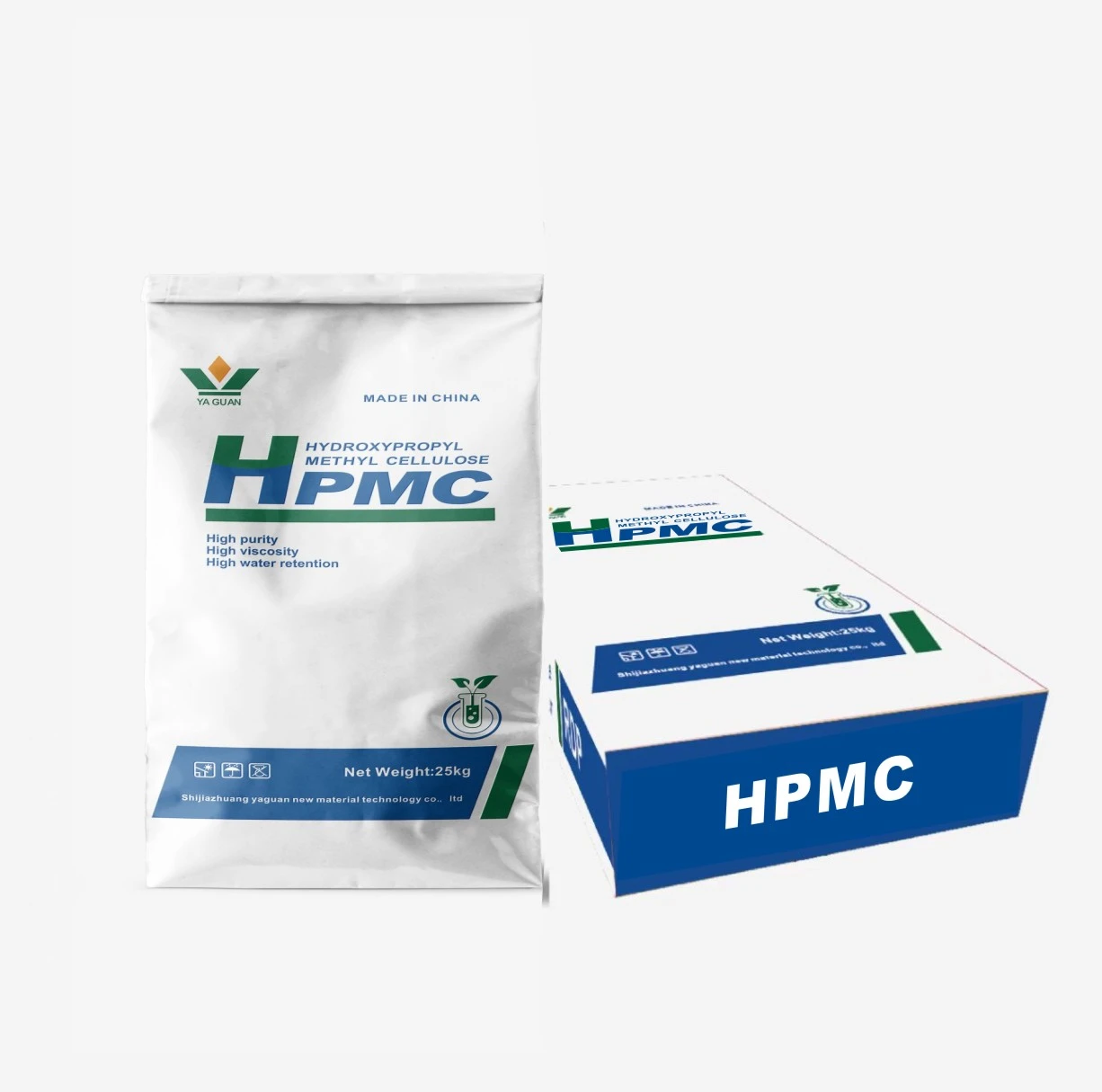
| Yaguan HPMC | Vinyl acetate ethylene (VAE) | Tile adhesives, mortars | $1.5 - $2.2 | Asia, Europe, Americas |
| BASF | Styrene-butadiene (SBR) | Waterproofing, concrete admixtures | $2.0 - $2.8 | Worldwide |
| Dow Chemical | Acrylic copolymer | Plasters, renovation mortars | $1.8 - $2.5 | Global |
| Wacker Chemie | Vinyl acetate ethylene (VAE) | Dry mortars, industrial coatings | $2.1 - $2.9 | Europe, Asia |
Wrapping It Up: Why Consider Redispersible Polymer Powder RDP?
The bottom line: redispersible polymer powders combine chemistry and construction know-how in a way that’s truly practical and forward-looking. They solve real-world problems — from reducing brittle failures to enabling faster, more sustainable builds — especially critical in a world racing to accommodate growth and mitigate disaster risks simultaneously.
For companies, architects, and engineers looking to innovate in cementitious materials, understanding and using redispersible polymer powder rdp is more than a nice-to-have — it’s an edge.
If you want to dive deeper or source high-quality powders tailored for your project, visit Yaguan HPMC’s website to explore what’s available and start your journey toward smarter, resilient building materials.