
Understanding the Redispersible Polymer Powder Market: Why It Matters Today
If you've ever wondered how modern construction materials manage to combine strength, flexibility, and long-term durability without breaking the bank — redispersible polymer powders are often a secret hero. The redispersible polymer powder market represents a crucial segment of industrial polymers that serve as binders in cement and plaster formulations, enhancing everything from adhesion to crack resistance. Globally, understanding this market means grasping the future of sustainable construction and resilient infrastructure.
Why should anyone outside the chemical or construction sectors care? Well, the realities of urbanization, climate change, and disaster relief mean construction materials need to perform better, last longer, and sometimes be deployed rapidly under tough conditions. The redispersible polymer powder market answers those calls with innovative solutions that cross industries and continents.
Mini takeaway: It's not just chemistry jargon. These powders shape how buildings and homes endure, especially when the stakes are high.
Setting the Scene: Global Importance of Redispersible Polymer Powders
The global push for infrastructural improvement is staggering. According to the World Bank, urban population growth is projected to hit 68% by 2050, mainly in developing regions. This growth demands materials that can support fast construction cycles without compromising quality. The UN’s Sustainable Development Goals (SDGs), particularly Goal 9 (Industry, Innovation & Infrastructure), highlight the need for resilient construction materials — exactly where the redispersible polymer powder market fits in.
But there’s a catch: traditional cement-based materials are brittle and prone to micro-cracking. This leads to costly repairs and often catastrophic failures post-disasters. So how do we make these materials more flexible and durable without ballooning costs? That’s the challenge the redispersible polymer powders address, and the market is responding strongly.
Mini takeaway: Rising urban demand plus sustainability goals equal booming opportunity and real-world impact for polymer powders worldwide.
Redispersible Polymer Powder Market: What Is It Exactly?
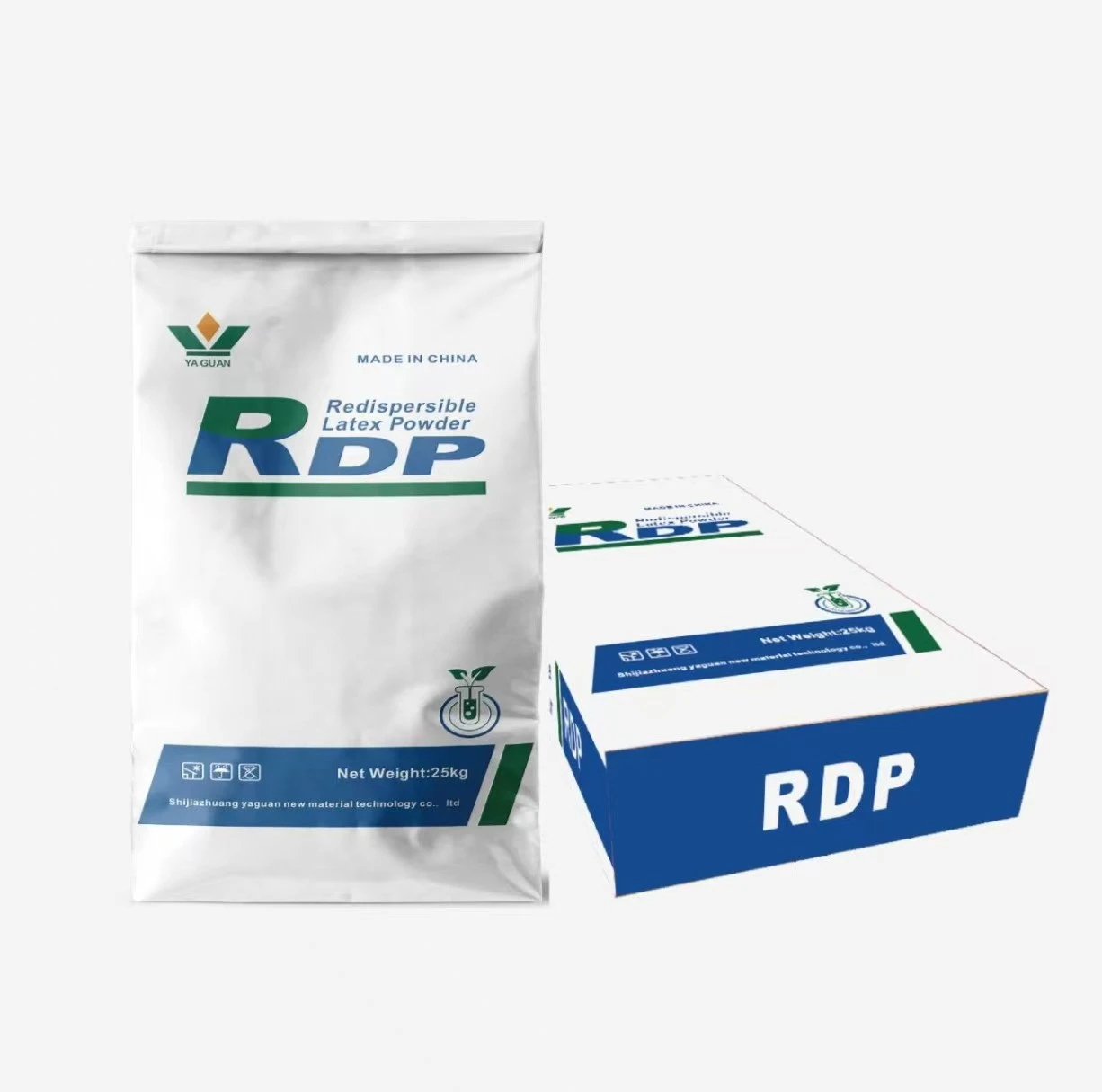
Simply put, redispersible polymer powders (RPPs) are dry polymer powders that rehydrate or “redisperse” into polymers once mixed with water. They act as binders, enhancing the adhesive, elastic, and cohesive properties in cementitious products like tile adhesives, mortars, and plasters. Imagine a powdered glue that wakes up when water arrives, turning weak brittle cement into a robust composite.
In modern industry, RPPs are indispensable in creating materials that can stretch, flex, and bind various surfaces reliably — essential in construction, especially in seismic or harsh environments. Humanitarian projects also use these powders to formulate rapid-curing repair mortars, stabilizing shelters and infrastructure quickly in disaster zones.
Mini takeaway: RPPs transform simple cement mixes into versatile, durable composites with adaptability across diverse climates and conditions.
Key Factors Driving Redispersible Polymer Powder Use
Durability & Flexibility
These powders significantly improve crack resistance and flexibility of mortars, which is crucial for avoiding failures in high-tension areas or where thermal expansion happens.
Water Retention
RPPs help retain moisture longer in cementitious materials, enhancing hydration for stronger set and improved bonding between layers — an often overlooked but vital trait.
Adhesion and Versatility
Improved adhesion to tiles, concrete substrates, and other surfaces means fewer failures and more confident engineering designs across projects worldwide.
Sustainability
By enabling stronger, longer-lasting materials, redispersible polymer powders reduce material waste and promote eco-conscious construction practices.
Cost Efficiency
Though adding polymers might raise raw material costs slightly, the extended lifespan and reduced repairs save money in the long run, often dramatically.
Scalability & Customization
Suppliers tailor polymer chemistry to suit application needs — from quick-set mortars for disaster relief to slow-curing formulations for industrial precision work.
Mini takeaway: These diverse properties illustrate why polymer powders have become an essential ingredient, not just an optional additive.
Applications Across the Globe
The redispersible polymer powder market is truly international:
- Europe: Heavy use in tile adhesives and thin-bed mortars, with strict environmental standards pushing for greener formulations.
- Asia-Pacific: Rapid urbanization means booming demand in housing and infrastructure projects — RPPs help meet tight timelines without sacrificing quality.
- North America: Emphasis on renovation and retrofit industries uses RPPs to improve bonding and longevity in historic buildings.
- Humanitarian Relief: Disaster-prone areas use fast-setting RPP-enhanced mortars to rebuild homes and public buildings quickly, preserving life and dignity under pressure.
For example, after major earthquakes in Indonesia, NGOs employed RPP-based repair kits allowing local artisans to rebuild with materials that flex in tremors but stay tough.
Mini takeaway: From luxury condos to emergency shelters, redispersible polymer powders cross boundaries and disciplines.
Advantages: More Than Just Material Science
- Long-Term Value: The resilience offered reduces lifecycle costs dramatically.
- Environmental: Enhances sustainability by minimizing material degradation and construction waste.
- Safety: Structural integrity means safer buildings in earthquakes or floods.
- Innovation & Trust: Using cutting-edge polymer technology inspires confidence among engineers, architects, and clients alike.
- Social Impact: Better materials translate into better living conditions and social stability.
Mini takeaway: When you balance cost, safety, and green credentials, these powders show up as modern multitaskers.
Future Trends & Innovations in the Redispersible Polymer Powder Market
Looking ahead, the market is buzzing with innovations:
- Biopolymer powders: Using renewable sources to replace synthetic polymers, reducing carbon footprint.
- Nanotechnology: Tailoring polymer particle sizes for even better dispersion, adhesion, and durability.
- Digital Mix Design: AI-driven formulation tools optimize powder blends for specific building needs.
- Green Certifications: Policies promoting eco-friendly materials push players to innovate constantly.
- Automation: Automated production lines increase consistency and lower costs.
These advancements will likely make the redispersible polymer powder market even more dynamic and customer-friendly.
Challenges & How the Industry Tackles Them
Of course, not everything’s rosy. Challenges remain:
- Cost Barriers: High-performance polymers can be pricey upfront.
- Compatibility: Not all polymers mix well with every cementitious product — leads to testing demands.
- Environmental Concerns: Synthetic polymers can persist in the environment if not managed.
- Supply Chain Complexity: Sourcing raw materials during global disruptions is tricky.
Yet, industry R&D focuses on greener blends, improved compatibility testing protocols, and more localized production to keep the market agile and eco-responsible.
Frequently Asked Questions About Redispersible Polymer Powder Market
Q1: What exactly makes redispersible polymer powders better than liquid polymer additives?
A1: Unlike liquid polymers, RPPs are easier to store and transport (they’re less prone to spoilage). They also allow for precise dosing and improved shelf life in dry mixes — making them ideal for both bulk industrial use and DIY-scale projects.
Q2: Are these powders safe for use in residential construction?
A2: Yes, they comply with international safety and environmental standards. When used correctly, they do not emit harmful VOCs and help improve indoor air quality by reducing dust and improving bonding.
Q3: How do suppliers tailor RPPs for different climates?
A3: Polymer chemists adjust glass transition temperature and particle size to optimize performance in cold, hot, or humid environments—ensuring flexible and durable mortar. This customization is a market staple.
Q4: Can the redispersible polymer powder market help in rapid disaster relief construction?
A4: Absolutely. RPP-based mortars can be designed for fast-setting and easy application, meaning shelters and infrastructure get both speed and resilience — vital for humanitarian logistics.
Q5: How do I choose between different vendors in this market?
A5: Look for certifications, customization options, technical support, and supply reliability. Pricing varies, but value is often tied to performance and local adaptability — see the vendor comparison table below for quick guidance.
Product Specification Table: Typical Redispersible Polymer Powder
| Parameter | Typical Value | Notes |
|---|---|---|
| Polymer Type | VA/E (Vinyl Acetate / Ethylene) | Most common for construction uses |
| Particle Size | 5-15 µm | Affects redisperability and mortar texture |
| Glass Transition Temp | -15°C to -25°C | Ensures flexibility in cold climates |
| Bulk Density | 400-600 kg/m³ | Impacts mixing ratios |
| Storage Stability | 12 months (dry conditions) | Critical for distribution |
Vendor Comparison Table of Major Players in Redispersible Polymer Powder Market
| Vendor | Product Range | Eco-Friendly Options | Technical Support | Typical Pricing |
|---|---|---|---|---|
| PolymerPro Inc. | 10+ formulations | Yes (bio-based) | 24/7 Online Support | $$ |
| BuildChem Solutions | Standard & customized | Limited | Consultants available | $ |
| EnviroPolymer Co. | Broad portfolio incl. green | Extensive (certified) | Dedicated R&D support | $$$ |
Conclusion: The Polymer Powder Market's Quiet Revolution
The redispersible polymer powder market might sound niche at first glance, but its impact is profound and growing. It underpins safer buildings, resilient infrastructure, and innovation in both industrial and humanitarian arenas. The ongoing drive toward greener, smarter, and more adaptable materials ensures this market's role will only intensify in the coming years.
If you want to dive deeper into this market’s latest trends and technical advances, or are considering how to modernize your product portfolio with redispersible polymer powders, visit our website for detailed insights, consultation, and product offerings.
Cheers to smarter materials and stronger futures.